
Editorial research synthesized from current guidance published by Mayo Clinic, the American Academy of Dermatology,
MedlinePlus, Cleveland Clinic, NCBI Bookshelf, the American Podiatric Medical Association, the American College of
Foot and Ankle Surgeons, Merck Manuals, NIDDK, DailyMed, Harvard Health Publishing, and Johns Hopkins Medicine.
Corns and calluses are your skin’s homemade protective armor. Unfortunately, that armor can become thick, tender, and about as comfortable as having a pebble permanently installed in your shoe. The good news is that most minor corns and calluses improve when you remove the pressure that caused them and care for the hardened skin gently.
Effective corn treatment is not about attacking the spot with scissors, razors, or heroic enthusiasm. It is about identifying the source of friction, protecting the area, gradually softening excess skin, and knowing when professional foot care is the safer choice. This guide explains how to treat a corn or callus at home, which products may help, what mistakes to avoid, and when it is time to call a dermatologist or podiatrist.
What Is the Difference Between a Corn and a Callus?
Both conditions are areas of hyperkeratosis, meaning the outer layer of skin has thickened in response to repeated friction or pressure. They are not infections, and they are not contagious. Your skin is essentially trying to build a cushion, although it occasionally gets carried away with the construction project.
Corns are smaller and more focused
A corn is usually a small, round area of hardened skin with a dense central core. Corns commonly develop on the tops or sides of toes, over toe joints, or between toes. Because the core can press into deeper tissue, corns are often painful when squeezed or when a shoe rubs against them.
Hard corns tend to be dry and firm. Soft corns form in moist spaces, usually between toes, and may look pale or rubbery. Both are commonly related to tight shoes, prominent joints, hammertoes, bunions, or toes rubbing against one another.
Calluses are broader and usually flatter
A callus is generally wider, more diffuse, and less sharply defined than a corn. Calluses frequently appear beneath the heel, on the ball of the foot, along the side of the big toe, or on the palms and fingers. They are often painless, although a thick or cracked callus can become tender and interfere with walking or gripping objects.
Runners, construction workers, musicians, weightlifters, gardeners, and anyone who spends hours on their feet may develop calluses. In moderation, a callus can be useful protection. Treatment becomes important when it hurts, cracks, changes your movement, or conceals damaged skin underneath.
Before Treatment, Find the Source of the Pressure
A corn or callus is usually a symptom of repeated mechanical stress. Removing hardened skin without correcting that stress is like mopping the floor while the faucet is still running. The spot may look better briefly, but it will probably return.
Inspect your footwear and daily activities. Look for a narrow toe box, stiff seam, worn insole, loose heel, high heel, rough work glove, exercise grip, or repetitive movement that matches the location of the thickened skin. Check whether one toe is bent or overlapping another. Long toenails can also push toes against the front or top of a shoe.
Foot size and shape may change over time, so do not assume the size you have worn since college still fits. Measure both feet, preferably later in the day when feet may be slightly larger. Choose shoes that hold the heel securely while leaving enough space for your toes to move without rubbing.
How to Treat a Corn or Callus Safely at Home
The following steps are generally suitable for a minor corn or callus when the skin is intact and you have normal sensation and circulation. People with diabetes, peripheral neuropathy, poor blood flow, a previous foot ulcer, or another condition that impairs healing should consult a healthcare professional before attempting home removal.
1. Stop the rubbing and pressure
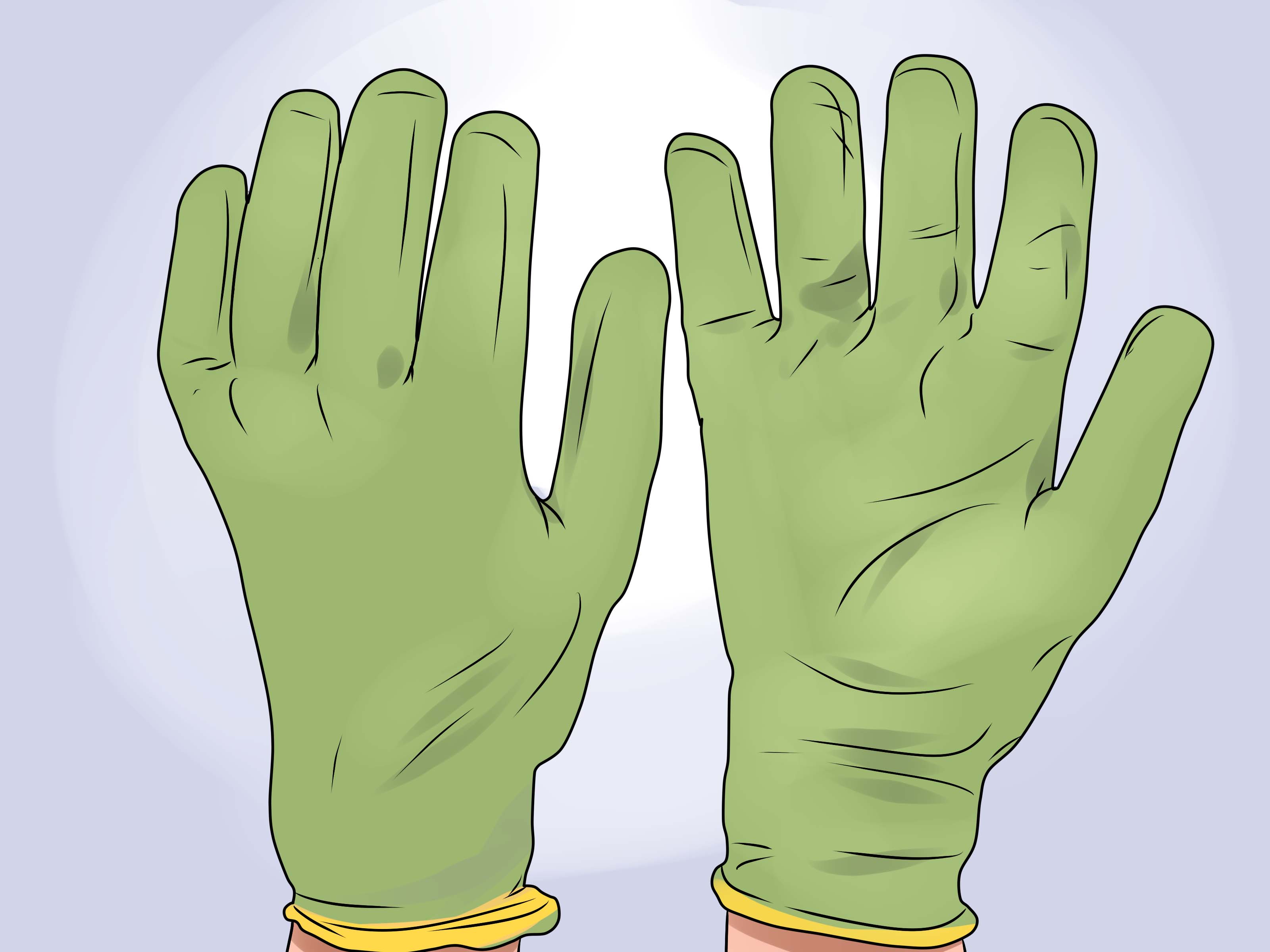
Switch temporarily to shoes with a wide, deep toe box and a cushioned sole. Avoid the pair that caused the problem, even if it is fashionable enough to have its own social media account. For hand calluses, wear properly fitted work or exercise gloves and adjust the tool, grip, or activity responsible for the friction.
Use a nonmedicated donut-shaped pad around a corn so the shoe presses on the padding rather than directly on the painful center. Moleskin or soft cushioning can protect a callus during walking or work. Do not place a thick pad in a tight shoe, because the extra bulk may create even more pressure.
2. Soak the area in warm water
Soak the affected foot or hand in warm, soapy water for approximately five to 10 minutes, or until the thickened skin softens. The water should be comfortably warm, not hot. Dry the area thoroughly, especially between the toes.
Soaking does not dissolve a corn by itself, but it makes gentle exfoliation easier. Endless soaking is unnecessary and may dry or weaken surrounding skin.
3. Gently thin the hardened skin
After soaking, lightly rub the corn or callus with a wet pumice stone, emery board, nail file, or washcloth. Use controlled circular or sideways movements and remove only a small amount of dead skin at a time. Stop if the area becomes tender, pink, raw, or painful.
Never attempt to remove the entire corn or callus in one session. Aggressive filing can cause bleeding, cracking, and infection. Wash the pumice stone after use, allow it to dry, and do not share it with anyone else.
If you have diabetes, reduced sensation, or impaired circulation, do not use a pumice stone unless your healthcare professional has specifically advised you that it is safe.
4. Apply a moisturizer every day
Use a thick moisturizing cream after drying the skin. Products containing urea, ammonium lactate, or a low concentration of salicylic acid can gradually soften rough, hardened skin. Plain petroleum jelly can also help retain moisture, particularly on dry heels.
Apply the product to the corn or callused area rather than between the toes, where trapped moisture may encourage skin breakdown or fungal growth. Moisturizing works gradually, so consistency beats an enthusiastic once-a-month lotion avalanche.
5. Consider an over-the-counter corn or callus remover carefully
Some nonprescription liquids and medicated pads contain salicylic acid, a keratolytic ingredient that loosens thickened skin. These products can work, but they may also irritate or burn healthy skin surrounding the corn. Follow the package directions exactly, apply the medicine only to the intended spot, and discontinue it if significant irritation or worsening pain develops.
Do not apply an acid-based remover to broken, red, infected, inflamed, or unusually pigmented skin. Product labeling commonly directs people with diabetes or poor circulation to consult a doctor before use. People with reduced feeling in their feet may not notice a chemical injury until significant damage has occurred.
6. Keep toenails appropriately trimmed
Long toenails can force toes upward or press them against the end of a shoe, contributing to corns. Trim nails straight across and gently smooth sharp edges. Do not dig deeply into the corners. Ask a podiatrist for help if your nails are thick, curved, difficult to reach, or difficult to see clearly.
What Not to Do to a Corn or Callus
Do not cut, shave, slice, peel, or dig into hardened skin with scissors, nail clippers, razor blades, knives, or other sharp tools. Professional debridement performed with sterile equipment is not the same thing as performing “bathroom surgery” under questionable lighting.
Do not pull at loose skin. Do not file until the area bleeds. Do not apply harsh acids to normal skin, and do not keep using a product that causes burning or increasing pain. Avoid covering a sore, infected, or draining area with an airtight pad without medical guidance.
Home treatment should also stop if you discover an open wound beneath the thickened skin. A callus can sometimes conceal an ulcer, particularly in someone who has diminished sensation.
Could It Be a Plantar Wart Instead?
Corns and plantar warts can look similar, especially on the sole of the foot. A corn develops from pressure, while a wart is caused by a human papillomavirus. Warts may interrupt the natural lines of the skin and can contain tiny dark dots created by small clotted blood vessels. Corns may cover or obscure skin lines but do not have those characteristic vessels.
Do not scrape the spot to diagnose it yourself. See a dermatologist or podiatrist when you are uncertain, particularly if the growth bleeds, changes color, grows irregularly, persists despite treatment, or looks unlike an ordinary corn or callus. Occasionally, more serious skin conditions can resemble a callused lesion.
When Should You See a Doctor?
Arrange an appointment with a dermatologist, podiatrist, or primary care professional if the corn or callus is extremely painful, repeatedly returns, affects the way you walk, or does not improve after several weeks of careful pressure relief and skin care.
Seek medical attention sooner if you notice:
- Redness, warmth, swelling, pus, drainage, or a bad odor
- Bleeding, cracking, an open sore, or skin turning dark
- Rapidly increasing pain or difficulty bearing weight
- Numbness, tingling, or reduced sensation in the foot
- A growth that changes shape, color, or size
- A recurrent corn over a bunion, hammertoe, or other deformity
- Any foot injury accompanied by fever or spreading redness
People with diabetes, poor circulation, neuropathy, or a history of foot ulcers should obtain professional advice even when a corn or callus seems minor. Thick skin can break down, hide a wound, or increase pressure on vulnerable tissue.
What professional treatment may involve
A clinician can confirm the diagnosis and safely reduce excess skin with sterile instruments. This is generally painless because the removed material consists largely of dead skin. Treatment may also include customized padding, shoe changes, toe spacers, prescription-strength skin softeners, or orthotic inserts that redistribute pressure.
If a structural problem such as a rigid hammertoe repeatedly creates the same corn, treating the underlying deformity may be necessary. Surgery is rarely the first option, but it may be considered when persistent pain does not respond to conservative care.
How to Prevent Corns and Calluses From Coming Back
Wear properly fitted footwear
Select shoes that match the shape of your foot rather than expecting your foot to negotiate with the shoe. There should be room across the widest part of the foot and enough depth above the toes. Avoid narrow, pointed toe boxes when you are prone to corns.
Choose socks that reduce friction
Wear clean, dry socks that fit without bunching. Lightly padded or moisture-wicking socks may reduce rubbing during exercise or long work shifts. Replace worn socks and insoles before their cushioning retires without submitting formal notice.
Break in new shoes gradually
Wear new footwear for short periods at first. Check your feet afterward for redness or tender pressure points. A red spot that repeatedly appears in the same location is an early warning that a corn, blister, or callus may be preparing to move in.
Address abnormal foot mechanics
If calluses repeatedly form beneath one part of the foot, your walking pattern or foot structure may concentrate pressure there. A podiatrist can assess your gait and determine whether an insert, orthotic, toe pad, or different shoe style would help.
Protect your hands during repetitive work
Use gloves, padded handles, grip tape, or technique adjustments for lifting, gardening, playing instruments, and handling tools. A thin, stable hand callus may be useful, but painful cracking indicates that the skin needs less friction and more moisture.
How Long Does a Corn or Callus Take to Heal?
There is no universal countdown. A mild callus may become softer within days of regular moisturizing and gentle filing. A painful corn can take several weeks to shrink after pressure is removed. Deeper or recurrent lesions may persist until a shoe-fit problem, toe deformity, or abnormal pressure pattern is corrected.
If the same shoe continues rubbing the same place, the skin will continue protecting itself by rebuilding the thickened layer. Successful callus removal therefore depends less on how fiercely you file and more on whether you eliminate the original cause.
Common Questions About Corn and Callus Treatment
Can I cut off a corn myself?
No. Cutting a corn can injure healthy tissue and introduce bacteria. A podiatrist can reduce thickened skin safely when professional removal is needed.
Will a corn disappear on its own?
It may gradually shrink if the pressure or friction stops. A corn caused by a tight shoe can improve after changing footwear, while one caused by a rigid toe deformity may continue returning.
Are corns and calluses contagious?
No. They are responses to mechanical pressure, not infections. Plantar warts, which can resemble calluses, are caused by a virus and can spread.
Does soaking in Epsom salt remove a callus?
Warm water can soften hardened skin, but Epsom salt is not required and will not correct the source of pressure. The important steps are gentle care, moisturizing, protection, and better-fitting footwear.
Should a useful callus always be removed?
No. A thin, painless callus may protect the hands or feet during repeated activity. The goal is not necessarily baby-soft skin everywhere. Treat the callus when it becomes too thick, painful, cracked, inflamed, or disruptive.
Real-World Corn and Callus Treatment Experiences
The following composite examples illustrate patterns that people commonly encounter. They are not personal medical histories or substitutes for an individual diagnosis.
The new-shoe corn that kept returning
Imagine someone who develops a painful corn on the little toe after buying narrow dress shoes. Each evening, the person soaks the foot and files the corn. It becomes slightly flatter, but it returns within days because the toe continues pressing against the shoe.
The turning point is not a stronger remover. It is switching to a shoe with a wider toe box and placing a nonmedicated donut pad around the corn. After the pressure stops, gentle filing and daily moisturizer gradually reduce the hardened skin. The lesson is wonderfully unglamorous: footwear usually matters more than the fanciest bottle in the foot-care aisle.
The runner with a thick callus under the forefoot
A recreational runner notices a broad callus beneath the ball of one foot. It is not painful at first, so the runner ignores it. As mileage increases, the callus thickens and begins to feel like a coin inside the shoe.
Reducing it too aggressively creates tenderness, making the next run worse. A more successful approach is to pause intense activity briefly, moisturize the area, gently thin it over several sessions, and replace worn running shoes. Because the callus repeatedly appears on only one side, a professional gait assessment may reveal that pressure is concentrated beneath a particular metatarsal. An insert or footwear adjustment can then address the cause rather than endlessly sanding the evidence.
The office worker with a corn over a bent toe
Another common experience involves a corn on top of a hammertoe. Roomier shoes and padding provide relief, but the corn returns because the raised joint continues contacting the upper part of the shoe. A podiatrist can safely reduce the corn, recommend deeper footwear, and evaluate whether a toe pad or orthotic may decrease pressure.
This example explains why recurrence does not automatically mean treatment failed. Sometimes the skin is responding exactly as designed to an unresolved structural problem.
The weightlifter who removed too much hand callus
A weightlifter may view hand calluses as medals of honor until one catches on a bar and tears. Filing the calluses completely smooth can be equally troublesome because a modest layer of thickened skin protects the hands.
A better routine is to keep calluses level with the surrounding skin, moisturize regularly, use an appropriate grip, and address rough equipment surfaces. The goal is controlled maintenance, not declaring total war on every patch of durable skin.
The person with diabetes who wisely skipped home surgery
A person with diabetes notices a small callus beneath the big toe. It does not hurt, but reduced sensation means pain is not a reliable safety signal. Instead of using a medicated corn pad or cutting the skin, the person checks the foot for redness or an open area and contacts a podiatrist.
The clinician reduces the callus safely and identifies a pressure point in the shoe. Early professional care helps prevent the thickened skin from concealing or contributing to an ulcer. In this situation, choosing not to perform home treatment is not excessive caution. It is the treatment decision most likely to protect the foot.
The shared lesson
Across these experiences, the same principle appears repeatedly: hardened skin improves when the pressure pattern changes. Soaking, filing, moisturizers, and padding can support healing, but none of them can permanently overpower a shoe, tool, gait pattern, or toe joint that keeps creating friction.
A sensible routine is gradual and almost boring: inspect the area, remove the cause, soften the skin, reduce only a small amount, moisturize, and watch for warning signs. When treatment begins resembling a home renovation involving sharp instruments, it is time to put down the tools and call a professional.
Conclusion
Most minor corns and calluses can be managed by removing pressure, wearing properly fitted shoes, soaking the area briefly, gently filing dead skin, moisturizing daily, and using nonmedicated padding. Over-the-counter salicylic acid products may help selected users, but they must be applied carefully and should not be used on damaged skin or without medical advice when diabetes, numbness, or poor circulation is present.
Do not cut a corn or callus yourself. Seek professional care for severe pain, infection, bleeding, an open wound, uncertain diagnosis, repeated recurrence, or a lesion that changes in appearance. Your skin created the thickened area for a reason. Treating that reason is usually the fastest route to comfortable feet and fewer arguments with your shoes.