
Note: This original article is based on real information about handmade glass art, flameworking, aquarium and terrarium display safety, and octopus-inspired design.
There are normal hobbies, and then there are hobbies that make you sit at a workbench holding tiny glass rods while whispering, “Please become an octopus and not a melted noodle.” My latest project proudly belongs to the second category. I made 15 baby-glass octopus figurines in different colors, and somewhere between the first curled arm and the fifteenth tiny face, I realized I had accidentally created a miniature ocean committee.
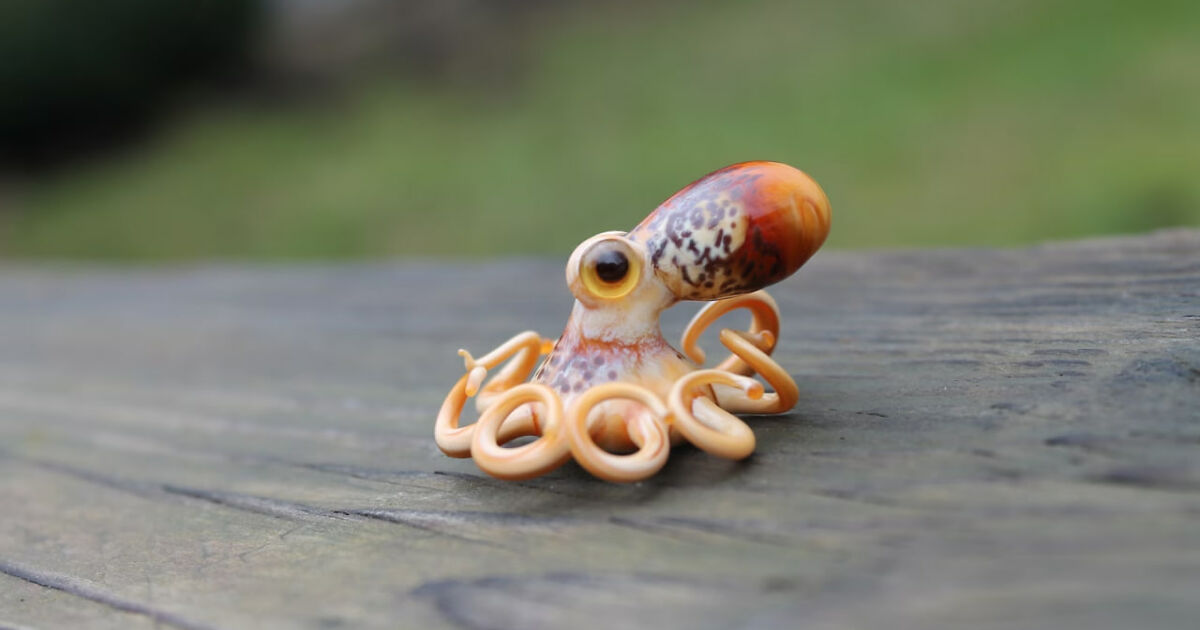
Each baby glass octopus figurine started as a small idea: a playful, colorful creature that could sit beautifully on a shelf, inside a terrarium, near an aquarium, or on a desk where it could silently judge your emails. I wanted them to feel cute but not childish, artistic but not fragile-looking, and ocean-inspired without becoming the kind of nautical decor that screams “vacation rental bathroom.”
Glass has a special way of capturing light. Add the soft curves of a baby octopus, the shimmer of transparent color, and the charm of eight tiny arms, and suddenly a small figurine becomes more than decoration. It becomes a little personality. Some of mine look shy. Some look mischievous. One looks like it knows where the snacks are hidden.
Why Baby Glass Octopus Figurines Are So Irresistible
Octopuses are already one of nature’s most fascinating creatures. They are intelligent, flexible, curious, and famous for their ability to change color and texture. That made them the perfect inspiration for a set of colorful handmade glass figurines. A baby octopus shape also works beautifully in glass because it combines a rounded body, flowing arms, and playful movement in one tiny sculpture.
The “baby” part matters. A full-grown octopus can look mysterious and dramatic, but a baby octopus figurine has instant charm. Its oversized head, short curled arms, and compact size make it feel friendly rather than intimidating. It has the visual softness of a sea creature and the collectible appeal of miniature art.
A Tiny Ocean Animal With Big Design Energy
When designing these 15 figurines, I focused on color, silhouette, and expression. The shape had to read clearly as an octopus even at a small size. That meant eight arms, a rounded mantle, and enough spacing between the curves so the figure did not turn into a glass blob with ambition.
I also wanted the colors to reflect the real magic of cephalopods. Real octopuses can shift their appearance using specialized skin cells, helping them camouflage, communicate, or look dramatically offended by a passing fish. My glass versions obviously cannot change color, unless you count “sparkly under desk lamp” as a biological feature, but I could still honor that visual drama by making each one a different shade.
The 15 Colors I Made And What Each One Feels Like
Color was the heart of this project. A simple clear octopus would have been pretty, but making 15 different baby-glass octopus figurines gave the collection a gallery-like feeling. It looked like a tiny reef had organized itself by personality type.
1. Clear Crystal Octopus
The clear crystal octopus is the minimalist of the group. It catches light from every angle and works well in almost any decor style. It looks delicate, clean, and quietly elegant, like it owns a tiny glass penthouse.
2. Ocean Blue Octopus
The blue figurine naturally became the most “aquarium-inspired” piece. It has a calm, watery look that feels perfect beside pebbles, shells, or aquatic plants. Blue glass always gives a handmade sea creature an instant underwater mood.
3. Aqua Green Octopus
Aqua green brought a tropical lagoon feeling. This color looks especially good in terrariums because it contrasts nicely with moss, ferns, and pale gravel. It feels fresh without shouting for attention.
4. Amber Octopus
The amber octopus has a warm glow that reminds me of sea glass at sunset. It pairs beautifully with wood, sand, stones, and neutral decor. If the blue octopus is the calm friend, amber is the one who brings cinnamon rolls.
5. Ruby Red Octopus
The red one is dramatic in the best way. It stands out immediately and gives the collection a bold focal point. In glass art, red tones often feel luxurious because they hold light with such depth and intensity.
6. Lavender Octopus
Lavender made the baby octopus feel dreamy and slightly magical. It is soft, decorative, and ideal for anyone who wants ocean decor without sticking to the usual blue-and-green palette.
7. Deep Purple Octopus
Deep purple gives the figurine a mysterious look, almost like a tiny creature from a twilight reef. This one looks great against white sand, black stones, or a plain shelf where the color can do its little royal performance.
8. Sunshine Yellow Octopus
The yellow octopus is pure joy. It looks cheerful, bright, and slightly ridiculous in the way all excellent tiny things should. It brings energy to the collection and makes the whole set feel more playful.
9. Bubblegum Pink Octopus
Pink turned out sweeter than expected. It has a candy-like charm, but the transparent glass keeps it from feeling too toy-like. This one would be perfect for a colorful desk, a whimsical shelf, or a gift for someone who loves cute handmade decor.
10. Smoke Gray Octopus
The gray octopus is subtle and modern. It looks almost architectural, especially when light passes through it. Among the brighter figurines, smoke gray adds balance and keeps the set from looking like a bowl of jelly beans with suction cups.
11. Seafoam Octopus
Seafoam sits somewhere between green, blue, and pure coastal happiness. It is one of the easiest colors to style because it feels natural beside plants, shells, sand, and water-themed decorations.
12. Orange Coral Octopus
The orange coral figurine brings reef energy. It looks warm, lively, and a little tropical. This color is especially good for display scenes that use white stones or natural sand because it creates instant contrast.
13. Cobalt Octopus
Cobalt is rich, bold, and classic. It feels deeper than ocean blue and gives the small figurine a more collectible, glass-art look. This is the one that quietly says, “I may be tiny, but I have gallery lighting.”
14. Mint Octopus
The mint baby octopus is soft, fresh, and easy to love. It feels less oceanic than aqua but more modern and decorative. It works well in small-space decor because the color is bright without being too loud.
15. Rainbow-Swirled Octopus
The final piece was the wild card: a rainbow-swirled baby octopus. This one pulled together several colors in one figure, creating movement across the body and arms. It became the unofficial leader of the group, mostly because it looks like it has already joined a tiny underwater parade.
How The Baby Glass Octopus Figurines Were Made
These figurines were inspired by traditional flameworking, also called lampworking, a glassworking method where rods or tubes of glass are heated with a torch and shaped while molten. The process requires patience, steady rotation, and a healthy respect for the fact that hot glass does not care about your feelings.
To create a baby octopus shape, the body usually comes first. A small gather of glass is heated until it becomes workable, then shaped into a rounded form. The arms are built carefully, one curve at a time. Each arm has to look soft and flowing while still being structurally stable. Too thin, and it risks breaking. Too thick, and the octopus starts looking like a sea pancake with legs.
The Importance Of Balance
A good glass octopus figurine needs balance in both appearance and structure. Since there are eight arms, the base must sit evenly. The figurine should not wobble, tip, or look like it is trying to escape across the table. I spent a lot of time adjusting the curls so each octopus looked lively but still rested securely.
The arms were the trickiest part because they define the whole personality. Tightly curled arms make the figurine look shy and cozy. Wider arms make it look like it is exploring. Slightly raised arms make it look curious, which is adorable until you remember it is glass and should not actually investigate anything.
Why Annealing Matters
After shaping, glass pieces need controlled cooling. In glass art, this process is called annealing. It helps reduce internal stress that can build up when hot glass cools unevenly. Without proper cooling, a piece may look fine at first but become fragile later. For small handmade glass figurines, annealing is one of those invisible steps that makes a huge difference.
In other words, the cutest octopus in the world still needs science. Beauty is wonderful, but stable beauty is better. Nobody wants a baby octopus figurine with a dramatic cracking arc.
Using Glass Octopus Figurines As Aquarium Decor
One reason these handmade glass octopus figurines are so appealing is their connection to aquarium decor. The shape belongs naturally in an underwater scene, and transparent colored glass can look stunning beside gravel, plants, driftwood, and aquarium lighting.
However, aquarium safety matters. Any item placed inside a fish tank should be smooth, clean, non-toxic, and appropriate for aquatic use. Glass is generally valued because it is non-porous and does not decay like some organic materials, but every handmade item should still be inspected carefully before being used in a live aquarium.
Important Aquarium Display Tips
- Use only smooth figurines with no sharp edges or fragile points.
- Rinse the piece thoroughly with clean water before display.
- Avoid soap, detergent, paint, glitter coatings, or unknown sealants.
- Make sure the figurine is stable and cannot trap small fish.
- Do not use damaged glass in an aquarium.
- When in doubt, display the figurine outside the tank instead.
For many people, the safest and easiest approach is to place handmade glass octopus figurines near the aquarium rather than inside it. A small cluster beside the tank can still create a beautiful ocean-themed scene without introducing anything into the water. The aquarium light will often shine through the glass and make the colors glow, which is basically free drama.
Using Baby Glass Octopus Figurines In Terrariums
These little octopuses also work beautifully as terrarium decor. Terrariums are miniature plant worlds, often made inside clear glass containers. They use layers of pebbles, charcoal, soil, moss, and small plants to create a tiny landscape. A colored glass octopus adds a fun story element, especially in open terrariums, moss bowls, fairy gardens, and beach-themed plant displays.
Because terrariums rely on light and moisture balance, decorations should be easy to clean and should not harm the plants. Glass fits well visually because it reflects light and does not compete with natural textures. A baby octopus in a moss terrarium looks like it wandered out of a tide pool and decided to become a forest spirit.
Best Terrarium Styling Ideas
For a coastal terrarium, pair a blue or seafoam octopus with pale sand, small shells, and air plants. For a rainforest look, use the emerald, aqua, or purple figurine among moss and fern textures. For a modern desk terrarium, choose clear, smoke gray, or cobalt glass with black pebbles and minimal planting.
Closed terrariums can develop condensation, so it is smart to place delicate decorations where they can be removed and cleaned if needed. Open terrariums are often easier for decorative figurines because airflow is better and maintenance is simpler.
Why Handmade Glass Decor Feels Different
Mass-produced decor can be cute, but handmade glass has a personality that machines struggle to copy. Each tiny variation tells part of the story. One octopus arm curls a little higher. Another body leans slightly forward. One color pools more deeply near the base. These small differences make the collection feel alive.
That is the charm of handmade glass figurines: they are precise enough to be beautiful but imperfect enough to feel human. The maker’s hand remains visible. In a world full of identical plastic decorations, that matters.
Small Art With Collectible Appeal
Miniature glass animals have long been popular among collectors because they are easy to display, gift, and arrange. A baby glass octopus figurine is especially collectible because it combines ocean decor, animal art, color variety, and handmade craftsmanship. One is cute. Three make a tiny scene. Fifteen become a full-blown glass octopus daycare.
They also make thoughtful gifts for ocean lovers, aquarium keepers, marine biology fans, glass art collectors, plant people, and anyone whose desk needs more joy. They are small enough to fit anywhere but detailed enough to invite a closer look.
Design Lessons From Making 15 Tiny Octopuses
Making one baby-glass octopus figurine teaches technique. Making 15 teaches patience, consistency, and humility. Glass has a personality of its own. Some days it flows beautifully. Other days it behaves like it has read your plans and objects on artistic grounds.
The biggest lesson was that repetition does not mean sameness. I used the same basic shape for each figurine, but every color changed the feeling. Transparent blue looked calm. Red looked energetic. Lavender looked dreamy. Smoke gray looked sophisticated. The form stayed similar, yet the mood shifted completely.
Details Make The Difference
Small details mattered more than expected. The angle of the arms determined whether the octopus looked balanced or stiff. The size of the head changed the cuteness level. A little extra curve at the base made the figurine feel more natural. Even the way light moved through thicker and thinner areas affected the final look.
That is why handmade glass art rewards slow looking. At first glance, you see a colorful octopus. After a moment, you notice the tiny variations: the glow inside the body, the bend of each arm, the way color gathers near the base, and the little shadows created by transparent glass.
How To Display A Collection Of Baby Glass Octopus Figurines
If you have colorful handmade glass figurines, display is half the fun. Glass loves light, so placing the pieces near a window, under a small shelf light, or beside an aquarium can make the colors come alive. Just avoid spots where they can be knocked over, overheated, or attacked by a cat with interior design opinions.
A simple white shelf makes bright colors pop. Natural wood gives the collection warmth. Black stone or dark fabric creates a dramatic gallery effect. For a beach-inspired arrangement, use sand-colored surfaces, shells, smooth stones, or sea glass. For a plant display, tuck one or two pieces near moss, air plants, or small ferns.
Grouping By Color
One beautiful option is to arrange the 15 figurines in a gradient, moving from clear to blue, green, yellow, orange, red, pink, purple, and gray. This makes the set feel intentional and artistic. Another option is to group them by mood: ocean colors together, warm colors together, and fantasy colors together.
You can also create tiny scenes. A blue octopus beside smooth river stones feels aquatic. A lavender octopus near moss feels magical. A clear octopus on mirrored glass looks almost icy. A rainbow octopus needs no help at all; it brings its own parade permit.
Care Tips For Handmade Glass Figurines
Handmade glass figurines are durable when properly made, but they still deserve gentle handling. Dust them with a soft cloth, rinse only when needed, and avoid harsh chemicals. If a figurine has fine details, clean around the arms carefully instead of forcing cloth or brushes into tight spaces.
Store glass pieces separately if you are moving them. Bubble wrap, tissue, or soft cloth can help protect the arms from pressure. Never toss small glass art into a drawer with keys, coins, or mystery objects. That is not storage; that is a tiny gladiator arena.
My Personal Experience Making These 15 Baby-Glass Octopuses
By the time I finished all 15 baby-glass octopus figurines, I had learned that tiny art can be surprisingly demanding. Large pieces often get respect because they look difficult, but miniature work has its own challenges. Every millimeter matters. If one arm is too short, the pose feels wrong. If the body is too tall, the octopus loses its baby-like charm. If the color gets too dark, the light cannot travel through it the way I want.
The first figurine was more of a negotiation than a creation. I had the idea clearly in my mind: rounded head, tiny curled arms, smooth base, playful posture. The glass had a different idea, which seemed to be “abstract sea potato.” After a few adjustments, the shape improved, and I started to understand the rhythm of the piece. Heat, rotate, shape, pause, reheat, correct, breathe, repeat.
Once I found the basic form, the project became addictive. Each new color felt like meeting a new character. The blue one looked calm and thoughtful. The yellow one looked like it had just heard excellent gossip. The purple one felt elegant, while the orange one looked ready for summer vacation. I did not plan for them to have personalities, but miniature creatures are rude that way; they simply arrive with opinions.
The hardest part was keeping the arms consistent. An octopus needs eight arms, and eight is a lot when the object is small and the material is hot. I had to work slowly enough to place each arm but quickly enough to keep the glass responsive. Sometimes one arm would curl perfectly while another tried to become a hook, a noodle, or a questionable punctuation mark. I learned to adjust without overworking the piece, because too much correction can make a small figurine feel heavy.
The most satisfying moment came when I lined up all 15 finished pieces together. Individually, each baby glass octopus was cute. Together, they looked like a tiny ocean festival. The colors bounced off one another, and the transparent glass caught the light in different ways. Some glowed softly. Some flashed brightly. The rainbow one, naturally, behaved like the main character.
I also enjoyed testing different display ideas. On white paper, the colors looked clean and bright. On dark stone, they appeared richer and more dramatic. Beside a terrarium, the green and aqua pieces blended beautifully with moss. Near an aquarium light, the blue and clear figurines became especially luminous. That confirmed one of my favorite things about glass decor: it changes with its environment.
This project reminded me that handmade art does not have to be huge to feel meaningful. A tiny glass octopus can carry a lot of care: the choice of color, the curve of an arm, the smoothness of the base, the way it catches light, and the small smile it creates when someone notices it. Making 15 of them was repetitive, yes, but never boring. Each one taught me something slightly different.
If I make another batch, I would love to experiment with more layered colors, tiny bubbles, speckled effects, and perhaps a few glow-like transparent tones. I might also create themed sets: coral reef colors, deep-sea colors, pastel nursery colors, or even “octopuses who look like they run a very small underwater bakery.” Art should be beautiful, but it should also be allowed to have a sense of humor.
Conclusion
Making 15 baby-glass octopus figurines in different colors turned into more than a craft project. It became a study in color, light, balance, and personality. Each tiny octopus carried the charm of handmade glass art and the wonder of ocean-inspired design. Whether displayed on a shelf, placed near an aquarium, styled in a terrarium, or given as a thoughtful gift, these colorful figurines prove that small decor can still make a big impression.
They are playful without being silly, artistic without being intimidating, and cute without needing to apologize for it. The best part is that every figurine feels unique. Fifteen colors, fifteen moods, fifteen tiny reasons to smile. And honestly, if your home has room for one decorative bowl you never use, it probably has room for a baby glass octopus with better lighting.