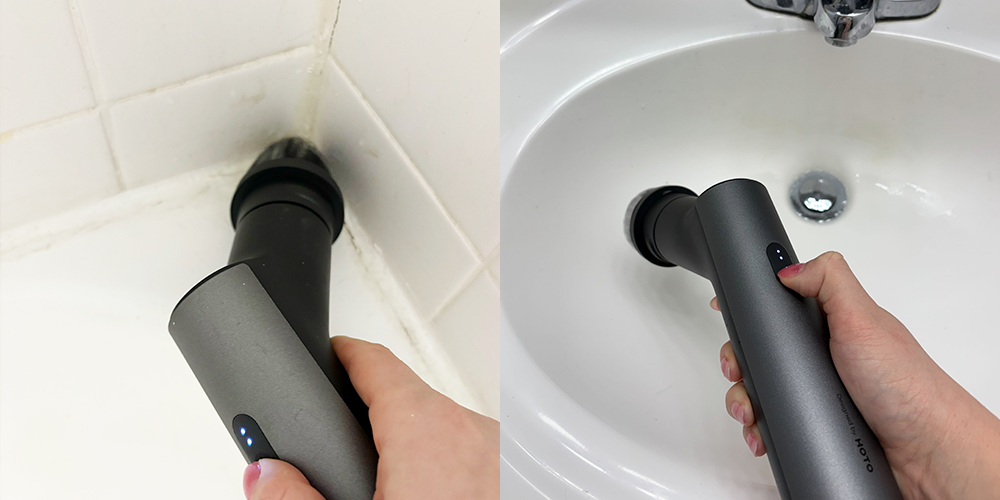

Confession: I used to think an electric cleaning brush was one of those “as seen on the internet” gadgets that would live in a cabinet until it died quietly next to the avocado slicer. Then I met soap scum. And grout. And that weird, gritty ring in the tub that appears the moment you turn your back.
Fast-forward to now: I’m the person who tells friends, “You don’t need a new bathroomyou need a spin scrubber.” Dramatic? Sure. But when a tool turns a dreaded, knuckle-whitening chore into something closer to a quick victory lap, it earns the hype.
Author’s note: This is written in a first-person “tried it” style, but the experiences and takeaways are synthesized from reputable U.S. product testing and homeowner feedback (think: Good Housekeeping-style lab testing, Consumer Reports-style evaluations, and multiple home-and-lifestyle outlets).
What an electric cleaning brush actually does (and why it feels like cheating)
An electric cleaning brush (often called an electric spin scrubber or power scrubber) is basically a brush head attached to a motor. Instead of your arm providing the “scrub,” the tool provides the motioneither by spinning (rotation) or oscillating (rapid back-and-forth movement).
Spin vs. oscillation: the two flavors of “stop making me work so hard”
- Spin scrubbers rotate a brush head (often with multiple speed settings). They’re great for big surfaces like tub walls, tile, and shower doorsespecially when paired with a long, extendable handle.
- Oscillating scrubbers use a smaller head that vibrates or moves rapidly. These tend to be excellent for detail workgrout lines, faucet bases, stove knobs, and corners where grime likes to build a tiny fortress.
Either way, the headline benefit is the same: less elbow grease. You still guide the tool and choose the right cleaner, but the brush does the repetitive scrubbing motion that usually wrecks your wrists and patience.
The “before” problem: why bathrooms and kitchens feel like they fight back
Let’s name the villains:
- Soap scum: a lovely mix of soap residue, body oils, and minerals that clings like it pays rent.
- Hard-water deposits: chalky buildup that laughs at casual wiping.
- Grease film: especially in kitchens, where “clean” can still feel… tacky.
- Grout grime: because grout is basically a sponge with a confidence problem.
Manual scrubbing works, but it’s inefficient: your hand strength and joint angles aren’t designed for repeatedly scrubbing vertical tile for ten minutes straight. That’s why so many reviewers and testing labs emphasize reduced strain and faster cleaning as the main upgradeespecially for anyone who hates kneeling, bending, or holding awkward positions for long stretches.
What changed when I switched: the real “aha” benefits
1) I stopped negotiating with my shower
Before: “I’ll clean the shower… later.” Later: never. After: I can hit the tub and tile quickly, especially if the scrubber has an extension pole and an angled head that reaches up walls and into curves.
2) Grout went from “impossible” to “annoying but doable”
Grout still needs targeted attention, but a pointed or narrow brush head makes it far less miserable. It’s not magicdeep stains may need a dedicated grout cleaner and timebut it’s finally manageable without sacrificing a toothbrush to the cleaning gods.
3) I cleaned more often because it wasn’t a whole production
The biggest surprise wasn’t that the tool cleaned well. It was that it made me more consistent. When the “activation energy” drops, you do the thing. And once you’re doing quick maintenance cleans, the deep-clean disasters happen less often.
How to pick an electric cleaning brush that won’t disappoint you
Ignore the dramatic marketing photos. Focus on the stuff that actually matters in real houses.
Power and speed settings
Many popular spin scrubbers run in the general neighborhood of a few hundred RPM, often with two or more modes (a gentler daily-clean speed and a higher speed for grime). More speed can help, but control matters just as much. The sweet spot is a tool that keeps spinning without stalling when you apply light pressure.
Battery life and charging reality
Battery runtime varies widely. Some models in major outlet testing have been reported to run around an hour or more, while others can last closer to two hours depending on the mode. Translation: if you want to deep-clean a whole bathroom (walls + tub + floor), a longer runtime helps you avoid the dreaded “dies mid-grout-line” moment.
Handle length, angles, and ergonomics
Long handles are a back-saver, but they can also feel top-heavy. Look for:
- Extendable handle long enough for shower walls without a step stool.
- Adjustable or pivoting head so you can keep the brush flat against surfaces.
- Comfortable grip that doesn’t turn your hand into a claw after 10 minutes.
Attachments: more isn’t always better, but the right ones are everything
The most useful attachment types tend to be:
- Large flat brush for tile walls, tubs, and bigger surfaces.
- Dome brush for curved areas like tub basins and rounded corners.
- Pointed/cone brush for grout lines, crevices, and tight edges.
- Soft pads or cloth attachments for more delicate surfaces (think glass, polished finishes) where stiff bristles might scratch.
- Scouring pads for stubborn spotsused carefully and only where appropriate.
Water resistance (and not doing anything you’ll regret)
Many electric scrubbers are designed to be water-resistant for wet-area cleaning. Still: keep charging ports closed and dry, don’t charge a damp device, and follow manufacturer guidance. Water-resistant doesn’t mean “please submerge me like a rubber duck.”
My go-to routine: how to clean faster (without flinging grime everywhere)
Here’s the method that makes an electric scrub brush feel like a true upgrade rather than a chaotic foam cannon.
Step 1: Pre-treat and let chemistry do its job
Spray your cleaner and let it dwellusually a few minutes, depending on the product. This matters. The brush provides agitation, but chemistry loosens soap scum and grease so you’re not trying to bulldoze buildup with pure force.
Step 2: Match the head to the surface
Big flat head for walls. Dome head for curves. Pointed head for corners and grout. If you’re unsure about scratches, start with the gentlest option and test a small area.
Step 3: Use light pressure and slow passes
Let the motor do the work. Pressing hard can cause stalling (and extra splatter). Think “guiding,” not “wrestling.”
Step 4: Rinse, then do a quick detail pass
Rinse the loosened grime away so you’re not re-spreading it. Then hit stubborn edges one more time with the smaller head.
Step 5: Clean the brush head immediately
The easiest trick: turn the scrubber on while holding the head in a bucket of clean water (or under running water, if your model allows). Spinning water through bristles helps flush out soap and gunk before it dries into a crusty little souvenir.
Where an electric cleaning brush shines (with real-life examples)
Shower walls and tubs
This is the headline zone. Soap scum, body oils, and hard-water residue build up fast, and vertical scrubbing is exhausting. A long-handled spin scrubber makes it possible to clean shower walls without turning into a human pretzel.
Tile floors (especially bathroom floors)
Bathroom floors collect a special blend of dust, hair, and “how did this get sticky?” An electric scrub brush helps lift grime along textured tile, and the right brush shape can get close to baseboards and around toilet bases (aka the places nobody wants to talk about).
Grout lines
A targeted brush head helps, but grout success is a combo of:
- Using the right cleaner (grout-safe, and appropriate for your tile type)
- Letting it dwell
- Agitating with a pointed head
- Rinsing thoroughly
If grout is very old or unsealed, stains may be stubborn. In that case, sealing after cleaning can help slow down future grime absorption.
Kitchen sinks, stovetops, and “gross little edges”
In kitchens, I love a smaller powered scrubber for detail zones: around sink rims, stove knobs, backsplash grout, and the edges where countertops meet appliances. The key is picking a non-scratch head for delicate finishes and avoiding overly abrasive pads where they don’t belong.
Outdoor and odd jobs
Some people use these tools on patio furniture, grill grates (with caution and the right attachment), and even car wheelsbasically anywhere grime is stubborn and your patience is not.
The honest downsides (because no tool is perfect)
It won’t replace the right cleaner
Hard-water scale often needs an acid-based product formulated for mineral deposits. Grease needs a degreaser. Soap scum needs something designed to break it down. The brush is amazing at agitation, but it’s not a chemistry substitute.
It can splatter if you go full-speed on a wet, soapy wall
Start slower, keep the head against the surface, and don’t treat your bathroom like a foam party venue unless that’s your personal brand.
Brush heads can be annoying to clean
Bristles trap residue. Rinse immediately, and occasionally soak heads (depending on manufacturer guidance) to keep them fresh. Also, consider replacing heads when they look wornworn bristles clean less effectively and can fling more mess.
Battery life is real life
If you’re a marathon cleaner, prioritize longer runtimes. If you’re more of a “15 minutes and done” person, a smaller model might be totally fine.
Not every surface loves a stiff brush
Delicate finishes (some glass, polished stone, soft plastics, certain coated surfaces) can scratch. Use soft attachments, test in a hidden spot, and don’t assume “tough grime” means “go maximum abrasion.”
Safety and surface-care: clean smarter, not more expensive
- Avoid harsh chemicals that damage bristles: Some cleaning experts advise against using bleach with certain scrubber heads because it can degrade materials over time. Follow your brush manufacturer’s guidance and choose safer alternatives when possible.
- Keep water out of charging components: Dry the handle and charging area before plugging anything in.
- Use eye protection if you’re sensitive: If splatter bothers you, safety glasses turn “ugh” into “fine.”
- Don’t over-press: Light pressure cleans better and keeps the motor happy.
So… is it worth it?
If you only clean with a sponge and you secretly enjoy aggressive scrubbing as cardio, you may not “need” one. But for most people, an electric cleaning brush is worth it because it buys back time and reduces strain. It’s especially helpful if you:
- Hate kneeling or bending to scrub tubs and tile
- Have mobility limits or joint pain
- Want to maintain a cleaner bathroom with less effort (so buildup never gets a head start)
- Prefer tools that make “gross chores” quicker and less intense
In other words: it’s not just a gadget. It’s a motivation hack disguised as a cleaning tool.
Quick FAQ
Will it clean mold?
It can help remove surface grime and agitate cleaners, but mold issues may require the right mold-safe product, proper ventilation, and addressing moisture sources. If you have extensive mold problems, consider professional guidance.
Will it scratch tile?
Most glazed tile is fairly durable, but scratches can happen on delicate surfaces or with overly abrasive pads. Use the gentlest head first and test a small area.
Do I still need to “pre-spray”?
Yes. The best results come from letting cleaner dwell briefly before scrubbing. Think of it as teamwork: chemistry loosens, brush removes.
My Electric Cleaning Brush Experience: The Long Version (500+ Words)
I didn’t wake up one day and decide, “Today I become a person who owns a powered scrubber.” I got there the way most people do: slowly, stubbornly, and after one too many cleaning sessions that felt like I was trying to sand a bathtub by hand.
The first time I used an electric cleaning brush, the shock wasn’t the noise or the spinningit was the difference in effort. I aimed it at the tub wall where soap scum usually clings in a dull, gray film. Normally, that spot requires a pre-spray, a scrub, a rinse, and then an angry second scrub because the first scrub only offended the dirt. With the powered brush, I pre-treated, waited a few minutes, and then did slow passes with a flat head attachment. I wasn’t pushing hard; I was basically steering. When I rinsed, the wall looked brighter, and the “sticky” feeling was gone. That’s when my brain did the math: Oh. This is what it’s like when the tool helps me.
Over the next week, I started finding excuses to use itpartly because it worked, and partly because it was weirdly satisfying. (It’s like the cleaning version of watching pressure-washing videos, except you’re the star and the bathroom is your stage.) I used the dome brush on the curved basin of the tub where grime likes to settle. I used a pointed head along the edges near the drain and the corners where the curtain liner hangs out like it owns the place. The best part was that I didn’t feel wiped out afterward. No sore wrist. No shoulder ache. No “I need a snack and a lie-down because tile defeated me.”
Then came the grout experimentthe one I usually avoid because grout is basically a magnet for disappointment. I did what the testing outlets recommend: I treated it like a process, not a miracle. Cleaner first, dwell time, then a narrow attachment with controlled passes. The results weren’t “brand-new showroom grout,” but they were noticeably better. The lines looked lighter, and the grime in the corners lifted without me scrubbing like a furious raccoon. That was enough to change my routine: instead of waiting until grout looked tragic, I started doing quick maintenance passes so it never got that bad again.
The unexpected win was how this changed my relationship with cleaning. I stopped treating the bathroom like a once-a-month battle and more like a series of small, easy resets. Ten minutes here, five minutes there. Because the tool made the hardest partthe physical scrubbingso much easier, I wasn’t constantly procrastinating. And once you’re not procrastinating, the whole house feels calmer. It’s annoying how true that is.
Of course, it wasn’t perfect. The brush heads needed cleaning right away, or they’d hold onto soap residue. And yes, if you crank the speed too high on a super wet surface, you can get splatter (which is a very rude surprise when you’re wearing a clean shirt). But once I figured out the rhythmpre-spray, dwell, slow passes, rinse, quick brush rinsethe tool became one of those “why did I wait so long?” purchases.
Now I look at old-school manual scrubbing the way I look at carrying all groceries in one trip: technically possible, emotionally questionable. The electric cleaning brush didn’t just make cleaning faster. It made cleaning feel doable. And that’s why I’m not going back.