
Note: This article is written for web publication in standard American English and synthesizes real, current home-organization guidance from reputable U.S. home, kitchen, food, and storage resources without inserting source links.
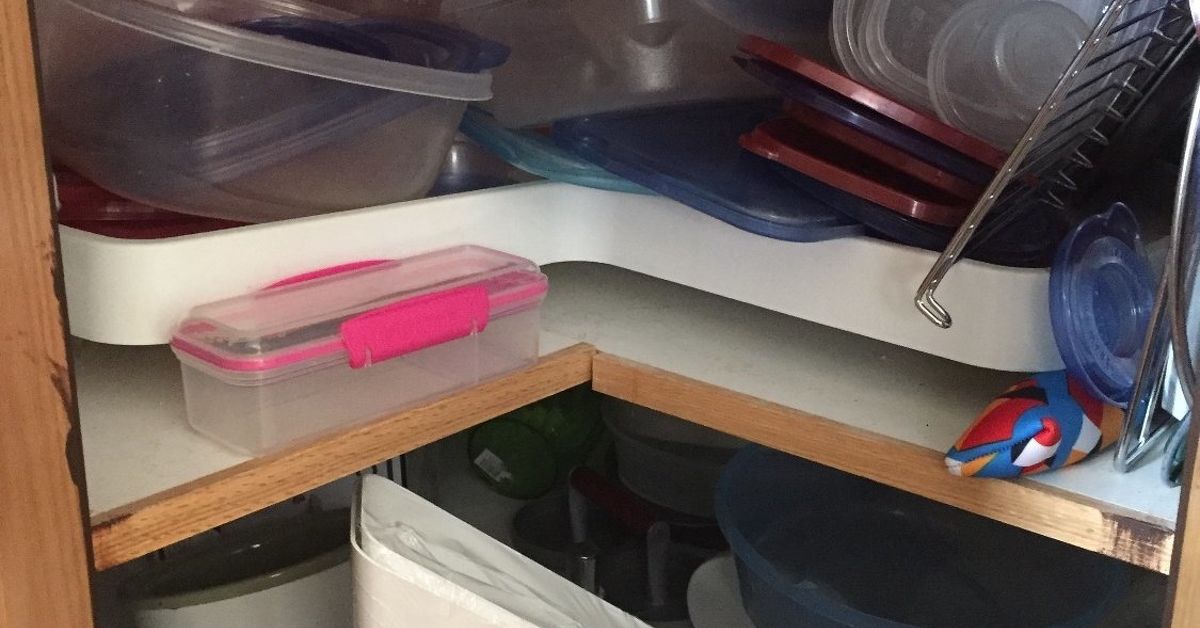
Every kitchen has one cabinet that behaves like a tiny plastic avalanche. You open the door looking for a single food storage container, and suddenly three lids, one mystery takeout tub, and a container from 2018 audition for the role of “falling object.” That is exactly why the IKEA desk file holder Tupperware hack has become such a smart little organizing trick: it takes an item designed for papers, notebooks, and office clutter, then turns it into a vertical storage system for food container lids inside your cupboard.
The idea is almost suspiciously simple. Instead of stacking Tupperware lids flat in a wobbly pile, you stand them upright inside an IKEA magazine file or desk file holder. The holder acts like a mini filing cabinet for lids, making every size visible, reachable, and far less likely to disappear into the shadow realm behind the mixing bowls. It is budget-friendly, renter-friendly, and wonderfully satisfying if your current lid system is “hope and chaos.”
This hack works especially well because most container lids are flat, thin, and annoying to stack. A vertical holder keeps them separated by shape or size, so you can grab the rectangular lid without accidentally launching every round lid across the cupboard. For small kitchens, shared family kitchens, meal-prep households, and anyone who owns more containers than they are emotionally ready to admit, this is one of those tiny upgrades that can make daily cooking feel calmer.
Why an IKEA Desk File Holder Works So Well for Tupperware Storage
An IKEA desk file holder, sometimes sold as a magazine file, is naturally built for vertical organization. Office papers, folders, mail, notebooks, and magazines are all stored upright because it saves space and makes items easier to scan. Food storage lids have the same basic problem: they are flat, easy to lose, and irritating when piled horizontally. So, the crossover makes perfect sense.
Several IKEA file holders are slim enough to fit inside standard cupboards, and many come in two-packs. Paperboard versions are lightweight and inexpensive, while plastic, mesh, or sturdier designs may be better for high-use kitchen cabinets. The best choice depends on your cupboard depth, shelf height, and how often your household grabs leftovers containers. If your family uses food storage every day, choose a wipeable holder or add a washable liner at the bottom.
The Main Benefits
The first benefit is visibility. When lids stand upright, you can actually see what you own. No more lifting six containers just to discover the lid you need is under the slow cooker manual for reasons no one understands.
The second benefit is better use of vertical space. Cabinets are often tall but poorly divided. A file holder lets you use that height without installing shelves, drilling holes, or buying a custom pullout system. It is a low-commitment fix with high everyday impact.
The third benefit is behavior. Organization only works if it is easy to maintain. If a system requires perfect stacking, exact angles, and the patience of a museum curator, it will fail by Wednesday. A file holder is forgiving: slide the lid in, close the cabinet, live your life.
How to Set Up the IKEA File Holder Tupperware Hack
Before buying anything, take five minutes to empty your food container cupboard. Yes, this is the part where the cabinet releases its secrets. Match every lid with a container. Discard cracked lids, stained containers you no longer use, warped pieces, and those lonely bottoms that have been waiting for their matching lids longer than some people wait for a text back.
Step 1: Sort Your Containers and Lids
Create three groups: keep, recycle or toss, and relocate. Keep only containers with matching lids and containers you realistically use. If you meal prep, you may need several similar sizes. If you mostly store dinner leftovers, you may only need a few rectangular containers, a couple of small sauce cups, and one larger dish. The goal is not to own the least; the goal is to own what works.
Step 2: Choose the Right IKEA Desk File Holder
Measure your cupboard before choosing a holder. Look at shelf height, depth, and width. A typical magazine file shape works best when the opening faces forward and the tall back keeps lids from tipping. For shallow cabinets, test the holder on its side or place it with the short side facing out. Some IKEA magazine files are made of recycled paperboard, which looks neat and costs less, but may not love moisture. For kitchens where containers are sometimes put away slightly damp, a plastic or metal-style holder is safer.
If you already own an IKEA file holder from a desk, try it first before buying a new one. The whole spirit of this hack is using something simple in a smarter way. Your home office may be hiding the answer to your cupboard drama.
Step 3: File the Lids by Shape and Size
Place the largest lids at the back and smaller lids toward the front. Rectangular lids can go in one holder, round lids in another, and tiny snack-container lids in a small bin or cup. If you only have one file holder, arrange lids from tall to short so each one is visible. This creates a “library shelf” effect, except instead of novels, it contains the lid to yesterday’s pasta.
Step 4: Nest the Containers Nearby
The file holder works best when lids stay close to their matching containers. Stack container bottoms by shape: squares with squares, rectangles with rectangles, rounds with rounds. Keep the stacks low enough that you can remove one without causing a cabinet landslide. If your cupboard is deep, place the lids in the file holder at the front and nested containers behind or beside it. If your drawer is wide, put the holder along one side and containers in the remaining space.
Step 5: Label If Your Household Needs It
Labels are optional, but they help if multiple people use the kitchen. A small label that says “Small Lids,” “Large Lids,” or “Lunch Containers” can prevent the system from slowly becoming modern art. Families with kids, roommates, or enthusiastic leftovers savers may benefit from labels because they make the “right place” obvious.
Best Cupboard Layouts for This Hack
The best setup depends on the type of cabinet you have. A lower cupboard is usually easier for food storage containers because you can pull items out without balancing on tiptoe. A pullout drawer is even better because it gives you an overhead view, but not every kitchen has one. The IKEA desk file holder hack is useful because it works in many layouts without permanent changes.
For a Standard Lower Cabinet
Place the file holder near the front of the shelf. Stack containers beside it or behind it. If the shelf is tall, add a small riser above the container stack for lightweight items such as lunch bags or silicone food bags. Avoid stacking heavy glass containers too high, especially if the cupboard is low and you have to reach in at an awkward angle.
For a Deep Cabinet
Deep cabinets are where lids go to retire. To keep them from vanishing, put the file holder inside a shallow bin or tray that can slide forward. This turns a fixed shelf into a simple pullout zone. You can also use two file holders side by side: one for daily-use lids and one for less common sizes.
For a Drawer
If your drawer is tall enough, the file holder can sit inside like a lid corral. This works especially well for plastic lids because they are lightweight. For glass container lids, check that the holder is sturdy enough and that the drawer closes smoothly. You do not want to discover a height problem by creating a lid traffic jam.
What Types of Lids Work Best?
This hack works beautifully for flat plastic food storage lids, especially square and rectangular ones. It also works for silicone lids, lunchbox dividers, reusable bag drying sheets, and lightweight container covers. Round lids can work too, but they may roll or lean unless packed closely enough. If you have many round lids, consider using a separate small bin or a holder with higher sides.
Glass storage lids can also be stored vertically, but they need more care. Some glass-container lids have locking tabs or silicone seals that make them bulkier. Do not overload a paperboard holder with heavy lids. A stronger plastic, metal mesh, or bamboo-style organizer is a better choice for heavy pieces.
When This Hack May Not Be the Perfect Fit
No organizing trick is magic, even if the before-and-after photos make it look like your kitchen will suddenly start doing yoga. An IKEA desk file holder may not be ideal if your cupboard is extremely shallow, your lids are unusually large, or your household stores containers with lids already attached. Some people prefer storing each container with its lid on because it eliminates matching altogether. That method uses more space, but it can be very practical for smaller collections.
This hack also works best after decluttering. If you try to file 47 lids into one holder, the problem is not the holder. The problem is that your cabinet has become a plastic wildlife sanctuary. Start by reducing duplicates and mismatched items, then create a system for what remains.
Smart Variations on the IKEA File Holder Hack
Once you try one file holder, you may start seeing vertical storage possibilities everywhere. The same idea can help organize cutting boards, baking sheets, reusable water bottle lids, foil boxes, wraps, pot lids, and even flat lunchbox ice packs. In a pantry, a file holder can keep packets, reusable grocery bags, or lightweight baking supplies upright.
Use Two Holders for a Family Kitchen
If several people pack lunches, use one holder for small lids and one for medium or large lids. This prevents the dreaded morning rummage when someone needs a sandwich container and everyone is already late.
Add a Small Bin for Tiny Pieces
Mini lids, dressing cups, sauce containers, and snack-size pieces are usually the first to create clutter. Place a small clear bin beside the file holder for these items. That way, they do not sink to the bottom of the cupboard like kitchen confetti.
Use a Rubber Shelf Liner
If the holder slides when you pull a lid out, place a piece of non-slip shelf liner underneath it. This is especially helpful in smooth cabinets or rental kitchens with glossy shelves.
How to Keep Your Tupperware Cupboard Organized Long-Term
The best organizing system is one you can reset in under two minutes. Once a week, glance at the cupboard and return lids to their sections. Once a month, check for containers that have lost their partners. After holidays, parties, or big meal-prep sessions, do a quick reset before the pile gets dramatic.
It is also wise to stop keeping every takeout container. A few can be useful, but too many temporary containers will crowd out the better-quality food storage pieces you actually enjoy using. If a container is stained, warped, missing a lid, or makes you sigh every time you see it, it has served its time.
Why Vertical Storage Makes a Kitchen Feel Bigger
Vertical storage is powerful because it changes how you interact with a small space. Instead of digging through layers, you scan from front to back. Instead of lifting a stack, you slide out one item. Instead of guessing where the lid might be, you see it immediately. This saves time, but it also reduces the tiny daily frustrations that make cooking feel harder than it needs to be.
A neat Tupperware cupboard may sound minor, but kitchens are built from small repeated actions. Packing lunch, saving leftovers, prepping vegetables, storing snacks, reheating soupthese tasks happen constantly. When the tools are easy to find, the whole room becomes more functional.
Budget-Friendly Kitchen Organization Without Custom Cabinets
Custom pullout organizers and built-in dividers can be beautiful, but they are not always necessary. A simple IKEA desk file holder can deliver much of the same benefit for a fraction of the cost. It creates zones, supports vertical storage, and gives loose items boundaries. In organizing, boundaries are everything. Without them, lids migrate. With them, even a basic cupboard can look intentional.
This is why the hack is so appealing: it solves a real problem without asking you to remodel your kitchen, buy a matching container collection, or become the kind of person who alphabetizes lentils. It is practical, accessible, and easy to undo if your needs change.
Real-Life Experience: Trying the IKEA Desk File Holder Tupperware Hack
The first time I tried this type of setup, the biggest surprise was not how neat the cupboard lookedit was how much extra stuff had been hiding in it. I found lids with no containers, containers with no lids, two warped takeout boxes, and one tiny sauce cup that seemed to have no purpose except making the shelf look busier. Once everything was pulled out, the problem was obvious: the cabinet did not need more space. It needed rules.
I started by matching every lid to a container. This step felt boring for about thirty seconds, then oddly satisfying, like solving the least glamorous puzzle in the house. Anything without a match left the cupboard. Anything stained beyond rescue left too. The remaining containers were mostly rectangular and square, which made them easy to stack. The lids, however, still wanted to flop around like pancakes in a wind tunnel.
That is where the file holder changed everything. I placed it on the right side of the shelf and slid the lids in vertically. Large rectangular lids went in the back, medium ones in the middle, and small snack-size lids in the front. The container bottoms nested on the left. Instantly, the shelf made sense. It was not Pinterest-perfect in a glossy magazine way, but it was functional, and functional is the kind of beautiful that actually survives Tuesday night leftovers.
The best part came a few days later. I opened the cupboard while cleaning up after dinner and found the correct lid on the first try. No digging. No muttering. No pulling out the entire stack and wondering why adulthood includes so many plastic rectangles. I just grabbed the container, grabbed the lid, packed the food, and moved on. That is the quiet magic of a good organizing hack: it removes one tiny irritation from your day.
There were a few lessons. First, the holder should not be overfilled. When I tried to squeeze too many lids inside, the front ones bowed forward and the whole system became annoying again. Leaving a little breathing room made it easier to slide lids in and out. Second, wet lids and paperboard holders are not best friends. If your household puts dishes away quickly after washing, choose a wipeable holder or let lids dry fully before storing them. Third, the system works better when containers are limited to a few common shapes. A cabinet full of every size ever invented will challenge even the best organizer.
I also learned that the file holder made it easier to notice what I actually used. The same medium containers came out again and again, while the extra-large ones stayed untouched. After a month, I moved the rarely used pieces to a higher shelf and kept the daily items in the easy-access cupboard. That small adjustment made the setup even better.
For families, this hack is especially useful because it is self-explanatory. You do not need a lecture, a diagram, or a kitchen management degree. Lids go in the holder. Containers stack next to it. Done. If kids help unload the dishwasher, labels can make it even easier. If roommates share the kitchen, the visible system reduces the “I didn’t know where it went” excuse, which is one of the great classics of domestic comedy.
The experience also proved that kitchen organization does not need to be expensive to feel transformative. Sometimes a small repurposed item does more good than a complicated system. The IKEA desk file holder works because it respects the real behavior of a busy kitchen. People are tired. Dishes are constant. Leftovers happen. The solution has to be fast, obvious, and forgiving. This one is all three.
Conclusion
Using an IKEA desk file holder to organize Tupperware in your cupboard is a small hack with a surprisingly big payoff. It turns messy stacks of food storage lids into a tidy vertical filing system, keeps matching pieces easier to find, and helps your cabinet stay organized with very little effort. Whether you use a paperboard magazine file, a plastic holder, or a sturdier mesh version, the principle is the same: give lids a clear home, keep containers nested nearby, and stop letting your cupboard behave like a plastic landslide.
The trick works because it is simple. It does not require a remodel, a fancy custom drawer, or a total kitchen personality change. Just declutter the mismatched pieces, sort what remains, file the lids upright, and enjoy the rare pleasure of opening a cupboard without bracing for impact.