
When COVID-19 first entered the global vocabulary, most of us did what any rational modern human would do: we refreshed the news every seven minutes, bought too much hand sanitizer, and tried to remember whether “sourdough starter” counted as a pet. Behind the scenes, however, another story was unfolding at record speed. Scientists, doctors, nurses, public health officials, pharmaceutical teams, data experts, delivery drivers, and exhausted hospital staff were suddenly pulled into one of the most urgent races in modern history: the race to understand, slow, treat, and eventually control a new coronavirus pandemic.
The title “Inside the race to conquer the COVID-19 pandemic” sounds like the opening line of a Hollywood thriller, but the real story was less glamorous and far more impressive. There were no superheroes in capes. There were researchers in lab coats, ICU nurses with bruised faces from masks, epidemiologists living on coffee, and vaccine teams compressing years of work into months without skipping the steps that mattered most: safety, testing, review, and monitoring.
This race was not a single sprint. It was a marathon run on a moving treadmill, during an earthquake, while the treadmill occasionally changed into a staircase. The virus evolved, public behavior shifted, supply chains snapped, misinformation spread, and hospitals had to make life-or-death decisions with incomplete information. Yet the response also produced extraordinary achievements: rapid genome sharing, diagnostic testing, mRNA vaccines, antiviral treatments, real-time dashboards, global scientific collaboration, and a new appreciation for the phrase “please stay home if you are coughing.”
The Starting Line: A New Virus Moves Faster Than Rumor
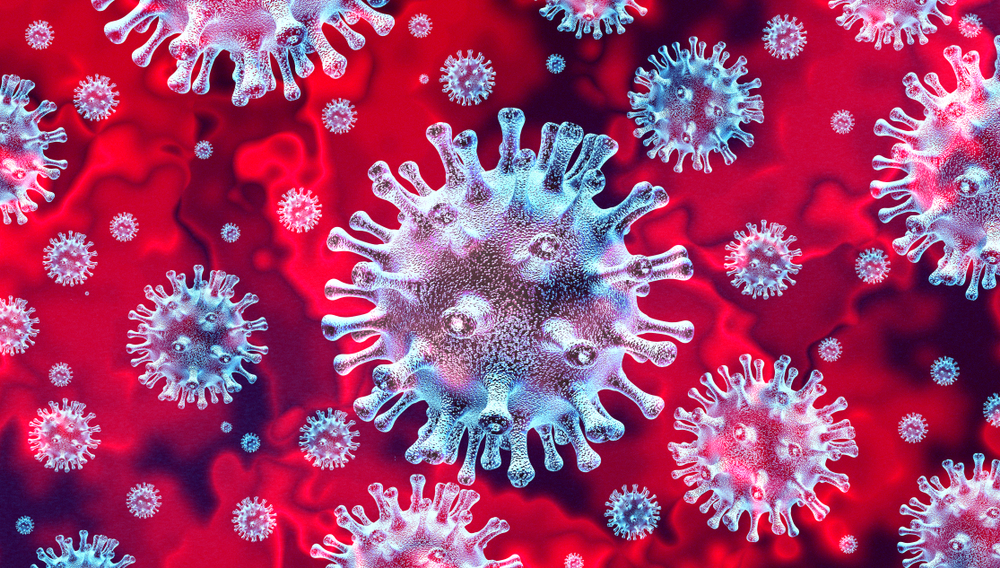
COVID-19 is caused by SARS-CoV-2, a coronavirus identified after a cluster of pneumonia-like illnesses emerged in late 2019. Early in 2020, the world quickly learned a difficult lesson: respiratory viruses do not need passports, boarding passes, or permission from border agents. As international travel continued, infections spread beyond the first known outbreak area, and public health agencies began tracking cases, issuing guidance, and preparing for what soon became a global emergency.
One of the most important early moments came when scientists shared the genetic sequence of the virus. That single act was like giving researchers the villain’s fingerprint. Once scientists could see the virus’s genetic blueprint, they could begin designing diagnostic tests, studying transmission, and developing vaccine candidates. In the old days, vaccine development often took many years. In the COVID-19 era, the clock was not politely ticking; it was banging pots and pans in the kitchen.
On March 11, 2020, the World Health Organization characterized COVID-19 as a pandemic. By then, the virus had already crossed continents, health systems were bracing for surges, and ordinary life was changing at astonishing speed. Offices emptied. Schools moved online. Restaurants became takeout windows. Family gatherings turned into video calls where at least one uncle forgot to unmute himself.
Public Health: The First Shield Against COVID-19
Before vaccines and treatments became widely available, the first defense was public health. That meant testing, isolation, contact tracing, masking, ventilation, distancing, hygiene, and clear communication. None of these tools was perfect. Together, they worked like layers of Swiss cheese: each layer had holes, but stacking them reduced the chance that the virus could pass straight through.
Testing and Contact Tracing
Testing became one of the earliest battlegrounds. Health officials needed to know who was infected, where outbreaks were growing, and how quickly the virus was spreading. Polymerase chain reaction tests, better known as PCR tests, became a gold standard for detecting infection. Rapid antigen tests later gave households, schools, and workplaces faster answers, even if they were generally less sensitive than lab-based testing.
Contact tracing also played a vital role, especially early in outbreaks. The concept was simple: identify infected people, notify those exposed, and break chains of transmission. The practice was much harder. A virus that can spread before symptoms appear is a sneaky opponent. It is the epidemiological version of someone eating your leftovers and putting the empty container back in the fridge.
Masks, Ventilation, and Behavior Change
Masks became one of the most visible symbols of the pandemic. They also became one of the most debated. Still, the basic public health logic was straightforward: SARS-CoV-2 spreads mainly through respiratory particles, so reducing the amount of virus released into shared air can lower risk. Over time, more attention also turned to ventilation, filtration, and outdoor gatherings. People learned that “air quality” was not just something mentioned by weather apps in wildfire season; it was central to infectious disease prevention.
The social challenge was enormous. Public health depends on trust, and trust can be fragile. Guidance changed as scientists learned more, which is normal in a fast-moving emergency but confusing for the public. The pandemic reminded everyone that communication is not a side dish in health crises. It is the main course.
The Vaccine Race: Science at Full Throttle
The development of COVID-19 vaccines was one of the defining achievements of the pandemic response. The speed shocked many people, but it did not come from magic or corner-cutting. It came from decades of prior research, huge public investment, global urgency, overlapping trial phases where appropriate, fast manufacturing scale-up, and rapid regulatory review.
Why mRNA Vaccines Moved So Quickly
Messenger RNA, or mRNA, vaccine technology had been studied long before COVID-19. Researchers had spent years learning how to use mRNA to instruct cells to make a harmless piece of a virus, triggering an immune response. When SARS-CoV-2 arrived, scientists did not have to invent the entire platform from scratch. They had a platform ready for a target.
Think of it like having a high-tech printer. The printer already exists; the urgent task is designing the correct file. For COVID-19, that “file” taught the immune system to recognize the spike protein, a key structure the virus uses to enter human cells. This helped the body prepare defenses without requiring a person to get sick first.
Operation Warp Speed and Public-Private Collaboration
In the United States, Operation Warp Speed helped accelerate vaccine development, manufacturing, and distribution. The idea was to reduce financial risk for companies and prepare manufacturing capacity before final authorization. Normally, companies wait for results before building large-scale supply. During the pandemic, waiting would have cost time, and time was measured in hospital beds, deaths, and economic damage.
Regulators still required evidence. Large clinical trials evaluated safety and effectiveness. Advisory committees reviewed data. After authorization and approval, monitoring continued through safety surveillance systems. The process was fast, but speed alone was not the achievement. The achievement was speed with scientific structure.
The Treatment Race: From Guesswork to Better Tools
At the beginning of the pandemic, doctors faced a frightening situation: a new disease, severely ill patients, and limited evidence about what worked. Early treatment often relied on supportive care, oxygen, ventilators, and clinical judgment. Some ideas looked promising and then failed under careful testing. Others became useful tools.
Learning What Helpedand What Did Not
One of the most important lessons was that COVID-19 is not only a viral infection; in severe cases, it can also trigger harmful inflammation, blood clotting problems, and multi-organ stress. That meant treatment had to match the stage of disease. Antivirals are most useful early, when the virus is actively multiplying. Anti-inflammatory treatments may matter more later, when the immune response itself becomes dangerous.
Remdesivir became the first FDA-approved treatment for COVID-19. Later, oral antivirals such as Paxlovid gave high-risk patients an option that could be taken outside the hospital, especially when started soon after symptoms began. Corticosteroids such as dexamethasone became important for certain hospitalized patients needing oxygen. Monoclonal antibodies had moments of success, but variants often reduced their effectiveness, showing how quickly the virus could change the scoreboard.
Clinical Trials Became a Battlefield
The pandemic also changed how clinical trials were organized. Researchers had to move quickly, but speed without rigor can create confusion. Large coordinated studies helped identify effective treatments and discard ineffective ones. That mattered because during a crisis, weak evidence can spread almost as fast as a virus. A treatment rumor can run around the world before a randomized trial has put on its shoes.
Data Dashboards: The Pandemic’s Nervous System
Another key part of the race was data. The public became familiar with dashboards tracking cases, hospitalizations, deaths, test positivity, and vaccination rates. Johns Hopkins University’s COVID-19 dashboard became one of the most recognized public data tools of the pandemic, helping journalists, researchers, governments, and citizens understand the spread of the virus.
Data did not solve everything, but it gave decision-makers a map. Without reliable data, communities were driving through fog with no headlights. With data, they could see surges forming, hospitals filling, and vaccination campaigns progressing. The pandemic proved that public health infrastructure is not just hospitals and laboratories. It is also databases, reporting systems, local health departments, and people who know how to turn messy information into useful signals.
The Human Cost Behind the Race
No honest article about conquering COVID-19 can focus only on scientific success. The human cost was enormous. Families lost loved ones. Health care workers endured trauma and burnout. Many people delayed medical care. Children missed classroom time. Small businesses struggled. Older adults and medically vulnerable people faced prolonged isolation. Millions experienced grief, anxiety, financial stress, or lingering symptoms after infection.
Long COVID Changed the Finish Line
Long COVID made it clear that surviving infection was not always the end of the story. Some people developed persistent fatigue, brain fog, shortness of breath, dizziness, sleep problems, chest discomfort, or worsening symptoms after exertion. The condition varied widely and challenged both patients and clinicians. It also complicated the idea of “conquering” the pandemic. Reducing deaths mattered deeply, but so did preventing long-term disability.
Research into Long COVID continues to shape how scientists understand immune responses, viral persistence, inflammation, and post-infectious syndromes. The experience has pushed medicine to take lingering symptoms more seriously. It has also reminded everyone that a virus can leave footprints long after the acute infection ends.
Variants: The Virus Refused to Stand Still
Just when vaccines, tests, and treatments improved, SARS-CoV-2 kept evolving. Variants such as Alpha, Delta, and Omicron changed the pandemic’s direction. Some spread more easily. Some partially evaded immune protection. Each major variant forced scientists and health officials to reassess risk, update guidance, and adapt vaccines and treatments.
This was one of the most frustrating parts of the race. Humanity was not running against a stationary target. The virus was mutating, and sometimes it felt like the finish line had packed a suitcase and moved to another zip code. Still, prior immunity from vaccination and infection helped reduce severe outcomes for many people, especially when boosters and updated vaccines matched circulating strains more closely.
What Went Right in the COVID-19 Response
Despite the pain and confusion, several things went remarkably right. Scientists shared data at unprecedented speed. Vaccine platforms proved adaptable. Regulators reviewed evidence quickly. Hospitals developed better treatment protocols. Public health teams built testing and vaccination sites in parking lots, stadiums, pharmacies, schools, churches, and community centers. Pharmacies became front-line vaccination hubs. Local volunteers helped older neighbors book appointments. Delivery workers kept households supplied. Teachers reinvented classrooms overnight, often with the calm facial expression of someone whose laptop was one frozen screen away from a dramatic monologue.
The pandemic also accelerated public understanding of epidemiology. Terms like “flatten the curve,” “herd immunity,” “variant,” “viral load,” and “test positivity” entered everyday conversation. Not everyone used the terms correctly, of course. But the public became more aware of how infectious diseases move through populations and why prevention is a shared responsibility.
What Went Wrongand Why It Matters
The race to conquer COVID-19 also exposed serious weaknesses. Many countries lacked adequate stockpiles of protective equipment. Testing systems were not ready at scale. Nursing homes and long-term care facilities were hit hard. Health disparities became painfully visible, with communities of color, low-income workers, essential workers, older adults, and people with chronic conditions often facing greater risk.
Misinformation created another crisis inside the crisis. False claims about prevention, treatments, vaccines, and public health measures spread across social platforms. Some misinformation was accidental, shared by confused people trying to help. Some was deliberate. Either way, it made the response harder. In a pandemic, bad information is not just annoying; it can be dangerous.
The experience also revealed how difficult it is to balance health, economics, education, mental well-being, and civil liberties during an emergency. There were no painless choices. Every policy carried trade-offs. The lesson is not that public health should ignore social consequences. The lesson is that societies need better preparation, clearer communication, stronger safety nets, and more trust before the next crisis arrives.
Lessons for the Next Pandemic
The COVID-19 pandemic will not be the last major infectious disease threat. The next outbreak may involve a different virus, a different route of transmission, or a different level of severity. The best time to prepare is not when emergency rooms are overflowing. It is now.
Invest Before the Emergency
Preparedness is not glamorous. Nobody throws a parade for a well-funded disease surveillance system. But when a new pathogen appears, early detection can save lives. Investment in laboratories, genomic sequencing, local health departments, hospital readiness, stockpiles, and global reporting networks is essential.
Build Trust Before Asking for Sacrifice
Public trust cannot be manufactured overnight. Communities are more likely to follow guidance when they believe leaders are honest, competent, transparent, and willing to admit uncertainty. Clear communication should explain not only what people should do, but why it matters.
Keep Science Global
Viruses spread globally, so science must respond globally. Sharing data, samples, research findings, and manufacturing capacity can speed up solutions. Vaccine equity is not only a moral issue; it is a practical one. Uncontrolled spread anywhere can increase risk everywhere.
Personal and Community Experiences from the COVID-19 Race
The race to conquer the COVID-19 pandemic was not only fought in laboratories and hospitals. It was lived in kitchens, bedrooms, apartment balconies, grocery aisles, and group chats with names like “Family Updates” that suddenly became breaking-news networks. One of the most powerful experiences of the pandemic was realizing how connected ordinary choices could be. Wearing a mask, postponing a dinner, getting tested before visiting a grandparent, or staying home with a sore throat became small acts of community protection.
Many people remember the early uncertainty most vividly. A simple cough could trigger a full detective investigation: Was it allergies? Was it COVID-19? Was it the dust from finally cleaning the closet after three years? People learned to read symptoms, check exposure dates, and calculate quarantine periods with the seriousness of accountants during tax season. Families created routines around disinfecting surfaces, washing hands, and leaving shoes by the door. Some habits were more useful than others, but they reflected a shared desire to regain control in a frightening time.
Health care workers carried some of the heaviest experiences. Doctors and nurses treated waves of patients while scientific understanding was still developing. Many worked long shifts in protective equipment, comforted patients separated from families, and made difficult decisions under pressure. Respiratory therapists, laboratory staff, pharmacists, cleaners, ambulance teams, and hospital food service workers all became part of the response. The word “essential” became more than a label; it became a public acknowledgment that society depends on people whose work is often overlooked.
Parents and teachers lived another version of the race. Remote learning turned homes into classrooms, offices, cafeterias, and occasional tech-support centers. Children adapted in creative ways, but many struggled with isolation and disrupted routines. Teachers redesigned lessons for screens, managed virtual classrooms, and tried to keep students engaged while everyone’s internet connection behaved like it had personal problems. The experience showed that schools are not just places for academics. They provide meals, social development, emotional support, structure, and safety.
Small businesses also faced painful uncertainty. Restaurants built outdoor seating almost overnight. Shops shifted to online ordering. Gyms streamed workouts. Barbers, stylists, musicians, event planners, and service workers navigated restrictions and changing customer behavior. Some businesses survived through creativity and community support; others did not. The economic side of the pandemic was not separate from the health crisis. It was woven into every decision about closures, reopening, worker safety, and consumer confidence.
There were also moments of unexpected kindness. Neighbors delivered groceries to older residents. Volunteers helped people schedule vaccine appointments. People sewed masks, donated meals to hospital teams, checked on friends, and celebrated birthdays through windows or video calls. These gestures did not erase the losses, but they mattered. They showed that resilience is not always loud. Sometimes it looks like leaving soup at someone’s door.
For many, vaccination was an emotional milestone. People described relief, gratitude, nervousness, and even tears after receiving a first dose. Vaccine sites felt like strange mixtures of clinic, airport security line, and community festival. There were clipboards, folding chairs, observation areas, and volunteers pointing people in the right direction with the confidence of traffic controllers. The moment represented more than personal protection. It symbolized the possibility of returning to weddings, classrooms, travel, hugs, and ordinary life.
The long-term experience of COVID-19 is still unfolding. Some people moved on quickly; others continue to live with grief, Long COVID, financial damage, or changed priorities. Many workers reconsidered their careers. Families rethought where they lived. People became more aware of mental health, immune vulnerability, and the importance of paid sick leave. The pandemic did not affect everyone equally, and that inequality remains one of its most important lessons.
Inside the race to conquer the COVID-19 pandemic, the most meaningful discovery may be this: science can move fast, but society must move together. Vaccines, antivirals, dashboards, and hospital protocols are powerful tools. Yet the human sidetrust, compassion, responsibility, patience, and humilitydetermines how well those tools are used. The pandemic was a test of biology, but it was also a test of community. We did not pass every part perfectly. Still, we learned, adapted, and built knowledge that can help us face the next threat with clearer eyes and, hopefully, cleaner hands.
Conclusion: The Race Is Not Over, But We Are Wiser
The race to conquer the COVID-19 pandemic was one of the most intense scientific and social efforts of our time. It produced vaccines in record time, improved treatments, expanded public health tools, and revealed the power of global collaboration. It also exposed weaknesses in preparedness, communication, equity, and trust.
Conquering COVID-19 does not mean pretending the virus disappeared. It means reducing severe disease, protecting vulnerable people, improving treatments, studying Long COVID, updating vaccines when needed, and building stronger systems for the future. The pandemic changed the world, but it also proved something important: when science, public health, medicine, and communities work together, humanity can respond with remarkable speed.
And if the next pandemic comes, may we bring better ventilation, better data, better trust, and perhaps slightly less panic-buying of toilet paper.