Note: This article is for educational purposes only. It can help readers understand the anxiety and anger connection, but it is not a diagnosis or a substitute for care from a licensed mental health professional.
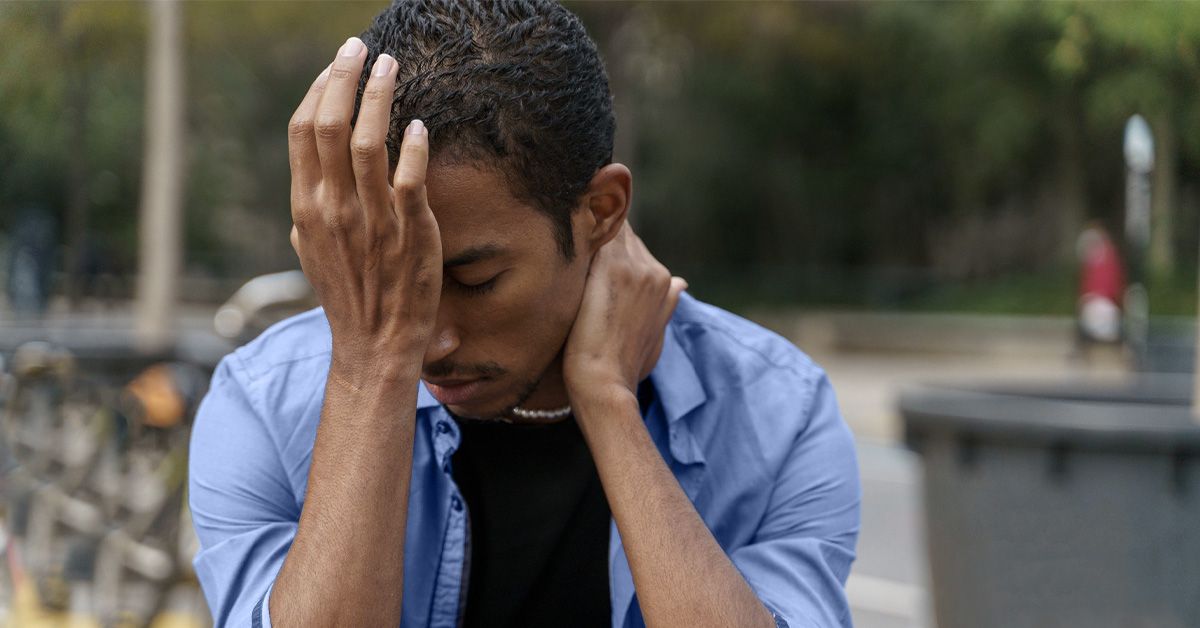
Anxiety and anger may look like emotional opposites at first glance. Anxiety whispers, “What if everything goes wrong?” Anger shouts, “Why is everything going wrong?” One wears a nervous sweater; the other kicks the emotional door open. But under the surface, these two feelings often share the same engine: the body’s stress response.
So, is there a link between anxiety and anger? Yes. Anxiety can fuel anger, anger can intensify anxiety, and both can be signs that your nervous system is stuck on high alert. When your brain senses danger, even if the “danger” is an overflowing inbox or a family group chat with 47 unread messages, it prepares you to protect yourself. Sometimes that protection looks like worry. Sometimes it looks like irritability, snapping, defensiveness, or full-volume frustration over a missing phone charger.
The good news is that anxiety-related anger is not a personality flaw. It is a signal. And when you learn how to read that signal, you can respond with more control, less shame, and fewer apologies that begin with, “Sorry I turned into a thunderstorm over the dishwasher.”
The Short Answer: Anxiety and Anger Are Closely Connected
Anxiety is usually linked to worry, fear, tension, and a sense of threat. Anger is commonly linked to frustration, unfairness, blocked goals, or feeling attacked. But both emotions can activate the same fight-or-flight system. That means they can produce similar physical symptoms: a racing heart, tight chest, tense muscles, shallow breathing, restlessness, sweating, trembling, and trouble thinking clearly.
When anxiety builds, your brain may decide that the fastest way to regain control is to fight back. That “fight” may not mean physical aggression. It may mean arguing, criticizing, shutting people down, becoming sarcastic, raising your voice, or feeling irritated by noises that did not bother you yesterday. Suddenly, the person chewing chips nearby is not just eating a snack; they are apparently auditioning to become your villain origin story.
This is why anxiety and anger often travel together. Anxiety says, “I am not safe.” Anger says, “I need to do something about it.”
Why Anxiety Can Turn Into Anger
1. Anxiety Overloads the Nervous System
Anxiety keeps the body on alert. In small doses, that can be useful. It can help you prepare for a presentation, double-check an important form, or notice a genuine threat. But when anxiety becomes constant, the body does not get enough time to recover. The result is emotional overload.
Think of your nervous system like a phone battery. A little stress drains it. Poor sleep drains it. Too much caffeine drains it. Conflict, money worries, deadlines, health concerns, and uncertainty drain it too. When your battery hits 3%, even a small inconvenience can feel enormous. That is when anger can pop out quickly, not because the situation is truly catastrophic, but because your system is already running on fumes.
2. Anger Can Feel More Powerful Than Fear
Anxiety can make people feel vulnerable, uncertain, or out of control. Anger, on the other hand, can feel energizing. It gives the illusion of strength. For some people, anger becomes a cover emotion that hides fear underneath.
For example, a person worried about being rejected may act cold or defensive. Someone anxious about being late may yell at traffic. A parent afraid their child will fail may sound harsh instead of concerned. In each case, anger is not the whole story. It is the visible smoke; anxiety may be the fire underneath.
3. Anxiety Narrows Your Thinking
When anxiety is intense, the brain prioritizes survival over nuance. That makes sense if you are facing an actual emergency. It is less helpful when you are trying to calmly answer an email from your boss. Anxiety can make neutral situations seem threatening, and anger can rush in as a protective reaction.
Instead of thinking, “My friend is probably busy,” anxiety may think, “They are ignoring me.” Anger then adds, “Fine, I will ignore them too.” Congratulations: your brain just turned a delayed text into a three-act drama.
Common Signs That Anxiety Is Hiding Behind Anger
Anxiety-related anger does not always look dramatic. Sometimes it appears as low-level irritability that follows you around like an unpaid intern. Here are common signs:
- You snap at people when you feel rushed, pressured, or uncertain.
- You get angry after overthinking something for hours.
- You feel tense, restless, or on edge before an angry reaction.
- You regret what you said once your body calms down.
- You avoid difficult conversations, then explode later.
- You become controlling when things feel unpredictable.
- You feel guilty or embarrassed after lashing out.
- Your anger is strongest when you feel judged, trapped, ignored, or unsafe.
These signs do not mean every angry moment is anxiety. Anger can be a healthy response to disrespect, injustice, crossed boundaries, or real harm. The key question is whether your reaction matches the situation. If the emotional volume is much louder than the event, anxiety may be turning the amplifier up.
Anxiety vs. Anger: What Is the Difference?
Anxiety and anger overlap, but they are not identical. Anxiety is often future-focused. It worries about what might happen: “What if I fail?” “What if they leave?” “What if I cannot handle this?” Anger is usually more immediate. It reacts to a perceived problem: “This is unfair.” “You are not listening.” “Something is blocking me.”
Anxiety often leads to avoidance. Anger often leads to confrontation. Anxiety may make you hide from the problem; anger may make you charge at it wearing emotional boxing gloves. But both can come from the same basic need: safety, control, respect, connection, or relief.
Understanding the difference matters because the solution changes. If you only treat the anger, you may miss the anxiety underneath. If you only treat the anxiety, you may ignore valid boundaries that need to be expressed. Healthy emotional regulation means asking, “What am I really feeling, and what does this feeling need from me?”
What Causes the Anxiety-Anger Loop?
Stress and Burnout
Chronic stress is one of the most common bridges between anxiety and anger. When people are overworked, underslept, financially strained, caregiving, grieving, or living in constant uncertainty, their emotional tolerance shrinks. The brain has less room for patience. That is why burnout can make even kind people sound like they have been possessed by a very tired raccoon.
Poor Sleep
Sleep affects emotional control. When you do not sleep enough, your brain has a harder time regulating fear, frustration, and impulse reactions. Anxiety can also cause insomnia, creating a loop: worry ruins sleep, poor sleep increases irritability, irritability causes conflict, and conflict gives anxiety fresh material to chew on at 2:13 a.m.
Perfectionism
Perfectionism often hides anxiety. If you believe mistakes are dangerous, embarrassing, or unacceptable, you may become angry when life gets messy. A late delivery, a typo, a changed plan, or someone else’s different opinion can feel like a threat to control. The anger may be loud, but the fear underneath often says, “If this goes wrong, I will not be okay.”
Trauma and Past Experiences
People who have experienced trauma may become highly sensitive to signs of danger, rejection, conflict, or loss of control. Their anger may appear sudden, but the nervous system may be reacting to old patterns. This does not excuse harmful behavior, but it can explain why certain triggers feel so intense.
Communication Habits
Some people grew up in homes where anger was the only emotion that received attention. Others learned to suppress fear, sadness, or vulnerability. Over time, anger can become the default language for distress. Learning new emotional vocabulary can feel awkward at first, like trying to text with oven mitts, but it gets easier with practice.
Specific Examples of Anxiety Turning Into Anger
The Deadline Blowup
Imagine someone has a big project due Friday. They are anxious all week but say, “I am fine.” By Thursday night, their shoulders are tight, their thoughts are racing, and their patience has moved to another country. A partner asks a simple question: “What do you want for dinner?” The anxious person snaps, “I do not care! Why do I have to decide everything?” The real issue is not dinner. The real issue is pressure, fear of failure, and emotional overload.
The Social Anxiety Defense
A person feels anxious before a party. They worry they will be awkward or judged. Instead of saying, “I am nervous,” they criticize the event, complain about the people going, or get irritated with their partner for taking too long to get ready. Anger gives them a reason to avoid the situation without admitting fear.
The Parenting Trigger
A parent is worried about their child’s grades. The fear is loving: “I want my child to be okay.” But the delivery becomes anger: “Why are you so careless?” The child hears criticism, not concern. A calmer version might be, “I am worried because school seems stressful right now. Let’s figure out what support would help.” Same concern, completely different emotional weather.
How to Manage Anxiety-Related Anger
1. Pause Before You Explain
When anger spikes, the first goal is not to win the argument. The first goal is to lower the body’s alarm level. Try saying, “I need a minute. I want to respond better than I feel right now.” This short pause can prevent a ten-second reaction from becoming a ten-day problem.
2. Name the Emotion Under the Anger
Ask yourself: “Am I scared, overwhelmed, embarrassed, hurt, rushed, uncertain, or exhausted?” Naming the deeper emotion does not make you weak. It makes you accurate. And accuracy is emotional power.
3. Use the Body to Calm the Brain
Anxiety and anger both live in the body. Slow breathing, unclenching your jaw, lowering your shoulders, walking, stretching, drinking water, or stepping outside can help tell your nervous system that the emergency may not be an emergency after all.
4. Challenge the Threat Story
Anxiety often writes dramatic scripts. “They do not care.” “I will fail.” “This will ruin everything.” Before reacting, ask: “What else could be true?” Maybe the person is tired. Maybe the mistake is fixable. Maybe the situation is annoying, not dangerous. This tiny question can create a gap between feeling and behavior.
5. Communicate the Need, Not the Explosion
Anger often points to a need. Try translating the anger into a clear request. Instead of “You never help,” try “I am overwhelmed and need help with the dishes tonight.” Instead of “Stop bothering me,” try “I need twenty quiet minutes before we talk.” Direct beats dramatic almost every time.
6. Track Patterns
Keep a simple anger-anxiety log for one week. Write down what happened, what you felt in your body, what thought appeared, how you reacted, and what you needed. Patterns may emerge quickly. You may discover that your anger shows up most when you are hungry, overstimulated, running late, afraid of criticism, or trying to control uncertainty.
7. Consider Therapy
Cognitive behavioral therapy, exposure-based therapy, mindfulness-based approaches, dialectical behavior therapy skills, and anger management strategies can all help people understand triggers and build better responses. Therapy is not only for crisis moments. It is also for learning how to stop handing the microphone to your nervous system every time it panics.
When Should You Seek Professional Help?
Consider reaching out to a mental health professional if anxiety or anger is harming relationships, work, school, parenting, sleep, health, or daily functioning. It is especially important to seek help if anger leads to threats, intimidation, physical aggression, self-harm thoughts, substance misuse, panic attacks, or feeling out of control.
Professional support can help identify whether symptoms are related to generalized anxiety disorder, panic disorder, social anxiety, trauma, depression, ADHD, obsessive-compulsive patterns, or another concern. The label matters less than getting the right support. You do not have to wait until your life is on fire to learn how to use a fire extinguisher.
Experiences Related to Anxiety and Anger
Many people describe anxiety-related anger as confusing because it does not always feel like fear. It feels like being annoyed by everything at once. A person may wake up already tense, check their phone, see too many messages, and feel their jaw tighten before breakfast. Nothing “big” has happened, but the body is already bracing. By the time a coworker asks for a small favor, the reaction comes out sharper than intended. Later, when the nervous system cools down, guilt arrives with a clipboard: “Why did I say it like that?”
Another common experience is the anger that appears when plans change. Someone with anxiety may rely on structure to feel safe. When a meeting is moved, a friend cancels, traffic adds twenty minutes, or a family member changes dinner plans, the anxious brain may interpret the change as chaos. The person may sound controlling or rigid, but inside they may be fighting a wave of uncertainty. Their anger says, “Why did you change this?” Their anxiety says, “I do not know how to feel okay without the plan.”
Relationships often reveal the anxiety and anger connection most clearly. A partner who fears abandonment may become angry when texts are not answered quickly. A person who worries about being criticized may become defensive during simple feedback. A friend who feels socially anxious may cancel plans, then act irritated when asked about it. These reactions can confuse loved ones because the anger looks like rejection, when it may actually be fear wearing a louder outfit.
Parents also report this pattern. A parent may feel anxious about safety, school performance, screen time, health, or the future. Because love raises the stakes, worry can quickly become intensity. A child forgets homework, and the parent hears a mental alarm: “What if this becomes a habit? What if they struggle? What if I am failing them?” The response may come out as yelling, even though the deeper feeling is concern. When parents learn to pause and say, “I am worried, and I want to help,” the whole conversation changes.
At work, anxiety-related anger can show up as impatience, micromanaging, or frustration with slow replies. A person may fear missing a deadline, disappointing a boss, or looking incompetent. Instead of asking for clarity, they may become curt. Instead of admitting overwhelm, they may criticize others. The workplace rewards competence, so people often hide anxiety behind control. Unfortunately, control can look like anger when stress is high.
Some people experience anxiety and anger internally rather than outwardly. They do not yell. They replay conversations, criticize themselves, clench their muscles, or silently resent others. This quiet anger still matters. It can lead to headaches, fatigue, emotional distance, and sudden blowups after weeks of “I am fine.” Spoiler: when someone says “I am fine” through clenched teeth, fine has left the building.
The turning point for many people is realizing that anger is information, not an identity. You are not “an angry person” simply because anxiety sometimes hijacks your reaction. You are a person with a nervous system, triggers, habits, and needs. With practice, the experience can shift from “I exploded again” to “I noticed the warning signs earlier.” That shift is powerful. It creates room for repair, better communication, and more self-respect.
Conclusion: Anxiety and Anger Can Be Teammates, But You Can Coach the Team
There is a real link between anxiety and anger. Both emotions can come from the body’s threat system, both can create intense physical symptoms, and both can push people toward reactions they later regret. Anxiety may appear as irritability, defensiveness, control, criticism, or sudden anger, especially when stress, poor sleep, perfectionism, trauma, or uncertainty are involved.
But the link between anxiety and anger is also an opportunity. Once you understand that anger may be protecting fear, overwhelm, or vulnerability, you can respond more skillfully. You can pause, breathe, name the deeper emotion, challenge the threat story, and communicate what you actually need. You can also seek professional help when patterns feel too big to manage alone.
Anxiety may push the alarm button. Anger may grab the megaphone. But with awareness and practice, you can become the calm person in the control room who says, “Thank you, emotional security team. I will take it from here.”
SEO Tags