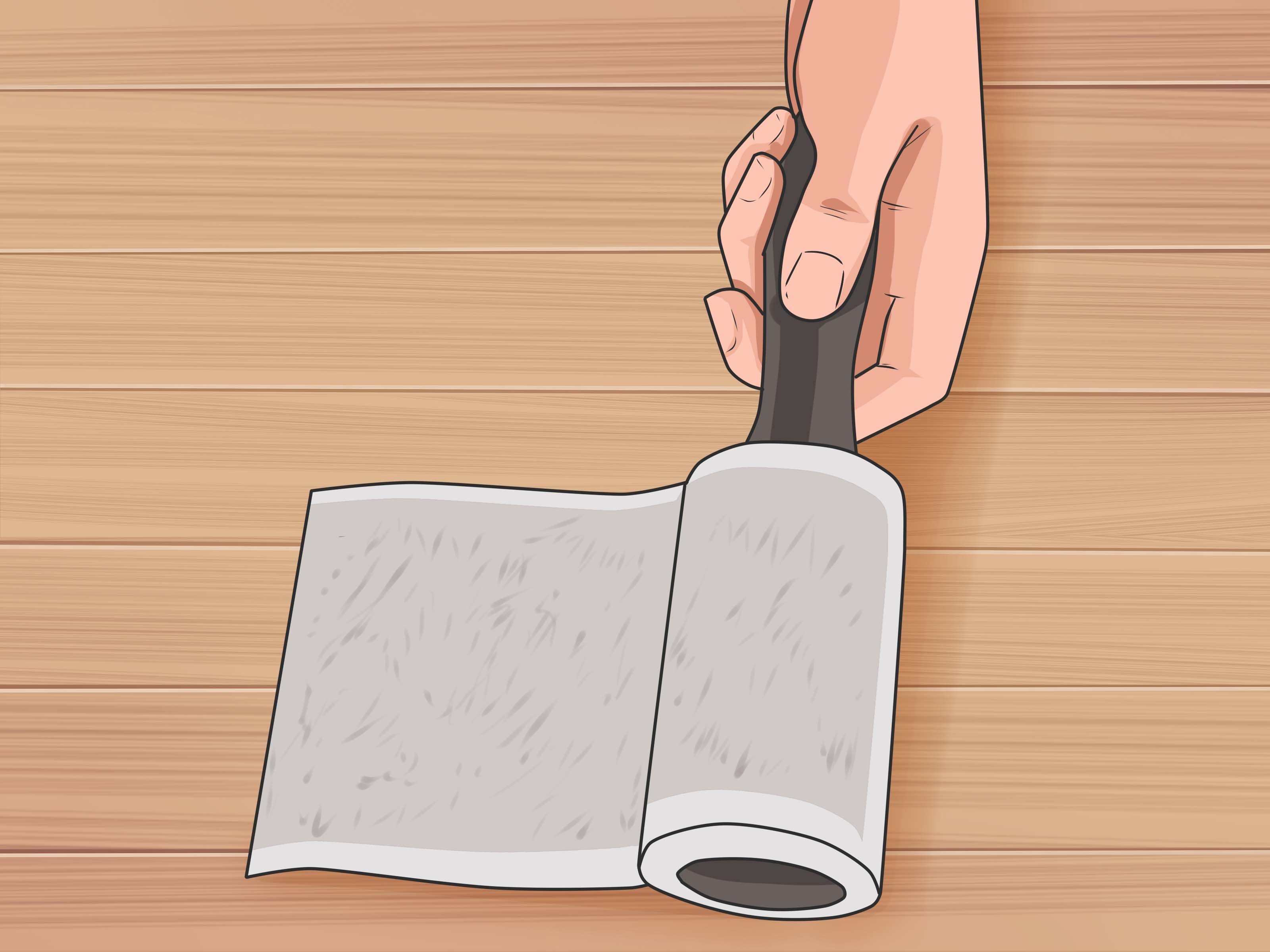
You started keto for the energy, the weight-loss momentum, or the chance to finally stop thinking about pastries every afternoon. Then your hairbrush began looking suspiciously productive. Seeing more hair in the shower can be unsettling, but keto hair loss is often temporaryand it is not always the ketogenic diet itself that deserves all the blame.
In many cases, increased shedding happens because the body is reacting to rapid weight loss, a major dietary change, not enough total food, or missed nutrients. Think of it as your body sending a slightly dramatic memo: “We are adapting to a lot right now. Hair production may not be the top priority.”
The good news is that many people can reduce shedding and support regrowth by adjusting their eating pattern, slowing down aggressive weight-loss efforts, and ruling out other medical causes. Here is what may be behind keto hair lossand what to do before your ponytail starts filing a formal complaint.
Is Keto Hair Loss Real?
Hair shedding while following keto can be real, but keto is not automatically the direct cause. A ketogenic diet is very low in carbohydrates and generally higher in fat, with a moderate amount of protein. For some people, changing eating patterns this dramatically can lead to quick weight loss, lower calorie intake, digestive changes, and a narrower range of foods.
Those changes can affect the hair-growth cycle. Hair normally rotates through growth, transition, rest, and shedding stages. When the body experiences physical stress, emotional stress, illness, major weight loss, or nutritional shortfalls, more hairs can shift into the resting phase at once. A few months later, those hairs may shed noticeably. This temporary pattern is often called telogen effluvium.
That timing matters. Someone may begin keto in January, feel great in February, and notice more hair in March or April. The delayed shedding can make the situation feel mysterious, but hair follicles are not always fast communicators. They tend to send their updates several weeks after the fact.
4 Potential Causes of Keto Hair Loss
1. Rapid Weight Loss Can Shock the Hair Growth Cycle
Rapid weight loss is one of the most common explanations for temporary hair shedding during keto. When your body loses weight quickly, it may interpret the change as physical stresseven if you are thrilled that your jeans suddenly fit again.
Your body has a practical survival order: keeping organs functioning comes before producing glossy, shampoo-commercial hair. If calories drop sharply or weight falls quickly, your body may direct energy away from nonessential tasks, including active hair growth.
This does not mean weight loss is bad or that every person on keto will lose hair. It simply means the speed and intensity of the change can matter. The more extreme the diet becomes, the more likely your body is to respond with side effects such as fatigue, irritability, poor workout recovery, missed periods, brittle nails, or increased shedding.
What helps: Avoid treating keto like a race. A sustainable eating pattern is more likely to support both your long-term weight goals and your hair. If your weight is dropping very quickly, consider discussing a slower approach with a registered dietitian or healthcare professional.
2. You May Not Be Eating Enough Protein
People often assume keto automatically means high protein, but classic keto is actually high fat, low carb, and only moderate in protein. That distinction matters. A plate loaded with butter, cheese, coffee, and coconut oil may technically be low in carbs, but it is not necessarily a strong hair-supporting meal plan.
Hair is largely made of keratin, a protein. Your body needs adequate dietary protein to maintain muscle, tissues, enzymes, immune function, and hair growth. When protein intake is too lowespecially during weight lossyour body may prioritize essential needs over maintaining a full, active hair-growth cycle.
This issue can sneak up on people who eat very small portions, rely heavily on keto snack foods, skip meals, or feel too full from dietary fat to eat enough nourishing food. It can also happen when someone uses keto as an excuse to eat “whatever has bacon on it” without considering overall nutrition.
What helps: Build meals around a reliable protein source first. Eggs, fish, poultry, lean meat, tofu, tempeh, plain Greek yogurt, cottage cheese, and low-carb protein-rich plant foods can all fit into many lower-carb plans. Then add non-starchy vegetables and fats for satisfaction rather than allowing fat to take over the entire plate like an overly enthusiastic party guest.
3. Nutrient Gaps Can Develop on a Restrictive Keto Plan
Any restrictive eating pattern can create nutrient gaps if it eliminates too many food groups or relies on a short list of repeat meals. Keto can limit fruit, legumes, whole grains, some vegetables, fortified foods, and dairy products depending on how it is structured.
Several nutrients play important roles in healthy tissues, metabolism, red blood cell production, and normal hair growth. These include iron, zinc, vitamin D, folate, vitamin B12, selenium, essential fatty acids, and adequate overall calories. A deficiency is not guaranteed just because someone follows keto, but the risk can increase when food variety disappears.
For example, someone who eats mainly cheese, processed meats, keto desserts, and coffee may be low in fiber and several micronutrients. Someone avoiding animal foods could struggle with vitamin B12 or iron intake. A person with heavy menstrual periods may have low iron stores regardless of diet, and keto may simply make the timing more noticeable.
What helps: Aim for a more colorful keto plate. Low-carb vegetables such as spinach, broccoli, asparagus, zucchini, mushrooms, bell peppers, kale, cauliflower, and green beans can provide valuable nutrients without blowing up a carbohydrate target. Nuts, seeds, avocado, seafood, eggs, and properly planned protein foods can also improve nutritional variety.
4. The Hair Loss May Have Another Cause Entirely
Not every case of hair shedding during keto is keto-related. Hair loss can be connected to genetics, thyroid conditions, iron deficiency, recent illness, childbirth, hormone changes, medication side effects, autoimmune disorders, scalp conditions, emotional stress, or pattern hair loss.
This is especially important if you notice bald patches, scalp pain, itching, flaking, widening of the hair part, receding temples, eyebrow loss, or shedding that continues for many months. Those signs deserve more than a random “hair growth gummy” and a pep talk from the internet.
Sometimes keto simply overlaps with another issue. A person may start keto during a stressful work period, after a viral illness, while changing medications, or while managing thyroid symptoms. The diet becomes the obvious suspect, but the real explanation may be more complicated.
What helps: See a board-certified dermatologist or healthcare professional if hair loss is sudden, severe, patchy, persistent, or accompanied by other symptoms. Blood work may help identify concerns such as iron deficiency, thyroid abnormalities, vitamin deficiencies, anemia, or other medical conditions.
How to Stop Keto Hair Loss or Reduce Shedding
Slow Down the Weight-Loss Sprint
If your weight loss has been rapid, consider whether your calorie deficit is too aggressive. Extreme restriction may get dramatic short-term results, but your hair, energy levels, mood, and workout performance may all send strongly worded feedback.
A gentler, more sustainable pace may allow your body to adapt without feeling like it has entered an emergency budget meeting. A healthcare professional or registered dietitian can help you find an approach that supports your specific goals, activity level, medical history, and nutrition needs.
Upgrade Your Keto Food Quality
Keto does not need to mean living on bacon, butter, and emotional support cheese. Prioritize whole-food sources of protein, vegetables, unsaturated fats, and minerals. A better keto day might include eggs with spinach, salmon with roasted zucchini, chicken with avocado salad, tofu stir-fry with low-carb vegetables, or Greek yogurt with chia seeds and a small portion of berries if it fits your plan.
The point is not perfection. The point is making your eating pattern nutritionally sturdy enough that your body has the building blocks it needs for more than simply surviving the afternoon.
Do Not Guess With Supplements
It is tempting to buy a giant bottle labeled “Hair, Skin & Nails” and declare the issue solved. Unfortunately, supplements are not harmless confetti. Taking too much of certain nutrients, including selenium or vitamin A, may worsen hair loss rather than improve it.
Biotin is another popular example. Biotin deficiency can affect hair and nails, but true deficiency is uncommon in many otherwise healthy adults. High-dose biotin products may also interfere with certain laboratory tests. Instead of taking a stack of supplements based on panic and an aggressively persuasive advertisement, ask a clinician whether testing is appropriate.
Protect Fragile Hair While It Recovers
Temporary shedding can make hair feel more delicate, even when the follicle itself is expected to recover. Use gentle shampooing and conditioning habits, minimize heat styling, avoid tight ponytails or braids, and be cautious with bleaching, chemical treatments, or harsh brushing.
Try a wide-tooth comb, a gentler detangling routine, and hairstyles that do not pull at the roots. Your hair does not need punishment because your macros got ambitious.
Manage the Stress You Can Control
Stress can contribute to shedding, and hair loss itself can create more stress. It is a rude little cycle. Supportive habits such as regular sleep, moderate exercise, hydration, adequate food intake, and stress-reduction routines can help create a more stable environment for recovery.
You do not need to meditate on a mountain at sunrise. A consistent bedtime, walks, lower-intensity workouts, and permission to stop obsessively checking the shower drain may be a perfectly reasonable start.
How Long Does Keto Hair Loss Last?
If the shedding is related to temporary telogen effluvium, it often improves after the trigger is addressed. Many people notice shedding for several months before it gradually slows. New growth can take longer to become visible because hair grows slowly, and the emotional timeline is usually much faster than the biological one.
Look for short, fine hairs around the hairline or part as a possible sign of regrowth. Keep in mind that regrowth does not instantly restore overall density. It is more like watching grass grow, except you care deeply about it and keep checking it in the bathroom mirror.
Persistent thinning, worsening hair loss, or visible scalp changes should be evaluated rather than ignored. Temporary shedding and pattern hair loss can sometimes occur at the same time, which is another reason a professional diagnosis can be valuable.
Frequently Asked Questions About Keto Hair Loss
Can keto cause permanent hair loss?
Temporary shedding related to weight loss, stress, or nutritional shortfalls is often reversible once the trigger is corrected. However, keto may overlap with inherited pattern hair loss, thyroid disease, autoimmune hair loss, or another medical condition that needs separate treatment.
Should I stop keto if my hair is falling out?
Not always, but hair shedding is worth taking seriously. Review your rate of weight loss, calorie intake, protein intake, food variety, stress level, and medical history. Some people may do well by adjusting keto into a less restrictive low-carb pattern. Others may decide that keto is not the best fit for their body or lifestyle.
Will eating more protein stop hair loss immediately?
Improving protein intake can be helpful when low intake is part of the problem, but hair recovery is not instant. The hair cycle works slowly, so visible improvement may take weeks or months.
Can collagen fix keto hair loss?
Collagen can contribute protein, but it should not replace a balanced diet or medical evaluation. Hair loss caused by rapid weight loss, iron deficiency, thyroid disease, hormonal changes, or autoimmune conditions will not necessarily improve because someone added collagen to coffee.
What Keto Hair Loss Often Feels Like: Common Experience Patterns
The following examples are illustrative patterns, not individual medical histories. They reflect situations many people recognize when hair shedding begins after a major dietary change.
The “Everything Was Going Great Until the Shower” Experience
One of the most common patterns begins with excitement. A person starts keto, loses weight quickly, has fewer cravings, and feels proud of sticking to a plan. Then, two or three months later, they notice more strands circling the shower drain. At first, they assume it is normal. Then they see hair on their pillow, in their brush, and somehow attached to every black sweater they own.
The frustrating part is that nothing may feel wrong in the moment. They may be eating what appears to be keto-friendly food and hitting their carbohydrate target. But a closer look often reveals that total calories are very low, protein is inconsistent, meals are skipped, or the rate of weight loss has been much faster than expected. The body may be adapting to a much bigger change than the person realizes.
The “Keto Snacks Count as Meals, Right?” Experience
Another familiar pattern involves a very processed version of keto. A person may rely on packaged keto bars, sugar-free treats, cheese crisps, coffee with added fats, and whatever can be eaten while answering emails. It is low-carb, technically speaking, but it may not provide enough protein, vegetables, minerals, or overall nutritional variety.
When shedding begins, the first instinct is often to buy a supplement. The more useful move is usually to examine the entire eating pattern. Replacing a few snack-based meals with real meals that include protein, vegetables, healthy fats, and more micronutrient-rich foods can make the diet feel less like a survival challenge and more like actual nourishment.
The “It Was Not Only the Diet” Experience
Sometimes keto gets blamed because it is the most obvious recent change, but several stressors may be happening at once. Someone may have started keto after recovering from an illness, changing jobs, ending a relationship, giving birth, training intensely, or sleeping poorly for months. Hair follicles are not excellent detectives. They do not always identify one culprit and leave a detailed report.
In these situations, the best approach is usually broad rather than blame-focused. Improve food quality, reduce excessive restriction, address sleep and stress, and speak with a healthcare professional when symptoms are significant. The answer may be a combination of factors rather than one dramatic villain wearing a keto cape.
The “I Took Every Supplement and Somehow Got More Confused” Experience
Hair loss can make people vulnerable to expensive promises. It is easy to end up with biotin, collagen, zinc, iron, multivitamins, gummies, powders, and a cabinet that looks like a tiny pharmacy. But more is not always better. Some supplements can interact with medications, interfere with lab testing, or create problems when taken in excessive amounts.
A more grounded experience usually involves testing when appropriate, reviewing medications and symptoms, and treating confirmed deficiencies rather than guessing. It may feel less exciting than a miracle gummy, but it is far more likely to lead to useful answers.
The “Slow Recovery Is Still Recovery” Experience
Even when the cause is identified and corrected, regrowth can test a person’s patience. Shedding may slow before fullness returns. New hairs may look short, fuzzy, or uneven. Styling may feel different for a while. This can be emotionally difficult, especially for people who have always connected hair with confidence or identity.
The encouraging part is that temporary shedding often improves once the body has enough energy, nutrients, and stability. Recovery tends to be gradual rather than dramatic. The goal is not to find a miracle overnight fix; it is to create the conditions that allow healthy hair growth to resume over time.
The Bottom Line on Keto Hair Loss
Keto hair loss can be alarming, but it is often a signal to slow down and look at the bigger picture. Rapid weight loss, inadequate protein, nutrient gaps, stress, and unrelated medical conditions can all contribute to increased shedding.
The most effective strategy is usually not a trendy supplement or a harsher version of the diet. It is a more sustainable approach: enough food, adequate protein, a wider variety of nutrient-dense choices, gentler weight loss, and professional evaluation when hair loss is severe or persistent.
Your hair may be sending an inconvenient message, but it is still useful information. Listen to it before your shower drain starts demanding its own social media account.