
Note: This article is written for web publishing and synthesizes real Dutch currant roll traditions, tested enriched-dough baking practices, and practical American home-kitchen measurements. Source links are intentionally omitted for a clean publishing format.
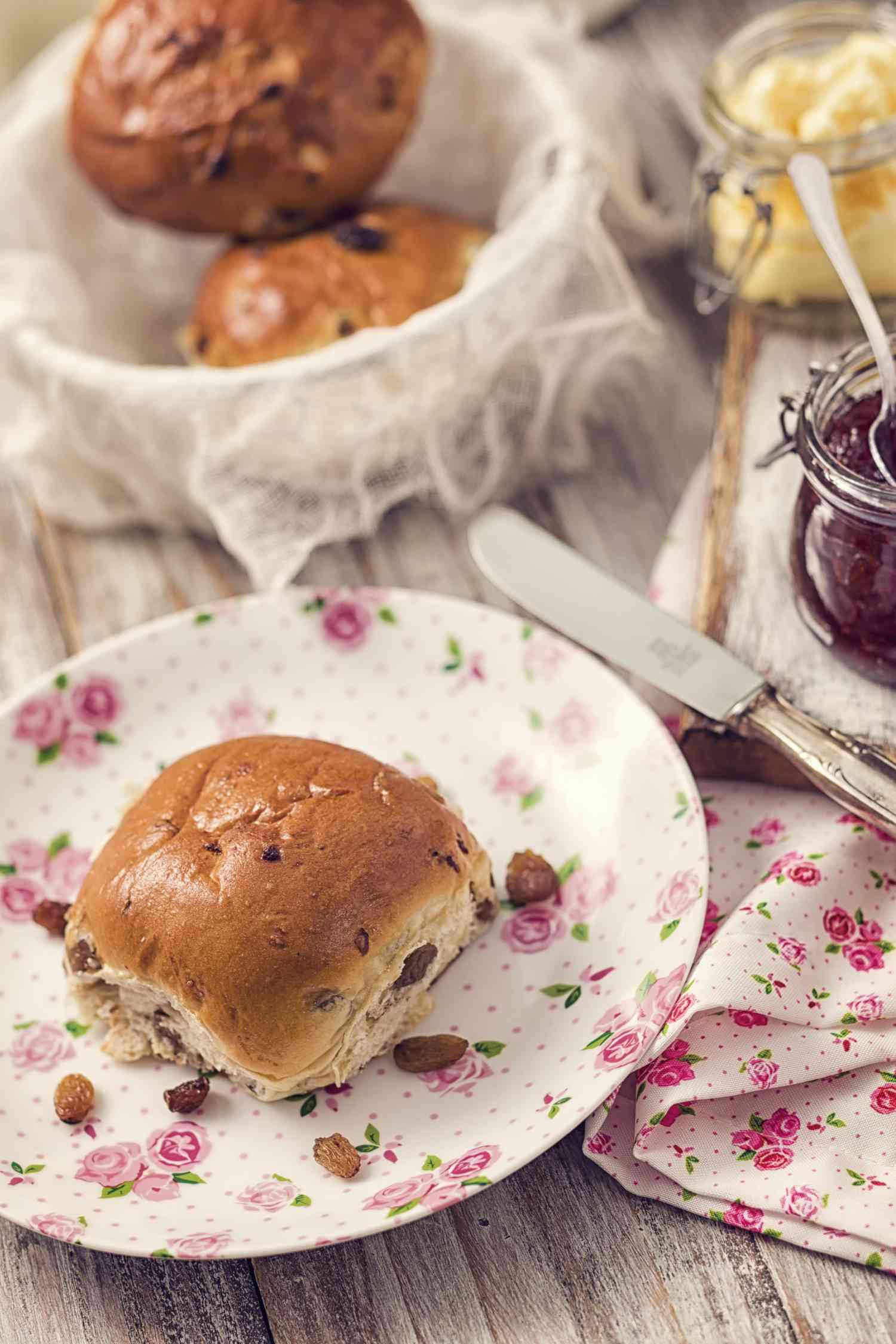
Krentenbollen, also known as Dutch currant rolls, are soft, lightly sweet yeast buns packed with currants and often enjoyed with butter, cheese, jam, or simply a proud little swipe of nothing at all. They are humble, cozy, and deeply snackablethe kind of bread roll that makes coffee feel more civilized and afternoon hunger slightly less dramatic.
What Are Krentenbollen?
Krentenbollen are traditional Dutch currant buns made from enriched yeast dough. The name comes from “krenten,” meaning currants, and “bollen,” meaning balls or rolls. In everyday Dutch baking, these rolls often include currants, raisins, or a combination of both. The result is a golden, tender bun with bursts of chewy fruit in every bite.
Unlike a heavily frosted cinnamon roll or a sticky American breakfast bun, krentenbollen are more restrained. They are lightly sweet, softly buttery, and usually flavored with citrus zest, cinnamon, or both. Think of them as the calm, practical Dutch cousin of hot cross bunsless decorated, less fussy, but absolutely ready to carry your butter like a champion.
This krentenbollen recipe uses bread flour for structure, milk and butter for tenderness, egg for richness, and plenty of currants for that classic fruity bite. The dough is soft but not sticky, rich but not heavy, and forgiving enough for home bakers who do not own a Dutch bakery, a windmill, or a mysterious family bread stone passed down since 1892.
Krentenbollen Recipe at a Glance
- Recipe name: Krentenbollen, or Dutch Currant Rolls
- Yield: 12 medium rolls
- Prep time: 30 minutes
- Rise time: 1 hour 45 minutes to 2 hours 30 minutes
- Bake time: 18 to 22 minutes
- Total time: About 3 hours
- Best served: Warm or room temperature with butter, cheese, or jam
Ingredients for Dutch Currant Rolls
For the Fruit
- 1 1/2 cups dried currants, or a mix of currants and raisins
- 1 cup hot water, warm tea, or warm milk for soaking
- 1 tablespoon orange juice or lemon juice, optional
For the Dough
- 1 cup whole milk, warmed to about 105°F to 110°F
- 2 1/4 teaspoons active dry yeast, or 1 packet
- 1/3 cup granulated sugar
- 4 cups bread flour, plus more as needed
- 1 teaspoon fine sea salt
- 1/2 teaspoon ground cinnamon
- 1 teaspoon finely grated lemon zest or orange zest
- 1 large egg, room temperature
- 4 tablespoons unsalted butter, softened
- 1 teaspoon vanilla extract, optional
For the Finish
- 1 egg beaten with 1 tablespoon milk, for egg wash
- 1 tablespoon melted butter, optional, for brushing after baking
How to Make Krentenbollen
1. Soak the Currants
Place the currants in a bowl and cover them with hot water, warm tea, or warm milk. Let them soak for 15 to 20 minutes, then drain well and pat dry with a clean towel. This small step makes a big difference. Dry currants can steal moisture from the dough, while soaked currants become plump, tender, and much more pleasant to eat.
2. Wake Up the Yeast
Pour the warm milk into a large mixing bowl. Stir in the yeast and 1 tablespoon of the sugar. Let the mixture sit for 5 to 10 minutes, until foamy. If nothing happens, the yeast may be expired or the milk may have been too hot. Yeast is alive, but it is also a bit dramatic.
3. Mix the Dough
Add the remaining sugar, bread flour, salt, cinnamon, citrus zest, egg, softened butter, and vanilla if using. Mix until a shaggy dough forms. If using a stand mixer, knead with the dough hook on medium-low speed for 6 to 8 minutes. If kneading by hand, work the dough on a lightly floured surface for 8 to 10 minutes.
The dough should become smooth, elastic, and slightly tacky. Avoid adding too much extra flour. A softer dough creates softer krentenbollen, while too much flour can turn these gentle Dutch rolls into tiny fruit-studded doorstops.
4. Add the Currants
Flatten the dough slightly and scatter the drained currants over the surface. Fold and knead gently until the fruit is evenly distributed. This step is easiest by hand, even if you used a mixer earlier. If a few currants try to escape, press them back in. They are not in charge.
5. First Rise
Place the dough in a lightly greased bowl, cover it with a clean towel or plastic wrap, and let it rise in a warm spot for 60 to 90 minutes, or until noticeably puffy and nearly doubled. Enriched doughs with butter, milk, egg, and sugar rise more slowly than lean bread dough, so patience is part of the recipe.
6. Shape the Rolls
Turn the dough onto a lightly floured surface and divide it into 12 equal pieces. Shape each piece into a smooth ball by tucking the edges underneath and rolling it gently under your palm. Place the rolls on a parchment-lined baking sheet, leaving space between them.
7. Second Rise
Cover the shaped rolls and let them rise for 35 to 50 minutes, until puffy. They do not need to double completely, but they should look relaxed and slightly swollen. Meanwhile, preheat the oven to 375°F.
8. Brush and Bake
Brush the tops with egg wash. Bake for 18 to 22 minutes, or until the rolls are deeply golden and sound slightly hollow when tapped. If using a thermometer, the center should register about 190°F to 195°F. Brush with melted butter after baking for a softer, shinier crust.
9. Cool Before Serving
Let the krentenbollen cool on a wire rack for at least 15 minutes. They are wonderful warm, but cooling helps the crumb settle. Slice one open, add butter, and enjoy the kind of simple comfort that makes you wonder why grocery-store buns are allowed to be so boring.
Expert Tips for Soft, Flavorful Krentenbollen
Use Bread Flour for Better Structure
Bread flour gives these Dutch currant rolls enough strength to hold a generous amount of fruit. All-purpose flour can work, but the rolls may be slightly softer and less chewy. If using all-purpose flour, hold back a tablespoon or two of milk at first and add it only if the dough feels dry.
Do Not Skip the Fruit Soak
Soaking currants improves texture and flavor. Water works fine, but tea adds gentle depth, milk makes the fruit milder, and a splash of citrus juice brightens everything. Just remember to drain and dry the fruit well before adding it to the dough.
Let the Dough Rise by Appearance, Not the Clock
Kitchen temperature changes everything. A warm kitchen can speed up the rise, while a chilly room can make the dough move like it has entered a government office. Look for dough that is puffy, airy, and expanded rather than relying only on exact timing.
Keep the Sweetness Balanced
Krentenbollen should taste gently sweet, not dessert-level sweet. The dried fruit adds natural sugar, so the dough itself does not need to be overloaded. This balance makes the rolls versatile enough for breakfast, lunchboxes, coffee breaks, and late-night “I am only having one” situations.
Serving Ideas for Krentenbollen
The classic way to serve krentenbollen is with butter. A good salted butter melts into the warm crumb and makes the currants taste even richer. For a more Dutch-style snack, try the rolls with slices of aged Gouda or another sharp cheese. The combination of sweet fruit and salty cheese is simple, satisfying, and unfairly good.
You can also serve Dutch currant rolls with honey, orange marmalade, apple butter, cream cheese, or a light spread of jam. For breakfast, pair them with coffee, tea, or a glass of milk. For brunch, place them in a basket next to eggs, fruit, and cheese. They also make excellent lunchbox rolls because they are flavorful enough to eat plain.
Recipe Variations
Raisin and Currant Krentenbollen
Use half currants and half raisins for a softer, sweeter fruit mix. Currants give an even fruit distribution, while raisins provide larger juicy bites.
Citrus-Spiced Dutch Currant Rolls
Add 1 teaspoon orange zest, 1 teaspoon lemon zest, and a pinch of nutmeg. This gives the buns a fragrant bakery-style aroma without turning them into holiday spice bombs.
Whole Wheat Krentenbollen
Replace 1 cup of the bread flour with whole wheat flour. Add 1 to 2 extra tablespoons of milk if the dough feels stiff, since whole wheat flour absorbs more liquid.
Glazed Krentenbollen
For a shinier, sweeter finish, brush warm rolls with a thin glaze made from 2 tablespoons apricot jam warmed with 1 teaspoon water. This is not always traditional, but it is delicious, and delicious gets a vote.
How to Store and Freeze Dutch Currant Rolls
Store cooled krentenbollen in an airtight container at room temperature for up to 3 days. For longer storage, freeze them in a freezer-safe bag for up to 2 months. To reheat, warm frozen rolls in a 300°F oven for 10 to 12 minutes, or microwave one roll briefly until soft.
If you serve the rolls with perishable toppings such as cheese, cream cheese, or fresh dairy spreads, store those toppings separately in the refrigerator. The rolls themselves are best kept at room temperature, where the crumb stays softer than it would in the fridge.
Common Mistakes to Avoid
Adding Too Much Flour
A sticky dough can be annoying, but a dry dough is worse. Add flour gradually, only as needed. The dough should feel soft and slightly tacky, not stiff.
Using Hot Milk
Milk that is too hot can damage the yeast. Aim for warm bathwater temperature, about 105°F to 110°F. When in doubt, cooler is safer than hotter.
Skipping the Second Rise
The second rise gives the rolls their light, tender texture. If you rush this step, the buns may bake up dense. Give them time to puff before they meet the oven.
Overbaking
Because currants and raisins darken quickly, it is easy to assume the buns are done too early or too late. Look for golden tops, a set structure, and an internal temperature near 190°F to 195°F.
Kitchen Experiences with Krentenbollen
Baking krentenbollen is one of those kitchen projects that feels calm once you stop trying to hurry it. The first time you make them, the dough may seem too soft, the currants may roll across the counter like tiny rebellious marbles, and you may wonder whether the buns will ever become smooth. Then, after the first rise, the dough changes. It becomes pillowy, fragrant, and cooperative, as though it finally remembered it is supposed to be bread.
The most satisfying part is shaping the rolls. Each piece of dough starts out lumpy because of all the fruit tucked inside, but with a few gentle motions it becomes round and neat. There is something wonderfully old-fashioned about lining them up on a baking sheet. They look modest before baking, but once the egg wash hits the surface and the oven begins its work, they turn golden and bakery-like. Suddenly your kitchen smells like butter, citrus, yeast, and warm currants. It is the kind of smell that makes people wander in and ask casual questions while clearly planning to steal a roll.
One helpful experience is learning how much the fruit matters. If the currants are not soaked, the buns can taste dry, even when the dough is perfect. When the fruit is plumped first, every bite feels softer and more generous. Another lesson is that krentenbollen are better when they are not overly sweet. It is tempting to add more sugar, especially if you are used to American-style breakfast pastries, but restraint is the secret. These rolls are not trying to be cupcakes. They are bread with a charming fruit habit.
Serving them also becomes part of the fun. Warm with salted butter, they taste cozy and classic. With sharp Gouda, they become a sweet-and-savory snack that feels surprisingly elegant for something you can eat standing at the counter. Toasted the next day, they develop crisp edges while the currants become extra chewy and sweet. A leftover krentenbol split and toasted with butter is the kind of breakfast that makes you feel productive even before you have answered a single email.
The best experience, though, is how approachable the recipe becomes after one batch. Krentenbollen may sound like a specialty bakery item, but they are really just soft enriched rolls with dried fruit and a little patience. Once you understand the rhythmsoak, mix, rise, shape, rise again, bakeyou can make them for weekends, holidays, school snacks, brunch baskets, or quiet afternoons when the house needs to smell like something good is happening.
Conclusion
This krentenbollen recipe brings Dutch currant rolls into the American home kitchen with clear measurements, practical steps, and plenty of baking tips. The rolls are soft, lightly sweet, fruit-filled, and flexible enough for breakfast, brunch, snacks, or cozy coffee breaks. With soaked currants, tender enriched dough, citrus zest, and a glossy golden finish, homemade Dutch currant rolls are simple comfort food with a little European charm and a lot of butter-friendly personality.