Lion Lets Out A Huge Roar Giving This Photographer A ‘Shock Of His Life’, Then Winks And Smiles At Him

Note: This article is written in a web-ready editorial style and is based on real information about lion behavior, wildlife photography, safari safety, and lion conservation.
A Roar, a Wink, and One Very Nervous Photographer
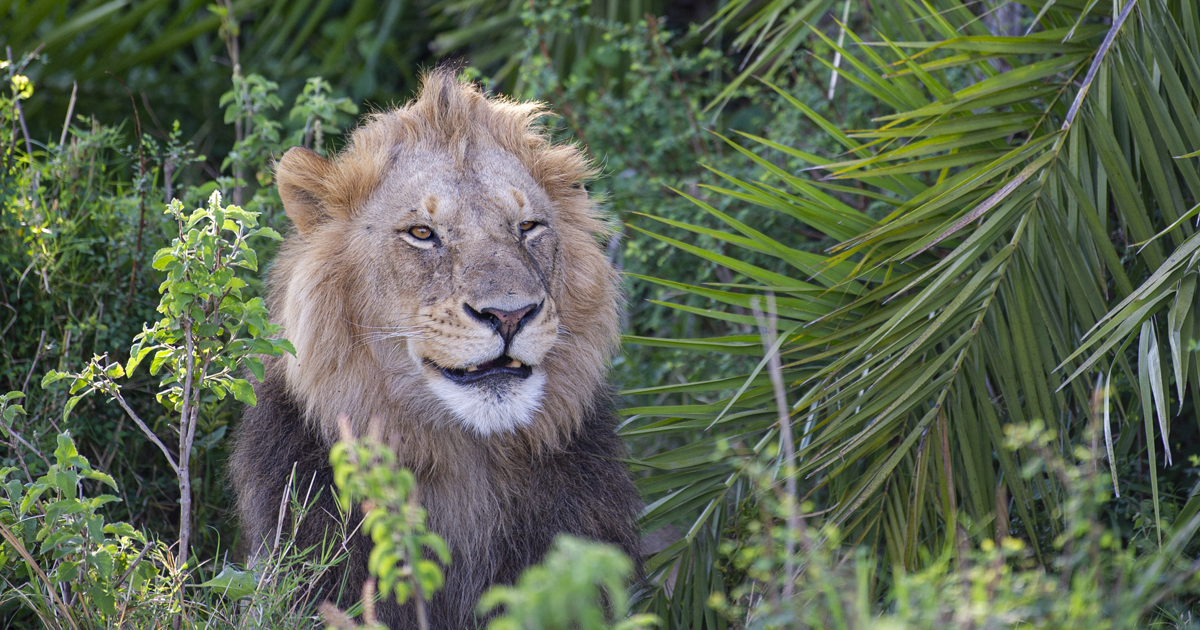
Wildlife photography is already a profession with a built-in warning label: objects in the lens may be larger, faster, toothier, and significantly less interested in your artistic vision than expected. But even seasoned photographers can be caught off guard when nature decides to improvise. That is exactly what happened when photographer Gren Sowerby, while on safari in Kenya’s Maasai Mara, captured a male lion that delivered the full royal treatment: a thunderous roar, followed by what looked like a cheeky wink and smile.
The moment became internet gold because it had everything people love about wildlife photography: danger, timing, personality, and just enough “Did that lion just troll him?” energy to make viewers stare twice. According to reports about the encounter, Sowerby was photographing the lion from a respectful distance when the big cat suddenly opened his mouth and let out a massive roar. For a photographer trying to frame a beautiful portrait, that is roughly the emotional equivalent of having your quiet neighbor start a rock concert inside your refrigerator.
Then came the unexpected twist. After roaring, the lion appeared to relax his face into something that looked suspiciously like a grin. In another image, he seemed to wink. Of course, lions do not smile for cameras the way humans do. They are not posing for profile pictures, auditioning for toothpaste ads, or saying, “Make sure you get my good side.” But the expression was so perfectly timed that it gave the scene a sense of humor, turning a scary moment into one of those rare wildlife photographs that feels almost personal.
Why a Lion’s Roar Feels Like the Earth Clearing Its Throat
A lion’s roar is not just loud; it is a biological announcement system. Lions use roaring to communicate across long distances, defend territory, locate pride members, and warn rivals that the neighborhood is already occupied. A full lion roar can travel several miles under the right conditions, especially in the still air of evening or early morning. That means a photographer close enough to see whiskers, mane texture, and golden eyes is also close enough to feel that roar in the chest.
The roar is part sound, part vibration, and part ancient warning. It begins deep and low, often building into a sequence of explosive calls. Unlike a house cat’s meow, which usually means “Feed me, servant,” a lion’s roar means something closer to: “This is my land, my pride, my shade tree, and possibly my afternoon nap spot.” Male lions in particular use roaring as a territorial display, and it can help prevent physical fights by advertising strength before rivals get close enough to test it.
For photographers, this is why a roaring lion photo is so powerful. It captures more than teeth and mane. It captures communication, dominance, energy, and the split second when a wild animal reminds everyone that the savanna is not a theme park. The best wildlife images often freeze behavior, not just appearance. A lion sitting still is majestic. A lion mid-roar looks like mythology with canines.
Did the Lion Really Wink and Smile?
Let’s be honest: the human brain loves turning animal expressions into tiny dramas. We see a lion with narrowed eyes and a curved mouth, and suddenly he is a comedian. We see a dog tilt its head, and we assign it a philosophy degree. This is called anthropomorphism, which simply means interpreting animal behavior through human emotions and habits.
In the famous lion photograph, the “wink” was likely a natural blink or facial movement captured at exactly the right moment. The “smile” may have been the lion’s relaxed mouth position after roaring, a flehmen-like facial posture, or simply a brief expression created by muscle movement, lighting, and timing. Still, the charm of the image comes from that funny visual coincidence. The lion looks as though he knows he just scared the photographer and is saying, “Got you.”
That does not make the photo fake or misleading. It makes it memorable. Wildlife photography often depends on patience and luck, and sometimes luck arrives wearing a mane. The photographer did not need to invent personality; the camera caught a real animal in a real moment, and viewers naturally connected with it. That is the magic: one frame can be scientifically explainable and emotionally hilarious at the same time.
The Maasai Mara: A Stage Built for Big Cat Drama
The Maasai Mara in Kenya is one of the most famous wildlife regions in the world, especially for big cats. Its open grasslands, scattered acacia trees, and abundant prey create ideal conditions for lions, cheetahs, leopards, hyenas, elephants, buffalo, giraffes, and countless antelope species. For photographers, it offers what studios can only dream of: natural light, dramatic skies, and models who do not need makeup because they are already apex predators.
Lions in the Mara live in social groups called prides, usually made up of related females, their cubs, and one or more adult males. Lionesses often do much of the hunting, while males defend territory, protect access to the pride, and occasionally remind the entire landscape who has the loudest microphone. A roaring male lion in this environment is not performing for humans. He is participating in an ancient social system that keeps prides organized and rivals informed.
This is part of what makes the “roar, wink, and smile” image so compelling. It captures a lion as both a serious wild predator and a surprisingly expressive creature. The photo is funny only because it sits on top of real power. If a hamster winked after squeaking, it would be cute. When a lion appears to wink after roaring, it feels like being pranked by a thunderstorm.
How Wildlife Photographers Get Shots Like This
Great wildlife photography is rarely about charging into the wilderness and hoping something dramatic happens before lunch. It is usually about preparation, patience, knowledge, and a strong respect for boundaries. Photographers who work around lions rely on guides, vehicles, long lenses, and a careful reading of animal behavior. The goal is to observe without interfering.
A telephoto lens allows photographers to capture close-looking portraits while staying at a safer distance. This matters because the most ethical wildlife images are not made by stressing animals into dramatic reactions. A lion that changes behavior because a person got too close is not “cooperating.” It is reacting. Responsible photographers avoid baiting, chasing, shouting, crowding, or forcing animals into unnatural situations just to make a photo more exciting.
Timing is another key ingredient. A photographer must be ready before the action happens. Lions may rest for long periods, especially during the heat of the day. Then, without warning, one may stretch, yawn, roar, groom, play, or interact with another pride member. The photographer who has already checked focus, exposure, shutter speed, and composition has a chance. The photographer still digging through a camera bag has a lovely memory and no photo, which is nature’s way of saying, “Please update your workflow.”
Why the Photo Went Viral
The internet loves animal stories with personality, and this lion had personality by the truckload. The image looked like a tiny three-act play: first, majestic lion; second, terrifying roar; third, smug wink. It gave viewers a safe way to experience danger, humor, and beauty all at once.
Another reason the story spread is that it reverses expectations. We expect lions to be fierce, but we do not expect them to appear playful. We expect photographers to be brave, but we also enjoy hearing that even professionals can be startled. The scene humanizes the photographer and adds character to the lion without reducing the animal to a cartoon.
Viral wildlife photos also work because they create an instant emotional hook. People may not read a long report about lion vocalizations, but show them a lion that appears to roar, wink, and smile, and suddenly they want to know everything. That curiosity can be useful. A funny photo can lead audiences toward deeper interest in animal behavior, conservation, habitat protection, and ethical tourism.
The Real Science Behind Lion Expressions
Lions use body language constantly. Ear position, tail movement, posture, eye contact, head angle, vocalization, and facial tension can all signal mood or intention. A relaxed lion looks very different from a defensive or agitated one. However, reading these signals correctly takes experience, and even experts avoid pretending they can translate every expression into a neat human sentence.
What looks like a smile may simply be a moment after vocalization. What looks like a wink may be a blink caused by dust, sun, muscle movement, or timing. Still, facial expressions in big cats are meaningful in context. Lions yawn, snarl, grimace, lick, squint, nuzzle, and rub heads. They use physical contact to strengthen social bonds, especially within prides. Their lives are not just about hunting and roaring; they are also about cooperation, rest, play, cub care, and group identity.
That complexity is one reason lions fascinate people. They are powerful enough to dominate the landscape, but social enough to show tenderness within their group. They can look terrifying one second and sleepy the next. In fact, lions spend much of their day resting, conserving energy for hunting and territorial activity. This makes the brief explosive momentsa roar, a chase, a stare into the lensfeel even more dramatic.
Safari Safety: Admire the Lion, Do Not Negotiate With It
The famous photograph is entertaining, but it should not encourage anyone to push boundaries with wildlife. Lions are not props, pets, or oversized house cats with better hair. They are wild predators capable of moving with astonishing speed and force. Safari guests should remain in vehicles unless guides say otherwise, keep voices low, avoid sudden movements, and never attempt to attract an animal’s attention for a photo.
Professional guides understand animal behavior and local rules. Their instructions are not suggestions designed to ruin your Instagram. They exist because wild animals can be unpredictable, and because respectful distance protects both people and wildlife. A lion that becomes too comfortable around humans may face danger later. A tourist who ignores safety rules may create risks for guides, other guests, and the animals themselves.
The best safari experiences happen when people accept that nature is not on a schedule. You may see a lion roaring under golden light, or you may see a lion sleeping in a position that makes him look like an exhausted uncle after Thanksgiving dinner. Both are real. Both are worth seeing. The point is not to force drama but to witness wild behavior as it unfolds.
What This Moment Teaches About Conservation
Behind every viral lion photo is a larger conservation story. African lions face serious threats, including habitat loss, shrinking prey populations, conflict with livestock owners, illegal wildlife trade, and pressures from human expansion. Lions once ranged across far more of Africa and parts of Asia and Europe. Today, wild lion populations are far more fragmented, and many conservation groups classify them as vulnerable or threatened depending on region and population.
Human-wildlife conflict is one of the most difficult challenges. When lions prey on livestock, local communities may suffer real economic loss. Retaliatory killing can follow. Effective conservation therefore cannot focus only on lions; it must also support the people living near lion habitat. Better livestock enclosures, compensation programs, community ranger networks, conservation tourism revenue, and education can all help reduce conflict.
Photography has a role here. A single powerful image can remind people why lions matter. It can turn an abstract conservation issue into a living creature with eyes, breath, expression, and presence. The roaring lion that startled a photographer is funny, yes. But it is also a reminder that lions are not symbols from old stories. They are real animals trying to survive in a changing world.
Why We Love Lions So Much
Lions occupy a strange place in the human imagination. We call them kings, put them on flags, carve them into monuments, name sports teams after them, and use their image to sell everything from cereal to luxury cars. Their symbolism is almost too heavy for one animal to carry, but lions manage it with impressive posture.
Part of their appeal comes from contrast. Lions are social but fierce, lazy-looking but explosive, beautiful but dangerous. A male lion’s mane gives him a regal silhouette, while his roar gives the impression that the entire landscape has received an official announcement. When a lion appears to wink and smile, that mythic image becomes oddly relatable. For a moment, the king of beasts looks less like a statue and more like a prankster.
That emotional connection is why storytelling matters. Facts help us understand lions, but stories help us remember them. A statistic about population decline is important. A photograph of a lion roaring into the camera and then looking smug may be the hook that makes someone care enough to read the statistic.
Lessons for Aspiring Wildlife Photographers
Anyone dreaming of capturing a similar image should start with respect, not adrenaline. Learn about the animal before trying to photograph it. Understand its habitat, social behavior, warning signs, and daily rhythms. Travel with reputable guides. Use appropriate lenses. Keep distance. Be patient. And above all, do not treat fear as proof that you are making great art.
The best wildlife photographers are not daredevils trying to win a staring contest with nature. They are observers. They notice light, movement, mood, and behavior. They know when to shoot and when to back off. They understand that no photograph is worth harming an animal or putting people at risk.
Technically, a roaring lion requires fast shutter speed, stable support, good focus tracking, and anticipation. Emotionally, it requires calm nerves. When a lion opens his mouth and the roar hits, even an experienced photographer may flinch. The trick is to flinch internally while your finger still remembers the shutter button. Easier said than done, especially when the subject has teeth shaped like polished daggers.
Experience Section: What a Roaring Lion Moment Feels Like
Imagine sitting in a safari vehicle in the early morning. The air is cool, the grass is silver with dew, and the horizon is just beginning to glow. Everyone speaks in whispers, partly out of respect and partly because the landscape makes loud conversation feel ridiculous. Then a guide points ahead. A male lion is resting near the track, his mane catching the first light.
At first, nothing happens. The lion blinks slowly, as if judging humanity and finding it mostly inconvenient. Cameras rise. Shutters click softly. The scene feels peaceful, almost sleepy. You start thinking this will be one of those calm wildlife moments: elegant, golden, suitable for framing above a desk where it can silently improve your personality.
Then the lion lifts his head.
The guide becomes very still. That is usually the first clue that something important may happen. The lion inhales, opens his mouth, and suddenly the world changes shape. The roar is not merely heard. It arrives. It rolls through the vehicle, through the ribs, through the camera strap around your neck. Birds scatter from a nearby tree. Someone forgets to breathe. Someone else takes twenty photos of the floorboard. The lion continues, each call deeper than the last, as if the savanna itself has found a voice.
When the roar ends, silence rushes back in. The lion looks around with royal boredom, as if he did not just rearrange everyone’s nervous system. Then he blinks, shifts his jaw, and for a fraction of a second his face forms an expression that looks almost amused. It is probably not amusement. It is biology, anatomy, timing, and light. But tell that to your heartbeat, which is currently packing a suitcase.
This is the kind of experience that changes how people think about wildlife. Photos and videos are wonderful, but being near a roaring lionsafely, responsibly, and under the guidance of expertsteaches humility in a way no documentary can fully capture. You realize how little control humans have in wild places. You also realize how much beauty exists when we stop trying to control everything and simply observe.
A moment like this also teaches patience. The dramatic roar may last only seconds, but it is surrounded by hours of waiting, watching, and accepting whatever nature offers. Sometimes the lion roars. Sometimes he sleeps. Sometimes he turns his back and gives photographers a portfolio of tail shots. That is wildlife photography. You do not order the moment; you earn the chance to witness it.
For travelers, the takeaway is simple: respect the distance, trust the guide, and enjoy the unpredictability. For photographers, the lesson is even clearer: know your settings before the lion starts talking. A roaring lion will not pause because you accidentally left your camera in landscape mode from yesterday’s sunset. Nature is generous, but it is not customer service.
The famous image of the roaring, winking, smiling lion works because it captures the full emotional range of a safari encounter. It is frightening, funny, majestic, and humbling all at once. It reminds us that wild animals are not here to entertain us, yet sometimes they create moments more entertaining than anything we could script. The lion did not perform. He simply existed loudly, magnificently, and with perfect comic timing.
Conclusion
The story of the lion that roared, startled a photographer, and then appeared to wink and smile is more than a funny viral moment. It is a window into lion behavior, wildlife photography, human imagination, and the fragile relationship between people and wild animals. A roar can mark territory, gather pride members, warn rivals, and shake a photographer right down to his socks. A perfectly timed blink can become a wink. A relaxed mouth can become a grin. And one unforgettable frame can make millions of people pause long enough to admire the beauty and power of lions.
The real message is not that lions are secretly stand-up comedians, although this one had excellent timing. The message is that wildlife deserves attention, respect, and protection. Great photographs can entertain us, but they can also educate us. They can turn curiosity into care. And in a world where lions face shrinking habitats and growing human pressure, that care matters.