
A Listerine foot soak sounds like one of those internet beauty tricks invented by someone who looked at a bottle of mouthwash and thought, “My teeth feel fresh… what about my heels?” Surprisingly, this DIY foot-care trend has stuck around for years. People use it for rough heels, foot odor, dead skin, calluses, and even fungal concerns. The big question is simple: does it actually work, or is your foot bath just having minty-fresh delusions of grandeur?
The honest answer is: maybe for some mild cosmetic benefits, but not as a medical treatment. Listerine contains essential oils such as menthol, thymol, eucalyptol, and methyl salicylate, plus alcohol in some formulas. Those ingredients can create a cooling sensation, help cleanse the skin’s surface, and may loosen dry, flaky buildup when combined with warm water and gentle exfoliation. However, a Listerine soak is not proven to cure athlete’s foot, toenail fungus, deep heel cracks, eczema, psoriasis, or any serious foot condition.
Think of it as a foot-care sidekick, not the superhero. It may help your feet feel cleaner and smoother for a little while, but if your heels are cracked like desert clay or your toes are throwing a fungal house party, evidence-based treatment is the smarter route.
What Is a Listerine Foot Soak?
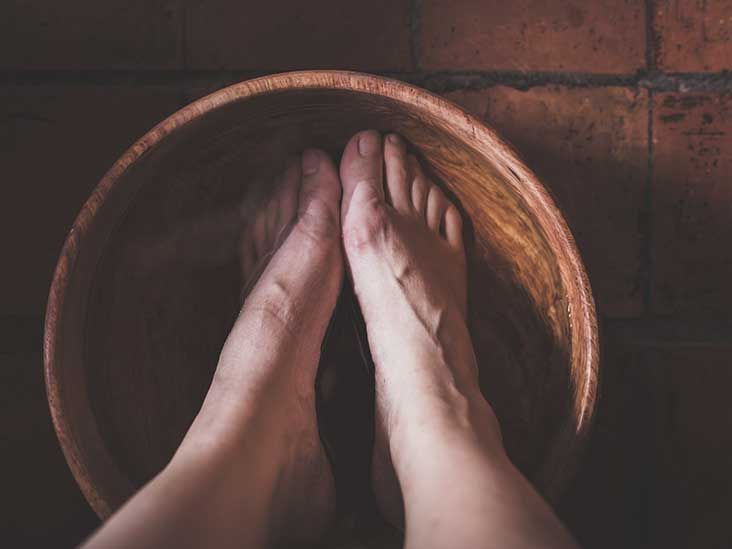
A Listerine foot soak is a homemade foot bath that usually mixes mouthwash with warm water. Some versions add white vinegar, apple cider vinegar, or Epsom salt. The feet are soaked for about 10 to 20 minutes, then gently scrubbed with a pumice stone, foot file, or washcloth.
The most popular recipe often looks like this:
- 1 part Listerine mouthwash
- 1 part warm water
- Optional: 1 part vinegar
- Optional: a small scoop of Epsom salt
That said, “popular” does not automatically mean “clinically proven.” The internet also made glitter coffee and charcoal toothpaste famous, so popularity deserves a polite but suspicious eyebrow raise.
How Does a Listerine Foot Soak Work?
The idea behind a Listerine foot soak for feet comes from the product’s active ingredients. Traditional antiseptic mouthwash formulas contain essential oils, including eucalyptol, menthol, methyl salicylate, and thymol. These are used in mouthwash to help control plaque and gingivitis when used as directed in the mouth.
1. It may help soften dry skin temporarily
Warm water softens the outer layer of the skin. When your feet soak, dead skin cells become easier to remove with gentle exfoliation. This is why feet often feel smoother after any foot bath, whether it contains Listerine, plain warm water, or a spa product that smells like expensive cucumbers.
Listerine may add a cooling, refreshing feel because of menthol. If the formula contains alcohol, it may also create a slightly drying effect. That can be a problem for already-dry heels, so moisturizing afterward is not optional. It is the main event.
2. It may reduce surface odor
Foot odor usually happens when sweat and bacteria meet inside warm shoes and decide to become roommates. A cleansing soak may temporarily freshen the skin and reduce odor, especially when followed by clean socks and dry shoes. However, if odor keeps returning, the real solution is usually better moisture control: breathable shoes, clean socks, proper drying between toes, and rotating footwear.
3. It is not a proven antifungal treatment
Many people search for a Listerine foot soak for toenail fungus or athlete’s foot. This is where the hype gets ahead of the evidence. Some ingredients in mouthwash have antimicrobial properties, but that does not mean soaking feet in diluted mouthwash will cure a fungal infection.
Athlete’s foot is commonly treated with over-the-counter antifungal creams, sprays, or powders. Toenail fungus is even harder to treat because the infection lives under or inside the nail. A soak may make nails look cleaner, but it is unlikely to reach the fungus deeply enough to solve the problem.
Is a Listerine Foot Soak Effective?
The effectiveness depends on what you expect it to do. If your goal is a relaxing soak, a cleaner feeling, or slightly softer skin before exfoliation, it may help. If your goal is to cure a medical condition, it is not the best tool.
For dry feet and cracked heels
A Listerine soak may loosen some flaky skin, but cracked heels usually need consistent moisturizing and barrier repair. Dermatology guidance commonly recommends thick moisturizers, especially creams containing ingredients such as urea, salicylic acid, alpha hydroxy acids, glycerin, petrolatum, or ceramides. These ingredients help soften thick skin, hold water in the skin, and support the skin barrier.
For cracked heels, a better routine is simple: soak briefly in warm water, gently exfoliate, apply a rich foot cream, then seal with socks overnight. If the cracks are deep, painful, bleeding, swollen, or red, skip the DIY experiments and contact a healthcare professional.
For calluses
Calluses form because of pressure and friction. Your skin thickens to protect itself, like a tiny construction crew building armor on your feet. A soak may soften callused skin temporarily, but it will not fix the underlying cause. Shoes that rub, poor support, standing for long hours, or foot mechanics may keep the callus coming back.
Gentle exfoliation can help, but aggressive scraping is a bad idea. Do not attack your heels like you are sanding a deck. Over-filing can irritate the skin and make it thicken again.
For athlete’s foot
Athlete’s foot usually causes itching, burning, peeling, scaling, or cracking, often between the toes. It thrives in warm, damp environments. A Listerine soak may feel refreshing, but it should not replace an antifungal product. If symptoms do not improve after using an over-the-counter antifungal as directed, or if they worsen, medical advice is needed.
For toenail fungus
Toenail fungus can make nails thick, yellow, brittle, crumbly, or separated from the nail bed. It often requires long-term treatment. A DIY foot soak will not reliably cure it. Over-the-counter products may help mild cases, but stubborn nail fungus often needs a diagnosis and prescription options.
How to Do a Listerine Foot Soak Safely
If you still want to try a Listerine foot soak for cosmetic foot care, keep it gentle. The goal is soft feet, not a dramatic “before and after” that requires an apology from your skin.
Simple Listerine foot soak recipe
- Fill a basin with warm water, not hot water.
- Add a small amount of Listerine. A 1:2 ratio of mouthwash to water is a safer starting point than using it full-strength.
- Soak feet for 10 to 15 minutes.
- Pat feet dry, especially between the toes.
- Use a pumice stone gently on rough areas only.
- Apply a thick moisturizer immediately afterward.
- Put on clean cotton socks if using the treatment at night.
How often should you use it?
Once a week is enough for most people. Daily soaking can dry out the skin, especially if the mouthwash contains alcohol. If your feet feel tight, itchy, irritated, or extra dry after soaking, stop using it.
Who Should Avoid a Listerine Foot Soak?
Not everyone should try this remedy. Avoid a Listerine foot soak if you have open cuts, bleeding cracks, blisters, burns, active rashes, severe athlete’s foot, eczema flare-ups, psoriasis, or sensitive skin. The ingredients may sting or irritate damaged skin.
People with diabetes, poor circulation, nerve damage, immune problems, or a history of foot ulcers should be especially careful. Foot soaking can soften skin too much and increase the risk of injury. If you have reduced feeling in your feet, you may not notice water that is too hot or irritation that is developing.
Better Alternatives for Softer, Healthier Feet
A Listerine soak is optional. A smart foot-care routine is not. If your main goal is smoother feet, these methods are more reliable.
Use a urea foot cream
Urea is one of the most useful ingredients for rough, dry feet. Lower percentages help hydrate. Higher percentages can soften thick, hardened skin. Many podiatrists and dermatology sources recommend urea-based products for rough heels and calluses.
Try salicylic acid or lactic acid carefully
Salicylic acid and lactic acid help exfoliate dead skin. They can be useful for thick heels, but they may irritate sensitive skin. Start slowly and avoid using strong acids on open cracks.
Seal moisture with an occlusive layer
After applying foot cream, add a thin layer of petroleum jelly or a healing ointment to lock in moisture. Then wear socks overnight. It is not glamorous, but neither are cracked heels that snag on blankets like tiny Velcro villains.
Keep feet dry between the toes
Moisturize heels and soles, but do not leave thick cream between your toes. Too much moisture there can encourage fungal growth. Dry carefully after bathing, swimming, or sweating.
Choose better shoes
Open-back sandals, hard floors, tight shoes, and constant friction can worsen calluses and cracked heels. Supportive shoes reduce pressure and help prevent skin from splitting.
Common Mistakes People Make With Listerine Foot Soaks
Using it full-strength
Undiluted mouthwash can be harsh on skin, especially if it contains alcohol. Diluting it with warm water lowers the chance of irritation.
Soaking for too long
Long soaks can dry the skin and weaken the barrier. Ten to 15 minutes is enough.
Skipping moisturizer
This is the biggest mistake. A soak without moisturizer is like washing your car and then parking it in a dust storm. Always moisturize after soaking.
Trying to treat a real infection with a home remedy
If you have itching, burning, spreading redness, swelling, pain, drainage, thickened nails, or symptoms that keep returning, use proper treatment and talk with a healthcare professional.
Experience Section: What Using a Listerine Foot Soak Is Really Like
The first thing most people notice about a Listerine foot soak is the smell. It is bold, minty, and unmistakably “dentist office meets bathroom spa.” If you use the blue version, the water may look oddly cheerful, like your feet are vacationing in a tiny tropical lagoon. Some people enjoy that fresh feeling right away. Others wonder why their toes now smell like they could fight plaque.
In real-life use, the soak usually feels cool and tingly rather than deeply therapeutic. After about 10 minutes, rough skin may feel softer, especially around the heels and balls of the feet. When followed with a pumice stone, a small amount of dead skin may come off more easily. This can make feet feel smoother for a day or two. However, the effect is often temporary unless you continue with moisturizer.
People with mildly dry feet may enjoy the ritual because it feels relaxing and inexpensive. It can be a nice Sunday-night reset before trimming nails, applying foot cream, and putting on clean socks. In that sense, the soak works best as a self-care habit, not a miracle cure. The biggest improvement usually comes from the full routine: warm water, gentle exfoliation, thick moisturizer, and consistency.
For people with very cracked heels, the experience may be less impressive. If the skin is already split, Listerine can sting. Alcohol-based formulas may make dryness worse. That is why a short, diluted soak is safer than the dramatic online recipes that recommend long soaking sessions. More is not better. More is sometimes just minty regret.
For foot odor, some users notice a cleaner smell right after soaking. But odor often returns if shoes remain damp, socks are reused, or feet are not dried properly. The best odor-control results usually come from changing socks daily, rotating shoes, using breathable footwear, and letting shoes dry completely between wears.
For fungal concerns, the experience can be misleading. A soak may make the skin look cleaner and reduce some surface odor, so it feels like progress. But athlete’s foot and toenail fungus need targeted antifungal treatment. If symptoms keep coming back, the problem is probably not a lack of mouthwash enthusiasm. It is more likely that fungus is still present in the skin, nails, socks, or shoes.
The most practical takeaway is this: a Listerine foot soak can be enjoyable as an occasional cosmetic foot soak, but it should be paired with realistic expectations. Use it gently, moisturize afterward, and do not rely on it for infections or deep cracks. Your feet work hard all day. They deserve care based on both comfort and common sense.
Final Verdict: Should You Try a Listerine Foot Soak?
A Listerine foot soak may be worth trying if you want a simple, occasional soak to freshen your feet and soften minor roughness before exfoliating. It is affordable, easy, and oddly fun in a “my feet smell like mouthwash now” kind of way.
But it is not a proven medical treatment. For cracked heels, use moisturizing creams with evidence-backed ingredients. For athlete’s foot, use an antifungal product. For toenail fungus, get a proper diagnosis and treatment plan. And if you have diabetes, poor circulation, open wounds, or severe foot symptoms, skip the DIY soak and get professional guidance.
The best foot-care routine is not complicated: clean gently, dry thoroughly, exfoliate lightly, moisturize consistently, wear supportive shoes, and treat infections properly. Listerine can join the routine if your skin tolerates it, but it should never be the whole routine.