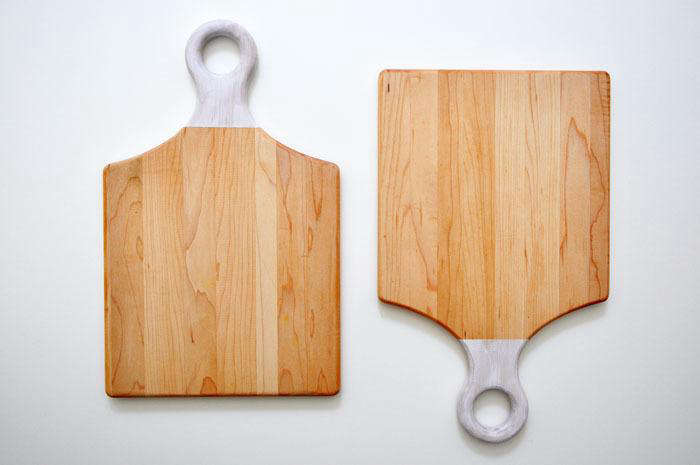

A maple cutting board does not enter a kitchen quietly. It arrives like the dependable friend who owns a truck, remembers everyone’s birthday, and somehow knows how to sharpen a chef’s knife. The phrase “Maple Cutting Board 1.3” may sound like software, but in the kitchen it points to a very practical idea: a sturdy, roughly 1.3-inch-thick maple cutting board that balances durability, knife friendliness, food safety, and everyday usability.
Maple has long been one of the most respected woods for cutting boards, butcher blocks, baker’s tables, and serious prep surfaces. It is dense without being brutal, attractive without trying too hard, and tough enough to handle everything from diced onions to Sunday roast prep. A good maple cutting board is not just a place to chop vegetables. It is a prep station, serving tray, pastry surface, sandwich assembly zone, and, occasionally, the emotional support platform for a late-night grilled cheese.
This guide explains why a 1.3-inch maple cutting board is a smart choice, how it compares with other materials, what to look for before buying one, and how to keep it clean, oiled, and handsome for years.
What Is a Maple Cutting Board 1.3?
A Maple Cutting Board 1.3 can be understood as a maple cutting board around 1.3 inches thick. That thickness sits in a useful middle ground. It is thicker and more stable than many thin, lightweight boards, yet not as heavy as a massive 2- or 3-inch butcher block that requires both hands, a clear schedule, and possibly a gym membership.
At about 1.3 inches, the board has enough mass to stay steady while chopping, mincing, slicing, and carving. It also provides enough wood depth for resurfacing, meaning shallow knife marks can be sanded out later. This matters because a good maple board is not meant to be treated like a disposable kitchen gadget. With proper care, it can become a long-term kitchen tool.
Why Maple Is So Popular for Cutting Boards
Hard Maple Has the Right Kind of Strength
Hard maple, often called sugar maple or rock maple, is prized because it offers an excellent balance of hardness and workability. It is firm enough to resist deep cuts better than softer woods, but it is not so hard that it punishes knife edges the way glass, stone, or very hard exotic woods can. For daily cooking, that balance is the magic trick.
Hard maple has a Janka hardness rating of about 1,450 pounds-force, placing it in the sweet spot for cutting-board use. A board that is too soft can scar easily; a board that is too hard can make knives dull faster. Maple stands in the middle with the quiet confidence of someone who has read the manual and does not need to brag about it.
Close-Grained Wood Helps With Food Prep
Maple is a close-grained hardwood, which means its surface is relatively tight and smooth compared with open-pored woods. That is one reason it has traditionally been favored for cutting boards and butcher blocks. The tight grain helps reduce excessive moisture absorption, supports smoother cleaning, and gives the board that creamy, clean look people love in both home and professional kitchens.
This is also why hard maple appears in food-code discussions. In food-service settings, hard maple or equivalently hard, close-grained wood is commonly recognized as suitable for cutting boards and similar food-contact items when properly maintained.
Edge Grain vs. End Grain Maple Cutting Boards
Edge Grain Maple Boards
Most 1.3-inch maple cutting boards are edge grain boards. In this construction, long strips of wood are arranged so the board surface shows the edge of the grain. Edge grain boards are durable, attractive, and usually more affordable than end grain versions. They also tend to absorb less oil than end grain boards, making maintenance simpler for busy home cooks.
For everyday chopping, slicing fruit, preparing vegetables, cutting sandwiches, and carving smaller roasts, an edge grain maple cutting board is an excellent choice. It is the reliable workhorse of the cutting-board world: not flashy, not fussy, and unlikely to have a dramatic personality.
End Grain Maple Boards
End grain boards are made by arranging wood so the cut ends of the fibers face upward. They often look like a checkerboard or brick pattern. Many cooks love them because they can be gentle on knives and visually striking. When a knife hits an end grain board, it can slip slightly between fibers rather than cutting across them as aggressively.
The trade-off is maintenance. End grain boards usually require more oil, are often thicker, and can be more expensive. If you want a showpiece board for heavy chopping and do not mind regular care, end grain maple is beautiful. If you want a practical 1.3-inch board for daily work, edge grain is often the better value.
Why 1.3 Inches Is a Practical Thickness
Cutting-board thickness affects stability, weight, durability, and storage. A thin board may be easy to move, but it can slide, warp, or feel flimsy during heavier prep. A very thick board feels luxurious, but it can be awkward to wash and store. A 1.3-inch maple cutting board lands in the “just right” zone for many kitchens.
That thickness is especially helpful if you cook regularly but do not want a board that dominates your counter full-time. It offers enough heft to stay planted with a damp towel underneath, yet it can still be lifted and washed in the sink without turning cleanup into a strength test.
Best Uses for a Maple Cutting Board 1.3
Daily Vegetable Prep
Maple is excellent for chopping onions, carrots, celery, herbs, garlic, cucumbers, peppers, potatoes, and leafy greens. Its smooth surface gives a chef’s knife a pleasant landing, and the board’s weight helps prevent slipping. If your current board skates across the counter like it is auditioning for the Winter Olympics, a heavier maple board will feel like an upgrade.
Bread, Cheese, and Charcuterie
A maple cutting board can double as a serving board. Its pale color makes cheese, berries, cured meats, crackers, and sliced bread look warm and inviting. Maple also photographs well, which matters if your dinner guests must wait while someone says, “Hold on, I need one picture.”
Carving and Cooked Meat Prep
A 1.3-inch maple board can handle cooked chicken, steak, pork tenderloin, turkey breast, and roasts. If you frequently carve juicy meats, consider a board with a juice groove. A groove is not essential for every cook, but it helps catch drippings before they escape onto the counter like tiny, savory fugitives.
Pastry and Dough Work
Maple’s smooth, firm surface is useful for rolling dough, shaping biscuits, kneading bread, or cutting pasta. A large maple board can protect your countertop while giving you a clean, stable work zone. Just make sure the board is dry and lightly conditioned, not greasy.
Food Safety: How to Use Maple Cutting Boards Wisely
Food safety is less about whether a board is wood or plastic and more about how it is used, cleaned, dried, and maintained. Both wood and plastic boards can become unsafe if they are neglected. The villain is not the board; it is usually moisture, deep grooves, cross-contamination, and the mysterious sponge that has been living by the sink since last Tuesday.
Use Separate Boards When Possible
For the safest kitchen workflow, use one board for raw meat, poultry, and seafood, and another board for ready-to-eat foods such as bread, fruit, herbs, and salad vegetables. This simple habit reduces the risk of cross-contamination. Many home cooks prefer using a dishwasher-safe plastic or composite board for raw meat and keeping their maple board for vegetables, bread, cheese, and cooked foods.
Wash After Every Use
Clean a maple cutting board with hot, soapy water after each use. Scrub the surface, rinse thoroughly, and dry it right away with a clean towel. Then stand it upright or place it where air can circulate on both sides. Never leave a maple board soaking in the sink. Wood and long baths are not friends.
Sanitize When Needed
After contact with raw animal products, sanitizing is a smart step. A common home method is using a diluted unscented bleach solution, then rinsing and drying thoroughly. Follow current food-safety guidance and product labels carefully. The important point is simple: clean first, sanitize second, dry completely.
How to Maintain a Maple Cutting Board
Oil It Regularly
Wood needs conditioning. Food-grade mineral oil is one of the most common choices because it is stable, odorless, and does not turn rancid like many cooking oils can. Apply a generous layer, let it soak in, then wipe off the excess. A dry board will drink oil quickly. A well-conditioned board will feel smooth, slightly rich, and protected without feeling greasy.
How often should you oil it? A practical rule is once a month for regular use, or whenever the board looks dry, pale, or thirsty. During the first few weeks of ownership, a new board may need oil more often because fresh wood can absorb quite a bit.
Use Board Cream for Extra Protection
Board cream, often made with mineral oil and beeswax, adds a light protective layer. It helps slow moisture absorption and gives the board a polished look. Think of mineral oil as hydration and board cream as a jacket. Not a tuxedo, necessarily, but a nice jacket.
Avoid Dishwashers
Do not put a maple cutting board in the dishwasher. The heat, water pressure, and long moisture exposure can cause cracking, warping, glue-line failure, or roughness. Hand-washing may sound old-fashioned, but so is bread, and bread is doing fine.
Remove Odors Naturally
For lingering smells from onions, garlic, or fish, sprinkle coarse salt on the board and rub it with half a lemon. Let it sit briefly, then rinse and dry. This is not a replacement for proper washing or sanitizing, but it is a helpful deodorizing trick for everyday kitchen odors.
How Maple Compares With Other Cutting Board Materials
Maple vs. Plastic
Plastic boards are lightweight, inexpensive, and often dishwasher-safe. They are practical for raw meat because they can be sanitized easily. However, plastic boards can develop deep grooves over time, and those grooves may become difficult to clean. Once a plastic board is heavily scarred, it should be replaced.
Maple boards require more care, but they are durable, beautiful, and pleasant to cut on. They also avoid the flimsy feel of many plastic boards. For many kitchens, the best solution is not maple or plastic. It is maple and plastic, each used for the jobs it handles best.
Maple vs. Bamboo
Bamboo boards are popular because bamboo grows quickly and often costs less than premium hardwood. However, bamboo can be harder on knives because of its density and silica content. Maple generally offers a more forgiving cutting feel. If knife comfort matters, maple usually wins.
Maple vs. Walnut and Cherry
Walnut and cherry are also excellent cutting-board woods. Walnut is darker and slightly softer, while cherry has a warm reddish tone that deepens with age. Maple is typically harder and lighter in color, making it a classic choice for cooks who want a bright, clean-looking prep surface.
What to Look for Before Buying a Maple Cutting Board 1.3
Size
Choose a board large enough for real prep work. A board around 16 by 12 inches is useful for small kitchens, while 18 by 12 or 20 by 15 inches gives more room for chopping without chasing carrot coins across the counter. If you cook often, buy the largest board you can comfortably wash and store.
Reversible Design
A reversible board gives you two work surfaces. You can use one side for general prep and the other for serving or bread. Reversibility also extends the board’s useful life because wear is spread across both sides.
Juice Groove
A juice groove is useful if you carve cooked meats, slice tomatoes, or cut juicy fruit. However, it slightly reduces flat workspace and can make scraping chopped ingredients into a pan less smooth. For vegetable-heavy cooks, a flat board may be more convenient.
Handles or Finger Grips
Built-in side grips make a thicker maple board easier to lift. This matters because wood is not weightless, despite what online product photos might imply. If you plan to move the board often, grips are worth considering.
Finish
Look for a food-safe oil or wax finish. Avoid boards with decorative finishes not intended for food contact. A cutting board is a tool, not a coffee table. It needs a finish that is safe for repeated knife contact and food prep.
Common Mistakes to Avoid
Letting the Board Stay Wet
Moisture is the fastest way to shorten the life of a maple board. Wash it quickly, rinse it well, dry it immediately, and store it upright. Do not trap it flat against a wet countertop.
Using Vegetable Oil for Conditioning
Cooking oils such as olive oil, corn oil, and vegetable oil can become sticky or rancid over time. Use food-grade mineral oil or a dedicated board conditioner instead.
Ignoring Deep Cuts
Small knife marks are normal. Deep grooves that trap food are different. If your board becomes heavily scarred, sand it smooth or replace it. A cutting board should not look like a topographical map of a tiny mountain range.
Cutting on Only One Side Forever
If the board is reversible, use both sides. Rotating sides helps keep wear even and can reduce the chance of warping caused by uneven moisture exposure.
Is a Maple Cutting Board 1.3 Worth It?
Yes, for many home cooks, a 1.3-inch maple cutting board is absolutely worth it. It gives you the stability of a thicker board without the burden of a giant butcher block. It is attractive enough to leave on the counter, practical enough for daily prep, and durable enough to reward proper maintenance.
The best reason to choose maple is not just tradition. It is performance. Maple feels good under a knife, holds up well, and fits a wide range of kitchen styles. Whether your kitchen is farmhouse, modern, transitional, tiny apartment, or “I swear I’m going to organize this drawer someday,” maple belongs.
Real-Life Experience With a Maple Cutting Board 1.3
Using a 1.3-inch maple cutting board changes the rhythm of cooking in a subtle but noticeable way. The first thing most people notice is stability. Thin boards can feel nervous. They slide, flex, and make chopping feel less controlled. A maple board with this thickness has a grounded feel. When you set it on a counter with a damp towel underneath, it stays put, and that makes prep faster and more comfortable.
One of the most satisfying uses is basic vegetable prep. Onions dice cleanly, herbs mince without bouncing all over the counter, and carrots do not make the board feel like it is under attack. The surface has enough firmness to support precise cuts, but it does not feel harsh. A chef’s knife lands with a muted, confident sound instead of the sharp clack you get from glass or stone. That sound alone makes cooking feel less chaotic.
The board also becomes surprisingly useful outside of chopping. It works beautifully as a landing zone for mise en place. You can line up garlic, lemon wedges, chopped parsley, sliced scallions, and a small bowl of salt without running out of space. During weeknight cooking, that matters. A good board helps organize the process, and organized cooking means fewer moments of staring into the pan wondering where the paprika went.
For serving, maple has a clean, warm look. A 1.3-inch board feels substantial enough to carry cheese, crackers, grapes, sliced apples, and a small bowl of olives. It does not look like you tried too hard, which is the secret to good casual hosting. Put a maple board on the table and people assume you have your life together, even if you just hid the mail in the oven before they arrived.
Maintenance becomes part of the routine. At first, oiling the board may feel like one more chore. After a while, it becomes oddly satisfying. A dry board looks pale and tired; after mineral oil, the grain warms up and the surface feels renewed. The process takes only a few minutes, and it creates a sense that the tool is being cared for rather than consumed.
The main lesson from daily use is that wood rewards good habits. Wash it promptly. Dry it completely. Do not soak it. Do not leave a wet tomato sitting on it for an hour while you answer messages. Use separate boards for raw meat if that makes your cleanup easier. Treat the maple board as a long-term kitchen companion, and it will age beautifully.
A 1.3-inch maple cutting board is not the cheapest board in the kitchen, and it is not the lowest-maintenance option. But it offers something inexpensive boards rarely provide: pleasure in everyday use. It makes chopping feel smoother, serving look better, and cooking feel a little more intentional. In a world full of gadgets that promise to change your life and then vanish into a drawer, a maple cutting board earns its counter space the honest way: by being useful every single day.
Conclusion
A Maple Cutting Board 1.3 is a practical, durable, and beautiful choice for home cooks who want a reliable prep surface without moving into full butcher-block territory. Its roughly 1.3-inch thickness offers a strong balance of stability and manageability, while hard maple provides the right combination of density, smooth grain, and knife-friendly performance.
Choose a size that fits your cooking style, decide whether you prefer a flat surface or juice groove, and commit to simple maintenance. Wash it by hand, dry it well, oil it regularly, and avoid the dishwasher. Do that, and your maple cutting board can become one of the most-used tools in your kitchen. It may not plug in, beep, sync, or come with an app, but it will quietly make almost every meal easier. Honestly, that is more than can be said for half the gadgets currently hiding in the average kitchen drawer.