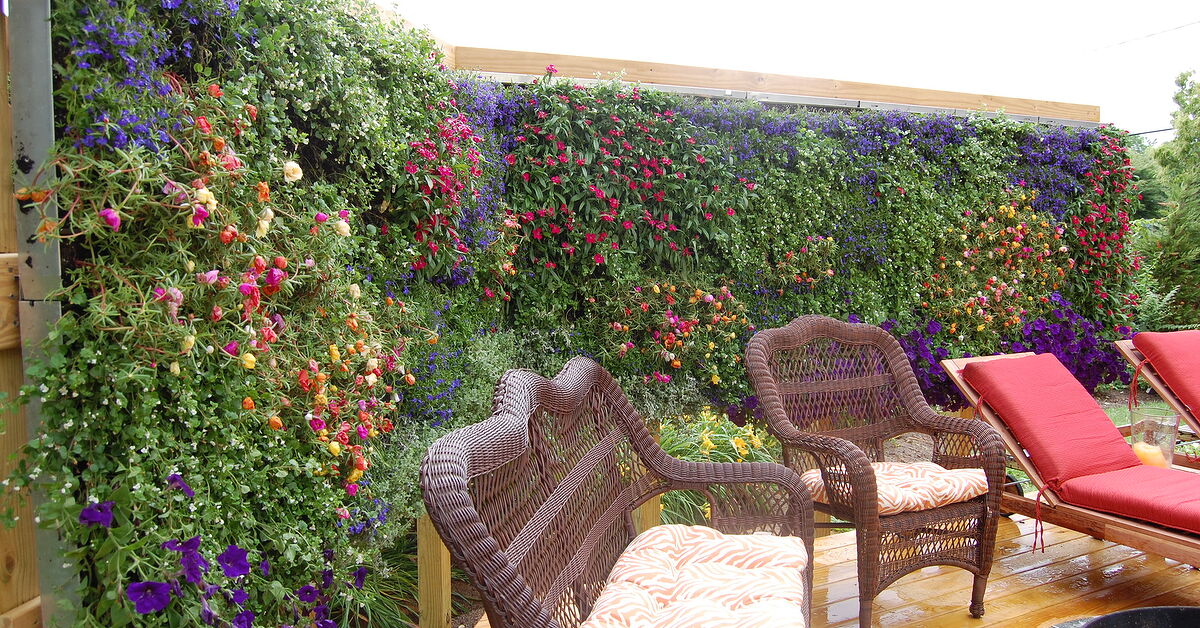

There are backyard upgrades, and then there are backyard glow-ups. A fresh coat of stain is nice. New outdoor cushions are charming. But a home deck featuring a beautiful green wall installed for privacy? That is the kind of project that makes your outdoor space feel less like “the place where the grill lives” and more like a private resort that happens to be attached to your house.
A green wall on a deck does more than block a neighbor’s view. It softens hard lines, adds texture, cools down the mood of the space, and creates that leafy, peaceful feeling most of us are secretly trying to buy every time we walk into a garden center “just to look.” Whether it is a living wall filled with real plants, a trellis covered in vines, a planter-wall combination, or a high-quality faux greenery screen, the goal is the same: privacy without turning your deck into a wooden bunker.
This guide explores how a privacy green wall can transform a home deck, what design choices matter most, which materials and plants work well, and how to keep the whole setup attractive, practical, and low-drama. Because the only drama on your deck should come from someone dropping a hot dog between the boards.
Why a Green Wall Makes a Deck Feel Like a Real Outdoor Room
A deck is technically outside, but the best decks feel like rooms. They have zones, mood, comfort, and a sense of enclosure. A green wall helps create that room-like feeling by giving the eye a boundary. Instead of staring at a fence, traffic, nearby windows, or the neighbor’s collection of mysteriously loud weekend tools, you see greenery.
Privacy is the obvious benefit, but it is not the only one. A deck privacy wall with plants can also help filter light, soften wind, reduce visual clutter, and create a more relaxing atmosphere. Even a narrow deck can feel more finished when one side is framed with vertical greenery. It gives the space a focal point and makes furniture placement easier because the wall naturally defines where the seating area begins and ends.
From a design perspective, a green wall works because it blends structure with nature. Wood, composite decking, metal screens, and railings can feel clean and modern, but too many hard surfaces can make a deck look stiff. Plants bring movement. Leaves catch light. Vines climb. Grasses sway. Suddenly, the deck has a little personality instead of looking like it is waiting for a real estate photographer.
Choosing the Right Type of Green Wall for Deck Privacy
Not every green wall is built the same way. The best option depends on your budget, deck size, sun exposure, maintenance tolerance, and whether you enjoy watering plants or consider it a form of unpaid emotional labor.
1. Living Plant Wall
A living wall uses real plants grown vertically in pockets, panels, containers, or modular systems. This option creates the most natural look and can be absolutely stunning. It is ideal for homeowners who want a lush, garden-like deck and do not mind regular maintenance.
Living walls need the right light, irrigation, drainage, and structural support. Plants and wet growing media can become heavy, so the wall should be planned carefully. A freestanding frame, reinforced planter system, or professionally installed wall may be a smarter choice than simply attaching heavy materials to an existing railing.
2. Trellis With Climbing Plants
A trellis is one of the most practical ways to create a privacy green wall. It can be made from wood, metal, vinyl, or composite material, and climbing plants can be trained to grow across it. This approach is flexible, attractive, and often easier to maintain than a full living wall.
Good climbing plants may include jasmine in warm climates, clematis, climbing hydrangea, honeysuckle, or annual vines such as morning glory or black-eyed Susan vine. The best choice depends on your USDA growing zone, sun exposure, and whether you want seasonal flowers, evergreen coverage, fragrance, or fast growth.
3. Planter Wall or Privacy Planter
A privacy planter combines a planter box at the base with a screen, lattice, or slatted wall above it. This is a fantastic deck option because the plants and structure work together. The planter adds weight and stability, while the screen gives instant height.
This style works especially well for renters or homeowners who want privacy without building a permanent fence. Tall grasses, dwarf evergreens, bamboo-like clumping plants, herbs, trailing vines, and flowering annuals can all be used depending on the look you want.
4. Faux Green Wall Panels
Artificial greenery has come a long way from the shiny plastic leaves that used to scream, “I was purchased in a suspiciously large roll.” Today’s better faux green wall panels can look surprisingly realistic from a few feet away. They provide instant privacy, require almost no watering, and stay green through winter, drought, vacation, and forgetfulness.
The tradeoff is that faux greenery does not provide the same ecological benefits as real plants. It can also fade over time in strong sun, so UV-rated panels are worth considering. For many homeowners, the best solution is a hybrid: faux panels for year-round coverage, plus real planters in front for depth and seasonal color.
Deck Privacy Design: How to Make the Green Wall Look Intentional
A privacy wall should not look like it was added during a panic after one awkward wave too many from next door. The goal is to make it feel like part of the deck design from the beginning.
Match the Wall to the Deck Style
If your deck has warm wood tones, cedar or stained wood slats can make the green wall feel natural and cozy. If your deck is modern, black metal framing or horizontal composite boards can create a clean architectural look. For a cottage-style deck, lattice with flowering vines may fit perfectly. For a coastal deck, white screens with climbing greenery can feel fresh and breezy.
Think of the green wall as both a privacy feature and a backdrop. It will appear in photos, frame your furniture, and affect the entire mood of the space. A well-designed wall says, “I planned this.” A mismatched wall says, “There was a sale, and I blacked out.”
Use Layers Instead of One Flat Surface
The most beautiful deck green walls usually have layers. For example, you might install a slatted privacy screen, add climbing vines, place tall planters in front, and finish with smaller pots at the base. This creates depth and makes the wall feel lush rather than flat.
Layering also improves privacy. A screen blocks the direct view, while leaves and planters soften gaps. If the wall is near a seating area, use taller plants behind chairs and lower plants near walkways so the deck still feels open and easy to move through.
Consider Height and Sightlines
Before installing anything, sit on your deck and look around. Privacy needs are different when you are standing than when you are sitting. You may not need a huge wall if the main issue is a neighbor’s window visible from your dining chair. In many cases, a 5- to 6-foot screen in the right location is more effective than a taller wall in the wrong one.
Also consider local rules. Some communities, homeowners associations, and municipalities have restrictions on deck structures, fence heights, railing modifications, and attachments. If the wall will be tall, heavy, attached to the deck, or exposed to strong wind, it is smart to check requirements before building.
Best Plants for a Deck Green Wall
Choosing plants for a deck privacy wall is not just about what looks pretty in a nursery pot. Decks can be hot, windy, reflective, and dry. Plants in vertical systems and containers often need more frequent watering than plants in the ground. The right plant is the one that looks good and survives your actual conditions, not the fantasy climate you wish your backyard had.
For Sunny Decks
Sunny decks can support many flowering vines, herbs, ornamental grasses, succulents, and Mediterranean-style plants. Consider options such as jasmine in suitable climates, clematis, mandevilla, rosemary, lavender, sedum, creeping Jenny, sweet potato vine, and compact ornamental grasses. These plants can add fragrance, color, and movement.
Full sun also means faster drying. Use larger containers when possible, add mulch to planters, and consider drip irrigation if you do not want to spend every July evening holding a watering can like a tired garden butler.
For Shady Decks
Shady decks can still support a beautiful green wall. Ferns, hostas, heuchera, ivy, creeping Jenny, ajuga, and shade-tolerant annuals may work well depending on climate. In warm regions, some tropical-style foliage plants can create a lush look, but they may need winter protection in colder areas.
The key is to avoid forcing sun-loving plants into shade. They may survive, but they will often stretch, thin out, or refuse to bloom. Plants are honest like that. Slightly rude, but honest.
For Low-Maintenance Privacy
If your priority is privacy with minimal fuss, choose sturdy plants that do not need constant trimming. Dwarf evergreens in containers, clumping bamboo where appropriate, arborvitae in large planters, boxwood, upright grasses, and durable vines can provide structure. Native or regionally adapted plants are often easier to maintain because they are better suited to local weather and pests.
For a living wall, use plants with similar water and light needs. Mixing thirsty ferns with drought-loving succulents in the same vertical panel can become a tiny botanical argument, and the wall usually loses.
Materials That Work Well for a Deck Privacy Green Wall
The structure behind the green wall matters as much as the plants. Good materials should handle outdoor weather, support the intended weight, and match the style of the deck.
Wood
Cedar and redwood are popular for outdoor screens because they naturally resist decay better than many other woods. Pressure-treated lumber is another practical choice, especially for structural framing. Wood creates warmth and blends beautifully with greenery, but it may need staining, sealing, or periodic maintenance.
Composite Decking or Cladding
Composite boards can be used horizontally or vertically to create a modern privacy wall. They are often lower maintenance than wood and can coordinate with the deck surface. Composite materials are especially appealing when homeowners want a polished, built-in look.
Metal Screens
Powder-coated aluminum or steel privacy panels can add a sleek architectural element. Decorative metal screens work well behind plants because the greenery softens the pattern while the screen provides structure. Metal also pairs nicely with modern furniture, black railings, and contemporary lighting.
Lattice and Cable Supports
Lattice is classic, affordable, and effective for climbing plants. Cable systems are more minimal and let vines become the main visual feature. Both options allow airflow, which is important on decks where solid walls may catch wind.
Lighting the Green Wall for Evening Privacy and Style
A green wall should not disappear after sunset. Outdoor lighting can turn it into the best feature on the deck. Soft uplights at the base can highlight leaves and texture. String lights can add a festive mood. Small wall-mounted fixtures can make the area feel polished and safe.
Warm, indirect lighting usually looks better than harsh bright light. The goal is not to interrogate the plants. It is to make the deck feel inviting. Solar lights may work in sunny locations, while low-voltage wired lighting is often more reliable for a permanent setup.
If the wall is near a dining area, keep lighting gentle and glare-free. No one wants to eat grilled chicken under lighting that feels like a dental exam.
Maintenance Tips for a Beautiful Privacy Green Wall
A deck green wall does not need to become a second job, but it does need a simple care routine. The more complicated the system, the more important maintenance becomes.
Water Consistently
Vertical gardens and container plants dry out faster than in-ground beds. Check moisture regularly, especially during hot weather. Drip irrigation with a timer can make maintenance easier and more consistent. If you hand-water, water deeply enough that roots are reached, not just the top layer of soil.
Prune Before the Wall Gets Wild
Climbing plants and vines can go from charming to “small jungle with opinions” quickly. Light pruning keeps the wall tidy, improves airflow, and prevents plants from invading gutters, siding, railings, or your personal space.
Watch Drainage
Decks and excess water are not best friends. Planters should drain properly, but water should not constantly sit against deck boards or structural framing. Use saucers carefully, raise pots on feet, and avoid trapping moisture under containers.
Replace Plants When Needed
Even the best-designed green wall may need seasonal edits. Some plants will thrive, some will sulk, and one may dramatically die for reasons known only to itself. Replace struggling plants early instead of waiting for a full wall makeover.
Privacy Without Feeling Closed In
The magic of a green wall is that it creates privacy without making the deck feel boxed in. A solid fence can sometimes feel heavy, especially on a small deck. Greenery feels softer because it changes with light, breeze, and seasons.
To keep the deck open, avoid enclosing every side unless you truly need full screening. Often, one feature wall and a few strategic planters are enough. Leave views open where they are pleasant, and block only the areas that feel exposed. This keeps the deck comfortable instead of turning it into a leafy conference room.
How a Green Wall Can Increase Everyday Enjoyment
The best home improvements are the ones you use constantly. A deck privacy green wall can change daily routines in small but meaningful ways. Morning coffee feels calmer. Outdoor meals feel more intimate. Reading outside becomes easier. Even answering emails on the deck feels less like work when the background is green and peaceful.
For families, the deck can become a more comfortable gathering space. For homeowners in dense neighborhoods, it can create a needed buffer. For anyone who has ever abandoned the deck because it felt too exposed, a green wall can make the space usable again.
Common Mistakes to Avoid
The first mistake is building too much wall. More privacy is not always better if it blocks airflow, light, or a view you actually like. The second mistake is choosing plants only for looks. A plant that cannot handle your deck’s sun, wind, or winter conditions will not care how perfect it looked on Pinterest.
The third mistake is ignoring weight. Soil, water, planters, and mature plants can be heavy. If you are attaching a privacy wall to a deck railing or elevated structure, make sure the deck can safely handle the load and wind pressure. When in doubt, ask a qualified contractor or structural professional.
The fourth mistake is forgetting access. Leave room to clean, prune, water, and repair the wall. A green wall should make life nicer, not require you to perform acrobatics with pruning shears.
Personal Experience: Living With My Beautiful Green Wall Deck Privacy Upgrade
When I first imagined my home deck featuring my beautiful green wall installed for privacy, I mostly pictured the finished look: cozy chairs, soft light, leafy texture, and me casually enjoying coffee like a person in a lifestyle magazine who has never once misplaced a screwdriver. What I did not fully appreciate was how much the wall would change the feeling of the entire deck.
Before the green wall, the deck was useful but exposed. It had furniture, a grill, and enough potential to make me keep saying, “One day this will be amazing.” The problem was that sitting outside felt a little too public. Every cup of coffee came with a side of awkward eye contact. Every dinner felt like it had an invisible audience. The deck was technically mine, but it did not feel private enough to fully relax.
The green wall changed that almost immediately. Even before the plants filled in completely, the structure created a sense of separation. It gave the deck a backdrop and made the seating area feel intentional. Once the greenery started growing, the whole space softened. The leaves broke up the hard edges of the railing, added color, and made the deck feel cooler and calmer.
One of the biggest lessons was that privacy does not require blocking everything. I only needed to screen the most exposed side. By focusing the green wall where it mattered most, I kept the rest of the deck open to light and air. That made the space feel protected without feeling closed in. It was the difference between “private retreat” and “outdoor storage closet with chairs.”
I also learned that plant choice matters more than enthusiasm. At first, I wanted every beautiful plant I saw. That plan lasted until I remembered that plants have needs, opinions, and sometimes the survival instincts of a damp tissue. The best performers were the ones suited to the light and container conditions. Hardy vines, upright greenery, and a few seasonal flowers gave the wall a full look without turning maintenance into a hobby I did not apply for.
Watering was another practical lesson. Containers on a deck dry out quickly, especially in hot weather. Adding larger planters and grouping plants with similar water needs made care much easier. I also left enough space behind and around the wall for pruning and cleanup, which future me deeply appreciates.
The most surprising part was how the green wall changed how often I used the deck. I started stepping outside in the morning just because the space felt peaceful. I ate more meals outdoors. Friends naturally gathered there. Even quiet evenings felt better because the wall created a gentle sense of enclosure. It became less of a deck and more of a destination.
My favorite moment is still the golden-hour view, when the sun hits the leaves and the whole wall glows a little. It makes the deck feel warm, private, and alive. Not bad for a project that began with one simple wish: please let me enjoy my backyard without feeling like I am starring in the neighborhood’s unofficial reality show.
Conclusion
A home deck featuring a beautiful green wall installed for privacy is one of the smartest ways to make an outdoor space feel more comfortable, stylish, and personal. It solves a practical problem while adding natural beauty, texture, and atmosphere. Whether you choose a living wall, trellis, planter screen, faux greenery, or a combination of all four, the key is thoughtful design.
Focus on the sightlines you want to block, choose materials that match your deck, select plants that suit your climate, and keep maintenance realistic. A successful privacy green wall should make your deck easier to enjoy, not harder to manage. Done well, it turns an exposed platform into an outdoor room where you can relax, entertain, read, grill, sip, nap, and pretend you are not checking whether the neighbors are impressed.
In the end, privacy is not just about hiding from view. It is about creating a space that feels like yours. A green wall does that beautifully, one leaf at a time.