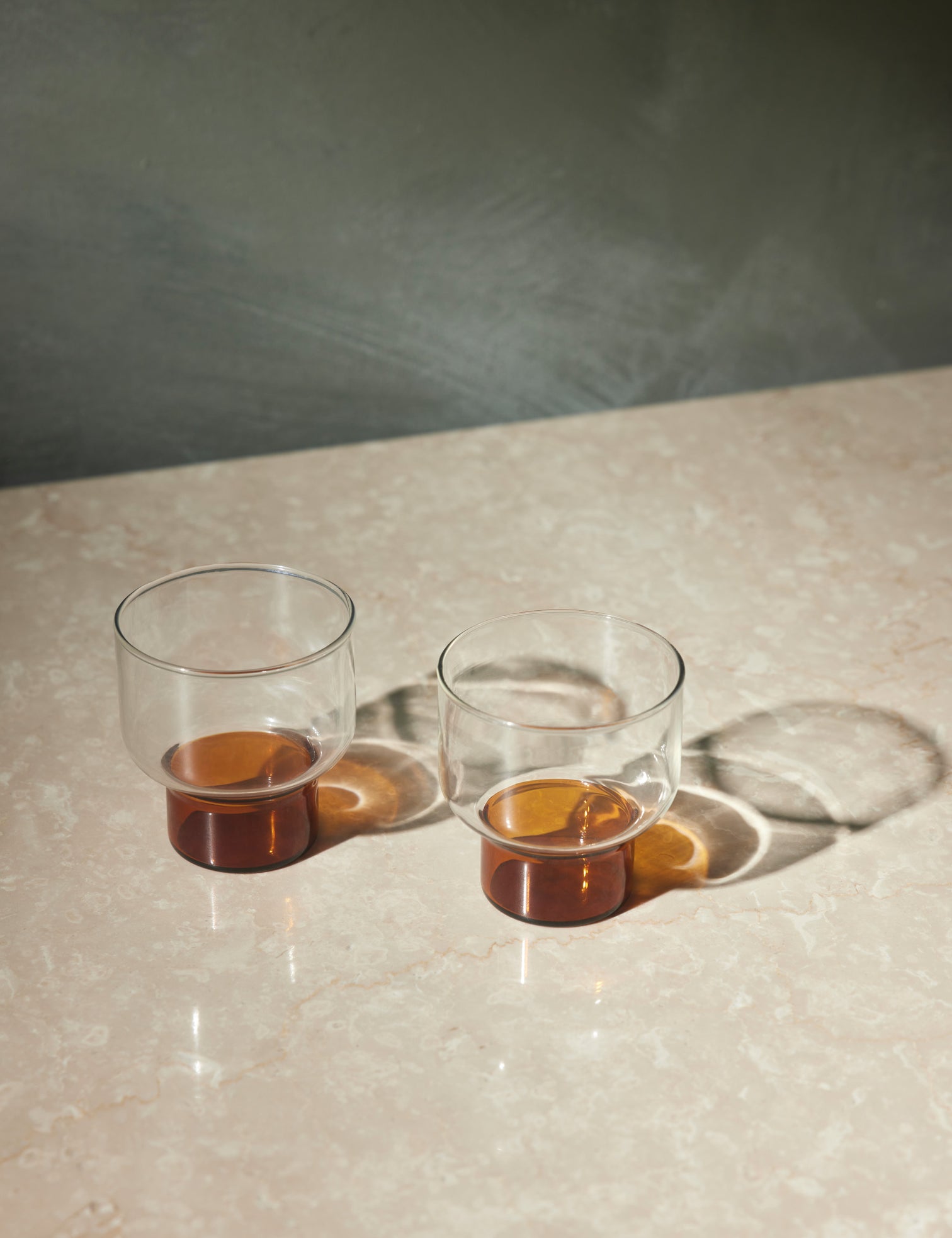

There are practical drinking glasses, and then there are drinking glasses that make a plain Tuesday night feel like it has hired a lighting designer. Hand-blown glassware in amber hues belongs firmly in the second category.
Warm, translucent, and a little mysterious, amber glass catches daylight like honey in a jar and turns candlelight into a private sunset. It can look antique without being dusty, modern without being cold, and glamorous without demanding that everyone wear velvet to dinner. Whether it appears as a rippled tumbler, a sculptural wineglass, a bottle-shaped vase, or a generously round pitcher, amber hand-blown glassware has a rare talent for being useful and irresistible at the same time.
That balance is exactly why it has become an object of desire in contemporary interiors. It is functional art with a job to do: hold water, pour wine, carry flowers, collect lemons, or simply sit on a shelf looking more composed than the rest of us.
Why Amber Glassware Feels So Special
Amber is not one fixed color. It is a full mood board hiding under one name. Some pieces lean pale and golden, like late-afternoon sunlight. Others deepen into whiskey, tobacco, caramel, burnt orange, or dark cognac. A single collection can shift in appearance as the light changes, which gives hand-blown amber glassware more visual range than a static matte object.
That is part of the magic. A clear glass disappears into a table setting. An opaque ceramic mug announces itself immediately. Amber glass lives between those two extremes. It has color, but it still lets light travel through it. The result is softer than painted dinnerware and warmer than ordinary clear glass.
In the morning, an amber tumbler can make orange juice look almost comically luxurious. At dinner, the same glass may appear darker and richer beside linen napkins, brass flatware, or a flickering taper candle. It is essentially a tiny atmospheric device that happens to hold a beverage.
Amber Is a Neutral With Better Stories
Designers often treat amber as a warm neutral because it works easily with materials already found in many homes. It pairs naturally with oak, walnut, rattan, leather, limestone, aged brass, cream linen, and woven textiles. Yet it also plays well with stronger colors, including moss green, plum, cobalt blue, dusty rose, black, and tomato red.
Unlike a trendy accent color that may feel dated by next season, amber has a long visual history. It recalls apothecary bottles, vintage cocktail sets, old-world perfume flasks, and richly colored stained glass. The hue brings nostalgia, but hand-blown forms keep it from feeling like a prop borrowed from a 1970s basement bar.
What Makes Hand-Blown Glassware Different?
Hand-blown glassware is not merely glassware with a fancy biography. The making process leaves visible evidence of human judgment, heat, timing, and tiny acts of controlled chaos.
A glassblower begins with molten glass gathered on the end of a metal blowpipe. The hot material is rolled and shaped, air is introduced to create a bubble, and tools are used to stretch, pinch, widen, flatten, or refine the vessel. Depending on the design, the piece may be transferred to a pontil, a temporary rod attached to the base so the maker can finish the rim and opening. Finally, it is slowly cooled in an annealing oven to reduce internal stress.
This process is skilled, physical, and surprisingly dramatic. Glass is cooperative for approximately three seconds, temperamental for the next two, and then suddenly behaves as though it has never heard of your plan. That is why a hand-blown vessel has character that a factory-perfect tumbler cannot imitate.
The Details Worth Looking For
When choosing handmade amber glassware, look beyond color. The best pieces feel alive in the hand. You may notice subtle variations in wall thickness, a faint spiral created during shaping, a tiny bubble, a slightly softened rim, or a gentle irregularity in the base. These are not automatically flaws. In many cases, they are the fingerprints of the making process.
A small pontil mark on the bottom can also signal that a vessel was worked by hand, although some makers polish the mark smooth. The key is not to hunt for imperfections as trophies. Instead, look for intentionality. A good handmade glass should feel stable, balanced, comfortable to hold, and thoughtfully finished.
One tumbler may be a touch taller than its sibling. One wineglass may have a slightly rounder bowl. That is not a reason to panic. It is the visual equivalent of having friends who do not all own the same haircut.
From Ancient Luxury to Modern Tableware
Colored glass has been admired for centuries because it combines usefulness with spectacle. Long before a colored tumbler became an easy way to upgrade a dinner party, glass objects could signal rarity, craftsmanship, trade, and social status. Amber-yellow glass vessels, including ancient perfume bottles and decorative containers, show that people have long been captivated by warm translucent color.
In the United States, the studio glass movement helped shift glass from a largely industrial material into a medium artists could explore independently. By the 1960s, artists and educators were developing ways to melt and work glass in smaller studio environments rather than relying entirely on large factories. That change expanded the possibilities for vessels that were both functional and artistic.
Today, amber hand-blown glassware sits comfortably in that overlap. A glass can be used every day, but it can also be admired as a small sculpture. It can hold sparkling water at lunch and become part of a centerpiece by evening. That flexibility is one reason collectors tend to keep adding “just one more” piece until the cabinet starts looking suspiciously like a boutique hotel bar.
How to Style Amber Hand-Blown Glassware at Home
The easiest way to style amber glass is to stop treating it like fragile holiday decor. It is most compelling when it enters daily life. Bring it out for breakfast, use it during a casual lunch, place a vase on a bathroom shelf, or set a small amber bowl beside the bed for jewelry. Repetition helps the color feel like part of the home rather than a seasonal guest who refuses to leave.
On the Dining Table
For a relaxed table setting, combine amber tumblers with off-white plates, natural linen napkins, and wood serving pieces. The look feels warm, layered, and unfussy. Add a low arrangement of olive branches, dried grasses, pears, or seasonal flowers to keep the centerpiece from blocking conversation.
For a more dramatic setting, pair deeper cognac-colored glassware with black stoneware, dark green linens, brass candlesticks, and taper candles. The overall effect is moody but not gloomy. Think less haunted mansion and more “someone here owns a very good record collection.”
On Open Shelves and Bar Carts
Amber glassware looks especially good when light can pass through it. Display a few glasses on open kitchen shelves, inside a glass-front cabinet, or on a bar cart near a window. Keep the grouping intentional by varying height rather than cramming every available surface.
A practical arrangement might include a pair of low tumblers, two stemmed glasses, a decanter or pitcher, and a small vase. The mixed silhouettes create visual rhythm while the shared amber tone keeps the display cohesive. You do not need twelve identical glasses for the setup to look polished. In fact, slight variation often makes it more interesting.
Beyond Drinks: Unexpected Uses for Amber Vessels
Amber glassware has plenty of jobs outside the kitchen. A short tumbler can become a bud vase for a single ranunculus or a few clipped garden stems. A small bowl can hold salt flakes, matches, wrapped candies, jewelry, or soap on a bathroom vanity. A tall bottle-shaped vase can hold eucalyptus branches or dried seed heads in an entryway.
Small amber glasses also work beautifully as votive holders. Candlelight passes through the color and creates a low, flattering glow that makes even takeout noodles feel like a deliberate lifestyle choice. Just be sure the vessel is appropriate for heat and use a properly sized candle or a battery-operated alternative.
Five Color Pairings That Make Amber Glass Shine
- Amber and cream: Soft, calm, and timeless. Use ivory linen, pale ceramics, and light wood for an easy everyday table.
- Amber and green: Olive, moss, and forest green make amber feel earthy and grounded. Add herbs, branches, or leafy stems for a natural finish.
- Amber and blue: Cobalt, navy, and dusty blue create a crisp contrast that makes warm glass feel brighter and more contemporary.
- Amber and burgundy: Deep wine tones add richness for fall dinners, winter gatherings, and tables that are not afraid of a little drama.
- Amber and black: Black linen, charcoal plates, or dark candles make golden glass look luminous and sculptural.
How to Buy Hand-Blown Amber Glassware Wisely
Because hand-blown glassware is often more expensive than mass-produced drinkware, it helps to buy with purpose. Start by deciding what you actually need. A set of four tumblers may make more sense than six decorative coupe glasses if you host casual meals more often than cocktail parties. A single sculptural vase might give you more pleasure than a cabinet full of pieces you are nervous to use.
Ask practical questions before buying. Is the item fully hand-blown, hand-finished, or machine-made with handmade details? Is it intended for daily use? Is it food-safe? Does the maker recommend hand washing? Are the dimensions and capacity suitable for your favorite drinks? Does the glass feel stable on a flat surface?
Also consider the rim. A thinner rim can feel elegant and refined, while a thicker rim may be more durable and casual. Neither is automatically better. The right choice depends on whether you want delicate stemware for special occasions or sturdy tumblers for everything from iced coffee to a midnight glass of water.
Collect Slowly Instead of Buying a Matching Army
One of the pleasures of amber glass is that it does not need to arrive in a perfectly matched twelve-piece set. Start with two tumblers you love. Add a pitcher later. Find a small vase from another maker. Introduce a pair of darker amber candleholders when you spot them. Over time, the collection becomes more personal and less like a showroom display.
Mixing different amber shades works especially well when the forms are related. You might combine honey-colored cups with smoked caramel vases, provided the silhouettes share a similar level of simplicity. The goal is variation with a common language, not a tabletop audition for every glass object ever made.
Care Tips for Amber Hand-Blown Glassware
Beautiful glassware deserves sensible care, not white gloves and a security detail. Many handmade pieces are best hand washed with mild dish soap, warm water, and a soft sponge or cloth. Avoid sudden temperature changes, such as pouring boiling liquid into a cool glass or rinsing a hot vessel under cold water. Thermal shock is not a personality trait your glassware can overcome.
Do not assume every hand-blown glass is dishwasher safe. Some makers approve dishwashers for certain products, while others recommend hand washing only. Check the maker’s instructions whenever possible, especially for colored, thin-walled, decorated, or highly sculptural pieces.
To reduce scratches, avoid abrasive scouring pads and rough cleaning powders. Dry glasses with a soft lint-free towel, and store them with enough space that rims and sides do not knock against one another in the cabinet. For stemware, avoid gripping the bowl tightly while drying. Hold the bowl and stem carefully rather than twisting them in opposite directions.
Why Amber Hand-Blown Glassware Remains an Object of Desire
The best objects do more than perform a function. They change the feeling of a moment. Amber hand-blown glassware can make water look more refreshing, flowers look more intentional, and a dining table look as though it has finally found its personality.
Its appeal comes from contrast: old-world color in modern forms, handmade irregularity in polished spaces, and decorative beauty that still earns its place in daily routines. It is not precious because it must remain untouched. It is precious because it becomes more meaningful through use.
So fill the glass. Pour the wine. Drop in a few stems from the grocery store. Let the late sun hit the table at exactly the right angle. A hand-blown amber tumbler will handle the rest, quietly making the ordinary look like it had a much better plan all along.
The Experience of Living With Amber Glassware
There is a particular pleasure in using a beautiful object before there is a special occasion to justify it. Amber hand-blown glassware invites that kind of behavior. It asks you to stop saving everything for “someday,” a date that has a suspicious habit of never checking its calendar.
Imagine a quiet Saturday morning. The kitchen is still half asleep, the coffee machine is doing its tiny industrial grumble, and sunlight has just begun to move across the counter. You pour sparkling water into an amber tumbler. Suddenly, the glass catches the light and turns the drink into a glowing golden object. Nothing dramatic has happened. No orchestra appears. Yet breakfast feels more considered.
That is the everyday experience amber glassware creates. It rewards attention without demanding it. A clear drinking glass performs its job efficiently. An amber hand-blown one creates a small visual pause. You notice the weight in your hand, the roundness of the rim, the way the color deepens where the glass is thicker, and the slight movement of light through a bubble or ripple in the surface.
At dinner, the experience changes again. A table set with amber glasses feels warmer before anyone even sits down. During daylight, the glass may look honey-colored and bright. As the room becomes dimmer, it shifts toward darker caramel and tobacco tones. Add candlelight, and the pieces begin to glow from within. They make the table feel intimate without becoming overly formal.
Guests notice them, too. Someone will pick up a tumbler and turn it slightly in their hand. Someone else will ask where you found the glasses. A friend may accidentally call them “too nice to use,” which is usually the exact moment you should hand them a napkin and insist that they use one immediately.
Amber glassware also changes the way a home feels between meals. A vase left empty on a shelf still catches the afternoon sun. A small tumbler on a bedside table makes a glass of water feel less like a chore. A few mismatched amber pieces in a kitchen cabinet create depth against white dishes and clear jars. The collection becomes part of the room’s atmosphere, not simply a set of objects waiting for company.
There is also comfort in the small imperfections of handmade glass. A tiny trapped bubble, a barely uneven base, or a faint spiral near the rim can make a piece feel more human. These details remind you that the object was shaped by heat, gravity, breath, and practiced hands rather than appearing from a conveyor belt with identical siblings.
Over time, the best pieces gather memories. One tumbler becomes the glass you reach for during late-night reading. A small amber bowl holds the keys from your first apartment in a new city. A vase appears in every holiday photo because it has quietly become part of the family’s visual history. Handmade glass acquires value not only through craft but through repetition.
That is why hand-blown glassware in amber hues is more than a tabletop trend. It is an invitation to make ordinary rituals feel richer. It does not need an expensive dinner, perfect flowers, or a spotless kitchen to work its charm. It only needs light, use, and a little appreciation for objects that know how to age gracefully.
Note: General care advice should always be secondary to the specific handling and cleaning instructions provided by the maker or retailer of each glass piece.