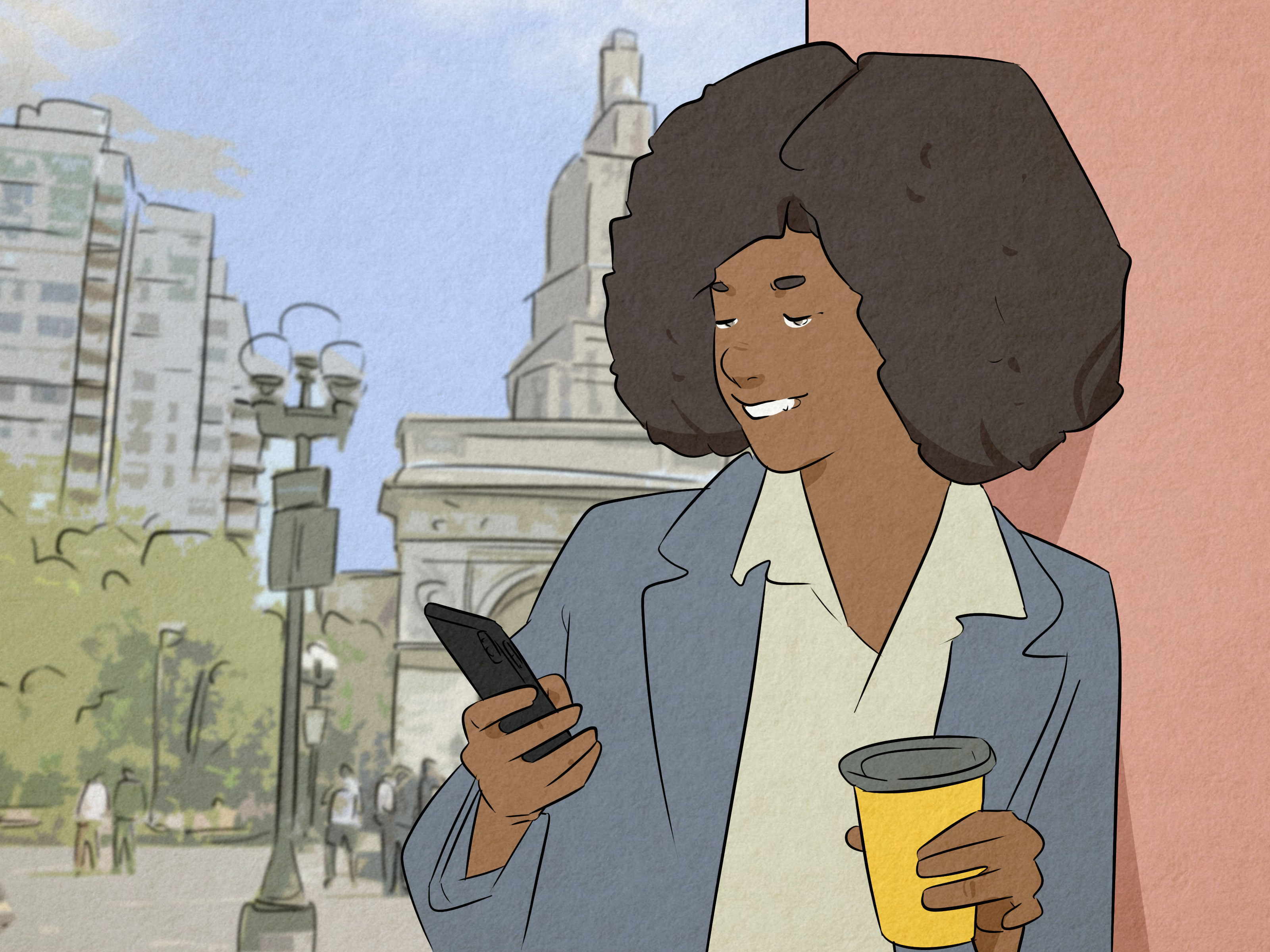

OOTD is one of those tiny internet abbreviations that somehow carries a full-length mirror, a ring light, three outfit changes, and a mild identity crisis. Short for “Outfit of the Day,” OOTD is used to describe what someone is wearing on a particular day, usually in a photo, video, caption, hashtag, blog post, or social media update.
At its simplest, OOTD means: “Here is today’s look.” At its most dramatic, it means: “I walked past a reflective window, saw potential, and now the world must know about these boots.”
The term became popular through fashion blogs, Instagram posts, Pinterest boards, YouTube style videos, TikTok clips, and everyday social media captions. Today, OOTD is used by influencers, brands, stylists, students, office workers, parents, fashion lovers, and anyone who has ever thought, “Actually, this outfit deserves documentation.”
This guide explains the meaning of OOTD, how to use it naturally, where it appears online, common examples, caption ideas, hashtag tips, and practical experiences that make the trend more useful than just another excuse to take 47 mirror selfies.
What Does OOTD Mean?
OOTD stands for Outfit of the Day. It refers to the clothes, shoes, accessories, hairstyle, and overall look a person wears on a specific day or for a specific occasion.
An OOTD can be casual, formal, trendy, vintage, sporty, luxurious, minimalist, thrifted, seasonal, or wildly experimental. It does not have to be expensive or magazine-perfect. A clean white T-shirt, jeans, sneakers, and a confident posture can absolutely count as an OOTD. So can a blazer, silk scarf, tailored trousers, and the expression of someone who remembered to steam their clothes.
Simple OOTD Definition
OOTD means the outfit someone wears and shares for the day, especially on social media. The abbreviation is commonly used in captions like:
- “Today’s OOTD: cozy cardigan, wide-leg jeans, and coffee-powered confidence.”
- “Work OOTD for a busy Monday.”
- “Vacation OOTD because this dress deserves a beach background.”
- “Rainy day OOTD: trench coat, boots, and emotional support umbrella.”
In other words, OOTD is not only about clothing. It is also about mood, context, personal style, and the small story behind a look.
Where Did OOTD Come From?
OOTD grew out of fashion blogging and early social media culture. Before short-form video took over everyone’s lunch break, bloggers and style enthusiasts regularly posted daily outfit photos on personal blogs, Tumblr, Instagram, and Pinterest. These posts helped readers discover outfit combinations, seasonal styling ideas, shopping inspiration, and realistic ways to wear trends.
As platforms became more visual, the phrase “outfit of the day” shortened into the faster, caption-friendly acronym “OOTD.” It was easy to type, easy to hashtag, and easy to understand. That made it perfect for Instagram captions, YouTube video titles, Pinterest boards, TikTok descriptions, and fashion community conversations.
Over time, OOTD moved beyond fashion influencers. It became part of everyday digital language. People now use it for school outfits, office looks, gym sets, wedding guest attire, date-night clothes, travel wardrobes, street style, maternity fashion, capsule wardrobes, and even pet outfits. Yes, your dog in a raincoat can have an OOTD. The internet has spoken.
How Is OOTD Used Today?
OOTD is mainly used online, but its meaning has expanded. It can describe a social media post, a photo series, a video, a caption, a hashtag, or the actual outfit itself.
1. As a Social Media Caption
The most common use is in captions. Someone posts a photo or video of their outfit and writes something like “OOTD for brunch” or “simple office OOTD.” This tells viewers that the focus is the clothing and styling.
2. As a Hashtag
The hashtag #OOTD helps categorize fashion content. People use it with related tags such as #OutfitInspiration, #StreetStyle, #FashionStyle, #DailyLook, #StyleInspo, #Workwear, or #CasualStyle. Hashtags can help users discover similar outfit ideas, although good captions, relevance, and strong visuals matter more than stuffing a post with every fashion tag known to humanity.
3. As a Blog or Video Topic
Fashion bloggers and creators often use OOTD in titles like “Summer OOTD Ideas,” “Fall Workwear OOTD,” or “Minimalist OOTD for Women.” These posts usually explain each clothing item, why the look works, and how readers can recreate it.
4. As Everyday Slang
People also use OOTD casually in conversation. A friend might say, “Your OOTD is so good,” meaning your outfit looks stylish today. It is a quick compliment with modern flair. Slightly more efficient than saying, “Your carefully assembled clothing arrangement is visually successful.”
OOTD Examples in Sentences
Here are natural examples of how to use OOTD in American English:
- “My OOTD is simple today: black jeans, a white tee, and loafers.”
- “I need an OOTD for a casual wedding.”
- “Her airport OOTD looks comfortable but still polished.”
- “Post your OOTD and tag the brand.”
- “This sweater is carrying my entire fall OOTD.”
- “I planned my vacation OOTDs before I booked the hotel. Priorities.”
- “Today’s office OOTD is business on top, sneakers on the bottom.”
- “That thrifted jacket makes the whole OOTD feel cooler.”
Popular Types of OOTD Content
OOTD posts are flexible. They can be polished, casual, funny, educational, or personal. The best ones usually show not only what someone wore but why the outfit works.
Casual OOTD
A casual OOTD might include jeans, sneakers, a cotton shirt, a hoodie, a denim jacket, or a simple dress. This style is popular because it feels relatable. Viewers can imagine wearing the same look to run errands, meet friends, or pretend they are only going to Target for one thing.
Work OOTD
Work OOTD content focuses on professional outfits. Examples include blazers, trousers, button-down shirts, midi skirts, loafers, knit tops, cardigans, and structured bags. These posts are useful for people building a work wardrobe or figuring out how to look polished without dressing like a corporate brochure.
Street Style OOTD
Street style OOTD posts often feel more creative. They may include oversized jackets, statement sneakers, layered jewelry, vintage denim, graphic tees, cargo pants, or bold sunglasses. The goal is usually personality, not perfection.
Date Night OOTD
Date night outfits often balance confidence and comfort. Popular choices include slip dresses, fitted tops, leather jackets, tailored pants, heels, boots, or sleek accessories. A great date night OOTD says, “I tried,” without saying, “I tried so hard I forgot how to sit down.”
Travel OOTD
Travel OOTD content is especially popular because it combines style with function. Think airport outfits, vacation dresses, walking shoes, linen sets, sun hats, crossbody bags, and layers for unpredictable weather. A good travel OOTD survives photos, sightseeing, and at least one questionable airport sandwich.
Seasonal OOTD
Seasonal OOTD posts are built around weather and mood. Fall OOTDs feature boots, coats, scarves, knits, and warm colors. Summer OOTDs include linen, sandals, shorts, tank tops, and breathable dresses. Winter OOTDs revolve around layering, while spring OOTDs bring lighter jackets, florals, soft colors, and optimism that may or may not survive allergy season.
How to Create a Good OOTD Post
A strong OOTD post does not require designer clothing or a professional camera. It needs clarity, personality, and a little styling intention.
Choose a Clear Theme
Before posting, decide what the outfit represents. Is it a work look? A rainy-day outfit? A thrifted style challenge? A capsule wardrobe idea? A birthday dinner look? A clear theme makes the post more useful and easier to understand.
Show the Full Outfit
OOTD content works best when viewers can see the full look, including shoes and accessories. A mirror photo, street shot, or short video can all work. Good lighting helps. So does cleaning the mirror, a humble but powerful act of public service.
Explain the Pieces
People love knowing where items came from, but you do not always need to list brands. You can describe the outfit by category: “linen shirt, straight-leg jeans, woven belt, brown sandals.” This helps readers recreate the look with what they already own.
Add Styling Notes
Briefly explain why the outfit works. Maybe the colors are balanced, the layers add texture, the shoes make it practical, or the accessories dress it up. Styling notes turn a simple post into helpful fashion content.
Use Relevant Hashtags
Hashtags should describe the outfit accurately. Instead of using a long chain of generic tags, choose a few specific ones. For example, a neutral office outfit might use #OOTD, #WorkwearStyle, #OfficeOutfit, #MinimalStyle, and #NeutralOutfit. Relevance beats chaos every time.
OOTD Caption Ideas
Captions can make an OOTD post more engaging. They can be simple, stylish, funny, or descriptive depending on your personality and audience.
Short OOTD Captions
- “Today’s look.”
- “OOTD, but make it comfortable.”
- “Simple pieces, good mood.”
- “Casual, but not accidental.”
- “Wearing confidence and clean sneakers.”
Funny OOTD Captions
- “My outfit said ‘productive adult.’ My inbox disagreed.”
- “OOTD: dressed like I have plans. I do not.”
- “This look was brought to you by laundry day.”
- “Wore real pants today. Please clap.”
- “Serving layers because the weather chose drama.”
Professional OOTD Captions
- “Polished workwear for a packed meeting day.”
- “A neutral office outfit with comfortable loafers.”
- “Classic blazer, relaxed trousers, and simple accessories.”
- “Work OOTD: structured, comfortable, and easy to repeat.”
OOTD for Brands and Influencers
For brands, OOTD content can be more than a cute post. It can show products in real life. A dress on a product page is helpful, but a dress styled for brunch, vacation, work, or a holiday party gives shoppers context. It answers the practical question: “How would this actually fit into my life?”
Influencers use OOTD posts to build a recognizable style identity. Some focus on affordable fashion, some on luxury pieces, some on sustainable wardrobes, and others on styling one item multiple ways. The most successful OOTD creators usually offer consistency, authenticity, and practical inspiration. Their audience comes back because the outfits feel useful, not just untouchably perfect.
OOTD posts can also support affiliate marketing, brand collaborations, product launches, and community engagement. However, transparency matters. If a post includes gifted items or paid partnerships, creators should clearly disclose that relationship according to advertising guidelines and platform rules. Trust is much harder to replace than a trendy jacket.
OOTD and Personal Style
One underrated benefit of OOTD content is self-discovery. Taking outfit photos can help you notice patterns. Maybe you wear black jeans three times a week. Maybe you keep buying bright colors but only feel comfortable in neutrals. Maybe every outfit improves when you add a belt. Your camera roll may become a surprisingly honest wardrobe consultant.
OOTD posts can also encourage creativity. You might restyle old pieces, experiment with layering, or build outfits around items you forgot you owned. Instead of constantly buying new clothes, you can use OOTD as a tool to understand what already works in your closet.
That said, OOTD culture has a downside when it becomes too focused on constant consumption. Feeling pressured to post a new outfit every day can lead to unnecessary shopping, comparison, and waste. The healthiest approach is to treat OOTD as inspiration, not a commandment. Repeating outfits is normal. Rewearing favorites is stylish. Your black blazer does not need to enter witness protection after one Instagram appearance.
Common Mistakes When Using OOTD
Using Too Many Hashtags
A long wall of hashtags can make a caption look messy. Choose specific, relevant hashtags instead of copying every popular fashion tag. A focused set of tags usually feels more professional and helps the right audience understand the post.
Posting Without Context
A photo alone can look nice, but context makes it useful. Mention where you wore the outfit, what inspired it, or why you chose certain pieces. A little explanation helps readers connect with the look.
Confusing OOTD with a Dress Code
OOTD is not a dress code. It is a description of an outfit. “Business casual” tells you how to dress for a setting. “OOTD” tells people you are sharing what you wore.
Thinking OOTD Must Be Expensive
Great style is not measured by price tags. Thrifted outfits, budget basics, hand-me-downs, vintage finds, and repeated staples can all create excellent OOTD content. The real magic is in fit, proportion, color, confidence, and creativity.
Related Terms to Know
OOTD belongs to a larger family of fashion and social media vocabulary. Here are a few related terms:
- Fit: A slang term for outfit, often used in phrases like “nice fit.”
- GRWM: “Get Ready With Me,” a video format where someone shows the process of getting dressed or preparing for the day.
- Style inspo: Short for style inspiration.
- Capsule wardrobe: A smaller collection of versatile clothing pieces that can be mixed and matched.
- Street style: Fashion inspired by real people and everyday public spaces rather than runway styling alone.
- Lookbook: A collection of styled outfits, often organized by season, theme, or brand.
Practical OOTD Examples by Situation
School OOTD
A school OOTD might include straight-leg jeans, a graphic tee, a zip hoodie, sneakers, and a backpack. It should be comfortable enough for classes but still expressive enough to show personality.
Office OOTD
An office OOTD could include tailored pants, a knit top, loafers, a blazer, and a structured tote. For a more relaxed workplace, dark jeans and a polished cardigan may work well.
Weekend OOTD
A weekend OOTD may be built around comfort: relaxed denim, a soft sweater, sneakers, and a crossbody bag. Add sunglasses and suddenly it looks intentional instead of “I got dressed in seven minutes.”
Wedding Guest OOTD
A wedding guest OOTD might feature a midi dress, low heels, a clutch, simple jewelry, and a wrap or jacket. The key is to respect the dress code while avoiding white unless the couple specifically allows it.
Gym OOTD
A gym OOTD includes activewear such as leggings, shorts, a tank, a sports bra, trainers, and a light jacket. Function matters most, but coordinated gym sets have made fitness mirrors busier than ever.
Why OOTD Still Matters
OOTD remains popular because it is simple, visual, and personal. It gives people an easy way to share style, find outfit inspiration, discover brands, document their wardrobe, and connect with others who enjoy fashion.
Unlike high-fashion editorials, OOTD content often feels accessible. It shows clothing in apartments, sidewalks, offices, college campuses, airports, coffee shops, and messy bedrooms with one suspicious chair covered in clothes. That real-life quality is part of the appeal.
At its best, OOTD is not about showing off. It is about expression. It says: “This is what I chose today, and here is a little piece of who I am.” Sometimes that piece is elegant. Sometimes it is chaotic. Sometimes it is just sweatpants with ambition. All are valid.
Extra Experiences: What OOTD Teaches in Real Life
After watching how people use OOTD content online and in everyday life, one clear lesson stands out: the best outfits are not always the most expensive or complicated. They are the ones that solve a real problem. A good OOTD can help someone feel more confident before a presentation, more comfortable during a long travel day, more expressive on a weekend, or more put together when life is moving faster than expected.
One practical experience many people have with OOTD is learning the value of outfit formulas. Instead of waking up every morning and negotiating with a closet like it is a tiny fabric courtroom, you can create reliable combinations. For example, jeans plus a fitted tee plus a blazer plus loafers can become a smart casual formula. A midi skirt plus a tucked-in sweater plus ankle boots can become a fall formula. Linen pants plus a tank plus sandals can become a summer formula. OOTD photos help you remember which formulas worked and which ones looked better in your imagination than in fluorescent bathroom lighting.
Another experience is discovering the importance of fit. Many people focus first on colors, trends, or brands, but fit often decides whether an outfit looks polished. A simple outfit can look expensive when the proportions are right. A costly outfit can look awkward if the shoulders pull, the pants drag, or the sleeves behave like they are trying to escape. Taking OOTD photos can reveal these details quickly. The camera notices things the mirror politely ignored.
OOTD content also teaches people to dress for their actual lives. It is easy to save hundreds of dreamy outfit ideas that involve silk trousers, tiny handbags, and shoes designed by someone who has never walked across a parking lot. Real style needs to work with your schedule, climate, job, commute, and comfort level. A practical OOTD respects the weather, the occasion, and your feet. Especially your feet. They remember everything.
For creators, OOTD posts can become a useful storytelling habit. Instead of simply posting “Here is what I wore,” they can explain the reason behind the look. Maybe the outfit was built around one thrifted jacket. Maybe it was a challenge to style one black dress three ways. Maybe it was a workwear look for hot weather. These details turn a basic photo into content with value. People do not just want to see clothes; they want ideas they can use.
For everyday users, OOTD can build confidence. Posting an outfit may feel awkward at first, especially for people who do not consider themselves fashionable. But personal style grows through practice. You learn what colors make you feel awake, what silhouettes make you stand taller, what accessories feel natural, and what trends are simply not paying rent in your life. You also learn that repeating outfits is not embarrassing. In fact, repeating a great outfit is proof that you know what works.
Finally, OOTD can help people shop smarter. When you document outfits, you can see which items you wear constantly and which ones are just closet decorations with sleeves. This makes future shopping more intentional. You may realize you need better basics, more comfortable shoes, or fewer “special occasion” tops for occasions that apparently never arrive. A thoughtful OOTD habit can turn fashion from impulse buying into personal editing.
The real experience behind OOTD is not vanity. It is awareness. It helps people understand how clothing affects mood, movement, identity, and daily confidence. Whether you post publicly or keep photos for yourself, OOTD can become a small creative ritual. It is a way to ask, “What do I want to feel like today?” and then answer with fabric, color, shape, and maybe a pair of sunglasses that make errands feel slightly cinematic.
Conclusion
OOTD means “Outfit of the Day,” but the term has grown into much more than a simple acronym. It is a social media caption, a hashtag, a fashion-blog format, a personal style tool, and a fun way to document daily life through clothing. From casual looks to office outfits, travel wardrobes, street style, and special-event dressing, OOTD helps people share what they wear and why it works.
The best OOTD content is clear, useful, authentic, and personal. It does not require luxury brands, perfect lighting, or a closet the size of a studio apartment. It only requires intention. Show the outfit, explain the idea, use relevant hashtags, and let your style say something honest. Fashion should be expressive, practical, and enjoyable. If your outfit makes you feel like the main character while buying toothpaste, congratulationsthat is OOTD energy.