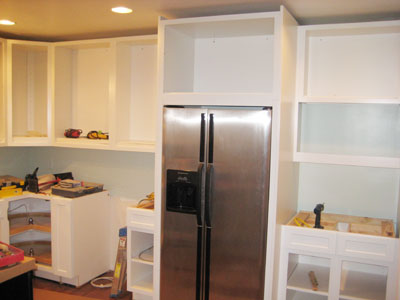

Our kitchen cabinets are like Mariah Carey: glamorous, hardworking, occasionally demanding, and absolutely impossible to ignore during the holidays. They hit the high notes of storage, style, and daily function, but they also expect a little respect. Ignore them for too long, and suddenly there is grease on the doors, cereal boxes leaning like backup dancers, and one drawer that refuses to close without dramatic flair.
Kitchen cabinets may not have a five-octave vocal range, but they do have range. They hold dinner plates, spices, mixing bowls, coffee mugs, secret chocolate, the “good” serving tray nobody is allowed to touch, and that one reusable water bottle lid that has been missing since 2022. Cabinets are the quiet stars of the kitchenuntil they squeak, chip, sag, or clash with the rest of the room. Then, like any true diva, they demand center stage.
This article explores why kitchen cabinets deserve a little celebrity-level attention, how to choose and maintain them, what current cabinet design trends say about our homes, and how to make your cabinets beautiful without letting them act like they need their own dressing room.
Why Kitchen Cabinets Are the Headliners of the Room
In most kitchens, cabinets take up more visual space than almost anything else. Countertops matter, appliances matter, lighting mattersbut cabinets are the backdrop, the structure, and the storage system all in one. When cabinets look tired, the whole kitchen feels tired. When they look polished, even an ordinary Tuesday-night pasta situation feels a little more put together.
Think of cabinets as the kitchen’s wardrobe. A room with plain, damaged, or poorly fitted cabinets is like showing up to a red-carpet event in socks and sandals. Functional? Technically. Memorable? Unfortunately, yes. Well-designed cabinets, on the other hand, help the kitchen feel intentional, balanced, and inviting.
The Mariah Carey Comparison: Glamour Meets Maintenance
The joke works because kitchen cabinets, like a superstar, combine beauty with maintenance. They can be stunning. They can transform the entire atmosphere of a room. They can also collect fingerprints faster than a celebrity collects paparazzi.
They Need the Right Lighting
Cabinets change dramatically under different lighting. A warm white cabinet can look creamy and elegant in soft light but yellowish under the wrong bulb. Dark green cabinets can feel rich and moody in daylight but gloomy in a poorly lit kitchen. Under-cabinet lighting, pendant lights, and natural light all affect how cabinet colors and finishes appear.
They Have a Signature Look
Some cabinets are classic Shaker, some are sleek flat-panel, and some are glass-front showpieces that say, “Yes, I alphabetize my mugs emotionally.” Like a celebrity with a recognizable style, your cabinets tell guests what kind of kitchen they have entered: cozy farmhouse, modern minimalist, traditional family kitchen, or “I watch design shows and took notes.”
They Require a Care Routine
Grease, steam, dust, and fingerprints are part of kitchen life. Cabinets near the stove often collect the most residue, while handles and pulls gather oils from daily use. Regular cleaning with mild solutions, soft cloths, and careful drying keeps cabinets looking fresh. Harsh scrubbing, excess water, and abrasive tools can damage finishes, especially on painted wood, laminate, or veneer.
Cabinet Materials: The Backup Singers That Make the Performance Work
Behind every beautiful cabinet door is a material choice. The front may get the applause, but the cabinet box and construction determine durability. Common cabinet materials include solid wood, plywood, medium-density fiberboard, particleboard, laminate, thermofoil, and wood veneer. Each has strengths and drawbacks.
Solid Wood
Solid wood is durable, repairable, and naturally beautiful. It can be stained to show off grain or painted for a clean finish. However, wood expands and contracts with humidity, so quality construction matters. It is also usually more expensive than engineered materials.
Plywood
Plywood is often used in higher-quality cabinet boxes because it is strong and more resistant to warping than some cheaper materials. It is made from layered wood veneer, which gives it stability. For homeowners who want durability without going fully custom, plywood boxes can be a smart middle ground.
MDF
MDF, or medium-density fiberboard, is smooth, stable, and excellent for painted cabinet doors. Because it does not have a visible grain, it creates a clean finish. The downside is that it can be vulnerable to moisture damage if not sealed and maintained properly.
Particleboard
Particleboard is common in budget or stock cabinets. It is affordable and useful in many applications, but it is generally less durable than plywood. If exposed to water, it can swell or weaken. It is the cabinet equivalent of a pop song that sounds catchy at first but may not age as well as the classics.
Cabinet Styles That Still Know How to Hit the High Notes
Kitchen cabinet trends change, but some styles keep returning because they are practical, attractive, and adaptable. The best cabinet choice is not always the trendiest one. It is the one that fits your home, your cooking habits, and your patience level for cleaning tiny decorative grooves.
Shaker Cabinets
Shaker cabinets remain popular because they are simple without being boring. Their recessed panel design works in traditional, transitional, farmhouse, and modern kitchens. They can be painted white, navy, green, black, beige, or just about any color that does not make your guests quietly panic.
Flat-Panel Cabinets
Flat-panel cabinets are sleek, smooth, and easy to wipe down. They are a strong choice for modern kitchens, small kitchens, and anyone who wants a clean look without extra ornamentation. Their simplicity lets hardware, countertops, backsplash, and lighting take a bigger role.
Glass-Front Cabinets
Glass-front cabinets are beautiful, but they come with one condition: the inside must behave. If you own matching dishes and enjoy visual order, glass doors can make the kitchen feel lighter and more open. If your cabinet interior resembles a yard sale in a wind tunnel, consider using glass-front doors sparingly.
Natural Wood Cabinets
Wood cabinetry is having a warm, stylish moment. Homeowners are moving beyond stark white kitchens and embracing oak, walnut, stained wood, and organic textures. Natural wood adds depth and comfort, especially when paired with stone counters, warm metals, handmade tile, or soft neutral walls.
Color Choices: When Cabinets Decide to Be the Main Character
White cabinets are still versatile, but they are no longer the only safe choice. Warm neutrals, earthy greens, deep blues, mushroom tones, taupe, cream, walnut, and stained oak are all strong options for homeowners who want personality without chaos.
The trick is balance. Bold cabinet colors work best when the rest of the kitchen supports them. Forest green lower cabinets with brass hardware can feel elegant. The same green paired with six competing patterns, red appliances, and fluorescent lighting may feel like the kitchen is yelling.
Two-tone cabinets are another smart option. You might choose darker lower cabinets and lighter uppers, or a wood island with painted perimeter cabinets. This adds contrast while keeping the kitchen grounded.
Hardware: The Jewelry of the Cabinet World
Cabinet hardware is small, but it has big personality. Knobs, pulls, cup handles, latches, and edge pulls can shift the style of the entire kitchen. Think of hardware as earrings for your cabinets. Tiny detail, huge attitude.
Warm metals such as brass, bronze, and champagne finishes can add softness. Matte black hardware creates contrast and works especially well with white, wood, or green cabinets. Nickel and chrome remain classic choices, especially in traditional or transitional kitchens.
For a more custom look, mix hardware thoughtfully. For example, use knobs on doors and pulls on drawers. Avoid mixing too many finishes unless you have a clear plan. Otherwise, the kitchen may look like it got dressed during a power outage.
How to Keep Cabinets Looking Stage-Ready
Cabinet cleaning does not need to be complicated, but it does need to be consistent. Kitchens produce grease, moisture, crumbs, and fingerprints. Even the most beautiful cabinets will lose their sparkle if they are ignored.
Use Gentle Cleaners First
A mild dish soap solution and a soft microfiber cloth are often enough for routine cleaning. Wipe cabinet doors, handles, edges, and high-touch areas. Follow with a clean damp cloth, then dry the surface. Drying matters because standing moisture can damage wood and engineered materials.
Deal With Grease Carefully
Sticky grease near the stove may need extra attention. A baking soda paste can help loosen stubborn spots, but it should be used gently. Always test cleaners in a hidden area first, especially on painted, stained, or laminate cabinets.
Avoid Cabinet Drama
Do not soak cabinet doors with water. Do not attack the finish with abrasive pads. Do not use harsh chemicals unless the manufacturer says it is safe. Cabinets are strong, but their finishes can be surprisingly sensitive. Treat them like a diva with a strict skincare routine.
Painting Cabinets: The Big Comeback Tour
Painting kitchen cabinets can completely change a room without replacing every box and door. It is one of the most dramatic cabinet updates, but it is not a shortcut for the impatient. The final result depends on preparation.
Before painting, cabinets should be cleaned thoroughly, degreased, sanded or scuff-sanded as needed, repaired, primed, and painted with a durable product designed for cabinetry or trim. Skipping prep is like asking someone to sing live after eating crackers in a windstorm. Technically possible, but not recommended.
Acrylic-based latex paints and cabinet-specific enamel finishes are popular because they can create a hard, wipeable surface. The right brush, roller, or sprayer also matters. If your cabinets have heavy damage, peeling laminate, water swelling, or failing thermofoil, replacing doors or refacing may be smarter than painting.
Storage: Because Even Divas Need Organization
A beautiful cabinet exterior means very little if the inside is chaos. Smart storage makes daily cooking easier and prevents the classic kitchen mystery: owning three jars of cumin because each one was hiding behind something taller.
Pull-Out Shelves
Pull-out shelves make deep cabinets easier to use. Instead of kneeling on the floor and excavating cookware like an archaeologist, you can slide the contents toward you.
Lazy Susans and Corner Solutions
Corner cabinets are famous for becoming dark caves of forgotten appliances. Lazy Susans, half-moon shelves, pull-out corner systems, and specialized drawers can make these awkward spaces much more useful.
Drawer Dividers
Drawer dividers are small heroes. They keep utensils, measuring spoons, wraps, lids, and kitchen tools from forming a metallic jungle. Once you use them, it is hard to go back.
Vertical Storage
Vertical dividers are excellent for baking sheets, cutting boards, muffin pans, and trays. They make items easier to grab and prevent the loud cabinet avalanche that always happens when someone is trying to be quiet.
When to Replace, Reface, or Refresh Kitchen Cabinets
Not every cabinet problem requires a full remodel. Sometimes a refresh is enough. Other times, the cabinets are structurally tired and need a bigger solution.
Refresh
Choose a refresh if your cabinet boxes are solid and the layout works. New hardware, better organization, touch-up paint, lighting, or a deep cleaning can make a surprising difference.
Reface
Refacing may be a good option when cabinet boxes are in good condition but doors and drawer fronts look dated. This usually involves replacing doors and drawer fronts while applying a new veneer or finish to visible frames.
Replace
Replacement makes sense when cabinet boxes are damaged, the layout is poor, storage is inadequate, or you are already doing a major kitchen renovation. Replacement allows you to rethink traffic flow, appliance placement, pantry storage, and accessibility.
Budget Considerations: The Glamour Has a Price Tag
Kitchen cabinets can be one of the largest expenses in a kitchen renovation. Stock cabinets usually cost less but offer fewer sizes and finish options. Semi-custom cabinets provide more flexibility. Custom cabinets offer the most control, but they also come with the highest price.
Before spending money, decide what matters most: durability, appearance, storage, layout, resale value, or a specific design style. A family that cooks every day may benefit from sturdy boxes, soft-close drawers, and practical pull-outs. A homeowner preparing to sell may focus on a clean, broadly appealing look.
Also consider hidden costs such as installation, hardware, trim, crown molding, lighting, delivery, demolition, and possible repairs to walls or floors. Cabinets rarely travel alone. They bring an entourage.
Small Kitchen Cabinets: Big Voice, Tiny Stage
In a small kitchen, cabinets need to work harder. The goal is to create storage without making the room feel crowded. Light colors, glass accents, open shelving in small doses, vertical storage, and ceiling-height cabinets can help maximize space.
Flat-panel doors can make a compact kitchen feel cleaner and less busy. Pull-out pantry cabinets can squeeze storage into narrow gaps. Toe-kick drawers can hide flat items. Even the inside of cabinet doors can hold racks for spices, wraps, cleaning tools, or measuring cups.
Small kitchens are like intimate concert venues: every detail is noticeable. Choose finishes, hardware, and storage accessories with care.
Cabinet Mistakes That Deserve a Dramatic Side-Eye
Some cabinet mistakes are common, but they are avoidable. The first is choosing style over function. A cabinet may look gorgeous online, but if it cannot store your dishes, pots, pantry items, and small appliances, it will become a daily frustration.
The second mistake is ignoring scale. Oversized hardware on tiny doors can look awkward. Tiny knobs on massive drawers can feel impractical. Balance matters.
The third mistake is skipping samples. Cabinet colors look different in your home than they do in a showroom or on a screen. Always test colors and finishes in your actual lighting before committing.
The fourth mistake is forgetting maintenance. High-gloss finishes show fingerprints. Dark cabinets can reveal dust. Detailed door profiles collect grime. None of these are deal breakers, but you should know what kind of relationship you are signing up for.
Experiences Related to “Our Kitchen Cabinets Are Like Mariah Carey”
The first time I realized kitchen cabinets had celebrity energy was during a simple “quick cleaning” project. The plan was innocent: wipe the cabinet doors, organize a few shelves, and move on with life. Two hours later, I was standing on a step stool, holding three mismatched travel mugs, wondering why one cabinet contained birthday candles, soy sauce packets, a lonely tea strainer, and a warranty booklet for an appliance we no longer owned.
That is when the Mariah Carey comparison became painfully clear. Our cabinets looked elegant from across the room, but up close they had demands. The white doors wanted constant wiping. The handles wanted polishing. The corner cabinet wanted a search party. The spice shelf wanted legal intervention. Like a superstar preparing for a holiday special, everything needed staging, lighting, and a little emotional support.
Another memorable cabinet experience involved painting. The inspiration photos made it look easy: remove doors, brush on a dreamy color, and suddenly the kitchen becomes magazine-worthy. In reality, cabinet painting is a relationship test. You label hinges. You clean grease from places you did not know grease could live. You sand. You prime. You wait. You paint. You wait again. Then you discover one tiny drip in the exact place your eye will notice forever.
But when it works, it really works. A tired cabinet can become fresh, stylish, and surprisingly expensive-looking with the right prep and finish. New hardware can make old doors feel intentional. Soft-close hinges can turn a noisy kitchen into a civilized space. Drawer organizers can make you feel like the kind of person who definitely has their life together, even if your sock drawer tells a different story.
The funniest cabinet lesson is that storage expands to meet the available space. Give a household more cabinets, and those cabinets will fill up. Somehow, an empty shelf attracts serving bowls, holiday tins, blender attachments, lunch containers, and mysterious lids with no matching bottoms. Cabinets are generous, but they are not magical. Without a system, they become glamorous clutter hotels.
That is why the best kitchen cabinets are not just pretty. They support real life. They hold the everyday plates close to the dishwasher. They keep spices near the stove. They store snacks where kids can reach them and cleaning products where they cannot. They allow room for the big soup pot, the awkward roasting pan, and the sentimental mug shaped like an animal that nobody uses but nobody is allowed to donate.
Our kitchen cabinets are like Mariah Carey because they remind us that beauty and performance require care. They can be iconic, but they cannot be ignored. They need cleaning, editing, organizing, and the occasional upgrade. Treat them well, and they will make the whole kitchen sing. Neglect them, and they may still look fine from a distance, but inside they will be hitting notes only dogs can hear.
Conclusion
Kitchen cabinets are more than storage boxes attached to a wall. They shape the room’s style, influence daily routines, and carry much of the kitchen’s visual weight. Like Mariah Carey, they can be glamorous, memorable, and a little high-maintenancebut that is part of the charm.
Whether you choose natural wood, painted Shaker doors, sleek flat panels, bold hardware, or clever pull-out storage, the best cabinets combine beauty with function. Clean them gently, organize them honestly, and design them around the way you actually live. A kitchen does not need to be perfect to feel special. It just needs cabinets that know their role, hold their notes, and maybe sparkle a little under the right lighting.