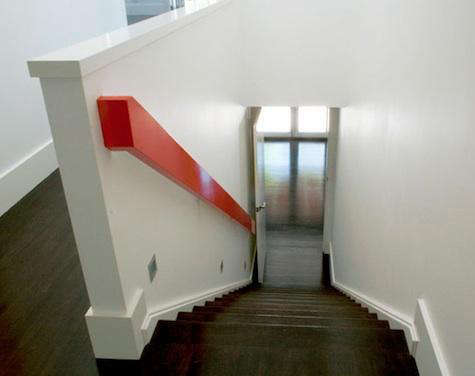

A red painted banister is not for the shy staircase. It does not whisper, “Please notice me when convenient.” It clears its throat, steps into the foyer, and says, “Yes, this house has opinions.” And honestly? Good. In a world full of safe white trim, beige walls, and stair rails that look like they were chosen during a group meeting nobody enjoyed, a red banister brings personality, warmth, and a delicious little spark of design courage.
The beauty of a red painted banister is that it can feel classic, modern, rustic, dramatic, playful, or quietly sophisticated depending on the shade and surrounding palette. A lacquered cherry-red railing in a bright entryway feels energetic and editorial. A deep oxblood banister beside warm wood floors feels moody and historic. A muted brick red against creamy walls has the soft charm of an old New England inn, minus the creaky mattress and questionable wallpaper.
Used well, red is not just a color. It is architecture with lipstick. It defines the staircase, frames movement, and turns a practical handrail into a design feature. The trick is choosing the right red, preparing the surface properly, and building a color palette that supports the banister instead of making the room look like it accidentally joined a marching band.
Why a Red Painted Banister Works So Well
Staircases are natural focal points. They connect levels, guide the eye upward, and often sit in highly visible spaces such as foyers, hallways, and living rooms. Yet many banisters are treated like background actors. They are stained brown, painted white, or ignored until a moving box chips them. Painting the banister red changes that immediately.
Red has visual weight. It draws attention faster than most colors, which makes it perfect for architectural details that deserve a little applause. A painted stair railing can create rhythm as it moves up the wall, especially when paired with neutral walls, patterned runners, or wood treads. It also adds contrast, one of the easiest ways to make a space feel designed rather than merely decorated.
The best part is scale. Painting an entire room red can feel bold, even theatrical. Painting a banister red gives you the drama in a smaller, more manageable dose. It is the design equivalent of wearing great red shoes with jeans: confident, memorable, and much less risky than showing up in a full sequined jumpsuit before noon.
Choosing the Right Red Paint Color
Not all reds behave the same. Some are crisp and clean, some are earthy, some lean orange, and others carry blue, brown, or purple undertones. Before picking a can of paint based on a tiny paper chip under fluorescent store lighting, consider the mood you want your staircase to create.
Classic True Red
A true red painted banister feels cheerful, graphic, and timeless. It works beautifully in homes with black-and-white floors, bright white trim, vintage posters, or playful eclectic decor. This shade makes the staircase feel intentional and energetic. Use it when the surrounding space is simple enough to let the railing shine.
Brick Red
Brick red is warm, grounded, and easier to live with than a fire-engine red. It pairs naturally with oak floors, woven textures, terracotta pots, antique rugs, and creamy walls. If your home leans farmhouse, cottage, Craftsman, or traditional, a brick red banister can look like it has always belonged there.
Oxblood and Burgundy
Deep red shades such as oxblood, burgundy, and wine create instant sophistication. They are excellent choices for historic homes, narrow stair halls, libraries, and interiors with brass, dark wood, olive green, charcoal, or warm off-white. These colors feel dramatic without shouting. They are the velvet blazer of the red paint family.
Tomato Red and Coral Red
Orange-leaning reds feel sunny, casual, and slightly Mediterranean. They can warm up a space with cool northern light or add energy to a beach house, bungalow, or colorful modern interior. Pair them with natural wood, linen, cane, sky blue, or soft sage to keep the look fresh rather than frantic.
Building a Palette Around a Red Banister
A red banister rarely succeeds alone. It needs a supporting cast. The surrounding paint colors, flooring, stair runner, lighting, and hardware all influence whether the finished look feels chic or chaotic.
Red Banister with White Walls
White walls are the easiest backdrop for a red stair railing. They allow the color to read cleanly and make the banister feel crisp. However, choose the right white. A cold, bluish white can make some reds look harsh. A warm white, ivory, or soft cream often creates a more welcoming effect, especially with brick, burgundy, or oxblood tones.
Red Banister with Wood Treads
Wood and red are old friends. Warm oak, walnut, pine, and mahogany can all work with red, provided the undertones do not fight. Brick red and oxblood usually look wonderful with medium and dark woods. Clear bright red can work with pale woods, particularly in modern or Scandinavian-inspired spaces.
Red Banister with Black Accents
Black details sharpen a red banister. Think black picture frames, a black front door, black stair rods, or a graphic black-and-white runner. This combination adds structure and prevents the red from floating around like an enthusiastic balloon.
Red Banister with Patterned Runners
A stair runner can make a red banister feel layered and expensive. Persian-style runners, stripes, small geometrics, and kilim-inspired patterns all pair well with the right shade of red. The key is repetition. If the runner includes even a hint of the banister color, the whole staircase feels coordinated rather than coincidental.
Paint Finish Matters More Than You Think
A banister is a high-touch surface. Hands slide along it daily, bags bump into it, children swing from it despite every adult in the house saying, “Please do not do that,” and pets may treat the lower posts as suspicious obstacles. Because of that, the finish must be durable and cleanable.
Satin and semi-gloss finishes are usually the most practical choices for painted stair railings. Satin gives a softer, more modern look while still being washable. Semi-gloss reflects more light and highlights curves, profiles, and turned details. High gloss can be stunning on a smooth, well-prepped railing, but it also reveals imperfections. If the banister has dents, brush marks, or old paint ridges, high gloss will announce them with the enthusiasm of a town crier.
For durability, look for trim enamel, cabinet paint, or a high-quality interior paint designed for doors and trim. Waterborne alkyd paints are popular because they level nicely, dry harder than standard wall paint, and clean up more easily than traditional oil-based products. Whatever product you choose, follow the manufacturer’s drying and curing times. Dry to the touch does not always mean ready for a week of enthusiastic hand traffic.
How to Prep a Banister Before Painting
The secret to a beautiful red painted banister is not the red. It is the prep. Paint is only as good as the surface underneath it. If the existing railing is glossy, dusty, greasy, or chipped, the new paint may peel faster than a bargain sticker on a coffee mug.
Clean First
Start by cleaning the banister thoroughly. Handrails collect skin oils, dust, cleaning residue, and mystery smudges. Use a gentle degreasing cleaner, then wipe with clean water and allow the surface to dry completely. Skipping this step is like putting a tuxedo over gym clothes. Technically possible, but spiritually wrong.
Sand or Degloss
Light sanding helps the primer grip. You do not always need to strip the banister to bare wood, but you do need to dull shiny surfaces. Use fine-grit sandpaper or a sanding sponge to smooth rough spots and feather chipped edges. For detailed spindles, flexible sanding pads can save your patience and possibly your vocabulary.
Prime Properly
Primer is especially important when painting over stained wood, glossy paint, or dark finishes. It helps block tannins, improves adhesion, and gives the red paint a more even base. Some reds need multiple coats to achieve full depth, so starting with the right primer can make a major difference. A gray-tinted primer often helps bold reds cover better than bright white primer.
Use Painter’s Tape and Drop Cloths
Red paint is not subtle when it lands where it does not belong. Protect walls, stair treads, floors, and newel posts if they are not being painted. Press tape edges carefully, and remove tape before the final coat fully hardens to reduce the chance of peeling.
Painting Technique for a Smooth Red Banister
Use a high-quality angled brush for profiles, corners, and spindles. For long, smooth handrails, a small foam roller or microfiber mini roller can help create an even finish, followed by light brushing if needed. Work in thin coats. Thick paint may look satisfying at first, but it can sag, drip, and cure poorly.
Red paint often requires patience. Depending on the product and shade, two coats may not be enough. Deep reds, clear reds, and jewel tones sometimes need three coats for full richness. Let each coat dry according to the paint label, then inspect in natural and artificial light. Staircases change throughout the day, and a color that looks perfect at breakfast may reveal thin spots by evening.
After the final coat, give the banister time to cure before heavy use. This may be several days or longer depending on the paint. You can still use the stairs carefully, but avoid gripping the rail with wet hands, dragging laundry baskets against it, or inviting everyone over to admire it with snack-covered fingers.
Design Ideas for a Red Painted Banister
The Modern White Entry
Paint the walls warm white, keep the stair treads natural wood, and finish the banister in a glossy true red. Add black hooks, a simple bench, and one oversized piece of art. The result feels clean, confident, and magazine-ready without becoming fussy.
The Vintage Brick Red Staircase
Choose a muted brick red for the railing and newel posts. Pair it with cream walls, antique brass lighting, a faded runner, and warm wood floors. This look works especially well in older homes because the color feels collected rather than newly invented.
The Moody Burgundy Hallway
Paint the banister burgundy and use a soft taupe, mushroom, or warm gray on the walls. Add framed black-and-white photographs and a runner with hints of navy or rust. This palette feels elegant, grown-up, and slightly cinematic.
The Playful Family Home
A red banister can be cheerful without feeling childish. Try tomato red with pale blue walls, natural fiber baskets, colorful art, and durable stair treads. It gives the home a sense of humor, which is useful when someone leaves one sock on step seven for three days.
Common Mistakes to Avoid
The first mistake is choosing a red without testing it. Red changes dramatically with light. A shade that looks rich in the store can turn neon near a sunny window or muddy in a dim hallway. Paint a sample board and view it beside your flooring, wall color, and stair runner.
The second mistake is ignoring undertones. A blue-red banister beside yellow oak may feel slightly off. An orange-red railing next to cool gray walls can look louder than expected. The best palette does not require every color to match, but the undertones should at least be willing to sit at the same dinner table.
The third mistake is rushing the prep. Banisters are touched constantly, and poor adhesion shows quickly. Clean, sand, prime, and use the right paint. Your future self will thank you every time the railing survives another backpack collision.
The fourth mistake is painting too many surrounding elements red. Unless you are going for a full maximalist design, let the banister be the star. Repeat the red in small accents such as artwork, a pillow, a runner detail, or a vase. Do not make every object in the entryway red unless you want visitors to wonder if they have wandered into a very stylish emergency exit.
Maintenance Tips for a Red Painted Banister
Once the paint has cured, clean the banister gently with a soft cloth and mild soap when needed. Avoid abrasive scrubbers, especially on satin or semi-gloss finishes. Keep a small labeled jar of leftover paint for touch-ups. Banisters live active lives, and even the best finish may eventually get a nick or scuff.
Touch up carefully. Clean the damaged spot, lightly sand if needed, and apply a small amount of paint with a fine brush. Feather the edges so the repair blends into the surrounding finish. If the railing gets heavy wear over the years, a fresh topcoat can restore the color and sheen.
Real-Life Experience: Living with a Red Painted Banister
The first time you paint a banister red, there is usually a moment of panic. It often happens after the first coat, when the color looks streaky, too bright, and vaguely like you have made a decorating decision during a sugar rush. This is normal. Red paint is famously dramatic before it becomes beautiful. The second coat calms it down. The third coat, when needed, gives it depth. By the end, the same railing that looked questionable at noon can look custom and intentional by dinner.
One of the biggest lessons from working with red on stair railings is that the surrounding space suddenly matters more. A plain hallway may look unfinished once the banister becomes bold. That does not mean you need a full renovation. Often, small adjustments make the red feel connected. A warm white wall instead of a cold one, a runner with a subtle red thread, a brass sconce, or a piece of art with a small crimson detail can make the entire staircase feel planned.
Another experience worth noting is how much personality a red banister gives to everyday routines. Walking downstairs in the morning feels a little more cheerful. Guests notice it immediately. Delivery people may not comment, but you can tell they have opinions. Children tend to love it because it feels playful. Adults tend to admire it because it suggests confidence. Even people who usually prefer neutral interiors often appreciate a red railing when the shade is chosen carefully.
Maintenance is easier than many homeowners expect, provided the right paint was used. A durable trim paint in satin or semi-gloss can handle regular wiping. The handrail will show dust less than black paint and fingerprints less than glossy white. Chips, however, can be more visible because red contrasts strongly with pale primer or bare wood underneath. Keeping leftover paint is not optional; it is part of the banister survival kit.
The most satisfying part is that a red painted banister can make an ordinary staircase feel architectural. It highlights curves, posts, rails, and spindles that may have disappeared into the background for years. In older homes, it can revive character. In newer homes, it can add soul. In rentals or budget makeovers, painting a banister may offer a high-impact change without replacing major materials. It is bold, yes, but not reckless. Red has been used in interiors for centuries because it brings warmth, ceremony, energy, and appetite for life. On a banister, it also brings direction. It says, “Go up. Come down. Notice the journey.” Not bad for a few coats of paint.
Conclusion: A Red Banister Is Small Paint with Big Personality
A red painted banister is one of those design choices that proves a home does not need to be expensive to feel expressive. With the right shade, careful prep, durable paint, and a thoughtful palette, a staircase can become the most memorable feature in the house. Red can be classic, rustic, glamorous, or playful. It can warm up a white hallway, enrich old wood floors, sharpen a modern entry, or make a tired staircase feel awake again.
The key is balance. Let the red banister lead, then support it with colors and textures that make sense: warm whites, natural wood, black accents, patterned runners, brass hardware, or earthy neutrals. Test before committing, prep before painting, and give the finish time to cure. Do that, and your banister will not just help people climb the stairs. It will give the whole home a little more pulse.
Note: This publication-ready article is fully rewritten in original language and synthesized from real-world interior design, paint selection, and staircase painting best practices.