Racist Cinnabon Employee Gets A GoFundMe After Hurling Slurs At Somali Couple In Viral Video

A trip to the mall for a cinnamon roll should not turn into a national conversation about racism, workplace accountability, and the strange economics of internet outrage. Yet that is exactly what happened after a viral video from a Cinnabon location in Ashwaubenon, Wisconsin, showed a former employee directing racist remarks at a Somali Muslim couple. The clip spread quickly across TikTok, X, Facebook, Instagram, and news outlets, turning a small bakery counter into a much larger debate about public behavior, customer safety, and the way online communities reward or punish people caught on camera.
The incident reportedly began at the Cinnabon stand inside Bay Park Square Mall, where the couple had stopped while shopping. According to the fundraiser created for the couple, they ordered a caramel pecan cinnamon roll and asked for more caramel. What should have been a normal customer-service request allegedly escalated after the employee mocked the woman’s hijab. The couple then began recording. In the footage, the worker is heard using racist language, calling herself racist, making offensive gestures, and exchanging insults with the customers.
Cinnabon responded quickly, saying the former employee was immediately terminated by the franchise owner and that the behavior did not reflect the company’s values or the welcoming experience guests deserve. But the firing was only the beginning. Fundraisers soon appeared online: one to support the Somali couple with possible legal costs and another to support the fired worker. That twist transformed the story from a viral workplace scandal into a broader snapshot of America’s messy, emotional, and often contradictory response to racism caught on video.
What Happened In The Viral Cinnabon Video?
Based on multiple reports, the video was recorded on December 5, 2025, at a Cinnabon bakery in Ashwaubenon, a suburb near Green Bay, Wisconsin. The couple, described in a fundraiser as a Black Somali Muslim husband and wife, said they were out shopping and stopped for a treat. The woman reportedly ordered a caramel pecan cinnamon roll and asked whether the employee could add more caramel.
That small request allegedly triggered a hostile response. The fundraiser created by a relative of the couple says the employee made a derogatory remark about the woman’s hijab, referring to it as a “witch-craft bandana.” After that, the woman began recording. The video then shows the employee using racist language, declaring herself racist, and making obscene gestures. The couple can also be heard responding angrily, warning the worker that she would lose her job.
It is important to note that viral videos usually capture a slice of an incident, not the entire day, the entire person, or every detail before the camera starts rolling. However, the words and gestures captured in this clip were direct enough that Cinnabon and the franchise owner acted almost immediately. The company publicly condemned the behavior and said the employee had been fired.
Why The GoFundMe Twist Made The Story Explode
In many viral workplace scandals, the public arc is predictable: a video circulates, the company responds, the employee is fired, and social media moves on to the next digital bonfire. This story did not end there. After the clip went viral, online fundraisers appeared for both sides of the incident.
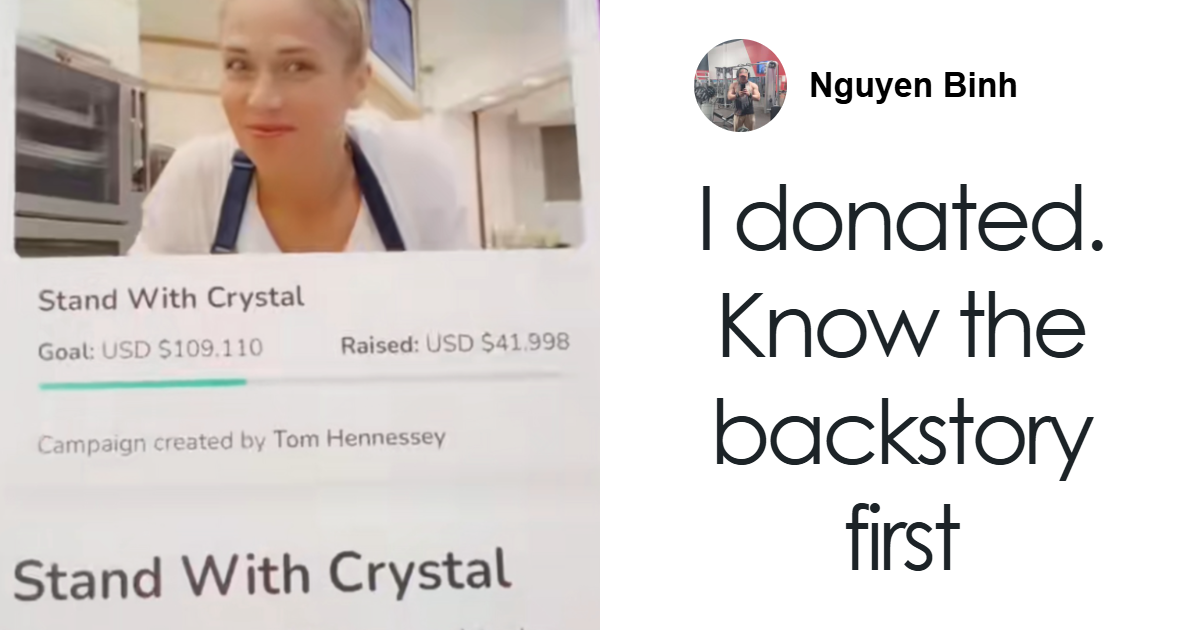
The fundraiser for the Somali couple was launched by a relative and said donations would help with legal fees and lawyer costs. It identified one of the customers as Farhia Ahmed and described the emotional impact of the incident. The page said the couple had been traumatized and afraid to go out after the confrontation.
At the same time, a separate fundraiser supporting the fired worker also drew attention, reportedly raising a large amount of money in a short time. Some articles described the fired worker’s support campaign as a GoFundMe, while other coverage identified competing online fundraising platforms. The exact platform matters less than the bigger point: people were not just debating what happened; they were voting with their wallets.
That is why the story hit a nerve. For many viewers, donating to the couple looked like a way to stand against racism and support people who had been humiliated in public. For supporters of the fired worker, donating appeared to be framed as a reaction against “cancel culture” or a belief that she had been provoked. The result was a digital tug-of-war over sympathy, accountability, and who gets to be seen as the victim.
Cinnabon’s Response Was Fast And Clear
Cinnabon’s public response was direct. The company said it had seen the disturbing video, did not condone the behavior, and confirmed that the former employee had been immediately terminated by the franchise owner. In a follow-up statement reported by news outlets, the company said the worker’s actions and statements were completely unacceptable and did not reflect the values expected from Cinnabon, its franchisees, or its guest experience.
From a brand-management perspective, Cinnabon had very little room to be vague. A bakery chain sells comfort: warm rolls, sweet icing, mall nostalgia, and the smell that somehow finds you from three stores away. Racist insults at the counter are not exactly on-brand. When a customer-facing employee is filmed using hateful language, the company’s response becomes part of the story. Silence would have looked like indifference. Delay would have looked like confusion. Cinnabon chose speed.
For businesses, this is a reminder that customer experience is not just about product quality. A perfect cinnamon roll cannot fix a customer feeling targeted because of race, religion, nationality, or clothing associated with faith. Companies train employees to smile, upsell, and keep the line moving, but incidents like this show why anti-harassment policies and de-escalation training matter just as much.
The Bigger Issue: Racism In Everyday Public Spaces
Part of why the Cinnabon incident became so widely discussed is that it happened in a painfully ordinary place. This was not a political rally, a courtroom, or a cable-news panel. It was a mall bakery. That ordinary setting made the video feel even more disturbing to many viewers. People go to malls to shop, eat, walk around, and kill time. They do not expect to defend their dignity while ordering dessert.
For Somali American and Muslim communities, the incident also landed in a larger context. Community leaders and civil rights advocates pointed to broader anti-Somali and anti-Muslim rhetoric in public life. When a woman wearing a hijab is mocked and a Black Somali couple is targeted with racist language, the harm is not limited to the people in the video. It can send a message to others who share similar identities: this could happen to you while doing something as simple as buying food.
That is one reason civil rights organizations welcomed the firing and called for stronger public rejection of anti-Black, anti-Muslim, and anti-Somali harassment. A viral video can disappear from feeds after a few days, but the fear it creates can linger much longer for communities that already feel watched, stereotyped, or blamed.
Why Some People Defended The Fired Employee
The most uncomfortable part of the story is not only that the employee used racist language. It is that a portion of the internet decided to financially support her afterward. To understand that reaction, it helps to look at how viral outrage works.
Some people see videos like this and focus on the victims. Others immediately search for missing context. Was the worker provoked? What happened before filming? Did the couple say something first? Those questions are not automatically wrong. Context matters in any public dispute. But context does not magically erase racist language. Even if a worker feels disrespected by a customer, professional standards do not include racial slurs, religious mockery, or obscene gestures.
Another factor is the rise of anti-“cancel culture” fundraising. In recent years, people caught in viral scandals have sometimes received large donations from supporters who believe they are being punished too harshly. A person may lose a job for behavior many viewers condemn, then gain money and attention from others who frame that person as a symbol of resistance. It is a strange internet math problem: bad conduct plus viral attention can equal financial reward.
That dynamic frustrates many people because it appears to turn accountability into a marketing opportunity. The employee loses a job, but a fundraiser may bring in more money than months or years of hourly wages. Meanwhile, the targeted customers must deal with the emotional fallout, unwanted publicity, and the burden of proving that what happened to them was serious.
What Employers Can Learn From The Cinnabon Incident
1. Train For Conflict Before Conflict Happens
Retail and food-service employees deal with stress, rude customers, long lines, low staffing, and repetitive work. That pressure is real. But training should make one thing clear: frustration is not a license for discrimination. Employees need scripts and procedures for handling complaints, calling managers, stepping away, and de-escalating tense moments.
2. Make Anti-Harassment Policies Practical
A policy hidden in an employee handbook is not enough. Workers should know exactly what behavior crosses the line, what happens when it does, and how to report harassment from customers or coworkers. If employees feel unsupported, conflicts can spiral. If customers feel unsafe, trust collapses.
3. Respond Quickly, But Also Transparently
Cinnabon’s fast response likely helped contain brand damage. Still, companies should go beyond a brief statement when an incident touches race, religion, or identity. A strong response can include reviewing training, supporting affected customers, and making clear that dignity is part of the service standard.
What Customers Can Learn From The Viral Video
Customers should not have to film discrimination to be believed, but recording has become a common tool when people feel unsafe or mistreated. A video can document behavior, but it can also escalate emotions. If a customer is targeted, the safest first step is often to remain calm, leave the immediate area if possible, contact mall security or management, and file a written complaint. When recording, it is wise to focus on documenting the situation rather than trading insults.
That said, the burden should not fall only on the person being mistreated. Bystanders matter. A simple intervention can help: asking the targeted customer if they are okay, calling a manager, standing nearby as a witness, or reporting the incident. Not everyone needs to become a superhero. Sometimes the most useful thing a bystander can do is be a calm adult in a room where everyone else is losing the plot.
Why This Story Became A Culture-War Flashpoint
The Cinnabon video spread because it had all the ingredients of a viral culture-war story: race, religion, immigration, customer service, a recognizable brand, a short video clip, a firing, and fundraisers. Social media thrives on conflict that can be summarized in one sentence. Unfortunately, real life is rarely that simple.
One side saw a racist employee who deserved to be fired. Another side saw a worker being punished after an incomplete video. Many people saw both the need for accountability and the discomfort of watching an hourly worker become globally infamous. The debate then became less about one bakery counter and more about how society handles public wrongdoing.
There is a valid conversation to have about whether viral shame is always the best tool for justice. There is also a valid conversation about whether workers deserve due process and labor protections. But those conversations should not require minimizing racist harassment. The cleanest moral position is not complicated: people should not be abused because they are Black, Somali, Muslim, or wearing a hijab. Workers also deserve safe, fair workplaces. These ideas can coexist without canceling each other out like two coupons at checkout.
Experience-Based Reflections: What Incidents Like This Feel Like In Real Life
For people who have experienced racism in a store, restaurant, school, airport, or workplace, the Cinnabon video may feel painfully familiar. The setting changes, but the emotional pattern often does not. A person walks into a public place expecting normal treatment. Then a look, comment, joke, refusal, or insult signals that they are being seen not as a customer, student, coworker, or neighbor, but as a stereotype. That moment can be humiliating because it happens in front of strangers, and the targeted person is forced to decide instantly how to respond.
Some people freeze. Some try to laugh it off because confrontation feels risky. Some speak up immediately. Others record, not because they want fame, but because they worry no one will believe them without proof. That is one of the exhausting realities of discrimination: the person harmed often has to become investigator, witness, public speaker, and emotional damage-control manager all at once.
In customer-service environments, the power dynamic can be confusing. The employee controls the transaction, but the customer has the power to complain. When racism enters that space, everyone around the counter becomes part of the experience. If bystanders stay silent, the silence can feel like agreement. If a manager responds poorly, the harm deepens. If the company responds quickly and respectfully, it can help restore some trust, even if it cannot erase what happened.
For Muslim women who wear hijab, public comments about their head covering can feel especially invasive. A hijab is not a costume, joke prop, or customer-service talking point. Mocking it attacks both identity and faith. For Somali Americans, who have often faced political scapegoating and stereotypes, an insult in a mall can feel connected to a wider climate of suspicion. That is why community leaders respond strongly to incidents like this. They know the emotional impact travels beyond one couple.
There is also an experience on the worker side that deserves honest discussion without excusing the behavior. Food-service jobs can be stressful, underpaid, and emotionally draining. Employees may deal with disrespectful customers, unpredictable schedules, and pressure to smile through frustration. But stress explains why training and support matter; it does not excuse racial abuse. A worker who feels overwhelmed should have a path to call a supervisor, step away, or refuse service safely. Racial slurs are not a coping strategy. They are harm.
The most useful lesson from this story is not that everyone should film everyone all the time. It is that dignity has to be protected before a camera comes out. Businesses should create environments where customers do not have to prove they were mistreated. Communities should reject the instinct to turn every ugly incident into team sports. And individuals should remember that a few seconds of anger can become permanent public evidence. The internet has a long memory, and unfortunately, it does not come with a frosting packet.
Conclusion
The viral Cinnabon incident is not just a story about one fired employee or one Somali couple. It is a story about what happens when racism is recorded, shared, condemned, defended, monetized, and debated all at once. Cinnabon moved quickly to distance itself from the employee’s behavior, while fundraisers for both the couple and the fired worker turned the controversy into a national argument about accountability and sympathy.
At the center of the story, however, is something simple: a couple reportedly asked for more caramel and ended up facing racist and anti-Muslim abuse. No culture-war spin should bury that fact. Public spaces should be safe for everyone, whether they are ordering a cinnamon roll, wearing a hijab, speaking with an accent, or simply trying to enjoy a normal day at the mall.
Editorial note: This article is written for web publication and summarizes publicly reported information, while avoiding unnecessary repetition of hateful language.