
Note: Rug measurements are smart starting points, not commandments carved into a coffee table. Use painter’s tape to test the footprint oom rug does much more than keep bare feet from meeting a chilly floor at 6 a.m. It anchors furniture, softens sound, adds texture, and gives a room a clear sense of purpose. Without one, even beautiful furniture can look as though it arrived separately, introduced itself awkwardly, and decided not to mingle.
The right rug for the living room can make a small space feel larger, turn a large open floor plan into a cozy gathering zone, and tie together colors that otherwise seem to be having completely different conversations. The difficult part is that rugs come with enough choices to make a person question every decision they have made since kindergarten: wool or jute, low pile or plush, neutral or patterned, 8-by-10 or 9-by-12?
This guide breaks down how to choose living room rugs by size, material, color, shape, durability, and daily lifestyle. Whether your home includes toddlers, pets, movie nights, snack crumbs, or all four at once, there is a rug that can work hard without looking like it belongs in a waiting room.
Why a Living Room Rug Matters
A rug creates visual boundaries. In an open-concept home, it can define the living area without adding walls, dividers, or anything else that makes a room feel like it is preparing for a corporate seminar. In a smaller room, a well-sized area rug brings furniture together and makes the layout feel intentional.
Living room rugs also add comfort. Hard flooring is practical, but it can feel echoey, cool, and a little unforgiving during long conversations, family game nights, or accidental attempts to sit cross-legged like a person with perfect posture. A rug absorbs some sound, adds softness underfoot, and makes the room more inviting.
From a design perspective, rugs are often the easiest way to introduce personality. A bold patterned rug can wake up a neutral sofa. A textured wool rug can make a modern room feel warmer. A faded vintage-style rug can add character to a new-build home that still feels slightly too fresh from the packaging.
Choose the Right Rug Size First
The most common living room rug mistake is buying a rug that is too small. A tiny rug floating in the center of a room can make furniture look disconnected, as though every chair is avoiding eye contact. In most living rooms, bigger is usually better, provided the rug still leaves a visible border of flooring around the room.
Start With Your Furniture Layout
Before shopping, measure the seating area rather than guessing from across the room. The rug should relate to the sofa, chairs, coffee table, and side tables, not simply fill an empty patch of floor.
For many living rooms, the best setup is to place at least the front legs of the sofa and chairs on the rug. This creates a connected seating zone while keeping the rug from needing to cover every inch of the room. In a larger space, placing all furniture legs on the rug can create an especially polished, hotel-lobby-with-better-snacks look.
Popular Living Room Rug Sizes
- 5-by-7 or 5-by-8 feet: Best for compact apartments, small reading corners, or rooms with limited seating. These can work, but they require careful placement.
- 6-by-9 feet: A useful option for smaller living rooms, especially when the sofa sits against a wall and only the front legs need to touch the rug.
- 8-by-10 feet: One of the most versatile living room rug sizes. It often works with a standard sofa, two chairs, and a coffee table.
- 9-by-12 feet: A strong choice for larger rooms, sectionals, and furniture arrangements that need more breathing room.
- 10-by-14 feet or larger: Best for expansive living rooms, open floor plans, and spaces where all furniture legs should sit comfortably on the rug.
A helpful rule is to choose a rug that extends beyond both sides of the sofa. Even a few extra inches can make the arrangement feel balanced. If you are between two sizes, choose the larger option whenever your budget and room dimensions allow it. A slightly oversized rug rarely looks tragic. A too-small rug, on the other hand, has a special talent for making an otherwise lovely room look unfinished.
Use Painter’s Tape Before You Buy
Mark the rug dimensions on the floor with painter’s tape. Walk around the outline. Open doors. Pull out chairs. Make sure the coffee table still has enough space around it. This low-cost test can prevent the high-cost experience of unrolling a rug and realizing it looks like a decorative postage stamp.
Best Rug Materials for a Living Room
The best rug material depends on how your living room is actually used. A formal sitting room, a pet-friendly family room, and a tiny apartment where dinner occasionally happens on the sofa do not need the same rug.
Wool Rugs: Classic, Comfortable, and Long-Lasting
Wool is one of the most popular materials for living room rugs because it feels soft, looks substantial, and naturally handles regular foot traffic well. It can hold color beautifully and offers a warm, slightly luxurious texture that works with traditional, modern, coastal, and transitional interiors.
A wool area rug is a smart choice for a main living room where comfort and appearance matter equally. It is not always the cheapest option, but a quality wool rug can age gracefully with proper care. Some shedding is common when a wool rug is new, so do not panic if your vacuum appears to be building its own sheep.
Jute and Sisal Rugs: Natural Texture With Personality
Jute and sisal rugs bring a casual, organic look to a living room. Their earthy color and visible weave make them especially useful when the room already has colorful pillows, patterned curtains, or statement artwork. A natural-fiber rug can calm a busy space without making it feel boring.
Jute is generally softer than sisal, while sisal often feels firmer and more structured. Both can be durable, but they are not ideal for homes where spills happen often. Red wine and natural fibers have a relationship best described as “complicated.” Consider using a jute or sisal rug in a lower-risk room, or layer a smaller washable rug on top for extra color and protection.
Polypropylene, Polyester, and Performance Rugs
Performance rugs are excellent for high-traffic living rooms, homes with children, pet owners, and anyone who has ever said, “It is fine, I will eat on the couch,” immediately before regretting it. These rugs are often made with synthetic fibers such as polypropylene, polyester, or nylon.
Many performance rugs are stain resistant, easier to clean, and less likely to show every tiny sign of life. They come in styles that mimic wool, vintage textiles, flatweaves, and even high-end patterned rugs. A synthetic rug may not have the same natural feel as wool, but it can be the more practical choice for a busy household.
Cotton Rugs: Casual and Easygoing
Cotton rugs tend to feel relaxed, lightweight, and approachable. They are often less expensive than wool and can work well in informal living rooms, beach-inspired spaces, or smaller apartments. Some cotton rugs are washable, though large versions may require a commercial-size washer or professional cleaning.
Keep in mind that cotton rugs may show wear sooner than wool or performance options. They are best for low- to moderate-traffic rooms or layered setups where they are not carrying the entire decorating workload alone.
Viscose and Silk: Beautiful but High-Maintenance
Viscose and silk rugs can add shine and a luxurious feel, especially in formal living rooms. Their surface can shift color in the light and make a neutral room feel far more expensive than it really is. The downside is maintenance. These fibers can be sensitive to moisture, heavy traffic, and vigorous cleaning.
Choose viscose or silk only when your living room is relatively low traffic and you are comfortable treating the rug like a delicate member of the household. It may be gorgeous, but it is not built for muddy shoes, enthusiastic dogs, or a child practicing cartwheels.
Pick the Right Pile Height and Texture
Pile height refers to how tall the rug fibers are. It affects both the look and the practicality of your living room rug.
- Low-pile rugs: Easy to vacuum, better for high-traffic spaces, and ideal under doors or furniture with low clearance.
- Flatweave rugs: Usually thin, durable, and practical. They are excellent for layering and easy movement of furniture.
- Medium-pile rugs: A comfortable middle ground that adds softness without becoming difficult to clean.
- High-pile or shag rugs: Cozy and dramatic, but harder to vacuum and less ideal for homes with pets or frequent snack-related incidents.
For a family room, low-pile or medium-pile rugs are often the easiest choice. For a quieter living room used mainly for reading, relaxing, or entertaining, a plush wool rug or textured shag can add a major comfort factor.
Color and Pattern: Let the Rug Do a Job
A rug should not merely match the room. It should contribute something useful. In a neutral room, a patterned rug can add movement and energy. In a colorful room, a solid or subtly textured rug can provide visual rest. Think of it as the calm friend in a chaotic group chat.
Choose a Neutral Rug When:
- Your sofa, curtains, or artwork already include strong colors.
- You want a room that feels calm and flexible over time.
- You frequently change throw pillows, accent chairs, or wall décor.
- You want texture without introducing another pattern.
Choose a Patterned Rug When:
- Your furniture is mostly solid-colored.
- You need to hide everyday dust, crumbs, pet hair, or minor stains.
- You want a focal point that adds personality to the room.
- Your space feels plain and needs a little visual confidence.
For practical living rooms, medium-toned rugs with a subtle pattern often perform beautifully. Very pale rugs can look elegant but show dirt quickly. Very dark rugs can hide stains but may reveal lint, pet hair, and every crumb from a popcorn night. A multicolored or softly distressed design is often the sweet spot.
Match the Rug Shape to the Room
Rectangular rugs are the most common choice because most living rooms and sofas are rectangular. They are dependable, versatile, and unlikely to surprise anyone.
Round rugs work well beneath round coffee tables, in small conversation areas, or in rooms with lots of straight lines. They can soften a boxy space and create a more relaxed feeling. Square rugs can work under square seating arrangements or in rooms where furniture is arranged symmetrically around a central table.
For sectionals, choose a rug shape that supports the seating arrangement rather than competing with it. A large rectangular rug usually works best with an L-shaped sectional. The goal is to make the sectional feel grounded, not like it is slowly drifting toward another zip code.
Do Not Skip the Rug Pad
A rug pad may not be glamorous, but neither is a seatbelt, and both are worth having. A quality rug pad helps keep the rug from sliding or bunching, adds cushioning, protects hard flooring, and can reduce wear caused by friction.
Choose a rug pad designed for your floor type. Hardwood, laminate, tile, concrete, and carpet may require different materials. The pad should be slightly smaller than the rug so it stays hidden beneath the edges. For most living rooms, a medium-thickness pad provides a comfortable balance between softness and stability.
How to Care for a Living Room Rug
A great rug lasts longer when it receives routine care instead of emergency attention after a catastrophe. Vacuum regularly, especially in high-traffic zones. For delicate rugs, use a gentler setting or avoid aggressive beater bars that can pull at fibers.
When spills happen, blot them quickly rather than rubbing. Rubbing can push stains deeper into the fibers and spread the mess outward, which is helpful only if your goal is to turn one coffee drop into a map of North America. Use a cleaning method appropriate for the rug’s material and follow the manufacturer’s care instructions.
Rotate the rug every few months to help it wear evenly, especially if one side receives direct sun or heavy foot traffic. If furniture creates dents, gently brush or lift the affected fibers when possible. For valuable wool, silk, antique, or hand-knotted rugs, professional cleaning is often the safer choice.
Common Living Room Rug Mistakes to Avoid
- Buying a rug that is too small for the seating area.
- Choosing a high-pile rug for a busy home with pets, children, and frequent spills.
- Ignoring door clearance and discovering that the front door now scrapes dramatically across the rug.
- Skipping a rug pad and dealing with sliding, curling, or bunching later.
- Choosing a color based only on a phone screen instead of viewing a sample in the room.
- Using too many competing patterns between the rug, curtains, pillows, and upholstery.
- Forgetting that sunlight can gradually fade some colors and fibers.
Living Room Rug Experiences: What People Learn After Buying One
People often say a new rug changed the entire feeling of their living room, and that sounds dramatic until you see it happen. A room with a sofa, chairs, and a coffee table can look perfectly fine without a rug. Then a properly sized rug arrives, the furniture shifts a few inches inward, and suddenly the room looks finished. It is one of those decorating moments that makes people wonder why they spent three years living with a coffee table floating alone on a sea of hardwood.
One common experience is the surprise of realizing that a larger rug can make a room feel bigger. Many people initially buy a smaller rug because they are trying to save money or avoid covering too much floor. Once it is in place, however, the small rug often makes the furniture look cramped. Replacing it with an 8-by-10 or 9-by-12 rug can create more visual continuity, even though the rug physically covers more floor. The larger size gives furniture room to breathe and makes the seating area look intentional.
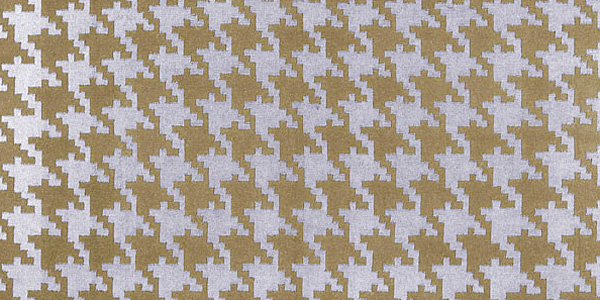
Another lesson comes from households with pets. A cream-colored, thick shag rug may look incredible in a showroom, but it can become a full-time archaeological dig in a home with a shedding dog. Pet owners often discover that low-pile rugs with subtle patterns are easier to maintain and less stressful to live with. A vintage-inspired pattern can disguise pet hair, dust, and minor stains while still looking stylish. That does not mean the rug is magically self-cleaning, unfortunately. It simply means the evidence of Tuesday’s chaos is less visible by Wednesday.
Families with children tend to value washable rugs and performance fibers after the first major spill. A living room rug is often where movie snacks, juice boxes, art projects, and impromptu indoor picnics happen. A washable or stain-resistant rug can make the room feel usable rather than precious. Many parents find that choosing a practical rug gives them more freedom to relax. Instead of yelling, “Careful with that!” every five minutes, they can focus on enjoying the room.
People decorating their first apartment also learn that a rug can solve more problems than expected. It can cover rental flooring they dislike, reduce echo in a room with hard surfaces, add warmth to a minimalist layout, and make mismatched furniture seem more coordinated. A good rug can create the illusion that the sofa, coffee table, and accent chair were purchased as part of a thoughtful plan, even when they came from three different stores and one very optimistic online marketplace listing.
Another real-world discovery is that rug samples are worth the effort. Colors look different under morning sunlight, warm lamps, cool overhead lighting, and the mysterious glow of a television at midnight. A gray rug may look beige in one home, blue in another, and somehow purple in a third. Bringing home a swatch or testing a small sample helps avoid the disappointment of buying a rug that looked perfect online but arrives looking like it belongs in a different universe.
Finally, many homeowners learn that the best living room rug is not necessarily the fanciest one. It is the one that fits the room, supports daily life, feels good underfoot, and still looks welcoming after guests, pets, snacks, and ordinary routines have had their turn. A rug should make a living room easier to live in. When it does that while looking beautiful, it earns its place on the floor.
Final Thoughts on Rugs for the Living Room
The best rugs for the living room combine proportion, comfort, and practicality. Start with size, because a rug that fits the furniture layout properly will make nearly any room look more polished. Then choose a material that suits your lifestyle, a pile height that you can realistically maintain, and a color or pattern that supports the rest of the décor.
A well-chosen living room rug can soften a space, define a seating area, reduce visual clutter, and make your home feel more complete. Whether you prefer cozy wool, natural jute, washable performance fibers, or a bold patterned statement piece, the right rug has a way of making a room feel like it finally knows what it is doing.
SEO Tags