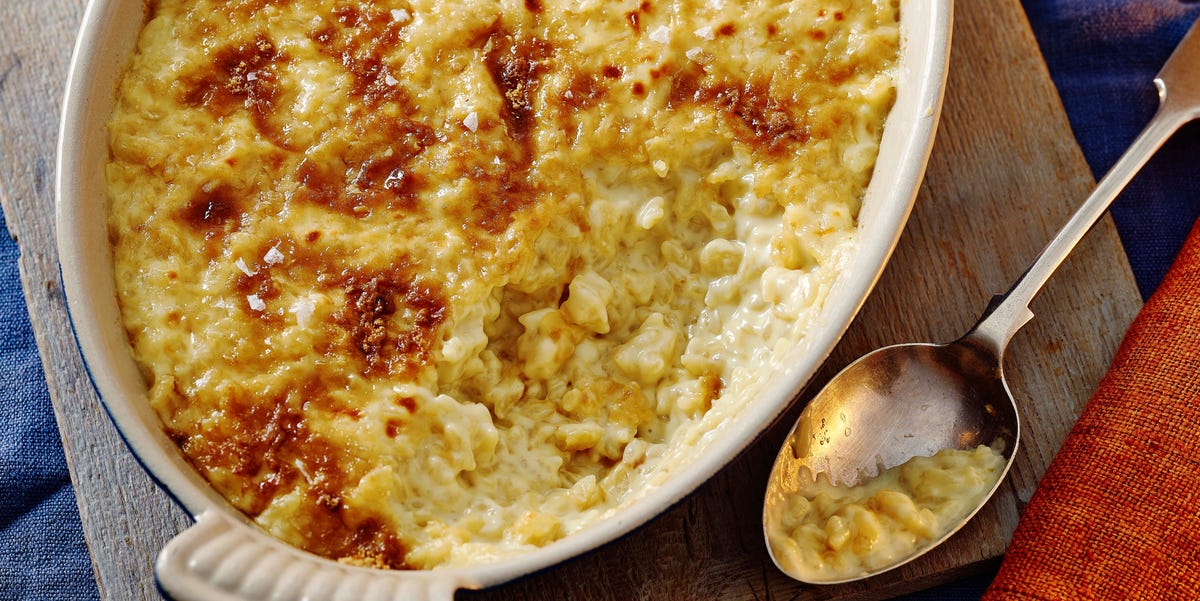

Rice pudding is the dessert equivalent of a soft blanket, a rainy afternoon, and someone saying, “Don’t worry, I already washed the dishes.” Now add salted butterscotchdeep brown sugar, butter, cream, vanilla, and a little sea saltand suddenly this humble comfort dessert walks into the room wearing a velvet jacket.
This salted butterscotch rice pudding recipe is creamy, glossy, spoonable, and just dramatic enough to make people ask whether you secretly went to pastry school. The answer can remain mysterious. What matters is that the pudding tastes slow-cooked and nostalgic, while the method stays friendly enough for a regular weeknight.
The secret is balance. Rice pudding can become too sweet, too thick, too bland, or too much like sweet risotto’s shy cousin. But when you use starchy rice, whole milk, a splash of cream, homemade butterscotch, and a pinch of salt, everything snaps into place. The rice gives body, the dairy brings silkiness, the brown sugar brings caramel warmth, and the salt keeps the whole thing from becoming a sugar fog.
Why Salted Butterscotch Works So Well in Rice Pudding
Classic rice pudding usually leans on vanilla, cinnamon, raisins, or nutmeg. Delicious? Absolutely. Predictable? Also yes. Salted butterscotch changes the mood without making the recipe complicated. Butterscotch is traditionally built from brown sugar, butter, and cream. Unlike caramel, which usually begins with white sugar cooked until amber, butterscotch starts with brown sugar, so it already has molasses-like depth before it even hits the pan.
That rich, buttery sweetness is perfect for rice pudding because rice is naturally mild. It absorbs flavor like the polite dinner guest who listens more than talks. When the butterscotch sauce melts into the pudding, every spoonful tastes like toasted sugar, vanilla, warm butter, and cream. Add flaky sea salt at the end, and the dessert becomes brighter, deeper, and more grown-up.
Ingredients for Salted Butterscotch Rice Pudding
For the Rice Pudding
- 3/4 cup Arborio rice or short-grain white rice
- 3 cups whole milk
- 1 cup heavy cream
- 1/4 cup packed light brown sugar
- 1/4 teaspoon kosher salt
- 1 teaspoon vanilla extract
- 1 tablespoon unsalted butter
For the Salted Butterscotch Sauce
- 4 tablespoons unsalted butter
- 1/2 cup packed dark brown sugar
- 1/2 cup heavy cream
- 1/2 teaspoon vanilla extract
- 1/4 teaspoon kosher salt
- Flaky sea salt, for serving
Optional Toppings
- Toasted pecans or walnuts
- Crushed toffee bits
- Whipped cream
- Sliced banana
- Warm apple compote
- A tiny pinch of cinnamon
Best Rice for Creamy Rice Pudding
For the creamiest texture, use Arborio rice or another short-grain white rice. Arborio is famous for risotto because it releases starch as it cooks, creating a naturally creamy consistency. In rice pudding, that same quality is pure magic. It thickens the milk and cream without needing cornstarch or a complicated egg custard.
Long-grain rice can work, especially if that is what you have, but the final texture will be looser and less plush. Medium-grain rice is a good middle ground. Avoid instant rice for this version unless you want a dessert that tastes like it made a rushed decision and regrets it.
How to Make Salted Butterscotch Rice Pudding
Step 1: Cook the Rice Slowly
In a medium heavy-bottomed saucepan, combine the Arborio rice, whole milk, heavy cream, light brown sugar, and kosher salt. Stir well, then place the pan over medium heat. Bring the mixture to a gentle simmer, not a wild boil. Rice pudding likes calm energy.
Reduce the heat to medium-low and cook for 28 to 35 minutes, stirring often. Scrape the bottom of the pan as you stir so the milk does not scorch and the rice does not stick. The pudding is ready when the rice is tender and the mixture looks creamy but still slightly loose. It will thicken as it cools.
Step 2: Make the Butterscotch Sauce
While the rice cooks, make the sauce. In a small saucepan, melt the butter over medium heat. Add the dark brown sugar and whisk until the mixture looks glossy and thick. Slowly pour in the heavy cream while whisking. The sauce may bubble enthusiastically, which is normal. It is not angry; it is becoming fabulous.
Let the sauce simmer gently for 3 to 4 minutes, stirring frequently. Remove it from the heat and stir in the vanilla extract and kosher salt. The sauce should be smooth, shiny, and spoon-coating. If it looks too thick, add a splash of cream. If it looks too thin, let it simmer for another minute.
Step 3: Combine the Pudding and Sauce
When the rice pudding is creamy and tender, remove it from the heat. Stir in the vanilla extract and butter. Add about half of the warm butterscotch sauce directly into the pudding and fold gently until the color turns golden and inviting.
Save the remaining sauce for drizzling over the top. This is not optional in spirit, even if it is optional in writing.
Step 4: Rest, Serve, and Finish with Salt
Let the pudding rest for 10 minutes before serving. Spoon it into bowls and drizzle with extra butterscotch sauce. Finish with a tiny pinch of flaky sea salt. Do not skip the salt. It is the tiny cymbal crash at the end of the dessert symphony.
Recipe Timing and Yield
- Prep time: 10 minutes
- Cook time: 35 minutes
- Total time: 45 minutes
- Servings: 4 to 6
- Difficulty: Easy
Tips for the Creamiest Butterscotch Rice Pudding
Use a Heavy-Bottomed Pan
Milk-based desserts can scorch quickly in thin pans. A heavy-bottomed saucepan distributes heat more evenly and gives you a better chance of achieving a silky pudding instead of a smoky kitchen mystery.
Stir Often, But Not Constantly
You do not need to stand over the pot like a security guard at a jewelry store. Stir every couple of minutes, making sure to scrape the bottom. The goal is to release starch from the rice and prevent sticking.
Keep the Heat Gentle
A strong boil can make the dairy separate and the rice cook unevenly. A gentle simmer gives the pudding time to become thick, creamy, and deeply flavored.
Remember That Rice Pudding Thickens as It Cools
If the pudding looks perfect in the pan, it may become too thick in the bowl. Stop cooking when it is creamy but still slightly loose. After 10 minutes of resting, it will settle into the right texture.
Choose Dark Brown Sugar for Deeper Flavor
Light brown sugar makes a mild butterscotch sauce, while dark brown sugar gives a stronger molasses note. For salted butterscotch rice pudding, dark brown sugar is the better choice because it stands up beautifully to the cream and salt.
Flavor Variations
Salted Butterscotch Banana Rice Pudding
Slice a ripe banana into each serving bowl, then spoon warm pudding over the top. Add butterscotch sauce and sea salt. The banana softens slightly and turns the dessert into something that tastes like a cozy diner special with better lighting.
Toasted Pecan Butterscotch Rice Pudding
Toast chopped pecans in a dry skillet for 3 to 4 minutes, then sprinkle them over the pudding. The crunch balances the creamy texture and adds a nutty flavor that loves brown sugar.
Apple Pie Butterscotch Rice Pudding
Top the pudding with warm cinnamon apples. Cook diced apples with a little butter, brown sugar, cinnamon, and lemon juice until tender. Spoon them over the pudding and drizzle with butterscotch sauce.
Bourbon Butterscotch Rice Pudding
For an adults-only version, stir 1 tablespoon of bourbon into the butterscotch sauce after removing it from the heat. It adds warmth and complexity without overwhelming the pudding.
Chocolate Butterscotch Rice Pudding
Fold 1/4 cup chopped dark chocolate into the finished pudding. The chocolate melts into ribbons and makes the dessert taste like a candy shop got invited to Sunday dinner.
Can You Make Rice Pudding Ahead of Time?
Yes, this salted butterscotch rice pudding is excellent as a make-ahead dessert. Prepare the pudding and sauce separately, then store both in airtight containers in the refrigerator. When ready to serve, reheat the pudding gently on the stovetop with a splash of milk or cream to loosen it. Warm the butterscotch sauce separately and drizzle it over the top.
If serving chilled, let the pudding cool completely, cover it tightly, and refrigerate. Chilled rice pudding will be thicker than warm pudding, so stir in a little milk before serving if you prefer a softer texture.
How to Store Leftovers Safely
Because this recipe contains cooked rice and dairy, refrigerate leftovers promptly. Transfer the pudding to a shallow airtight container and chill it within two hours of cooking. Enjoy it within 3 to 4 days for best quality and safety. Reheat gently, adding milk as needed, and stir until smooth.
Freezing is possible, but the texture may change after thawing. Rice can become firmer, and dairy can separate slightly. If you do freeze it, thaw overnight in the refrigerator and reheat slowly with extra milk or cream.
What to Serve with Salted Butterscotch Rice Pudding
This pudding can stand alone, spoon in hand, no witnesses needed. But if you want to serve it as part of a dessert spread, pair it with crisp butter cookies, roasted pears, baked apples, or fresh berries. The acidity of fruit helps balance the richness of the butterscotch.
For drinks, coffee is a natural match. A strong cup of black coffee cuts through the sweetness, while a latte echoes the creamy texture. Hot tea also works well, especially black tea, chai, or rooibos.
Common Mistakes to Avoid
Cooking the Pudding Too Fast
High heat may seem like a shortcut, but it can lead to scorched milk and uneven rice. Keep the heat low enough that the pudding bubbles gently.
Adding Too Much Salt Too Early
Salt intensifies as liquid reduces. Start with the measured amount, then finish with flaky sea salt at serving time. This gives you better control.
Overcooking the Rice
The rice should be tender but not mushy. Start checking around 28 minutes. If the rice is soft and the pudding is creamy, you are there.
Skipping the Resting Time
Freshly cooked rice pudding needs a few minutes to settle. Resting helps the texture become thick and spoonable.
Why This Recipe Deserves a Spot in Your Dessert Rotation
Salted butterscotch rice pudding is simple enough for a casual night but special enough for guests. It uses everyday ingredients, does not require baking, and delivers huge comfort-food payoff. It is also flexible. Serve it warm in winter, chilled in summer, dressed up with toppings, or plain with nothing but a spoon and your best “I made this from scratch” expression.
The beauty of this recipe is that it respects the old-fashioned charm of rice pudding while giving it a modern, bakery-style upgrade. The butterscotch makes it richer. The salt makes it smarter. The creamy rice makes it nostalgic. Together, they create a dessert that tastes familiar and surprising at the same time.
Personal Kitchen Experience: What Makes This Dessert Feel Special
The first time you make salted butterscotch rice pudding, you may expect something quiet and old-fashioned. Rice pudding has a reputation for being gentle. It sits politely in the dessert world beside custards, tapioca, and other soft-spoken classics. But the moment the brown sugar hits melted butter, the whole kitchen changes. Suddenly, the air smells like a candy shop hiding inside a farmhouse.
That is the moment this recipe becomes fun. The butterscotch bubbles, the cream swirls in, and you realize you are only a few minutes away from a sauce that could improve almost anything: ice cream, pancakes, apple slices, a spoon, your general outlook on life. Stirring it into rice pudding feels like giving a classic dessert a very tasteful makeover.
One of the best things about this recipe is how forgiving it feels once you understand the rhythm. The rice does not need to be rushed. The sauce does not need a thermometer. You simply watch, stir, taste, and adjust. If the pudding gets too thick, add milk. If the butterscotch is too sweet, add a few flakes of salt. If someone walks into the kitchen and asks, “What smells so good?” you may pretend it was extremely difficult. That is between you and your saucepan.
This dessert is especially good for small gatherings because it creates a cozy pause at the end of a meal. It is not flashy like a tall layer cake or dramatic like a flaming dessert. It is the kind of sweet that makes people lean back in their chairs and become slightly quieter. Warm rice pudding has that effect. It slows the room down.
The salted butterscotch also makes the pudding feel seasonal without locking it into one holiday. In fall, it tastes perfect with apples, pears, cinnamon, and toasted nuts. In winter, it becomes a warm bowl of comfort after soup or roast chicken. In spring, you can serve it with berries. In summer, chill it and top it with whipped cream. It adapts beautifully, like the friend who somehow looks good in every group photo.
Texture is the real magic here. The pudding should not be stiff. It should slowly settle in the bowl, creamy but not soupy, thick but not cement-like. Arborio rice helps because it releases starch naturally, creating a smooth body without needing eggs. That means the recipe avoids the most stressful part of many custard desserts: tempering eggs while hoping you do not accidentally make breakfast scramble. No one invited scrambled eggs to dessert.
Another pleasant surprise is how good the leftovers are. The pudding thickens overnight, and the butterscotch becomes even deeper in flavor. A spoonful cold from the refrigerator is excellent, but reheating it with a splash of milk brings it right back to creamy life. It is the kind of leftover that does not feel like a compromise. It feels like you planned wisely.
For presentation, a little restraint goes a long way. A white bowl, a glossy drizzle of sauce, a few toasted pecans, and a pinch of flaky sea salt are enough. If you add whipped cream, keep it softly whipped so it melts slightly into the warm pudding. If you add fruit, choose something with acidity, such as berries or sautéed apples with lemon juice. The goal is contrast: creamy, salty, sweet, buttery, and just bright enough to make you want another bite.
In the end, salted butterscotch rice pudding works because it understands comfort. It does not try too hard, but it still brings something memorable to the table. It is simple, rich, nostalgic, and just a little fancy. In other words, it is exactly the kind of dessert that disappears faster than expected while everyone claims they only wanted “a small spoonful.” A classic kitchen lie, but a delicious one.
Conclusion
This salted butterscotch rice pudding recipe is proof that simple ingredients can create a dessert with serious personality. Creamy rice, warm brown sugar, butter, cream, vanilla, and sea salt come together in a bowl that feels nostalgic but never boring. Whether you serve it warm with extra sauce or chilled with toasted nuts, it is a comfort dessert worth repeating.
Note: This article is written for web publication in standard American English and synthesizes widely accepted U.S. cooking practices for rice pudding, butterscotch sauce, dairy-based desserts, and safe leftover storage.