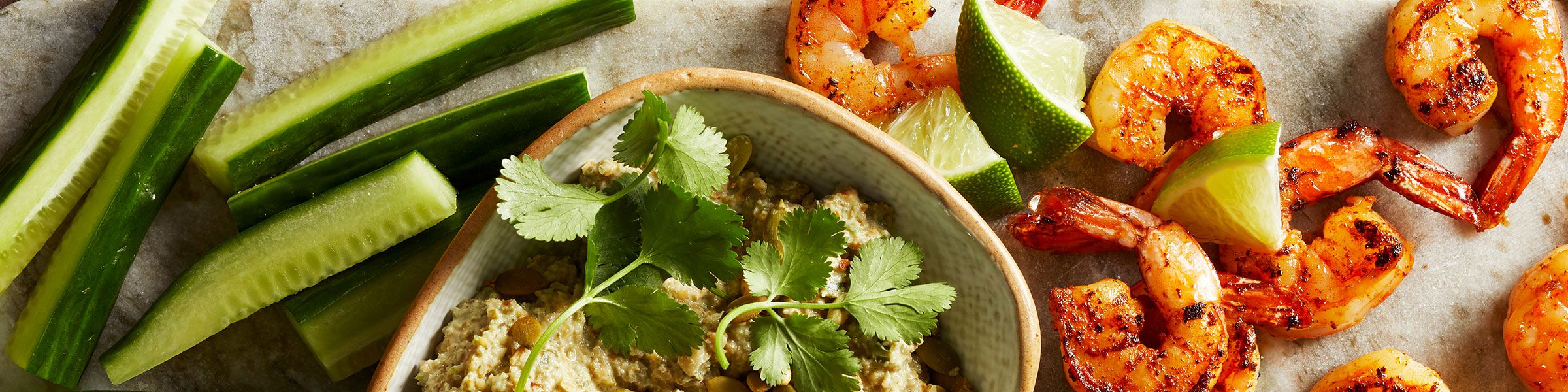

Shellfish recipes have a wonderful way of making dinner feel like a small vacation. A bowl of garlicky mussels can transport you to a seaside bistro. A platter of shrimp tacos can make a Tuesday feel suspiciously festive. A buttery lobster roll can turn an ordinary lunch into the kind of meal that makes people suddenly sit up straighter. The best part? Shellfish often cooks quickly, absorbs flavor beautifully, and looks far fancier than the effort required.
Whether you love shrimp, scallops, crab, lobster, clams, mussels, oysters, or crawfish, the world of shellfish recipes is broad enough for weeknight meals, backyard cookouts, holiday spreads, date-night dinners, and “I accidentally invited twelve people over” emergencies. The trick is knowing which shellfish works best for each cooking method, how to build flavor without smothering its natural sweetness, and how to keep everything tender instead of rubbery. Nobody dreams of chewy scallops. Nobody.
This guide breaks down practical, delicious ways to cook shellfish at home, with recipe ideas inspired by classic American seafood traditions, Italian-American stews, Southern boils, coastal chowders, simple pastas, grilled platters, and healthy modern seafood dinners. Think of it as your friendly kitchen map: a little technique, a lot of flavor, and just enough confidence to make shellfish feel easy.
Why Shellfish Recipes Belong in Your Regular Dinner Rotation
Shellfish is one of the fastest proteins you can cook. Shrimp can go from raw to ready in minutes. Scallops need only a hot pan and a little restraint. Mussels and clams practically announce when they are done by opening their shells. Crab and lobster feel luxurious, but they can be served simply with lemon, herbs, butter, or a bright salad.
Another benefit is versatility. Shellfish can be smoky from the grill, cozy in a chowder, spicy in tacos, elegant over pasta, or casual in a low-country boil. It also plays well with pantry staples: garlic, olive oil, butter, lemon, tomatoes, white wine, paprika, Cajun seasoning, fresh herbs, rice, pasta, potatoes, and crusty bread. If your kitchen has garlic and lemon, you are already halfway to a respectable seafood dinner.
How to Choose Shellfish for the Best Recipes
Shrimp: The Weeknight Hero
Shrimp is the gateway shellfish for many home cooks because it is widely available, quick to cook, and friendly to almost every flavor profile. Use large shrimp for grilling, medium shrimp for pasta, and smaller shrimp for salads, fritters, fried rice, or tacos. Frozen shrimp is often a smart buy because it is usually frozen soon after harvesting and can be thawed quickly in the refrigerator or under cold running water.
Scallops: The Date-Night Specialist
Sea scallops are sweet, tender, and excellent for pan-searing. Look for dry-packed scallops when possible because they brown better. Before cooking, pat them very dry. A wet scallop steams instead of sears, which is a culinary tragedy in one tiny circle.
Clams and Mussels: The Broth Builders
Clams and mussels are perfect for brothy recipes because they release briny juices as they cook. They shine with garlic, white wine, tomatoes, coconut milk, herbs, chili flakes, and lemon. Before cooking, scrub the shells and discard any cracked shells or any live shellfish that do not close when tapped.
Crab and Lobster: The Celebration Shellfish
Crab and lobster are rich, sweet, and naturally special. They do not need much decoration. A little butter, lemon, fresh herbs, or light seasoning can be enough. Use crabmeat for cakes, dips, stuffed shells, pasta, salads, and soups. Use lobster for rolls, bisque, mac and cheese, grilled tails, or a chilled seafood platter.
Essential Shellfish Cooking Tips
The first rule of shellfish recipes is simple: do not overcook. Shellfish is delicate, and carryover heat continues cooking it even after the pan comes off the stove. Shrimp should turn pink and opaque. Scallops should have a golden crust and a tender center. Clams, mussels, and oysters should open while cooking. If they stay closed after cooking, toss them.
The second rule is to build flavor before adding the shellfish. Start with aromatics such as garlic, onion, shallot, fennel, celery, or ginger. Add spices, tomato paste, wine, broth, coconut milk, or citrus. Once the sauce or broth tastes good, then add the shellfish near the end. Shellfish cooks quickly, so it should be treated like the guest of honor, not the first person forced to arrive at the party.
The third rule is to season thoughtfully. Salt enhances sweetness, but shellfish can already be naturally briny. Taste your broth or sauce before adding extra salt. Lemon juice, vinegar, herbs, and chili are useful because they brighten rich seafood without making it heavy.
10 Shellfish Recipes to Inspire Your Next Meal
1. Garlic Butter Shrimp Skillet
This is the little black dress of shellfish recipes: fast, reliable, and appropriate almost anywhere. Sauté minced garlic in butter and olive oil, add shrimp, season with paprika, black pepper, and a pinch of chili flakes, then finish with lemon juice and parsley. Serve with rice, pasta, roasted vegetables, or bread for sauce-mopping duties.
2. Pan-Seared Scallops with Lemon Herb Butter
Pat sea scallops dry, season lightly, and sear them in a hot skillet until one side forms a deep golden crust. Flip, add butter, lemon zest, and herbs, then spoon the butter over the scallops. Serve over pea puree, risotto, creamy polenta, or a crisp salad. This dish looks restaurant-level but can be done in under 20 minutes if you resist the urge to poke the scallops every five seconds.
3. Steamed Mussels with White Wine and Garlic
Cook shallots and garlic in olive oil, pour in white wine or seafood broth, add mussels, cover, and steam until the shells open. Finish with parsley, lemon, and a small knob of butter. Serve with fries for a moules-frites mood or crusty bread for a simpler dinner. The broth is the real treasure, so do not let it go to waste.
4. Clams with Linguine
Clams and pasta are a classic pairing because the clam juices create a naturally flavorful sauce. Sauté garlic and red pepper flakes, add clams and wine, cover until the shells open, then toss with linguine, parsley, lemon, and olive oil. For a tomato version, add crushed tomatoes or cherry tomatoes before the clams go in.
5. San Francisco-Style Cioppino
Cioppino is a bold seafood stew with Italian-American roots and a tomato-based broth. A good version layers garlic, onions, fennel, tomatoes, wine, herbs, and seafood stock before adding shellfish such as shrimp, clams, mussels, crab, and scallops. Serve it with sourdough bread, because a bowl of cioppino without bread is basically a missed opportunity wearing a napkin.
6. Low-Country Shrimp and Crab Boil
A shellfish boil is ideal for feeding a crowd. Simmer potatoes, corn, onions, lemon, garlic, and seasoning first. Add sausage if desired, then add crab legs and shrimp near the end so they do not overcook. Drain, spread everything on a large tray or parchment-covered table, and serve with melted butter, cocktail sauce, and plenty of napkins. This is not a meal for tiny polite bites. This is a sleeves-up situation.
7. Creamy Shellfish Chowder
For a cozy seafood recipe, make chowder with clams, shrimp, scallops, crab, or lobster. Start with onion, celery, potatoes, and clam juice or seafood stock. Add milk or cream, then stir in shellfish near the end. Finish with herbs, black pepper, and a squeeze of lemon to balance the richness. Bacon is optional, but a smoky garnish can add depth.
8. Shrimp Tacos with Cabbage Slaw
Season shrimp with cumin, chili powder, garlic, lime, and a touch of oil, then quickly sauté or grill. Tuck into warm tortillas with crunchy cabbage slaw, avocado, cilantro, and a creamy lime sauce. These tacos are quick enough for weeknights and lively enough for guests. They also make leftovers disappear with suspicious speed.
9. Crab Cakes with Lemon Aioli
Great crab cakes should taste like crab, not breadcrumbs wearing a seafood costume. Combine crabmeat with a small amount of binder, Dijon mustard, herbs, lemon zest, and seasoning. Chill the patties before cooking so they hold together. Pan-fry until golden and serve with lemon aioli, tartar sauce, or a simple salad.
10. Grilled Lobster Tails with Herb Butter
Split lobster tails, brush with oil or butter, and grill shell-side down before finishing flesh-side briefly for smoky flavor. Brush with garlic herb butter and serve with lemon wedges. Keep the seasoning simple. Lobster is already dramatic; it does not need a marching band.
Flavor Pairings That Make Shellfish Recipes Shine
Shellfish has natural sweetness and briny depth, so the best pairings either brighten, enrich, or gently spice it. Lemon, lime, and vinegar add freshness. Butter, olive oil, and cream add richness. Garlic, shallots, fennel, tomatoes, and herbs add aroma. Chili flakes, Cajun seasoning, Old Bay-style spice blends, smoked paprika, ginger, curry paste, and coconut milk can shift the recipe toward Southern, Mediterranean, Asian-inspired, or coastal comfort food flavors.
For shrimp, try garlic-lime, Cajun butter, tomato-chili, coconut curry, or honey-soy glazes. For scallops, use lemon butter, brown butter, corn puree, pea puree, bacon, or fresh herbs. For mussels and clams, go with white wine and garlic, tomato and fennel, Thai-style coconut broth, or saffron broth. For crab and lobster, keep the flavors polished: lemon, butter, chives, tarragon, parsley, celery, light mayo, or toasted breadcrumbs.
Healthy Shellfish Recipe Ideas
Shellfish recipes can be light without being boring. Try shrimp lettuce cups with citrus marinade, scallops over roasted vegetables, mussels in tomato broth, crab salad stuffed into avocado halves, or clams steamed with garlic and herbs. Instead of heavy cream, use broth, tomatoes, coconut milk, Greek yogurt, or olive oil-based sauces. Add vegetables generously: fennel, spinach, corn, tomatoes, peppers, zucchini, cabbage, asparagus, and peas all pair beautifully with seafood.
For balanced meals, serve shellfish with whole grains, beans, roasted potatoes, leafy salads, or vegetable-forward sides. A shrimp and farro bowl with lemon vinaigrette can be just as satisfying as shrimp pasta. A mussel stew with tomatoes and chickpeas feels hearty without being heavy. A crab and corn salad can be bright, sweet, and filling enough for lunch.
Common Shellfish Mistakes to Avoid
Adding Shellfish Too Early
In soups, stews, and pasta sauces, shellfish should usually go in near the end. Long simmering makes shrimp tough, scallops rubbery, and mussels sad. Build the broth first, then add the seafood.
Skipping the Drying Step
For seared scallops or shrimp, moisture is the enemy of browning. Pat shellfish dry with paper towels before it hits the pan. This small step makes a huge difference.
Using Too Much Sauce
Shellfish has delicate flavor. Heavy sauces can overpower it. A good shellfish recipe should support the seafood, not bury it under a creamy blanket and ask it to breathe.
Forgetting Food Safety
Buy seafood from reliable sellers, keep it cold, separate raw seafood from cooked foods, wash hands and surfaces after handling raw shellfish, and cook it properly. When in doubt, use a food thermometer and follow safe doneness cues.
What to Serve with Shellfish Recipes
The best side dishes depend on the recipe. For garlicky shrimp or mussels, serve crusty bread, pasta, or rice. For crab cakes, add slaw, roasted potatoes, or a green salad. For lobster, keep it classic with corn, potatoes, salad, or rolls. For cioppino or chowder, bread is essential. For shrimp tacos, serve black beans, rice, grilled corn, or pico de gallo.
Vegetables with brightness and crunch work especially well. Think cucumber salad, shaved fennel, citrus slaw, roasted asparagus, tomato salad, or green beans with lemon. Shellfish often feels rich even when it is lean, so acidic or crisp sides keep the meal balanced.
Make-Ahead Tips for Shellfish Dinners
While shellfish is usually best cooked right before serving, many supporting elements can be prepared ahead. Make sauces, slaws, spice blends, aioli, herb butter, broth bases, and chopped vegetables in advance. For stews, prepare the tomato or stock base early, then reheat and add shellfish just before dinner. For boils, cut potatoes, corn, lemons, and onions ahead of time. For crab cakes, form the patties and chill them until cooking.
Avoid cooking shrimp, scallops, mussels, or clams too far ahead unless the recipe is intended to be served chilled, such as seafood salad. Even then, cook gently and chill quickly. Fresh texture is one of the main pleasures of shellfish, so protect it like the treasure it is.
Conclusion: Shellfish Recipes Can Be Simple, Fast, and Spectacular
Shellfish recipes do not have to be intimidating. With a few reliable techniques, you can turn shrimp, scallops, clams, mussels, crab, lobster, and oysters into meals that feel special without requiring a culinary degree or a dramatic chef hat. Start with good seafood, keep it cold, season smartly, cook it briefly, and let its natural flavor lead the way.
For weeknights, make garlic butter shrimp, shrimp tacos, clam pasta, or steamed mussels. For gatherings, try a low-country boil, crab cakes, grilled lobster tails, or a bubbling pot of cioppino. For cozy nights, make chowder or seafood stew. The beauty of shellfish is that it can be casual, elegant, healthy, indulgent, simple, or wildly celebratory depending on your mood. Basically, shellfish is the friend who can wear flip-flops to lunch and still show up looking expensive at dinner.
Kitchen Experiences: What Cooking Shellfish Teaches You Over Time
The first thing shellfish teaches you is timing. Most home cooks are used to proteins that give them a wider window. Chicken can roast for a while. Beef can rest. Beans can simmer until they soften. Shellfish, however, moves fast. Shrimp can be perfect one minute and bouncy the next. Scallops reward patience before the flip and punish fidgeting. Mussels and clams open when they are ready, almost like tiny edible alarm clocks. After cooking shellfish a few times, you become more attentive, and that attentiveness improves everything else you cook.
Another experience is learning to trust simple ingredients. The most memorable shellfish meals are often not complicated. A pot of mussels with garlic, wine, parsley, and lemon can taste better than a recipe with twenty ingredients. A scallop seared in a hot pan with butter can feel luxurious without needing a heavy sauce. Shrimp grilled with lime and chili can carry an entire dinner. Shellfish reminds you that freshness, heat control, and balance matter more than kitchen acrobatics.
Cooking shellfish also changes how you think about hosting. A seafood boil creates instant energy because people gather around the table, crack shells, pass sauces, laugh, and forget about being overly formal. Cioppino does something different: it brings people close with bowls, spoons, bread, and the kind of broth that makes conversation slow down. Crab cakes feel celebratory. Lobster feels generous. Even a simple shrimp pasta can rescue a busy evening and make it feel intentional.
There is also a small confidence boost that comes with mastering shellfish. At first, it can seem like restaurant food. Then you learn that shrimp cooks quickly, mussels are affordable and easy, scallops need dryness and heat, and crab cakes mostly need restraint. Suddenly, seafood night is not a rare event. It becomes part of your cooking vocabulary.
The best personal tip is to prepare everything before the shellfish hits the heat. Chop herbs, cut lemons, warm plates, open wine or broth, set out butter, and have bread ready. Shellfish waits for no one. Once the pan is hot or the pot is steaming, things move quickly. That is not stressful when you are prepared; it is exciting. The kitchen smells like garlic and the sea, the sauce comes together, shells open, shrimp curl, scallops brown, and dinner arrives with a little drama and a lot of reward.
Over time, shellfish recipes become less about impressing people and more about enjoying the rhythm: clean, season, cook, brighten, serve. Add lemon. Add herbs. Taste the broth. Put bread on the table. Watch everyone lean in. That is the quiet magic of shellfish cooking. It feels special, but it also feels deeply human: simple food, shared immediately, best eaten while warm, messy, fragrant, and full of flavor.
SEO Tags