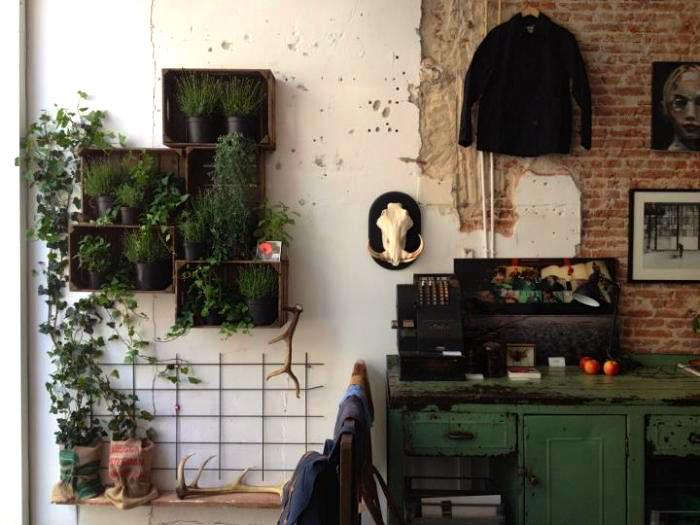

If Amsterdam had a retail love language, it would probably sound like this: “Come in for a jacket, leave with a lamp, a coffee-table book, and an entirely new personality.” That, in a stylish nutshell, was the magic of Hutspot in Amsterdam. More than a store, it was a mood board with a front door. It blended fashion, interiors, books, art, food, and a healthy amount of “Oh no, now I want to redecorate my whole life.”
There is one important truth to put on the table before we get cozy: Hutspot is no longer open. The brand announced that it would permanently close at the end of December 2021. But if you want to understand why Amsterdam became such a magnet for travelers who like their shopping a little more thoughtful, a little more local, and a lot less cookie-cutter, Hutspot is still a perfect case study. Think of this as a shopper’s diary written with one eye on the city’s style scene and the other on the kind of place that made buying a sweater feel like participating in a tiny cultural movement.
A Quick Reality Check: Hutspot Is Part of Amsterdam’s Recent Retail History
Hutspot was founded in 2012 by three childhood friends who saw a gap in the market for a store that could showcase up-and-coming brands and artists instead of just repeating the same predictable big-label formula. That origin story matters because it explains why the place felt different from the minute you walked in. It was not trying to be a department store, a gallery, a restaurant, a barber, and a neighborhood hangout by accident. It was built to curate what one source called an “urbanised lifestyle,” which is a fancy way of saying it sold not just objects, but a whole way of living that felt distinctly modern Amsterdam.
Descriptions of Hutspot from travel media read like a shopper’s fever dream in the best possible way. One review described it as an emporium of coffee-table books, artsy statement furniture, and hip clothing. Another praised its under-the-radar designer pieces, farm-fresh food, old-school shave service, and community programming, including cooking workshops, jam sessions, and barbecues. In other words, Hutspot understood the cardinal rule of good shopping: people love buying things, but they love stories, atmosphere, and belonging even more.
Why Hutspot Felt So Amsterdam
It matched the city’s love of neighborhood shopping
Amsterdam is not a city that forces you into one giant shopping district and calls it a day. Its retail personality lives in neighborhoods. Travel guides consistently point shoppers toward places like De Negen Straatjes, or the Nine Streets, where canalside lanes are filled with boutiques, vintage stores, cozy cafés, and specialty shops. De Pijp has long been associated with fresh concept stores and the always-busy Albert Cuyp Market. Jordaan, meanwhile, rewards wandering. It is the kind of neighborhood where you can accidentally find a tiny gallery, a beautiful stationery shop, and a lunch spot that makes you consider moving countries.
Hutspot fit beautifully into that Amsterdam habit of shopping by strolling, not sprinting. The city invites browsing. You are not expected to attack a mall with military precision. You are expected to meander, get distracted, stop for coffee, argue with yourself over whether you need another ceramic cup, and then buy it anyway because it sparks joy and also because the cashier has excellent cheekbones and quietly convincing taste.
It understood that design should feel clever, not cold
Amsterdam’s shopping culture has always balanced polish with playfulness. Travel coverage of the city’s best shops often points to a mix of Dutch design wit, independent labels, handcrafted goods, and the kind of homeware that makes you think, “This is absurd, but I absolutely must have it.” That sensibility showed up in concept stores across the city, but Hutspot made it especially approachable. It was stylish without becoming intimidating and design-forward without becoming smug. No one wants to shop in a place that feels like a design lecture. Hutspot felt more like a very tasteful friend’s apartment, if that friend also happened to have excellent inventory and a barber in the back.
It blurred the line between commerce and culture
One reason Hutspot stuck in people’s memories is that it did not behave like a standard retailer. It sold fashion and furniture, yes, but it also hosted events and created a social rhythm around the space. That made it feel less transactional and more communal. In a city where canals, cafés, creative studios, and markets all overlap in daily life, that approach made perfect sense. Amsterdam has long rewarded places that give people a reason to linger. Hutspot did not just ask, “What can we sell you?” It asked, “What if spending time here becomes part of your day?”
My Diary Version of a Day at Hutspot
Here is how a Hutspot day lives in my imagination, stitched together from real details and the atmosphere Amsterdam does so well. You arrive after a damp walk, because Amsterdam weather enjoys surprise cameos. A raincoat is not optional here; it is basically a personality trait. Your shoes are sensible because this is a city shaped by walking, cycling, and refusing to make things harder than they need to be. You step inside expecting to browse for ten minutes. Rookie mistake.
First comes the clothing rack. Not loud, not desperate, not screaming for attention. Just good pieces with that quietly self-assured European energy. Then your eye drifts to a shelf of books, then to lighting, then to art, then to something ceramic and delightfully unnecessary. A few steps later, you realize Hutspot’s real trick is not selling categories. It is selling combinations. It makes you picture how a jacket belongs in the same universe as a lamp, how a printed zine belongs near a side table, how personal style does not stop at the closet door.
And because this is Amsterdam, the visit naturally expands. Maybe there is food. Maybe there is coffee. Maybe there is a conversation about a local maker. Maybe there is a sudden urge to reconsider every boring item in your apartment. Time stretches differently in places like this. The city outside moves in trams, bicycles, and canal reflections. Inside, you are building a cart that looks suspiciously like an identity crisis, except chic.
What Hutspot Taught Shoppers About Amsterdam
Shopping here is part treasure hunt, part city study
Amsterdam shopping works best when you treat it like exploration. The Nine Streets reward curiosity. Jordaan rewards getting lost. Albert Cuyp Market rewards appetite and patience. Noordermarkt rewards early risers who like organic produce, flea-market surprises, and the thrill of finding something slightly weird but perfect. Hutspot belonged to that same ecosystem. It made shopping feel less like acquiring stuff and more like learning how the city thinks.
Even practical details add to the rhythm. Visitors are often reminded that Amsterdam dresses casually, partly because of the weather and partly because bike culture favors comfort over theatricality. You are more likely to blend in wearing something functional and well-made than something flashy and fragile. Another useful detail: not every place handles payments the way travelers expect, and card habits can differ from store to store. Amsterdam also famously separates cafés from “coffee shops,” the latter meaning something very different. Translation: if you want a flat white, words matter.
Good souvenirs should feel local, not lazy
One of the easiest mistakes travelers make is buying the first generic trinket that says “I was here.” Amsterdam deserves better than that, and Hutspot’s approach quietly argued for a smarter souvenir philosophy. The city’s best shopping districts are full of items with texture, humor, craftsmanship, and actual personality. Travel writers often highlight local food specialties, design objects, books, flowers, and practical keepsakes over the usual mass-produced clutter. Hutspot captured that smarter instinct. The ideal purchase was not just photogenic. It carried the city’s creative fingerprints.
If You Want the Hutspot Feeling in Amsterdam Today
Because Hutspot is closed, the smarter question is not “How do I visit Hutspot now?” but “How do I chase the same energy?” Start with Amsterdam’s most browse-friendly neighborhoods. Walk the Nine Streets for boutique density and canal charm. Spend time in De Pijp, where the Albert Cuyp Market keeps things lively and the area’s cafés and creative shops still feed the neighborhood’s trend-conscious pulse. Drift through Jordaan for small galleries, home goods, and the kind of independent storefronts that reward unplanned detours.
Shop slowly. Pack for rain. Wear shoes that can handle cobblestones and a spontaneous detour across three bridges. Build coffee breaks into the plan. If you buy something, make it something that feels like Amsterdam rather than something that could have come from an airport shelf. And if you are spending enough to make customs paperwork worthwhile, keep an eye on VAT refund procedures. Glamour is nice, but so is getting some of your money back.
Why Hutspot Still Matters
Hutspot matters because it represented a version of retail that many cities claim to have and far fewer actually pull off. It was stylish but lived-in, curated but not stiff, commercial but deeply human. It understood that people do not only shop for products. They shop for texture, fantasy, utility, and a better-told story about who they are. Amsterdam, at its best, offers exactly that kind of shopping. Not frantic consumption. Not empty luxury theater. Just a city full of places that ask you to look more carefully.
So yes, this shopper’s diary ends with a closed door. But it does not end with disappointment. Hutspot’s story still explains why Amsterdam remains such a strong destination for anyone who likes their retail with a side of design culture, neighborhood character, and everyday beauty. Some stores vanish and still leave behind a map. Hutspot is one of those stores.
Extended Diary Notes: 500 More Words on the Hutspot Experience
What stayed with me most about the idea of Hutspot was not one product category or one room, but the feeling that shopping had been edited by someone with a point of view. So many stores, especially in tourist-heavy cities, feel like they are trying to be all things to all people. The result is often visual chaos with a cash register. Hutspot sounded different. It sounded intentional. Even when the mix was broad, it was still coherent. That kind of coherence is rare, and it is usually the first sign that a shop understands taste as something more than inventory management.
That is also why Hutspot works so well as a symbol for Amsterdam. The city itself is full of contrast, but it rarely feels messy in spirit. Seventeenth-century canal houses sit comfortably beside contemporary design. A market lunch can be followed by museum-quality browsing. A bike ride can end in a shop where the objects on the shelves seem half practical, half poetic. Amsterdam often makes style feel integrated into daily life rather than staged for applause. Hutspot appears to have tapped into that quality beautifully.
I imagine the best version of a Hutspot visit happening without urgency. No checklist. No stopwatch. You walk in because the window looks promising. Inside, one thing leads to another. A jacket catches your eye because the cut is sharp without trying too hard. A stack of books pulls you closer because Amsterdam has always had a soft spot for design publishing and clever print culture. Then a chair, a lamp, a mug, a notebook, a framed print. Before long, the entire place starts to feel like a conversation between wardrobe and home, between what you wear in public and how you want your private world to feel.
That may sound dramatic for a retail stop, but the best shops always do that. They reveal your preferences before you have fully named them. They show you how taste travels from one part of life to another. Hutspot seems to have understood that a person buying a coat may also care about ceramics, books, grooming, dinner plans, and local art. Rather than separating those instincts into little retail silos, it brought them together under one roof. Very few shopping experiences feel smarter than that.
There is also something deeply appealing about the community side of the store. Workshops, jam sessions, barbecue gatherings, and other events suggest a place that wanted to become part of the neighborhood’s routine rather than simply skim from tourist traffic. That instinct feels increasingly precious now. Travelers are getting savvier. They want places with substance, not just branding. They want to feel a local current running underneath the experience. Hutspot seems to have offered exactly that, which helps explain why it still comes up in conversations about Amsterdam shopping even after its closure.
In the end, Hutspot’s story is not just about a beloved concept store. It is about a city that taught shoppers to slow down, observe more, and buy with intention. Amsterdam can absolutely tempt you into spending money, but its best lesson is not “buy more.” It is “buy better, notice more, and let the city shape your taste a little.” That is a diary entry worth keeping.
Conclusion
“Shopper’s Diary: Hutspot in Amsterdam” is really the story of how one concept store captured the city’s wider retail personality. Hutspot may be gone, but the values that made it memorable are still very much alive in Amsterdam: neighborhood wandering, good design with a wink, locally minded shopping, and the delightful collapse of boundaries between fashion, interiors, food, and culture. That is what makes the city such a satisfying place to browse. You are never just buying things. You are collecting evidence that style can still feel personal, grounded, and a little bit fun.