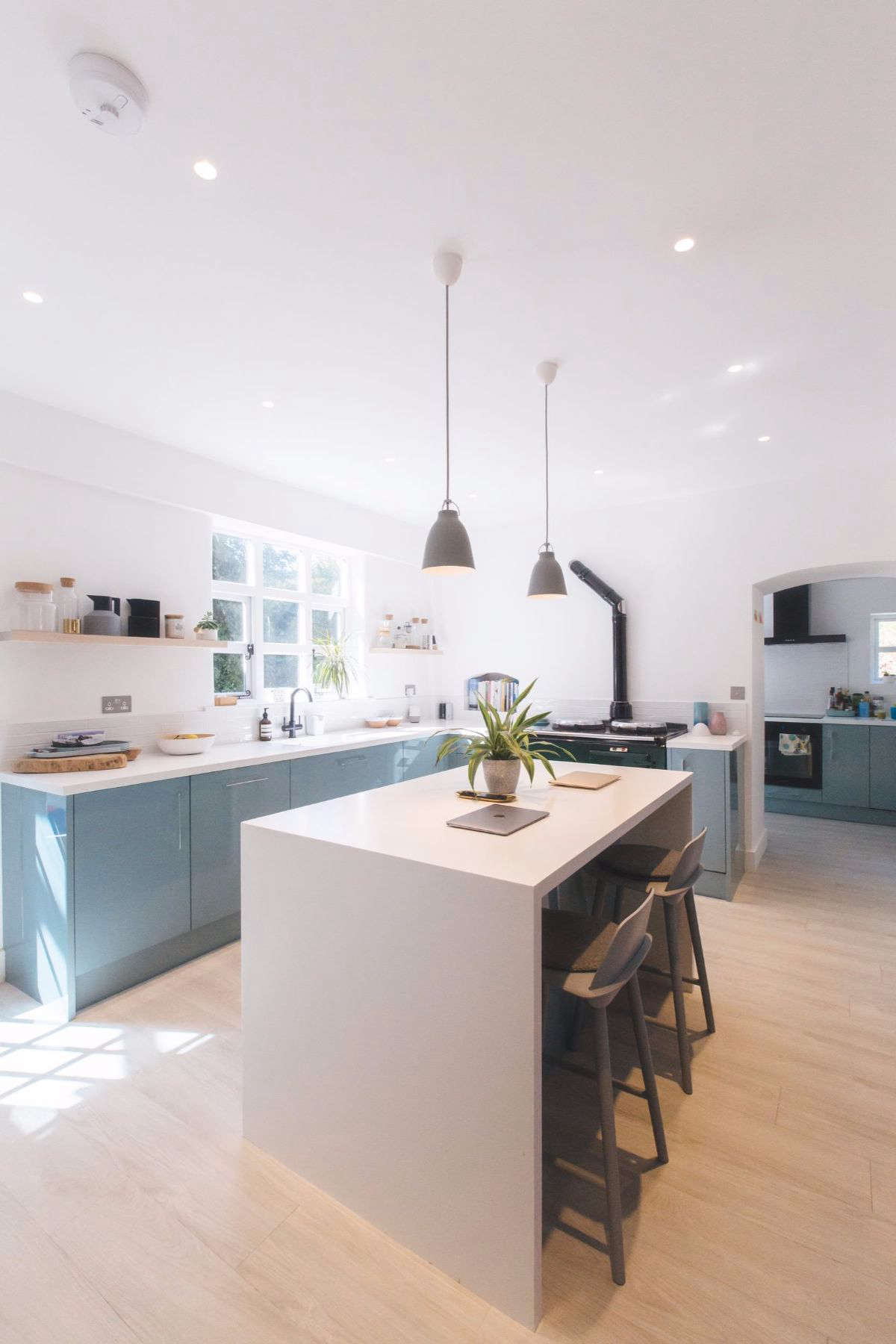

There are two kinds of “farmhouse” homes in America: the ones that feel warm, practical, and timelessand the ones that feel like a barn-themed costume party that got out of hand (we’ve all seen the “LIVE LAUGH LUMBER” signs). The Spring Grove Farmhouse is my name for the first kind: a modern farmhouse that keeps the soulsimple shapes, honest materials, real-life functionwhile quietly upgrading the parts that matter most: layout, storage, light, comfort, and efficiency.
Whether you’re building from the ground up, remodeling a beloved older place, or just dreaming with a coffee that’s 40% caffeine and 60% hope, this guide breaks down what makes a Spring Grove Farmhouse workand how to steal the best ideas without turning your home into a Pinterest hostage situation.
What “Spring Grove Farmhouse” Really Means
“Farmhouse” isn’t one rigid blueprint. It’s a design language: straightforward massing, comfortable proportions, a welcoming front, and interiors that prioritize everyday living. The modern farmhouse twist adds cleaner lines, fewer fussy details, and a more edited palettethink cozy, not cluttered.
In a Spring Grove Farmhouse, the goal is balance:
- Classic outside: gables, porches, and durable siding that can age gracefully.
- Modern inside: flexible rooms, smarter circulation, and storage that doesn’t require a scavenger hunt.
- Realistic comfort: better air sealing, insulation, and ventilation so “charming” doesn’t mean “drafty.”
In other words: the house should feel like it could host Thanksgiving and survive a Tuesday.
The Spring Grove Blueprint: A Floor Plan That Behaves Like a Grown-Up
One popular way people picture a Spring Grove Farmhouse is through a family-friendly plan: a two-story layout with multiple bedrooms, open gathering spaces, and flexible upstairs room for kids, hobbies, or “I work from home now” realities. A well-known “Spring Grove” farmhouse plan concept hits a sweet spot: generous square footage, a central open kitchen/living area, and a second-floor flex zone that can evolve over time.
What makes the layout feel “farmhouse” (without feeling old-fashioned)
The best farmhouse plans are efficient in how they move people around. They typically have:
- A clear center of gravity: kitchen + living space that’s connected but not chaotic.
- Bedrooms with privacy: separation from the loudest zones (because sleep is a human right).
- Flex space: a playroom, loft, bonus room, or second living areatoday it’s LEGO headquarters, tomorrow it’s a home office.
- Back-of-house muscle: mudroom, laundry, pantrythese are the unsung heroes of a calm home.
Pro tip: open concept is a tool, not a religion
Open plans work beautifully in farmhouses when you define zones without building walls everywhere. Use ceiling treatments (beams, subtle changes in height), lighting layers, and furniture placement to “draw boundaries” so your living room doesn’t feel like it’s camping inside your kitchen.
Exterior Design: Curb Appeal Without the Cookie-Cutter Vibes
Modern farmhouse exteriors are popular for a reason: they read friendly, familiar, and clean from the street. But your Spring Grove Farmhouse shouldn’t look like it came off a conveyor belt.
Signature exterior ingredients
- Simple rooflines with character: multiple gables or a cross-gable can add depth without getting overly complex.
- Board-and-batten or clean panel siding: farmhouse staple that feels classic and crisp.
- High-contrast trim (optional): white with dark accents is common, but not mandatorywarm whites, soft grays, and muted greens also feel right.
- A porch that actually gets used: not a “two chairs for photos” porcha real one.
The porch: the farmhouse handshake
A porch is the social upgrade you didn’t know your house needed. It’s where you wave at neighbors, let kids drop muddy shoes before they invade the living room, and pretend you’re the kind of person who reads hardcover books outside. Classic details and vintage-style furnishings can make it feel timeless, while durable outdoor fabrics keep it practical.
Make it yours with three small moves
- Change the siding mix: combine board-and-batten with lap siding or shingles in a gable for texture.
- Upgrade the front door moment: a wood-toned door (even if it’s stained fiberglass) warms up a black-and-white palette instantly.
- Landscape like a human lives here: layered shrubs + a few ornamental grasses + lighting beats a lonely mulch rectangle every time.
Interior Style: Cozy, Functional, and Not “Farmhouse on Shuffle Mode”
Farmhouse style works when it’s functional and comfortable, not when every surface is covered in distressed quotes and galvanized metal. A Spring Grove Farmhouse interior leans into neutral foundations, natural textures, and a mix of old and new that feels collectednot staged.
Living room priorities
- Comfort first: deep seating, washable textiles, and a rug that can survive snacks.
- Honest materials: wood, stone, linen, leathermaterials that look better with age.
- Architectural warmth: beams, built-ins, a fireplace, or even a simple mantel can make the room feel anchored.
Bedrooms: farmhouse calm, not farmhouse chaos
Keep bedrooms softer and quieter than your main living spaces. Think layered bedding, natural fibers, and a palette that won’t yell at you when you’re trying to sleep. Add vintage touches (a dresser, a mirror, a lamp) so the room feels lived-in, not catalog-perfect.
Kitchen: The Command Center of the Spring Grove Farmhouse
If the porch is the handshake, the kitchen is the hug. Modern farmhouse kitchens often feature wood accents, beams, simple cabinetry, and a mix of classic shapes with modern function. The trick is to build a kitchen that’s warm and hardworkinglike a golden retriever with a calendar app.
The farmhouse sink question
Farmhouse (apron-front) sinks are popular because they’re typically deeper than standard sinks, which can make washing big pans and baking sheets easier. Just make sure the cabinet base is designed to support the weight and that your faucet reach makes sense (your back deserves respect).
Open shelving: use it like hot sauce
A little open shelving can lighten a kitchen visually. Too much becomes a dust collection hobby. If you love the look, keep it limited and intentional: one or two short runs for frequently used dishes, or a curated nook for everyday glassware.
Spring Grove kitchen checklist
- Island size: big enough for cooking and hanging out, not so big it turns traffic flow into bumper cars.
- Pantry strategy: a walk-in pantry or tall pantry cabinets to hide small appliances (your counter space will thank you).
- Lighting layers: pendants + recessed + under-cabinet lighting so you can see what you’re chopping.
- Texture, not clutter: add warmth with wood stools, a vintage runner, or a soft backsplashskip the themed décor avalanche.
Mudroom, Laundry, and Storage: The “Invisible Luxury”
Farmhouses were never meant to be precious. They were meant to handle real life: boots, coats, sports gear, groceries, pets, and the mysterious pile of things that belongs to “someone” but no one claims.
A great mudroom is basically therapy
- Bench + hooks: the simplest system is often the one people actually use.
- Closed storage: baskets and cabinets hide the chaos while still keeping it accessible.
- Durable floors: tile, sealed brick, or tough LVP that can handle wet shoes and muddy paws.
Laundry that doesn’t feel like punishment
Add a folding surface, a hanging rod, and enough lighting to spot stains. If you can place laundry near bedrooms, you’ll cut down on the daily “clothes migration” across the house.
Energy Efficiency: Keep the Charm, Lose the Drafts
One of the biggest upgrades you can make in any farmhousenew build or oldis improving the building envelope: air sealing, insulation, and thoughtful ventilation. This is the difference between “cozy farmhouse” and “why is the living room the same temperature as my freezer?”
Start with the basics: seal, then insulate
Air leaks can make a home feel drafty, noisy, and expensive to heat or cool. A smart approach is to identify the biggest leakage pointsattic penetrations, rim joists, basement/crawl openings, and around windows/doorsthen seal them before adding insulation where it’s cost-effective.
If your farmhouse is historic, don’t “upgrade” it into regret
Older homes often manage moisture differently than brand-new construction. If you’re working with a historic farmhouse, focus on improvements that respect the original materials and assembly. In preservation guidance, there’s a strong emphasis on improving efficiency without damaging significant featuresespecially by avoiding unnecessary removal of historic siding or replacing repairable historic windows just for “energy savings.”
Practical, farmhouse-friendly efficiency upgrades
- Attic air sealing + insulation: usually the best comfort ROI.
- Rim joist sealing: a common draft culprit in older homes.
- Smarter ventilation: tight homes need fresh air strategydon’t skip it.
- Storm windows / weatherstripping: often better for old windows than full replacement.
Common Mistakes (So You Don’t Pay Tuition to the School of Hard Remodels)
1) Overdoing the black-and-white look
High contrast can be gorgeous, but too much can read harsh. Warm it up with wood tones, softer whites, and layered textures.
2) Forgetting where the “stuff” goes
If you don’t plan storage, your farmhouse will slowly become an indoor yard sale. Prioritize pantry space, coat storage, and a real linen closet.
3) Making everything open
Open plans feel airy, but they can also feel loud. Include at least one or two closable rooms: office, guest room, den, or “I need quiet for five minutes” space.
4) Choosing finishes that don’t match your life
Matte white paint in a high-traffic hallway with kids and dogs? Bold choice. Consider washable paints, durable flooring, and forgiving surfaces.
How to Pull Off the Spring Grove Farmhouse Look on Different Budgets
Starter budget (high impact, low drama)
- Swap builder lighting for simple, utilitarian fixtures.
- Paint walls a warm neutral and add wood accents through furniture.
- Add a runner, woven shades, and a few vintage pieces for “collected” character.
Mid-range remodel (where it starts to feel real)
- Refresh the kitchen with a new sink, updated hardware, and better lighting layers.
- Upgrade the entry/mudroom zone with hooks, built-ins, and durable floors.
- Improve comfort with targeted air sealing and insulation.
Full build or major renovation (the “let’s do this properly” level)
- Choose a farmhouse plan with a flexible second living area and practical storage.
- Design the porch for daily useshade, seating, lighting, and durable materials.
- Invest early in envelope performance: air sealing strategy, insulation details, and ventilation plan.
A 500-Word “Experience” Add-On: Life Inside a Spring Grove Farmhouse
Let’s make this practical by taking a little (realistic) mental field trip. The following is a composite “day-in-the-life” experience based on the way modern farmhouse layouts are commonly usedbecause the best test of a home isn’t how it photographs, it’s how it behaves when you’re running late and holding a coffee that’s too hot.
Morning: You come down to a kitchen that’s open to the living area, but not so open that the couch feels like it’s parked in the cooking zone. The island becomes mission control: lunch packing, laptop docking, and that one spot where the mail lands like it’s trying to start a new colony. The apron-front sink earns its keep the first time you rinse a sheet pan without doing interpretive dance around a tiny basin. You don’t need a “farmhouse” sign to prove anythingthe kitchen already feels grounded because the materials do the talking: wood, simple cabinet lines, warm hardware, and lighting that actually helps you see what you’re chopping.
Midday: Life happens. A delivery arrives. Someone tracks in dirt. A dog shakes off water like it’s a competitive sport. This is where the Spring Grove Farmhouse quietly wins: the mudroom catches the chaos. Shoes go on the shelf, jackets hit the hooks, and bags land on a bench instead of a chair that was never meant to be a coat rack. If you’ve ever watched clutter multiply overnight, you know this is not a small victoryit’s basically a lifestyle upgrade.
Afternoon: The flexible upstairs space does what farmhouse spaces have always done: adapt. Today it’s homework central and a place to sprawl with a board game. Tomorrow it might become a home office with a door that closes. If you’re hosting family, it can pivot againextra hangout zone, teen lounge, or a guest overflow space. Farmhouse living has always been about usefulness, and that “bonus” zone is usefulness with a modern job title.
Evening: You move to the porchbecause the porch is the whole point. Some nights it’s dinner, some nights it’s a five-minute reset, and some nights it’s you staring into the yard like you’re in a movie, thinking, “Wow, I am absolutely crushing adulthood,” while holding a beverage you didn’t have to drink in the laundry room. The porch works when it’s designed like an outdoor living room: comfortable seating, good lighting, and a layout that invites you to stay, not just pose.
Late night reality check: The house feels calm not because it’s perfect, but because it’s intentional. Storage keeps the clutter from taking over. Zoning keeps noise from traveling everywhere. And behind the scenes, basic envelope improvementsair sealing, insulation, and thoughtful ventilationhelp the whole place feel consistent room to room. That’s the secret sauce of the Spring Grove Farmhouse experience: it looks warm and timeless, but it lives like a modern home.
If you want one takeaway: design the farmhouse for the life you actually live. The aesthetic is the icing. The floor plan, storage, and comfort details are the cake. And yes, you’re allowed to eat cake on the porch.