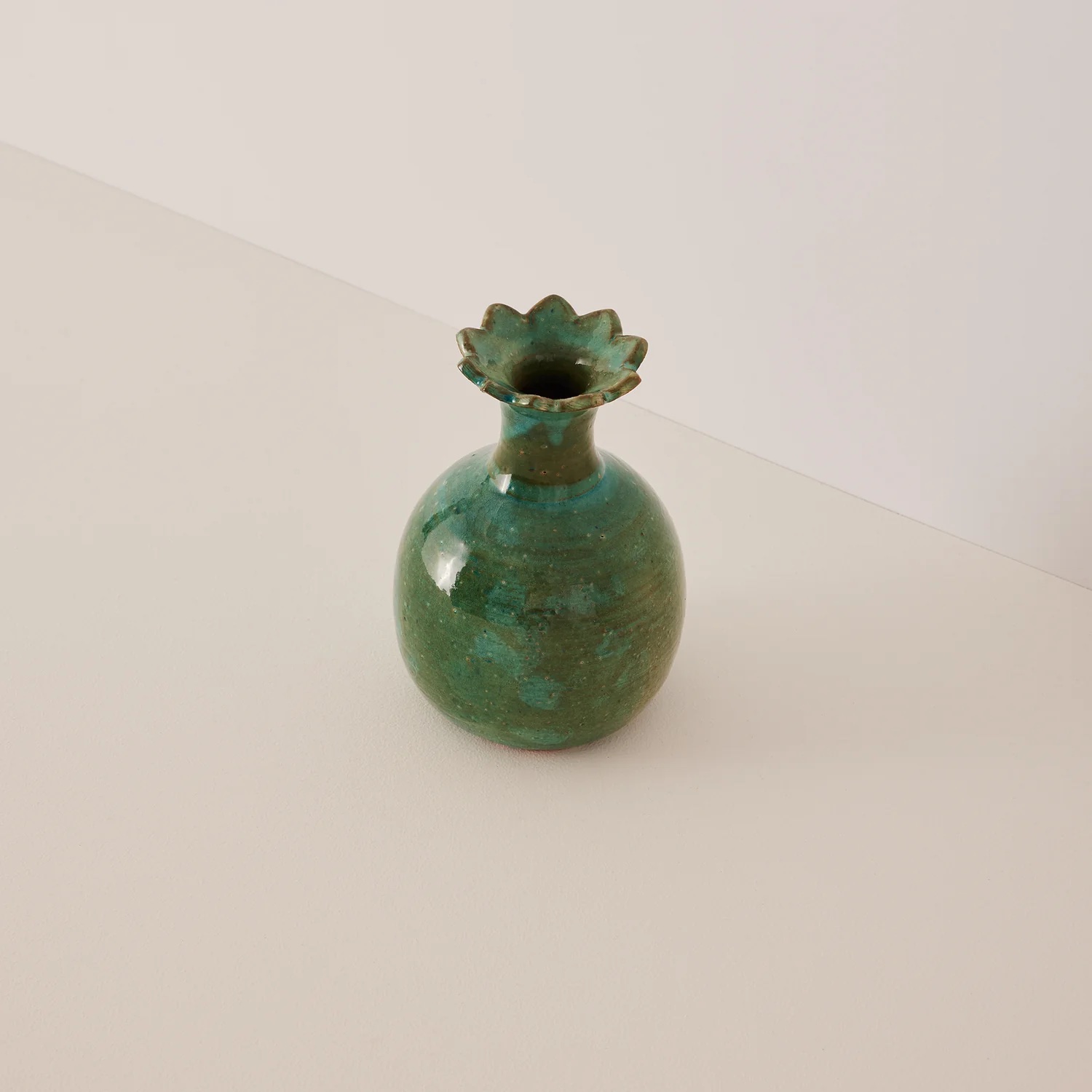

Spring has a funny way of walking into your home without knocking. One day you are perfectly happy under a mountain of blankets, lighting cozy candles, and pretending your entryway pile of boots is “seasonal decor.” The next day, the sun is shining, the windows are begging to open, and suddenly your living room feels like it is still wearing a winter coat indoors.
That is where spring swaps come in. You do not need a full renovation, a truckload of new furniture, or a dramatic “before and after” moment that requires three adults, one contractor, and emotional support snacks. The best spring home updates are often small, affordable, and surprisingly powerful. A lighter throw, clean windows, a refreshed entryway, a plant on the kitchen counter, or a new pillow cover can make your home feel brighter, calmer, and more alive.
This guide focuses on simple spring updates that improve how your home looks, feels, smells, and functions. Think of it as a seasonal reset: part decorating, part cleaning, part practical home care, and part “why did I keep this broken basket for seven years?” therapy.
Why Spring Swaps Work So Well
Spring is associated with renewal for a reason. Days feel longer, natural light changes, and people naturally want their homes to feel lighter and more breathable. A spring refresh works because it edits the heaviness of winter and replaces it with air, color, texture, and movement.
The goal is not to chase every trend or make your home look like a catalog where nobody owns phone chargers. The goal is to make your rooms feel easier to live in. Spring swaps should support real life: muddy shoes, pets, kids, laundry, snack crumbs, and the mysterious spoon that appears in every room except the kitchen.
1. Swap Heavy Textiles for Lighter Layers
The fastest way to freshen up your home for spring is to change the textiles. Heavy knit throws, velvet pillow covers, flannel bedding, and dark winter fabrics are wonderful in January. By April, they can make a room feel visually heavy.
Start with the sofa. Replace thick blankets with cotton, linen, or gauze throws. Swap deep-colored pillow covers for soft greens, warm whites, pale blues, butter yellow, blush, or botanical prints. You do not need to buy new pillow inserts; covers are easier to store and cheaper to change. This is the home decor version of switching from snow boots to sneakers.
Easy textile swaps to try
- Replace flannel sheets with crisp cotton or breathable linen.
- Use a lightweight quilt instead of a thick comforter.
- Change dark pillow covers for floral, striped, or textured neutrals.
- Roll up heavy rugs in rooms that can handle a bare-floor moment.
- Switch bathroom towels to lighter colors for a spa-like feel.
In bedrooms, the bedding swap is especially effective. A fresh duvet cover, laundered pillows, and lighter sheets can make the room feel like it took a deep breath. Bonus: you get that “hotel bed” feeling without having to tip housekeeping.
2. Let Natural Light Do the Decorating
Before buying anything new, clean what spring is already giving you: light. Dirty windows, dusty blinds, and heavy curtains can dim a room more than you realize. Spring is the perfect time to wash windows, wipe frames and sills, clean screens, and launder or vacuum window treatments.
Once the glass is clean, consider whether your curtains still match the season. Thick, dark panels can be replaced with sheers, linen blends, bamboo shades, or simple cotton curtains. If privacy is not an issue, pull curtains wider than the window frame to make the room feel larger and brighter.
Mirrors can also help. Move a mirror across from a window or angle it to bounce light into a darker corner. This is one of the rare decorating tricks that sounds too easy and actually works. No hammer required if you are just leaning the mirror safely on a console or mantel.
3. Declutter Before You Decorate
Spring decorating is much easier when you are not decorating around clutter. Before adding flowers, trays, candles, or new pillows, do a quick edit of visible surfaces. Coffee tables, nightstands, kitchen counters, entry benches, and bathroom vanities are excellent places to start.
Use the three-bag method: one bag for trash, one for donations, and one for items that belong elsewhere. The “elsewhere” bag is important because clutter often is not bad stuff; it is good stuff having a tiny identity crisis in the wrong room.
Low-effort clutter zones with big impact
- Old mail, catalogs, and paper piles near the entryway
- Expired beauty products and nearly empty bottles in the bathroom
- Winter accessories lingering in baskets and closets
- Duplicate kitchen tools you never reach for
- Decor pieces you keep moving but never actually enjoy
After decluttering, your seasonal decor will look intentional instead of like it is fighting for shelf space. Editing first also helps you avoid buying items you already own. Somewhere in a closet, there may be a perfectly good vase waiting for its comeback tour.
4. Refresh Your Entryway for a Better First Impression
The entryway is the handshake of your home. In winter, it often becomes a storage zone for coats, boots, umbrellas, school bags, and heroic amounts of dirt. A spring entryway refresh can be simple but powerful.
Put away heavy winter gear, clean the floor, shake out or replace the doormat, and add one cheerful element: a small plant, a vase of branches, a spring wreath, or a basket for everyday shoes. If your entry has hooks, limit them to current-season items. A hallway with six coats per person says, “Welcome, we may be moving or molting.”
For small homes or apartments, use vertical space. A slim wall shelf, hooks, or a narrow shoe rack can make the area feel organized without crowding the walkway. Add a tray for keys and sunglasses so they stop migrating like tiny household wildlife.
5. Bring in Plants, Branches, and Seasonal Flowers
Nothing says spring quite like bringing nature indoors. Fresh flowers are the obvious choice, but they are not the only option. A bowl of lemons, a bundle of eucalyptus, clipped branches, potted herbs, or a hardy houseplant can all create that fresh spring feeling.
If you are not a plant expert, start small. Pothos, snake plants, ZZ plants, and many succulents are forgiving options. For kitchens, herbs like basil, mint, parsley, and rosemary add both greenery and usefulness. They also make you look like the kind of person who casually “snips fresh herbs,” which is a powerful lifestyle upgrade.
Simple nature-inspired spring decor ideas
- Place tulips or daffodils in a clear glass vase.
- Put a small fern or pothos on a bathroom shelf.
- Style citrus fruit in a bowl on the kitchen counter.
- Use branches in a tall vase for height on a console table.
- Add potted herbs near a sunny kitchen window.
Faux greenery can work too, especially in dark rooms or for people whose love language is “I forgot to water this.” Choose realistic stems and avoid overfilling the arrangement. A few convincing branches usually look better than a plastic jungle.
6. Use Color in Small, Smart Doses
A spring color palette does not have to mean pastel everything. If soft pink and mint green make you happy, wonderful. If they make your home feel like a cupcake shop, try nature-inspired tones instead: moss, clay, sky blue, cream, warm wood, soft coral, or fresh white.
One useful decorating idea is the 60-30-10 rule. In simple terms, about 60 percent of the room is the main color, 30 percent is a secondary color, and 10 percent is an accent. For spring, you can keep your main furniture and walls the same, then change the accent color through pillows, flowers, lampshades, books, art, or table linens.
For example, a beige living room can feel spring-ready with sage green pillows, a striped throw, and a vase of white flowers. A navy bedroom can lighten up with crisp white bedding, pale blue shams, and natural wood accessories. Small color updates are low-risk and easy to reverse when fall starts whispering about cinnamon again.
7. Give the Kitchen a Seasonal Reset
The kitchen is one of the best places for spring swaps because small changes show immediately. Start by clearing counters. Put away appliances you do not use daily, wipe cabinet fronts, clean the backsplash, and replace tired dish towels with fresh stripes, checks, or botanical prints.
Next, refresh open shelves or glass cabinets. Remove anything dusty, chipped, or purely decorative if it feels crowded. Add a small plant, a stack of white bowls, a wood cutting board, or a pitcher filled with flowers. If your kitchen table has become a command center for receipts, homework, and mysterious screws, give it a reset with a simple runner or washable tablecloth.
Affordable kitchen swaps
- Replace old sponges and sink brushes.
- Use a tray to group oils, salt, and cooking essentials.
- Swap dark dish towels for lighter seasonal ones.
- Add a small lamp if you have counter space.
- Display herbs, citrus, or flowers for natural color.
For a bigger but still simple update, change cabinet hardware. New knobs or pulls can make cabinets feel fresher without painting them. Just measure carefully, because hardware shopping without measurements is how people end up whispering unhappy words in the aisle.
8. Make the Bathroom Feel Brighter and Cleaner
A bathroom spring refresh does not need to be fancy. In fact, clean and simple usually wins. Start by removing expired products, nearly empty bottles, old razors, and anything you do not use. Then clean grout, mirrors, fixtures, and shelves.
Replace heavy or dark towels with white, cream, pale gray, or soft color. Add a washable bath mat, a small plant if the room gets light, and a simple tray for daily products. If you use a shower curtain, consider a fresh liner or a lighter curtain pattern. It is amazing how much one clean curtain can do. It is basically a bathroom facelift with rings.
Scent matters here too. Try a subtle diffuser, eucalyptus bundle, or fresh-smelling soap. Avoid overpowering fragrance; the goal is “fresh spa,” not “perfume department during a windstorm.”
9. Update Scent, Air, and Ventilation
Spring home updates are not only visual. A fresh home should smell clean and feel comfortable. Start with source control: take out trash, wash pet bedding, clean fabrics, empty stale pantry items, and deal with damp areas. Fragrance works best after cleaning, not instead of cleaning. A candle cannot defeat a forgotten gym bag. Many have tried. Few have won.
Open windows when outdoor air quality and weather are good. Replace or clean HVAC filters according to your system’s instructions. Dust vents and return grilles. If allergies are an issue in your household, be mindful about pollen-heavy days and consider using filtration as part of your indoor air strategy.
Choose spring scents that feel natural: lemon, bergamot, lavender, rosemary, mint, linen, rain, or light florals. Use candles, diffusers, simmer pots, or fresh herbs, but keep it subtle. A home that smells lightly clean feels more luxurious than one that smells like twelve candles are competing for custody of your nose.
10. Do Small Maintenance Tasks That Make a Big Difference
Some spring swaps are not decorative, but they make your home feel better all season. Inspect windows and doors for drafts, damaged caulk, or worn weatherstripping. Clean window tracks and screens. Check outdoor faucets, porch lights, gutters, and exterior walkways. Replace burned-out bulbs and test smoke and carbon monoxide detectors.
These tasks are not glamorous, but neither is paying for problems that could have been prevented with a tube of caulk and fifteen minutes of attention. A home that functions well always feels fresher.
Spring maintenance mini-checklist
- Replace or clean HVAC filters.
- Inspect caulk around windows, doors, sinks, and tubs.
- Clean window tracks and screens.
- Check weatherstripping around doors.
- Clear leaves and debris from porches, patios, and walkways.
- Test safety alarms and replace batteries if needed.
Think of maintenance as the quiet background music of a beautiful home. You may not notice it when everything works, but you definitely notice when it stops.
11. Freshen Up the Porch, Patio, or Balcony
Spring begins at the front door. Even a tiny outdoor area can feel welcoming with a few simple updates. Sweep away leaves, wipe down outdoor furniture, wash cushions, and add one or two seasonal touches. A new doormat, potted flowers, a lantern, or a small outdoor pillow can change the whole mood.
For renters or apartment dwellers, try a compact planter, clip-on balcony table, outdoor rug, or folding chair. The goal is not to create a magazine-worthy terrace. The goal is to make a spot where you can drink coffee, read, or stare peacefully into the distance like the main character in a very low-budget movie.
If you have a larger yard, focus on the view from inside first. Clean the area visible from your kitchen or living room windows. Trim messy plants, remove broken pots, and group planters together for more impact. Your indoor rooms will feel fresher when the outdoor view looks cared for.
12. Rearrange Before You Replace
One of the cheapest spring home updates is rearranging what you already own. Move a chair closer to a window. Swap lamps between rooms. Rotate artwork. Restyle shelves with fewer objects. Use books, trays, bowls, and vases in new places.
A room can feel stale simply because your eyes have memorized it. Rearranging wakes things up. Try removing one item from every flat surface and see if the space feels calmer. Then add back only what you love or use. This works especially well on mantels, nightstands, coffee tables, and kitchen counters.
Do not underestimate negative space. Empty space is not failure. It is breathing room. It is also much easier to dust, which is a personality trait some of us develop after age thirty.
13. Create a Spring Cleaning Rhythm You Can Actually Finish
Many people fail at spring cleaning because they try to clean the whole house in one heroic weekend. That is a fast road to burnout, resentment, and sitting on the floor reading old birthday cards from 2009. A better approach is to work by zone or category.
Try one zone per day: windows, bedding, bathrooms, entryway, kitchen counters, closets, floors, and outdoor areas. Set a timer for 20 to 45 minutes and stop when it rings. Progress beats perfection. A half-cleaned home that keeps improving is better than a perfect plan you never start.
Pair cleaning with something pleasant: a playlist, podcast, iced coffee, or open windows. The more enjoyable the ritual feels, the more likely you are to repeat it. Your home does not need one dramatic reset. It needs a few consistent wins.
Experience Notes: What Spring Swaps Feel Like in a Real Home
The most satisfying spring refresh usually starts with one small annoyance. Maybe the living room feels dim. Maybe the bedroom feels stuffy. Maybe the entryway has become a museum exhibit called “Boots and Regret.” Instead of trying to fix the entire home at once, the best experience comes from choosing one area and making it noticeably better.
For example, imagine starting with the sofa. You remove the heavy winter blanket, take off the dark pillow covers, vacuum the cushions, and add two lighter pillow covers in a soft green stripe. Then you place a small vase of grocery-store tulips on the coffee table and clear away the random pile of remotes, receipts, and one pen that does not work but somehow has seniority. The room does not become brand-new, but it feels awake. That is the magic of spring swaps: they are small enough to do quickly but visible enough to change your mood.
The kitchen offers a similar reward. Clearing the counters, replacing an old sponge, wiping cabinet fronts, and adding a bowl of lemons can make the space feel brighter before you even cook anything. There is something motivating about walking into a kitchen that looks ready for fresh meals, iced tea, and open-window mornings. Even if dinner is still frozen pizza, the lemons are doing their emotional labor.
The bedroom may be the most personal spring swap zone. Fresh sheets, a lighter quilt, clean pillowcases, and a decluttered nightstand can make sleep feel more inviting. Removing winter layers from the bed also changes the way the room looks during the day. Instead of feeling buried under fabric, the bed becomes crisp and calm. Add a small lamp, a book, or a single stem in a bud vase, and suddenly the room feels intentional rather than neglected.
Outdoor spaces often deliver the biggest emotional payoff. A swept porch, clean chair, new doormat, and one pot of flowers can make coming home feel better. You do not need a giant patio or designer furniture. Even a tiny balcony can become a seasonal retreat with a folding chair, a planter, and a place to set a drink. The first time you sit there in the evening, listening to neighborhood sounds and feeling warmer air, you understand why spring cleaning and spring decorating belong together. One clears the old energy; the other invites in the new.
Another lesson from real-life spring refreshing is that the best swaps are the ones that fit your habits. If you never use formal table settings, do not build a complicated tablescape that must be moved every night. If you have pets, choose washable throws and sturdy rugs. If your family drops shoes at the door, add a basket instead of pretending everyone will suddenly become a shoe-storage professional. A good spring update should make life easier, not create a tiny home-staging assignment you must maintain forever.
The most memorable spring homes are not perfect. They are clean enough, bright enough, comfortable enough, and personal enough. They have flowers, but maybe also a laundry basket waiting in the hallway. They have fresh towels, but also toothpaste on the mirror by Tuesday. That is normal. Spring swaps are not about becoming a different person. They are about helping your home support the season you are entering: lighter mornings, longer evenings, fresh air, and the quiet pleasure of making familiar rooms feel new again.
Conclusion: Small Spring Swaps, Big Home Energy
Freshening up your home for spring does not require a major makeover. The most effective updates are often simple: lighter fabrics, clean windows, edited surfaces, fresh greenery, brighter colors, better air flow, and a few practical maintenance tasks. Together, these changes help your home feel more open, organized, and ready for the season.
Start with the area you use most. Make one swap, clean one surface, add one natural element, and remove one thing that no longer belongs. Spring has already done the hard work outside. Inside, your job is simply to open the door and let the freshness in.