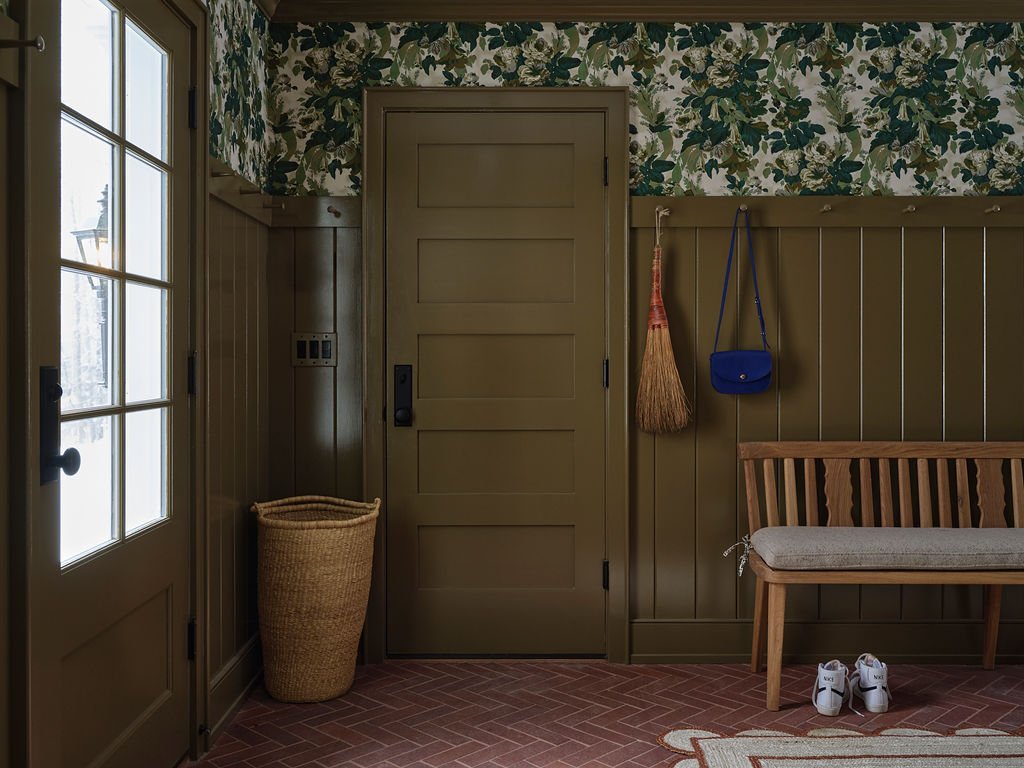

Picture this: you arrive home after a wet New Hampshire afternoon with boots that look like they fought a small forest and lost. The dog is dripping. The kids have backpacks, mittens, and approximately 14 mysterious pinecones. Instead of marching that chaos directly into the kitchen, it lands in a calm, hardworking mudroom and laundry space that looks as though it has been quietly prepared for this moment since 1840.
That is the beauty of a Shaker-style mudroom and laundry room. It is simple without being sterile, practical without feeling like a utility closet, and warm without turning into a country-cabin costume party. With clean-lined cabinetry, sturdy hooks, natural wood, durable floors, and a carefully planned laundry zone, this New Hampshire-inspired look can make daily messes feel a little less like an emergency broadcast.
Why a Shaker-Style Mudroom Works So Well in New Hampshire
New Hampshire homes have to deal with the full seasonal sampler platter: snow, rain, mud, sand, road salt, wet leaves, slushy boots, ski gear, dog towels, and the occasional jacket that somehow becomes damp even though nobody remembers wearing it outside.
A mudroom is designed to stop that parade of outdoor grime before it reaches the rest of the house. Pairing it with a laundry room makes even more sense. Wet socks can go straight into the washer, muddy pants can be handled before they become decorative hallway art, and clean towels can be folded within arm’s reach.
The Shaker aesthetic is especially useful here because it is rooted in simplicity, utility, craftsmanship, and order. This is not a style built around fussy trim, glittery hardware, or decorative objects that require their own cleaning schedule. It is built around the idea that useful things can also be beautiful.
Think of it as the design equivalent of a really good cast-iron skillet: handsome, hardworking, timeless, and not remotely interested in showing off.
The Core Ingredients of the Look
1. Clean-Lined Shaker Cabinetry
The backbone of this mudroom-laundry design is Shaker-style cabinetry. Traditional Shaker doors feature a recessed center panel surrounded by a simple frame. They are crisp, balanced, and unfussy, which is exactly what a room full of snow boots and detergent bottles needs.
For a New Hampshire-inspired version, consider painted cabinets in soft, nature-friendly shades such as warm white, muted sage, dusty blue, mushroom gray, charcoal, or deep forest green. These colors feel at home next to snow-covered pines, stone foundations, and weathered clapboard exteriors.
White cabinets keep a smaller room bright, but darker lower cabinets can be practical near the floor where wet boots, backpacks, and the family dog tend to conduct their daily business. A two-tone combination works beautifully: creamy upper cabinets, deep green lockers, and natural oak accents can make the space feel collected instead of overly coordinated.
2. Open Lockers and Individual Drop Zones
Every person in the house needs a landing place for the daily pile-up of coats, shoes, hats, bags, and whatever object they swear they will use tomorrow. Open lockers are ideal for this because they create a visual system without requiring everyone to become a professional organizer.
A classic mudroom setup might include:
- A tall locker or cubby for each household member
- Wall hooks for coats, tote bags, dog leashes, and hats
- A bench for putting on boots without performing an accidental yoga pose
- Lower drawers or baskets for shoes and gloves
- Upper cabinets for out-of-season gear
The secret is assigning a home to the things that appear every day. When boots have a designated shelf and backpacks have a hook, the room becomes easier to reset. When they do not, your mudroom slowly evolves into a retail clearance aisle after a windstorm.
3. A Built-In Bench That Earns Its Keep
A mudroom bench is not just a pretty place to sit. It is a survival tool during cold-weather mornings. It gives people a place to pull on snow boots, tie laces, wrestle toddlers into jackets, or remove a suspicious amount of gravel from one shoe.
For the full Shaker-style look, choose a simple bench with straight lines and a solid wood top. White oak, maple, walnut, and painted wood all work well. If you want warmth, go with a wood seat over painted cabinetry. If you want a more seamless built-in appearance, use the same color for the bench base and lockers.
Under-bench drawers are especially useful in a mudroom and laundry combo. They can hold shoes, pet supplies, extra towels, reusable shopping bags, or the mysterious gloves that multiply in November and disappear by February.
Choosing Floors That Can Handle Snow, Salt, and Real Life
In a New Hampshire mudroom, flooring must be able to take a beating without crying about it. This is not the room for precious materials that panic at the sight of a wet boot.
Porcelain tile, slate, brick, sealed concrete, and durable luxury vinyl tile are all strong options. Slate is especially fitting for a New England-inspired home because it brings in natural texture and variation. It also has enough visual movement to disguise the fact that someone walked in wearing muddy hiking boots approximately six minutes ago.
Porcelain tile can mimic stone, brick, or even wood while offering easy cleanup. A matte finish is usually more forgiving than a glossy one, particularly in a high-traffic room. Consider a medium or darker tone for the main walking zone, where slush and salt have a habit of making themselves comfortable.
Add a washable runner near the entry door, but do not rely on it as the main line of defense. A rug is a helpful sidekick. The floor is the superhero.
How to Blend Laundry Into the Mudroom Without Making It Feel Like a Chore Factory
A successful mudroom laundry room needs to perform two jobs without looking like it is suffering from an identity crisis. The key is zoning.
One side of the room should handle arrivals and departures: coats, boots, bags, sports gear, pet supplies, and all the objects that travel in and out of the house. The other side should handle washing, drying, folding, and storing laundry supplies.
Side-by-Side Washer and Dryer Layout
If space allows, place a front-loading washer and dryer side by side beneath a continuous countertop. That countertop becomes a folding station, a temporary landing place for clean laundry, and a useful surface for sorting mittens, packing school bags, or folding the same fitted sheet three times before accepting defeat.
A natural wood countertop softens the room and balances painted Shaker cabinets. Butcher block is popular because it adds warmth, while stone or quartz offers more resistance to moisture and stains. Keep the counter deep enough for folding, but do not make it so deep that socks disappear into the shadowy void behind the appliances.
Stacked Appliances for Smaller Rooms
In a narrow mudroom, stacked laundry machines can free up valuable floor space for a bench, sink, or tall storage cabinet. This works especially well in compact homes, cottages, converted garages, and side-entry laundry spaces.
Build surrounding cabinetry to make the stacked units feel intentional. A tall cabinet nearby can store detergent, cleaning supplies, lint tools, extra towels, and household items that should remain out of reach of children and pets.
A Utility Sink Is More Useful Than It Sounds
A deep utility sink is one of those features homeowners often appreciate more after living with it for a few months. It can rinse muddy boots, soak stained clothes, wash paintbrushes, clean gardening tools, fill pet bowls, and handle the aftermath of a dog who discovers a puddle with spiritual enthusiasm.
For a Shaker-inspired room, consider a simple apron-front sink, a white enamel utility sink, or an undermount sink paired with a clean-lined cabinet base. Choose a practical faucet with a pull-down sprayer. This is not the room for a tiny decorative faucet that becomes confused by actual work.
Materials That Make the Room Feel Authentic, Not Theme-Park Colonial
The difference between timeless New England style and “historic tavern gift shop” is restraint. A Shaker-style mudroom should feel honest and warm, not overloaded with barn stars, fake distressing, or signs that announce where you keep your shoes.
Use Natural Wood Sparingly but Intentionally
Natural wood is essential to softening a mudroom full of cabinets and appliances. Use it for the bench seat, floating shelves, cabinet interiors, peg rails, ceiling beams, or a folding counter. White oak offers a pale, modern look, while walnut adds drama and warmth. Maple feels especially appropriate for a quiet New England palette.
The goal is contrast. A room with painted cabinetry, stone floors, and one or two wood elements feels layered. A room with wood everywhere can quickly begin auditioning for a lumber catalog.
Choose Hardware With a Simple Shape
Shaker design is about utility, so hardware should look sturdy and uncomplicated. Bin pulls, round knobs, small cup pulls, and simple black hooks work beautifully. Aged brass can warm up a soft gray or green cabinet color, while matte black adds crispness to white cabinetry.
Try not to overdo mixed metals. Two finishes can look collected. Five finishes can look like the room lost a bet.
Add Beadboard or Wall Paneling Carefully
Beadboard, tongue-and-groove paneling, and simple vertical wall boards can add texture without competing with the cabinetry. Use them behind hooks, around the bench area, or as a durable lower-wall treatment. In a mudroom, wall paneling is not just decorative; it also helps protect the wall from wet coats, backpacks, and rogue hockey sticks.
Storage Ideas That Keep the Shaker Look Calm
The best mudroom storage does not merely create more places to put stuff. It creates fewer opportunities for stuff to become a public spectacle.
Start with a mix of open and closed storage. Open hooks and cubbies are practical for daily gear. Closed cabinets hide cleaning products, off-season items, spare linens, paperwork, and the visual chaos that develops when nobody puts anything back correctly.
Use baskets for small items, but choose a limited number of basket styles. Woven seagrass, wire, canvas, and wood bins can all work, but they do not all need to attend the same party. Pick one or two materials and repeat them.
Label baskets for gloves, dog towels, hats, and sports gear. Labels are not glamorous, but neither is spending 12 minutes searching for one mitten while everyone is late.
For families, assign each person a locker or shelf. For pet owners, create a dedicated drawer or lower cabinet for leashes, treats, towels, and grooming supplies. For outdoor enthusiasts, add taller storage for skis, hiking poles, snowshoes, or fishing gear. Your future self will appreciate not having a ski pole leaning ominously behind the kitchen door.
Lighting for a Warm, Functional Mudroom Laundry Room
Mudrooms are often tucked near side entrances, garages, or back doors, which means natural light can be limited. Good lighting matters because this room handles practical tasks: finding shoes, sorting laundry, reading labels, cleaning stains, and locating the missing dog leash before the dog starts a formal protest.
Use layered lighting:
- Ceiling fixtures for general light
- Under-cabinet lighting near laundry counters
- Wall sconces near mirrors or benches
- Task lighting over a sink or folding station
A simple schoolhouse pendant, lantern-style fixture, or understated flush mount can reinforce the New England character. Choose warm light bulbs rather than harsh blue-white bulbs. A mudroom should feel clean and welcoming, not like a regional airport restroom.
Ventilation, Moisture, and Laundry Safety Matter More Than Pretty Tile
A beautiful laundry room still needs the boring-but-important details to work correctly. Moisture management is especially important in a room that deals with wet boots, damp outerwear, snow gear, washing machines, and dryers.
Use proper ventilation, repair leaks quickly, and avoid sealing wet gear into closed cabinetry for long periods. Include air circulation around drying racks and boot storage whenever possible. A wall-mounted drying rack, hanging rod, or pull-out rail gives damp items a place to dry before they begin developing their own weather system.
For dryer safety, keep the lint filter clean, make sure the dryer vent path is not blocked, and keep flammable items away from the machine. In snowy climates, remember to check exterior dryer vent covers during winter. A vent flap buried under snow is not a charming seasonal detail.
When selecting appliances, consider efficient models with moisture sensors or heat-pump technology. These features can help reduce over-drying, protect clothes, and lower energy use. The most stylish laundry room in the world is still better when it does not roast your favorite sweater into a toddler-sized souvenir.
A Sample Shaker-Style Mudroom and Laundry Plan
Imagine a rectangular New Hampshire mudroom measuring roughly 10 by 14 feet. One long wall holds a run of three painted Shaker lockers in a muted forest green. Each locker has double hooks, a lower shoe drawer, and an upper cabinet for seasonal items. A solid white oak bench runs beneath the lockers.
Across from the bench, a front-loading washer and dryer sit under a continuous soapstone-look countertop. Above them are white Shaker cabinets with simple black knobs. A hanging rod is tucked beneath one upper cabinet for air-drying shirts and snow pants.
At the far end of the room, a deep utility sink sits in a painted cabinet base. A small window above the sink brings in daylight, while a simple brass sconce adds warmth after dark. The floor is durable slate tile in a charcoal gray tone, with a washable woven runner near the exterior door.
Nothing is overly ornate. Nothing feels precious. Yet the room looks polished enough that guests entering through the side door will assume you have your life together, which is one of interior design’s greatest gifts.
Experience: Living With a Shaker-Style Mudroom and Laundry in New Hampshire
There is a special kind of satisfaction that comes from walking into a mudroom that actually understands your household. Before a well-planned mudroom, winter arrivals can feel like a chaotic relay race. Someone is trying to remove boots without falling over. Someone else is carrying groceries. The dog is wet. A mitten has vanished. The floor is instantly covered in snow chunks, gravel, and whatever mysterious substance lives on the bottom of school backpacks.
In a Shaker-style mudroom laundry room, the routine becomes quieter. Coats go on hooks instead of dining chairs. Boots land on trays or shelves instead of forming a damp obstacle course by the kitchen. Wet gloves have a drying rail. Laundry has somewhere to go before it becomes a pile with its own postal code.
The best part is that the room improves daily life in small, almost boring ways. There is a place to sit while pulling on boots. There is a drawer for dog towels. There is a countertop for folding laundry instead of balancing towels on top of a machine. There is a cabinet where detergent can hide instead of starring in every family photo taken near the back door.
A Shaker-style room also tends to age gracefully. The simple cabinet doors do not chase trends. The natural wood develops character. The hooks become more useful over time, not less. The durable floor collects stories rather than looking ruined after a single snowy season.
It is not a room designed for perfection. It is designed for recovery. The space can handle the reality of muddy boots, wet coats, laundry baskets, backpacks, dog hair, and rushed mornings. Then, with a few minutes of resetting, it can look calm again.
That balance is what makes this look worth stealing. A Shaker-style mudroom and laundry room is not about creating a flawless home. It is about creating a home that is ready for the weather, the mess, and the people who live in it. In New Hampshire, that might be the most luxurious feature of all.
Final Thoughts: A Mudroom That Works as Hard as Your Home Does
A Shaker-style mudroom and laundry room brings order to one of the busiest parts of the house without draining it of personality. The formula is simple: durable materials, straightforward storage, clean-lined cabinets, warm natural wood, practical lighting, and enough room for the everyday mess that comes with New England living.
Whether you are renovating a large farmhouse entry, updating a side-door laundry room, or carving a drop zone out of a compact hallway, focus on function first. Then layer in the quiet details that make the room feel timeless: simple cabinetry, sturdy hooks, a real bench, natural textures, and storage that knows what it is supposed to do.
Because in a place where winter boots, wet dogs, ski gear, and laundry all have opinions, a beautiful mudroom is not a luxury. It is a peace treaty.
Note: This article is informed by established American home-design, historic preservation, energy-efficiency, moisture-control, and laundry-safety guidance, then rewritten as original editorial content for publication.