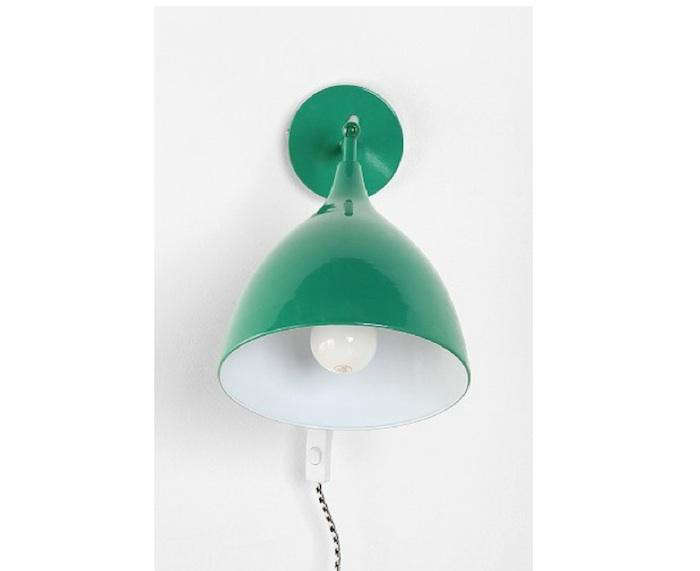

A steel industrial sconce is the kind of lighting fixture that walks into a room, rolls up its sleeves, and quietly makes everything look more intentional. It is not fussy. It does not ask for a crystal chandelier moment. It simply brings strong metal character, practical wall lighting, and a little old-factory confidence to kitchens, hallways, bedrooms, entryways, bathrooms, workshops, restaurants, and modern farmhouse spaces.
At its core, a steel industrial wall sconce is a wall-mounted light fixture made with steel or steel-style metal components, often finished in matte black, galvanized gray, brushed steel, oil-rubbed bronze, antique pewter, or powder-coated colors. Its design is inspired by warehouses, barns, factories, machine shops, train stations, and early electric lighting. Think cage guards, exposed bulbs, curved arms, cone shades, gooseneck silhouettes, rivet details, and finishes that look tough enough to survive a wrestling match with a toolbox.
But do not mistake industrial for cold or unfinished. Today’s steel sconces can be surprisingly warm, stylish, and flexible. They pair beautifully with wood, brick, concrete, subway tile, leather, stone, plaster, and painted drywall. Whether your room leans rustic, modern, vintage, minimalist, coastal industrial, or “I watched one renovation show and now I own a stud finder,” a steel industrial sconce can add structure and personality without eating up floor or table space.
What Is a Steel Industrial Sconce?
A steel industrial sconce is a wall light that uses steel construction or steel-inspired metal styling to deliver task, accent, or ambient lighting. Unlike a ceiling light, which spreads illumination from above, a wall sconce brings light closer to eye level. That makes it useful for creating mood, highlighting architectural details, lighting a hallway, framing a mirror, or adding bedside reading light.
The “industrial” part usually refers to the fixture’s shape, finish, and visual attitude. Common design elements include metal shades, exposed fasteners, wire cages, pipe-like arms, adjustable joints, and simple geometric profiles. Some designs look like vintage factory lamps. Others are sleeker, with clean steel cylinders or streamlined black metal plates. Both versions work because industrial lighting is less about decoration for decoration’s sake and more about honest materials, visible function, and durable design.
Why Steel Works So Well for Industrial Wall Lighting
Steel is a natural fit for industrial sconces because it has visual weight. It looks dependable. A steel shade or backplate gives the fixture a grounded presence that plastic or lightweight decorative materials often cannot match. In interior design, that sense of weight can be useful. It balances soft fabrics, warm wood tones, white walls, and open spaces that might otherwise feel a little too airy or unfinished.
Steel is also practical. When properly finished, it can resist everyday wear, minor bumps, and surface scratches better than many delicate materials. Powder-coated steel, galvanized steel, stainless steel, and painted steel each bring different performance benefits. For indoor spaces, a powder-coated or painted steel sconce is often enough. For covered porches, bathrooms, laundry rooms, or coastal homes, ratings and corrosion resistance matter more.
Popular Styles of Steel Industrial Sconces
1. Gooseneck Steel Sconce
The gooseneck sconce is one of the most recognizable industrial lighting styles. It has a curved arm that extends from the wall and drops the shade downward. This style is popular above kitchen windows, garage doors, bathroom mirrors, exterior entries, and signs. Its charm comes from its balance of utility and nostalgia. It looks like it should be lighting a 1940s workshop, but somehow it also looks perfect above a modern farmhouse sink.
2. Caged Industrial Wall Sconce
A caged steel sconce uses a wire guard around the bulb. Originally, cage designs helped protect bulbs in rough working environments. Today, they add texture and vintage character. Caged sconces work especially well in stairways, mudrooms, loft apartments, home bars, and casual bathrooms. Pair one with a warm LED Edison-style bulb and you get that “old factory, but make it cozy” effect.
3. Cone Shade Steel Sconce
Cone shade sconces direct light downward or outward, making them excellent for task lighting. They are often used beside beds, over desks, above open shelving, or along hallways. A black cone shade feels crisp and graphic, while galvanized or brushed steel gives a more utilitarian workshop look.
4. Adjustable Arm Sconce
Adjustable steel sconces are ideal when function matters. They can swing, tilt, or pivot to direct light where needed. Use them beside reading chairs, beds, workbenches, kitchen prep areas, or small home offices. They offer the convenience of a task lamp without taking up valuable surface space.
5. Minimalist Steel Cylinder Sconce
Not every industrial sconce needs a cage and a dramatic elbow joint. A simple steel cylinder can feel modern, architectural, and industrial at the same time. Up-and-down cylinder sconces are especially popular for exterior walls, entryways, and contemporary interiors because they create clean beams of light without visual clutter.
Where to Use a Steel Industrial Sconce
Kitchen
In the kitchen, steel industrial sconces can be both decorative and useful. Install them above open shelving, over a sink, beside a range hood, or on either side of a window. A black or galvanized steel sconce looks great against white subway tile, butcher block counters, exposed brick, or dark cabinetry. It can also break up a kitchen that feels too polished by adding a little workshop honesty.
Bathroom
A pair of steel sconces beside a bathroom mirror can create balanced face-level lighting. For bathrooms, always check whether the fixture is rated for damp or wet locations depending on where it will be installed. A damp-rated wall sconce may work in many bathroom areas with moisture but no direct water exposure, while wet-rated fixtures are designed for locations where water contact may occur.
Bedroom
Bedside steel sconces are a smart alternative to table lamps. They free up nightstand space, reduce clutter, and make the bed wall feel designed rather than randomly assembled at 11:30 p.m. after a furniture delivery. Choose adjustable sconces for reading or shaded sconces for softer ambient light. Warm LED bulbs and dimmers help keep the room relaxing instead of turning it into an interrogation scene.
Hallway and Stairway
Hallways love sconces because they add rhythm. Instead of relying only on overhead lighting, a row of steel wall sconces can guide movement and make a narrow space feel more finished. In long corridors, spacing sconces evenly helps avoid dark patches. In stairways, the fixture should sit where it provides safe illumination without sticking out awkwardly into the walking path.
Entryway and Porch
A steel industrial sconce near the front door gives guests an immediate style preview. For outdoor or covered exterior use, choose a fixture with the correct wet or damp rating. Stainless steel, galvanized steel, powder-coated steel, and other weather-resistant finishes are especially useful where humidity, rain, snow, or salty coastal air may be an issue.
Dining Room or Home Bar
Steel sconces can add restaurant-style atmosphere to dining rooms and home bars. Use them to flank artwork, highlight shelving, or create moody side lighting. Industrial sconces look particularly sharp with reclaimed wood, leather seating, black metal stools, stone counters, and vintage signs.
How to Choose the Right Steel Industrial Sconce
Consider the Light Direction
Before falling in love with a fixture, decide what the light needs to do. A downward shade is good for focused task lighting. An upward shade adds softer ambient glow. A clear glass or cage design spreads light in multiple directions. An enclosed metal shade may create dramatic shadows, which can be stylish in a hallway but less helpful when shaving, applying makeup, or searching for the tiny screw you just dropped.
Choose the Right Finish
Finish changes everything. Matte black feels modern and bold. Galvanized steel feels rustic and utilitarian. Brushed steel feels clean and slightly commercial. Oil-rubbed bronze adds warmth. Antique pewter or darkened steel gives a vintage workshop mood. If your room already has black cabinet hardware, black window frames, or iron furniture legs, a black steel industrial sconce can tie the look together.
Check the Size and Projection
Projection is how far the sconce extends from the wall. This matters in hallways, staircases, small bathrooms, and tight entryways. A deep gooseneck fixture may look fantastic online but become a forehead hazard in a narrow corridor. For compact spaces, choose low-profile sconces or fixtures with shallow shades.
Look at Bulb Compatibility
Many industrial sconces use standard medium-base bulbs, often called E26 bulbs in the United States. LED bulbs are usually the best choice because they use far less energy than traditional incandescent bulbs and last much longer. Warm white bulbs around 2700K create a cozy glow, while 3000K can feel a little cleaner and brighter for bathrooms, kitchens, and work areas.
Pay Attention to Ratings
Lighting ratings are not glamorous, but neither is replacing a rusty fixture after one humid season. Dry-rated sconces are for indoor spaces without moisture exposure. Damp-rated sconces can handle humidity or condensation but should not receive direct water contact. Wet-rated sconces are designed for areas exposed to rain or direct moisture. For bathrooms, laundry rooms, covered patios, porches, and exterior walls, the rating is not optional trivia; it is part of choosing safely and wisely.
Steel Industrial Sconce Placement Tips
Placement can make the difference between “designer lighting plan” and “why is that lamp staring at me?” As a general rule, many wall sconces are mounted with the center of the fixture around 60 to 72 inches above the floor, depending on room use, ceiling height, fixture size, and sightline. The goal is to avoid glare while keeping the light functional.
In hallways, sconces are often spaced about 6 to 8 feet apart for even illumination. Beside a bathroom mirror, a pair of sconces should sit near face level to reduce harsh shadows. Beside a bed, the best height depends on mattress height, headboard size, and whether the sconce is used for reading. A practical approach is to sit in bed and place the light near shoulder or eye level so it shines on the page, not directly into your eyes.
For exterior entries, scale matters. A tiny sconce next to a tall front door can look like it got lost on the way to a dollhouse. A large fixture can make a stronger statement, especially on homes with high ceilings, wide trim, or double doors. If using two sconces, one on each side of the door, symmetry usually gives the cleanest look.
Steel Industrial Sconce vs. Other Wall Light Materials
Steel is not the only material used in sconces, but it has a distinct personality. Brass feels warmer and more traditional. Aluminum is lightweight and often used outdoors. Glass adds delicacy and diffusion. Ceramic can feel handmade and soft. Steel, however, brings structure. It is the material of beams, tools, railings, machinery, and serious shelving brackets. That background gives steel lighting its no-nonsense charm.
For industrial interiors, steel usually looks more authentic than shiny decorative metals. For modern spaces, blackened or powder-coated steel adds contrast. For rustic spaces, galvanized steel blends with reclaimed wood and aged textures. For commercial spaces such as coffee shops, breweries, offices, and restaurants, steel sconces can reinforce a durable, professional atmosphere without looking bland.
Best Bulbs for a Steel Industrial Sconce
The bulb can completely change the mood of a steel industrial wall sconce. A clear Edison-style LED bulb emphasizes vintage charm and looks great inside cage fixtures or clear glass shades. A frosted bulb softens glare and works better when the bulb is visible at eye level. A globe bulb can make a simple fixture feel more decorative. A directional LED can help focus light downward in task areas.
For most homes, warm white LED bulbs are the safest starting point. They make steel feel inviting instead of harsh. In kitchens and bathrooms, slightly brighter neutral-warm bulbs can improve visibility. If the sconce is dimmable, confirm that both the bulb and dimmer switch are compatible. Otherwise, you may get flickering, buzzing, or a lighting mood best described as “haunted storage room.”
Design Ideas for Decorating With Steel Industrial Sconces
Pair Steel With Wood
Steel and wood are a classic combination because they balance each other. Steel brings coolness and structure; wood brings warmth and grain. Try black steel sconces above walnut shelves, galvanized sconces against reclaimed barnwood, or dark steel fixtures beside a natural oak vanity.
Use Contrast on Light Walls
A matte black steel sconce on a white wall creates instant graphic impact. This works especially well in modern farmhouse kitchens, stairways, powder rooms, and entry halls. The fixture becomes both light source and wall accent.
Repeat Metal Finishes
For a cohesive room, repeat the sconce finish elsewhere. Match black steel sconces with black cabinet pulls, black faucet details, metal chair legs, or picture frames. The repetition does not need to be perfect, but it should feel intentional.
Mix Industrial With Soft Textures
Industrial lighting can become too severe if everything around it is also hard and dark. Balance steel sconces with linen curtains, woven baskets, warm rugs, plants, upholstered furniture, or creamy wall colors. The result feels layered, not like you accidentally moved into a very stylish loading dock.
Installation and Safety Considerations
Some steel industrial sconces are hardwired, meaning they connect directly to an electrical box and are controlled by a wall switch. Others are plug-in designs, which can be easier for renters or rooms without existing wall wiring. Hardwired sconces usually look cleaner, but installation should follow local electrical code. If you are not comfortable working with wiring, hire a licensed electrician.
Also consider the fixture’s weight. Steel sconces may be heavier than lightweight decorative fixtures, so they should be mounted securely to an appropriate electrical box or wall support. Outdoor fixtures need weather-safe installation, proper sealing, and the correct location rating. In bathrooms, placement near tubs or showers requires extra attention to safety rules.
Maintenance: How to Keep Steel Sconces Looking Good
Steel industrial sconces are generally easy to maintain. Dust them regularly with a soft cloth. For deeper cleaning, use a slightly damp cloth and mild soap, then dry the surface completely. Avoid harsh abrasives, strong chemical cleaners, or metal polishes unless the manufacturer specifically recommends them. Aggressive cleaning can damage powder-coated, painted, blackened, or antique finishes.
For exterior steel sconces, inspect the finish occasionally. Look for scratches, chipped coating, rust spots, loose screws, or moisture trapped around seams. Catching small issues early can help extend the life of the fixture. In coastal environments, salt air can be especially hard on metal finishes, so more frequent cleaning may be needed.
Common Mistakes to Avoid
Choosing Style Before Function
A beautiful sconce that does not provide the right light is basically wall jewelry with a cord. Decide whether you need task, accent, ambient, or decorative lighting first, then choose the design.
Ignoring Glare
Exposed bulbs look great in photos, but they can be uncomfortable when placed at eye level. If glare is a concern, choose frosted bulbs, shaded fixtures, or lower-lumen bulbs.
Using the Wrong Location Rating
A dry-rated fixture does not belong in a wet outdoor location. Always check whether the sconce is suitable for the room or exterior area where it will be installed.
Picking the Wrong Scale
Scale is sneaky. Measure before buying. Tape the approximate fixture size on the wall if needed. It is better to discover that a sconce is too large with painter’s tape than after drilling holes and questioning your life choices.
Real-Life Experience: Living With Steel Industrial Sconces
Steel industrial sconces have a way of changing how a space feels without demanding a full renovation. One of the most noticeable experiences is how quickly they add character to plain walls. A basic hallway with white paint and builder-grade ceiling lights can feel forgettable. Add a row of matte black steel sconces, and suddenly the same hallway has rhythm, depth, and a little boutique-hotel energy. The walls did not move. The budget did not explode. The hallway simply stopped looking like a place where socks disappear.
In kitchens, the experience is even more practical. A steel gooseneck sconce above a sink or prep counter can make everyday tasks feel easier. Washing vegetables, reading labels, cleaning pans, and making late-night toast all benefit from targeted light. There is also something emotionally satisfying about a sturdy metal fixture in a working kitchen. It fits the room’s purpose. Kitchens are full of tools, heat, water, chopping, stirring, and occasional dramatic encounters with spaghetti sauce. A steel industrial sconce looks like it belongs in that action.
Bedrooms tell a different story. Replacing table lamps with wall-mounted steel sconces can make a small bedroom feel calmer and less cluttered. The nightstand suddenly has room for a book, phone, glass of water, and the mysterious collection of objects everyone insists is temporary. Adjustable sconces are especially helpful because they let one person read while the other sleeps, at least in theory. In real life, the sleeping person may still complain about page-turning, but the lighting is not the villain.
Bathrooms can also benefit from steel sconces, especially when the design needs contrast. A pair of dark steel fixtures beside a mirror can make white tile, marble counters, or light paint feel more grounded. The key experience here is balance: the fixtures should provide flattering light without casting strong shadows under the eyes or nose. Side-mounted sconces often perform better than a single overhead vanity light because they illuminate the face more evenly. That is good news for shaving, makeup, skincare, and confirming that yes, toothpaste somehow did land on your shirt.
Outdoors, steel industrial sconces can make a home feel more welcoming and secure. A well-scaled fixture near the entry door helps visitors find the bell, keys find the lock, and homeowners avoid stepping on surprise packages. The industrial style also works across many exterior materials, including brick, board-and-batten siding, stucco, concrete, and wood. However, outdoor experience teaches one important lesson quickly: finish quality matters. A cheap metal fixture in a harsh climate may fade, rust, or loosen faster than expected. Choosing the right rating and finish is not just a technical detail; it is the difference between “handsome entry light” and “sad porch relic.”
Another real-world advantage is versatility. Steel industrial sconces rarely feel trapped in one design trend. They can lean farmhouse with shiplap, urban with brick, modern with smooth plaster, rustic with beams, or commercial with concrete floors. If you change paint colors or furniture later, the sconce often still works. That makes it a smart choice for people who like updating rooms without replacing every fixture each time a new design mood appears.
The main lesson from using steel industrial sconces is simple: they perform best when chosen with both eyes open. Look at size, brightness, bulb type, finish, projection, and rating. Think about where shadows will fall. Consider how close people will walk to the fixture. Match the style to the room, but do not forget the job the light needs to do. When all those details line up, a steel industrial sconce becomes more than a wall lamp. It becomes a small architectural feature that makes the room feel finished, useful, and confidently styled.
Conclusion
A steel industrial sconce is one of the most effective ways to bring character, durability, and functional light into a room. It can brighten a hallway, sharpen a kitchen, warm up a bedroom, upgrade a bathroom, or give an entryway a stronger first impression. With the right finish, bulb, placement, and location rating, this humble wall fixture can do the work of both lighting and decor.
The best steel industrial wall sconces are not chosen by style alone. They are selected with purpose. A caged fixture may be perfect for vintage charm. A gooseneck shade may suit task lighting. A matte black cylinder may fit a modern exterior. A damp-rated pair may be right for a bathroom vanity. When design and function meet, the result is lighting that feels intentional, timeless, and refreshingly practical.
In other words, a steel industrial sconce is not just a light on a wall. It is a design decision with a backbone. And yes, it looks very good doing its job.