
Some holiday products arrive with a brass band and a cloud of glitter. Others sneak into your life quietly, solve one deeply annoying problem, and then make you wonder why your kitchen has been operating like a tiny seasonal circus for years. Christmas Bowl Overs at Alder & Co. belonged firmly to that second category.
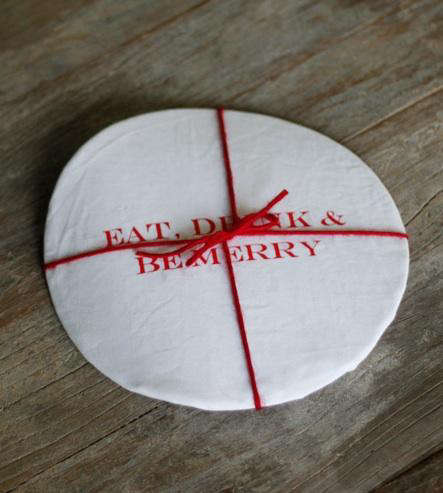
At first glance, the idea sounds charmingly simple: festive reusable bowl covers for leftovers. At second glance, it still sounds simple. That is exactly the point. During the holiday rush, when counters disappear beneath cookies, casseroles, citrus, and one suspiciously heavy fruitcake, simple is a gift. The original item that caught design lovers’ attention was a holiday version of cotton Bowl Over covers spotted at Alder & Co.a cute, practical answer to the age-old December question: what, exactly, are we doing with all these bowls?
This article is really about more than one product. It is about why clever storage feels so magical at Christmas. It is about leftovers that deserve better than a sad plate balanced under foil. It is about serving bowls, mixing bowls, heirloom dishes, and the annual family tradition of opening a cabinet and praying nothing falls out. And yes, it is also about the quiet genius of a festive cover that turns the most ordinary bowl in your house into a holiday-ready storage piece.
What Were Christmas Bowl Overs at Alder & Co.?
The original buzz around Christmas Bowl Overs came from a simple but memorable concept: reusable cotton bowl covers with a holiday spirit. Instead of reaching for disposable plastic wrap every time mashed potatoes, roasted carrots, peppermint bark, or tomorrow’s breakfast strata needed covering, you could stretch a washable fabric cover over a bowl and call it a day. Functional, cheerful, and just old-fashioned enough to feel smart.
That combination matters. Holiday storage tends to swing between two extremes: aggressively practical plastic bins that look like they belong in a garage, or decorative dishes that are beautiful but terrible at handling real life. Bowl covers bridge the gap. They let the bowl stay on the table, move into the fridge, and reappear for round two without a lot of fuss. In the age of hyper-specialized kitchen gadgets, that kind of flexibility is almost rebellious.
And let us be honest: a covered holiday bowl simply looks better than cling film stretched like a panic response over cranberry sauce. Christmas Bowl Overs gave leftovers a little dignity. They made the refrigerator feel less like a food graveyard and more like a well-run holiday headquarters.
Why This Idea Still Holds Up
It makes leftovers feel intentional
One of the smartest lessons from holiday hosting is that leftovers are not failure. They are evidence of abundance, planning, and at least one relative who brought enough stuffing for a medium-sized village. A fabric bowl cover changes the psychology of leftovers. Instead of “we have to deal with this later,” the vibe becomes “excellent, future lunch has entered the chat.”
It reduces disposable clutter
Reusable kitchen storage has become more appealing for good reason. Many households are trying to cut back on single-use wrap, random plastic bags, and mismatched container chaos. Bowl covers fit neatly into that shift. Like beeswax wraps and glass containers, they support a more reusable kitchen routine without demanding that you turn into a minimalist guru who stores joy in labeled jars.
It keeps the table looking festive
Holiday kitchens do double duty. They are prep zones, buffet stations, snack centers, and family gathering spots. Anything that can move between serving and storing without looking like a sad afterthought earns its place. Christmas Bowl Overs worked because they were practical enough for storage and attractive enough to leave out while guests wandered in for “just one more spoonful” of something creamy and dangerous.
The Real Holiday Storage Problem Isn’t the Bowl
The bowl itself is innocent. The chaos comes from everything around it: too many dishes, not enough lids, unclear zones, and a refrigerator that starts each December looking normal and ends up resembling a cold game of Tetris. That is why the story of Christmas Bowl Overs opens into a bigger conversation about seasonal storage.
Holiday kitchens get overwhelmed in predictable ways. Serving pieces come out of deep cabinets. Extra bowls appear from mysterious places. Rarely used platters demand shelf space like celebrities requesting a better trailer. Then the leftovers arrive. If you do not have a system, even a lovely product becomes part of the mess.
So the smartest way to think about Christmas Bowl Overs is not as a miracle object, but as part of a holiday storage strategy. They work best when you also know where your serving bowls live, which leftovers need airtight containers, what goes in the freezer, and how to avoid losing your favorite dish under three pies and a casserole.
How to Build a Smarter Christmas Bowl Storage System
1. Separate “serve” from “store”
This is the first breakthrough. Not every serving vessel should become a long-term storage container. A festive bowl cover is wonderful for short-term fridge coverage, buffet protection, proofed dough, washed grapes, or tomorrow’s brunch salad. But when you are storing soup, gravy, anything sloshy, or leftovers that need to stack tightly, move them into airtight containers.
In other words, let the beautiful bowl do the glamorous evening shift. Let the rectangular glass container do the overnight logistics. This prevents your fridge from filling with round bowls that waste space and refuse to stack like civilized citizens.
2. Keep a holiday-only bowl zone
Special Christmas bowls and serving pieces should not be sprinkled randomly across the kitchen like decorative confetti. Give them one clear home. A dedicated shelf, cabinet, or hosting closet works beautifully. Group bowls by size, and keep the covers, serving spoons, and any matching platters nearby.
This approach pays off twice. First, setup is faster because you know where everything is. Second, cleanup is less miserable because you know where it goes back. A holiday item without a storage zone becomes a permanent resident on your counter by New Year’s. We do not negotiate with countertop squatters.
3. Use vertical space like you mean it
Bowls are natural stackers, but cabinets are often terrible at helping them stack well. Shelf risers, dividers, and upper shelves make a big difference, especially if your serving bowls are large or awkward. Deep cabinets waste space when everything is piled in one tower. The trick is to create layers, not avalanches.
If your bowls sit on top of plates or vanish behind platters, your storage is not working hard enough. Holiday pieces should feel accessible, not archaeological.
4. Protect fragile holiday dishware
If your Christmas bowls are ceramic, stoneware, glass, or part of a sentimental collection, treat them like the seasonal stars they are. Quilted dish storage boxes, soft wrapping, and divided bins can keep bowls, mugs, and serving pieces safe in the off-season. Large platters should be wrapped carefully and stored upright or with protective layers so they do not chip each other into sadness.
The holidays are festive enough without discovering that your favorite serving bowl now has a crack running through the holly pattern.
Leftovers: Where Cheer Meets Food Safety
This is where style must shake hands with reality. A pretty cover is nice, but safe storage matters more. Holiday food often sits out longer than weekday dinners, especially when people linger around the table telling stories, reaching for seconds, and pretending they are too full for dessert right before eating dessert.
Perishable foods should not hang around at room temperature for hours. They need to be refrigerated promptly. Shallow containers help foods cool more quickly, and your refrigerator should be cold enough to do its job efficiently. Leftovers also have a clock on them. If they are not eaten within a few days, freezing is the smarter move.
So where do Christmas Bowl Overs fit in? Think of them as a helpful first step, not the entire system. They are excellent for covering a bowl briefly in the refrigerator, protecting foods on the table, or managing short-term holiday overflow. For longer storage, airtight containers, freezer-safe options, labels, and dates are the grown-up support team.
Best uses for bowl covers during Christmas
Use bowl covers for cookie dough chilling in a mixing bowl, a salad waiting for dinner, leftover roasted vegetables you plan to eat tomorrow, rinsed berries, dinner rolls, or prepped ingredients in the fridge. They are also handy when guests are in and out of the kitchen and you want food covered without wrestling with plastic wrap every twenty minutes.
When to switch to another container
Move foods into airtight glass or sealed containers when you need stacking, leak resistance, freezer storage, transport to another house, or a longer shelf life. Soups, sauces, gravies, and make-ahead dishes especially benefit from containers designed for secure lids and better space efficiency.
How to Avoid the Post-Christmas Fridge Meltdown
Create an “eat first” shelf or bin
If leftovers vanish into the back of the fridge, they are basically entering witness protection. Give holiday leftovers a visible zone at eye level so the foods that should be eaten first are not forgotten behind three condiments and a half jar of olives from Thanksgiving.
Label everything
A strip of masking tape and a marker can save both money and mystery. Label the contents and date. This is especially useful when your refrigerator contains five nearly identical covered bowls, each holding some shade of beige holiday side dish. Was it stuffing? Bread pudding? Savory casserole? Delicious roulette is still roulette.
Audit containers before the season starts
One of the smartest holiday prep moves has nothing to do with menus. Before hosting, pull out your food storage collection and match lids to containers. Recycle or donate the lonely or broken pieces. Make sure you have enough for both keeping leftovers at home and sending guests home with food.
This is the unglamorous part of holiday magic, but it is deeply effective. The host who already has a system for bowls, containers, and take-home portions is the host who is smiling while everyone else is searching for foil.
Why the Christmas Bowl Overs Idea Feels So Modern Now
Even though the original product moment came years ago, the idea feels surprisingly current. People want kitchens that are functional but warm, organized but not sterile, sustainable without becoming joyless. Christmas Bowl Overs fit that mood beautifully. They are practical, low-tech, reusable, and visually pleasant. No app required. No charging cable. No promise to “revolutionize your food journey.” Just a fabric cover for a bowl, doing its job.
That may be the real charm. Holiday hosting is full of pressure to optimize everything. But some of the best solutions are not high drama. They are small, repeatable tools that reduce friction. A dedicated dish zone. A visible leftovers bin. A stack of reliable glass containers. A cover that keeps the rolls fresh and the salad protected. Tiny wins add up fast in December.
In that sense, Christmas Bowl Overs at Alder & Co. were never just about one festive product. They represented a style of thinking: storage should be useful, attractive, and easy enough to use in real life. Not someday. Not in a showroom. On Christmas Eve, with dishes everywhere and relatives asking if there is more gravy.
Conclusion
Storage is one of the invisible engines of holiday joy. When it works, your kitchen feels calmer, your leftovers stay more manageable, and your beautiful serving pieces earn their keep instead of causing clutter. The original Christmas Bowl Overs at Alder & Co. stood out because they solved a tiny but very real holiday problem with style and simplicity.
The bigger lesson still applies today. Build a holiday storage system that respects both beauty and function. Use festive covers when they make sense. Use airtight containers when they matter more. Store seasonal bowls together, protect fragile pieces, label leftovers, and keep the foods you need to eat first where you can actually see them. Your future self, standing in the refrigerator light on December 26, will be grateful.
And if a humble bowl cover can help make the season look a little tidier and feel a little less frantic, that is not a small thing. That is Christmas magic in a very practical outfit.
More Holiday Experiences: Living With Christmas Bowl Storage in Real Life
There is a particular kind of holiday evening that makes products like Christmas Bowl Overs feel less like accessories and more like emotional support. The guests have gone home. The candles have burned low. Someone is still picking at the cheese board. There are half-finished bowls of spiced nuts, leftover green beans, cookie dough waiting for tomorrow, and one proud but slightly exhausted host staring at the kitchen as if it personally betrayed them. That is the exact moment when smart storage stops being theoretical.
In real homes, holiday storage rarely looks like a magazine spread for more than seven minutes. A bowl cover gets used because it is fast. You stretch it over the salad, pop the bowl into the refrigerator, and move on. No searching for a matching lid. No wrestling with plastic wrap that clings to itself, your wrist, and possibly the family dog. The beauty of a reusable fabric cover is not just that it looks better. It lets you keep momentum when the kitchen is busy and your patience is on its final peppermint-striped leg.
There is also something deeply satisfying about seeing bowls lined up neatly after a gathering. The potato gratin in one bowl, the cranberry sauce in another, breakfast casserole prepped for the morning, all tucked away and covered. It makes the holiday feel cared for rather than abandoned. The food is not just “put away.” It is ready for the next chapter. That small sense of order matters more than people admit.
Families also tend to build rituals around storage without realizing it. One household might always pack cookies in tins the night before Christmas. Another might have a favorite serving bowl that reappears every year for punch, Chex mix, or citrus salad. Someone always claims the leftovers. Someone always forgets to label the gravy. Someone inevitably opens the fridge and says, “Why are there four bowls in here and not one actual container?” These are tiny domestic traditions, but they shape how the season feels.
What makes the Christmas Bowl Overs idea memorable is that it fits into those rituals instead of fighting them. It does not ask you to throw out your bowls or change your hosting style. It simply makes the transition from serving to storing smoother. In experience, that is often the difference between a tool you admire and a tool you actually use.
There is an emotional layer, too. Holiday pieces often carry memory. Maybe your bowls are vintage stoneware. Maybe they belonged to a grandparent. Maybe they are not fancy at all, but you only use them in December, which somehow makes them feel important. A good storage routine protects those objects and gives them a repeatable role. You are not just stashing dishes. You are preserving part of the season’s rhythm.
And then comes the morning after. This is the true test of every holiday kitchen system. The table is half-cleared, the sink is negotiating terms, and the refrigerator must now function as both archive and survival plan. If the bowls are covered, labeled, and easy to spot, breakfast is simpler, lunch is obvious, and waste is less likely. If not, things get strange quickly. You start lifting random covers like a detective in fuzzy slippers.
That is why storage deserves more love in holiday conversations. It is not glamorous in the usual sense, but it shapes the entire experience. Smart bowl storage helps cooking feel less frantic, hosting feel more graceful, and cleanup feel less punishing. It lets Christmas food travel from prep to table to refrigerator to second helping without losing either practicality or charm. For a humble kitchen category, that is a pretty impressive résumé.