
Note: This article is for educational purposes only and should not replace medical advice. If you have diabetes, high blood pressure, chronic kidney disease, recurring kidney stones, or concerning symptoms, talk with a licensed healthcare professional.
Your kidneys are not dramatic organs. They do not send you a calendar invite titled “Emergency Meeting: Your Lifestyle Choices.” They simply show up every day, filter your blood, balance fluids, help manage blood pressure, remove waste, support red blood cell production, and keep your internal chemistry from turning into a messy science fair project.
That is exactly why kidney health often gets ignored. Many people think kidney damage only happens because of rare diseases, old age, or something mysterious that requires a medical textbook and a very serious facial expression. In reality, some of the most surprising things that can hurt your kidneys are everyday habits: pain relievers, dehydration, salty snacks, high blood pressure, poorly controlled blood sugar, trendy supplements, and even “healthy” diet choices taken too far.
The good news? Your kidneys are tough, hardworking, and surprisingly forgiving when you treat them well. The better news? Protecting them does not require living on plain lettuce under a waterfall. It starts with understanding what quietly stresses them and making smarter, realistic choices.
Why Kidney Health Matters More Than Most People Think
Your kidneys are two bean-shaped organs located below your ribs, one on each side of your spine. Their main job is filtering waste and extra fluid from the blood so your body can remove it through urine. But that is only the headline. Kidneys also help regulate blood pressure, balance minerals like sodium and potassium, and support bone and blood health.
When kidney function slowly declines, symptoms may not show up right away. That is one of the sneaky parts of chronic kidney disease. A person can feel mostly fine while their kidneys are already under stress. This is why risk factors such as diabetes, high blood pressure, heart disease, obesity, smoking, family history, and long-term use of certain medicines deserve attention before problems become serious.
Think of your kidneys like the quiet employees who keep the whole office running. Nobody notices them until the printer jams, the coffee machine explodes, and payroll disappears. Kidney care is about preventing the chaos before the “office” starts sending warning signals.
1. Taking Pain Relievers Too Often
Over-the-counter pain relievers can be helpful, but they are not harmless candy in a childproof cap. Nonsteroidal anti-inflammatory drugs, often called NSAIDs, include common medicines such as ibuprofen and naproxen. When used too often, at high doses, or during dehydration, these medicines may reduce blood flow to the kidneys and increase the risk of kidney injury.
This does not mean everyone must panic after taking one tablet for a headache. The concern is regular or heavy use, especially for people who already have kidney disease, diabetes, high blood pressure, heart disease, or are taking certain blood pressure medicines. The risky pattern often sounds innocent: “My back hurts, so I take ibuprofen every day.” Your back may appreciate the effort; your kidneys may quietly file a complaint.
Kidney-smart tip
Always read medicine labels, avoid doubling up on cold and pain medicines that contain similar ingredients, and ask a healthcare professional what pain relief option is safest for your situation.
2. Not Drinking Enough Water
Dehydration can make your kidneys work harder because there is less fluid available to help move waste through the urinary system. Occasional mild dehydration is common, but repeated or severe dehydration may raise the risk of kidney stones and acute kidney injury, especially when combined with heat, intense exercise, vomiting, diarrhea, or certain medications.
One surprising problem is that many people mistake thirst for hunger, fatigue, or “I need another iced coffee the size of a houseplant.” Dark yellow urine, dry mouth, dizziness, and fewer trips to the bathroom may be clues that your body needs fluids.
Kidney-smart tip
Water is usually the best everyday choice. People with advanced kidney disease or heart failure may need fluid limits, so they should follow their clinician’s guidance instead of automatically drinking huge amounts.
3. Eating Too Much Salt
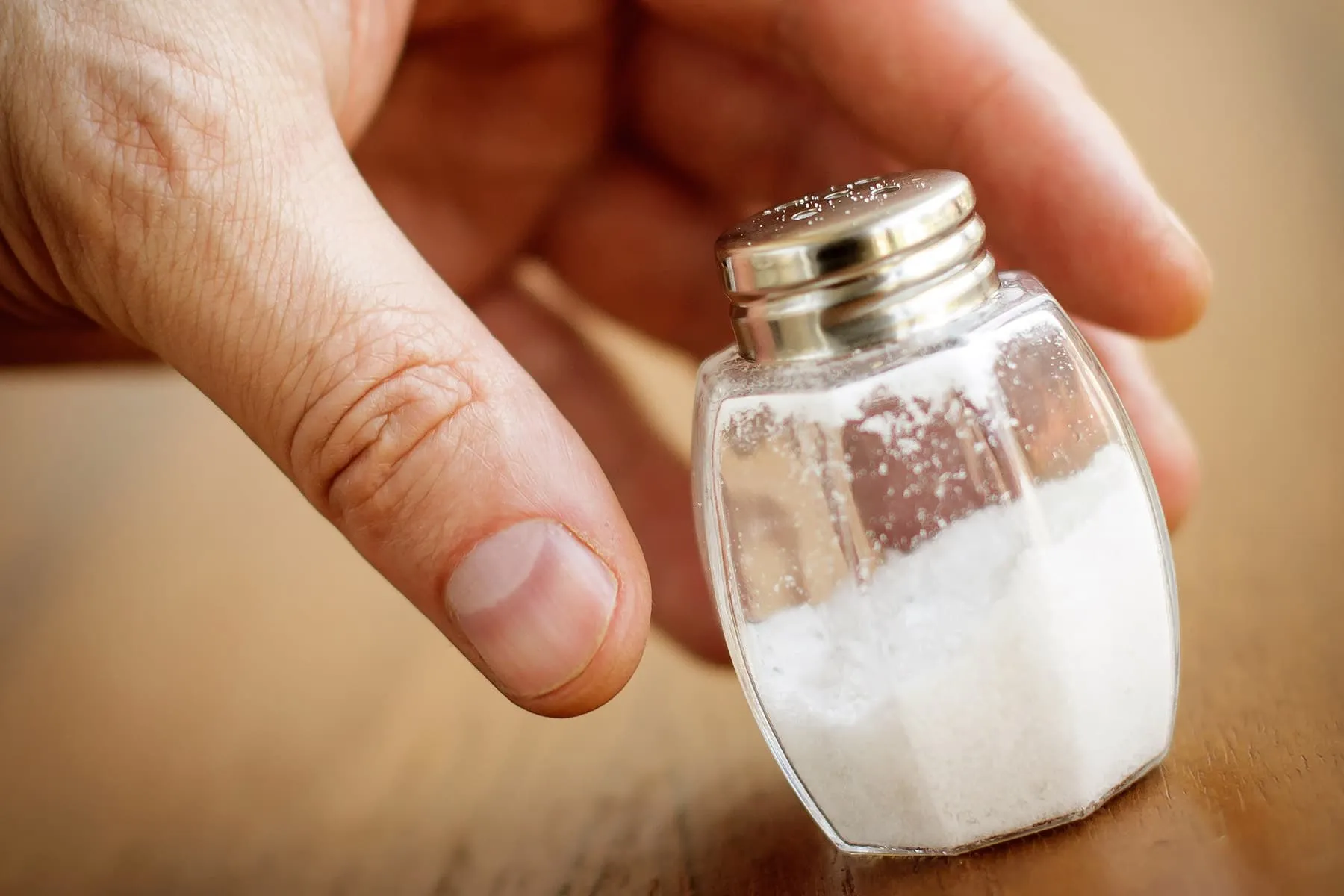
Salt is delicious. Unfortunately, your kidneys did not sign up to process a daily avalanche of sodium from chips, fast food, frozen meals, canned soups, deli meats, packaged sauces, and restaurant meals. High sodium intake can raise blood pressure, and high blood pressure is one of the biggest risk factors for chronic kidney disease.
The tricky part is that most sodium does not come from a dramatic shake of the salt shaker. It hides in processed foods. A sandwich, a bowl of soup, or a “light” frozen dinner may carry more sodium than expected. Your tongue may say, “This is convenient.” Your blood pressure may say, “We need to talk.”
Kidney-smart tip
Compare nutrition labels, choose lower-sodium versions when possible, season food with herbs, lemon, garlic, onion, vinegar, or spices, and reduce ultra-processed meals gradually so your taste buds do not stage a rebellion.
4. Ignoring High Blood Pressure
High blood pressure can damage the tiny blood vessels inside the kidneys. Over time, this makes it harder for the kidneys to filter blood properly. The problem is that high blood pressure often causes no obvious symptoms, which is why it has earned the nickname “silent killer.” Not exactly a cute nickname, but it is accurate.
Blood pressure and kidney function are also closely connected. Damaged kidneys can make blood pressure harder to control, and high blood pressure can further damage the kidneys. It is a frustrating loop, like a group chat that refuses to stop buzzing.
Kidney-smart tip
Check your blood pressure regularly, follow medical advice, limit sodium, stay physically active, manage stress, and take prescribed medications exactly as directed.
5. Letting Blood Sugar Run High
Diabetes is a leading cause of kidney disease in the United States. When blood sugar stays high over time, it can damage blood vessels and filtering units in the kidneys. Many people with diabetes also develop high blood pressure, creating a double challenge for kidney health.
The surprising part is that kidney damage from diabetes can develop slowly and quietly. A person may feel fine while urine or blood tests reveal early signs of kidney stress. This is why routine checkups matter, especially for people with diabetes, prediabetes, or a family history of kidney disease.
Kidney-smart tip
Managing blood sugar, blood pressure, and cholesterol can help protect kidney function. Regular lab tests can catch early changes before symptoms become obvious.
6. Going Overboard With Protein
Protein is important for muscles, hormones, immune function, and feeling satisfied after meals. But extremely high-protein diets, especially those built around large portions of animal protein, protein powders, and “more is always better” fitness advice, may be a problem for people with existing kidney disease or risk factors.
Healthy kidneys can usually handle normal protein intake. The concern rises when someone has reduced kidney function, high blood pressure, diabetes, a history of kidney stones, or takes in far more protein than needed. Protein metabolism creates waste products that kidneys must filter. Asking damaged kidneys to process excessive protein is like asking a tired dishwasher to clean plates after a wedding buffet.
Kidney-smart tip
Do not guess your ideal protein intake from gym memes. Choose balanced meals, include plant proteins when appropriate, and ask a clinician or registered dietitian if you have kidney concerns.
7. Relying on Herbal “Detox” Products
Your kidneys already detox your body. That is literally their job description. Herbal detox teas, cleansing pills, and “kidney flush” products may sound natural, but natural does not always mean safe. Some herbal supplements can contain ingredients that may harm kidneys, interact with medications, or vary in strength and purity.
This is especially important for people with chronic kidney disease, kidney transplant history, high blood pressure, diabetes, or those taking several medications. Certain herbs and supplement blends may affect potassium, phosphorus, blood pressure, or drug levels in the body.
Kidney-smart tip
Before taking herbal supplements, especially detox products, ask a healthcare professional. If a product promises to “cleanse your kidneys fast,” treat that claim the way you would treat a suspicious email from a prince offering free gold.
8. Taking High-Dose Vitamin C Without Thinking
Vitamin C is essential, and getting it from fruits and vegetables is generally a smart move. However, very high-dose vitamin C supplements may increase the risk of kidney stones in some people. The body can convert extra vitamin C into oxalate, a substance involved in certain types of stones.
This does not mean oranges are out to get you. The concern is usually concentrated supplements, especially when someone takes large amounts daily, has a history of kidney stones, or already has kidney problems.
Kidney-smart tip
Get nutrients from food first when possible. If you take supplements, check the dose and ask a clinician whether it fits your health history.
9. Drinking Too Many Sugary Beverages
Sugary drinks can contribute to weight gain, insulin resistance, type 2 diabetes, and high blood pressure, all of which can affect kidney health. Sodas, sweet teas, energy drinks, flavored coffees, and fruit drinks can add a surprising amount of sugar to the day without making you feel full.
Dark colas may also contain phosphorus additives. For healthy people, this may not be a major issue in moderate amounts. But for people with kidney disease, phosphorus can build up in the blood and contribute to bone and heart problems.
Kidney-smart tip
Choose water, sparkling water without added sugar, unsweetened tea, or naturally flavored water more often. Keep sugary drinks as occasional treats, not hydration strategy number one.
10. Smoking and Tobacco Use
Smoking can damage blood vessels, raise blood pressure, worsen heart health, and increase the risk of kidney disease progression. Because kidneys depend on healthy blood flow, anything that harms blood vessels can also affect kidney function.
Tobacco also increases the risk of many other serious conditions, so quitting is one of the most powerful health upgrades a person can make. It is not easy, but it is absolutely worth it.
Kidney-smart tip
People who smoke or use tobacco should ask a healthcare professional about evidence-based quitting support. Willpower is nice; a real plan is better.
11. Sitting Too Much
Physical inactivity may not seem directly connected to kidney health, but it can contribute to weight gain, high blood pressure, poor blood sugar control, and heart disease. Those conditions can all put extra strain on the kidneys.
You do not need to become a marathon runner who owns seventeen pairs of neon shoes. Regular walking, cycling, swimming, dancing, strength training, or active hobbies can support blood pressure, metabolism, and overall kidney health.
Kidney-smart tip
Start small. Ten minutes of movement after meals, taking stairs, stretching breaks, or a daily walk can be more sustainable than a heroic workout plan that lasts three days and ends with a sore ego.
12. Eating Ultra-Processed Foods Every Day
Ultra-processed foods are often high in sodium, added sugars, unhealthy fats, and phosphorus additives. They are designed to be convenient and tasty, which is wonderful until dinner becomes a rotation of boxed, bagged, fried, and drive-thru items.
For kidney health, the issue is not one snack or one frozen meal. The issue is the overall pattern. A diet heavy in processed foods can support the exact conditions that kidneys dislike most: high blood pressure, weight gain, diabetes risk, and poor cardiovascular health.
Kidney-smart tip
Build meals around simple foods more often: vegetables, fruits, whole grains, beans, lentils, eggs, fish, poultry, nuts in reasonable portions, and lower-sodium options. You do not need perfection; you need a pattern your kidneys can live with.
13. Overusing Antacids or Laxatives
Some over-the-counter products can affect minerals, hydration, or kidney stone risk when overused. Calcium-based antacids, certain laxatives, and some medications may contribute to stone risk or electrolyte problems in specific situations.
This is another reason the “it is sold without a prescription, so it must be harmless” mindset can backfire. Over-the-counter does not mean consequence-free. It means accessible, not magical.
Kidney-smart tip
If you need antacids, laxatives, or pain relievers often, talk with a healthcare professional instead of self-treating for weeks or months.
14. Ignoring Repeated Urinary Tract Infections
Urinary tract infections are common, but repeated or untreated infections can sometimes lead to more serious kidney infections. Symptoms such as burning with urination, frequent urination, fever, back or side pain, nausea, or blood in the urine should not be ignored.
Kidney infections require medical care. Waiting too long can allow the infection to worsen. Your kidneys are excellent filters, not security guards with unlimited backup.
Kidney-smart tip
Seek medical advice for UTI symptoms, especially if symptoms are severe, keep returning, or include fever or pain in the back or side.
15. Poor Sleep and Chronic Stress
Sleep and stress affect hormones, blood pressure, appetite, blood sugar, and inflammation. While one bad night will not ruin your kidneys, chronic poor sleep and constant stress may contribute to health patterns that increase kidney risk over time.
Many people treat sleep like an optional hobby. But the body performs important maintenance during rest. Skipping sleep repeatedly is like refusing to update your phone, then acting shocked when every app crashes.
Kidney-smart tip
Protect a consistent sleep schedule, reduce late caffeine, get morning light, move during the day, and create a bedtime routine that does not involve doom-scrolling until your eyes become tiny raisins.
Early Signs Your Kidneys May Need Attention
Kidney problems do not always cause symptoms early. Still, warning signs can include swelling in the feet or ankles, changes in urination, foamy urine, blood in urine, fatigue, nausea, loss of appetite, itchy skin, muscle cramps, high blood pressure, or pain in the side or back.
These symptoms can have many causes, not just kidney disease. The point is not to panic; it is to pay attention. Blood and urine tests can help check kidney function and detect problems earlier.
How to Protect Your Kidneys Without Making Life Miserable
Kidney-friendly living is not about fear. It is about respect. Your kidneys do not require a perfect diet, a luxury wellness routine, or a monk-like rejection of birthday cake. They benefit from steady basics: managing blood pressure, controlling blood sugar, staying hydrated, moving regularly, eating less sodium, avoiding tobacco, using medications wisely, and getting routine checkups if you have risk factors.
Small choices add up. Choose water more often. Read labels. Do not treat pain relievers like breath mints. Keep blood pressure on your radar. Ask questions before taking supplements. Get medical care for symptoms that keep returning. These steps are not glamorous, but neither is kidney failure. Sometimes boring health habits are the real superheroes, just without capes because capes are a workplace hazard.
Personal Experiences and Everyday Lessons About Kidney Health
One of the most relatable things about kidney health is that many risky habits do not feel risky at the time. They feel normal. A busy parent grabs salty takeout because cooking after work sounds like a punishment. A student drinks energy drinks during exam week and calls it “academic survival.” Someone with knee pain takes ibuprofen every morning because the bottle is right there and the pain is very persuasive. A fitness beginner adds two scoops of protein powder to everything except the dog’s water bowl because social media said gains require commitment.
Then there is dehydration, the quiet troublemaker. Plenty of people go through half the day on coffee, stress, and vibes. They might feel tired, get headaches, or notice dark urine, but they blame the weather, work, or Mercury being in retrograde. Only later do they realize that their body was not being mysterious. It was asking for water in the least dramatic way possible.
Another common experience is label shock. Someone decides to eat “healthier,” picks up a packaged soup, frozen meal, or deli sandwich, and then discovers the sodium number looks like a phone password. This does not mean packaged foods are evil. It means labels matter. Once people start comparing brands, choosing lower-sodium versions, rinsing canned beans, or adding fresh ingredients to convenience meals, they often find kidney-friendly changes that do not feel like punishment.
Supplements are another area where real life gets confusing. A friend recommends a detox tea. A fitness influencer promotes a stack of powders. A wellness ad promises to “flush toxins.” The marketing sounds confident, shiny, and oddly peaceful. But kidneys are not improved by random mystery blends. In many cases, the safest move is less exciting: ask a healthcare professional, check for third-party testing, avoid extreme doses, and remember that more is not always better.
Families dealing with diabetes or high blood pressure often learn this lesson the serious way. A relative may feel fine for years, skip checkups, ignore blood pressure readings, or assume medication is only needed when symptoms appear. Then routine lab work shows early kidney changes. That moment can be scary, but it can also be useful. Early detection gives people a chance to change the story by managing blood sugar, taking blood pressure seriously, adjusting diet, moving more, and following medical guidance.
People who have had kidney stones often become hydration experts overnight. Before the stone, water may have seemed boring. After the stone, water becomes a treasured life partner. Many stone formers become more aware of fluid intake, sodium, animal protein portions, and supplement use. Pain has a way of turning vague health advice into a personal mission.
The biggest lesson from these everyday experiences is simple: kidney care is not one giant decision. It is a collection of small, repeated choices. The kidneys notice patterns. They notice whether blood pressure stays high, whether blood sugar is controlled, whether NSAIDs are used casually for months, whether meals are packed with sodium, and whether hydration is treated as optional.
Protecting your kidneys does not mean becoming perfect. It means becoming aware. You can still enjoy flavorful food, busy days, workouts, coffee, and the occasional snack that comes in a crinkly bag. Just give your kidneys a fair working environment. They have been filtering, balancing, and managing your internal plumbing without applause for years. The least we can do is stop making their job harder than it needs to be.
Conclusion: Your Kidneys Are Quiet, Not Invincible
The most surprising things that can hurt your kidneys are often ordinary: too much salt, too little water, frequent NSAID use, unmanaged blood pressure, high blood sugar, smoking, ultra-processed foods, excessive protein, high-dose supplements, and ignored urinary symptoms. None of these habits automatically guarantee kidney disease, but over time they can increase risk, especially when combined with existing health conditions.
Your kidneys do not ask for much. They want decent blood flow, reasonable blood pressure, balanced nutrition, enough fluid, safe medication use, and fewer surprise attacks from “detox” products with suspicious promises. Treat them well now, and they are more likely to keep doing their quiet, heroic work for years to come.