
Buying cross-country ski gear can feel a bit like online dating in a snowstorm. Everything looks promising at first, every product description says “responsive,” and somehow you still end up wondering whether your skis, boots, and poles are all quietly judging each other. The good news? Choosing the best cross-country ski gear for skate and classic skiing gets much easier once you understand what each technique actually asks your equipment to do.
Classic skiing is the old-school diagonal stride: one ski in front of the other, smooth, rhythmic, and beginner-friendly. Skate skiing is the faster, more athletic sibling that looks like ice skating on snow and loves firm, groomed trails. Because the movements are different, the best gear is different too. That does not mean you need a garage full of Nordic equipment on day one, but it does mean the “one setup for everything” dream has limits.
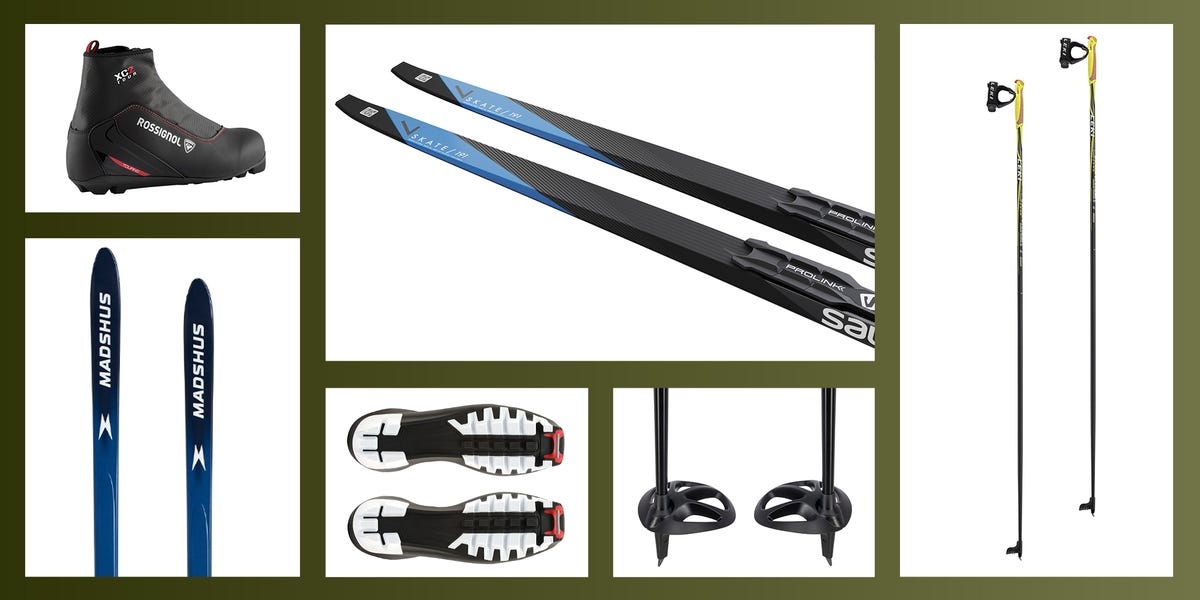
This guide breaks down the best cross-country ski gear categories for both styles, from skis and boots to bindings, poles, clothing, and wax. It also explains where to spend more, where you can save money, and how to avoid buying gear that feels amazing in the store but weirdly unhelpful on snow. Think of it as your trailhead cheat sheet, minus the frostbite.
Classic vs. Skate Skiing: Why the Gear Is Different
Before you buy anything, decide how you actually want to ski. If you love the idea of peaceful gliding, set tracks, rolling terrain, and a slightly gentler learning curve, classic skiing is usually the better starting point. If you want speed, fitness, wide groomed lanes, and a workout that politely suggests your lungs file a complaint, skate skiing may be your style.
The best cross-country ski gear for classic skiing is designed around grip and glide. A classic ski needs to grip the snow during the kick phase, then glide once your weight shifts forward. That is why classic skis use a grip zone, fishscale pattern, skin insert, or kick wax. Skate skis do not need that. They rely on edging, powerful lateral pushes, and full-length glide, so they are typically shorter, stiffer, and cleaner underneath.
That difference continues through the whole setup. Classic boots flex more naturally through the forefoot. Skate boots add more ankle support and torsional stiffness. Classic poles are shorter. Skate poles are longer so you can generate more power. In other words, the gear is not trying to be fancy. It is trying to help you move efficiently instead of making you feel like a confused moose on laminate flooring.
The Best Skis for Classic Skiing
1. Skin skis are the sweet spot for most people
If you want the best all-around classic setup for fitness skiing, recreation, and low-drama winter mornings, skin skis are hard to beat. These skis use a strip of climbing skin in the kick zone, which gives you grip without the daily ritual of applying kick wax. They are popular for a reason: they offer a practical balance of grip, glide, convenience, and sanity.
For many skiers, especially beginners and intermediates, skin skis are the best cross-country ski gear choice because they reduce guesswork. You still need to care for them and use glide wax on the tips and tails, but they are dramatically easier than traditional waxable skis when conditions are mixed or when you just want to get out the door before your coffee fully wears off.
2. Waxable classic skis are best for performance-minded skiers
Waxable classic skis can deliver exceptional glide and a beautifully tuned feel when the grip wax matches the snow conditions. They are often favored by racers and skilled skiers who do not mind more maintenance. If you love tinkering, tracking temperature bands, and talking about snow crystals before breakfast, this may be your lane.
But let’s be honest: for everyday skiers, waxable classic skis can also become a hobby inside the hobby. If that sounds charming, go for it. If not, skin skis are probably the smarter buy.
3. Fit matters more than hype
With classic skis, proper flex and sizing matter more than flashy marketing. A ski that is too soft can drag and feel sluggish. One that is too stiff may refuse to grip unless you stomp like you are trying to wake a sleeping bear. The best approach is to choose a ski matched to your height, weight, and skiing goals. If you ski groomed tracks, a narrower classic ski designed for track use will feel much better than a wider touring ski built for wandering beyond the set trail.
The Best Skis for Skate Skiing
1. Choose groomed-trail-specific skate skis
The best cross-country ski gear for skate skiing starts with true skate skis, not “kind of close” skis, not hand-me-down classics, and definitely not whatever was leaning sadly in the basement. Skate skis are made for groomed surfaces and skating lanes. They are narrower, shorter than classic skis, and stiffer underfoot so you can push off the edges and glide cleanly.
If your goal is fitness laps, technique improvement, and predictable performance, a recreational or performance skate ski is usually the sweet spot. Race skis are thrilling, but they can also be less forgiving if your technique is still developing. A slightly more stable, approachable skate ski often helps real-world skiers progress faster than a hyper-nervous speed machine.
2. Stability beats ego for most buyers
Many people buy skate gear imagining they will instantly look smooth and fast. Then the first downhill corner happens. The best skate skis for most non-racers are the ones that feel planted, predictable, and confidence-building. A stable ski lets you commit your weight, hold an edge, and improve technique. A twitchy ski mostly teaches you new vocabulary.
3. Match the ski to your priorities
If you ski a few times a month, focus on comfort and control. If you train regularly, you may appreciate lighter materials, better glide, and more responsive handling. If you race, then by all means chase the high-end construction, finer flex matching, and lighter swing weight. Just know that “best” depends on what happens under your feet, not how fast the catalog sounds.
Boots and Bindings: The Real Make-or-Break Pairing
Classic boots
Classic boots should feel snug, supportive, and comfortable without crushing your toes. They need enough forefoot flex to let you stride naturally, which is why they feel more flexible and less cuff-heavy than skate boots. A good classic boot feels a bit like a winterized running shoe with purpose.
Skate boots
Skate boots are stiffer and more supportive, especially around the ankle. That extra structure helps control the ski during lateral pushes and keeps energy from disappearing into floppy footwear. Skate boots should still be comfortable, but they usually fit a little snugger than classic boots because control matters more.
Combi boots
Combi boots are the compromise option for skiers who want to try both techniques without buying two pairs of boots right away. They can work, especially for new skiers and budget-conscious buyers, but they rarely feel perfect for either discipline. They are like a restaurant menu that serves sushi, burgers, pasta, and waffles. Convenient? Yes. Specialized? Not exactly.
Binding compatibility matters
One of the least glamorous but most important parts of buying Nordic gear is making sure your boots and bindings are compatible. Modern systems often overlap in geometry, but not every old setup plays nicely with every newer boot. If you are buying used gear, double-check the boot sole, binding platform, and system compatibility before handing over your money and your winter optimism.
Poles: Small Detail, Big Difference
Poles are not an afterthought in cross-country skiing. In skate skiing especially, they are a major source of propulsion. The right length helps posture, balance, and power transfer. The wrong length makes even good technique look suspicious.
For classic skiing, poles are shorter. For skate skiing, they are longer. Many skiers eventually own both because the ideal lengths are not the same and the difference is noticeable. If you only buy one pair at first, match it to the technique you expect to do most often.
Material also matters. Aluminum poles are affordable and durable, making them a good beginner choice. Carbon or composite poles are lighter, stiffer, and more efficient, which is great for frequent skiers and anyone who appreciates gear that feels lively instead of clunky. Better straps and grips also improve control more than many beginners expect.
Clothing and Accessories That Actually Work
Cross-country skiing is a high-output sport, not a slow chairlift day. That means the best clothing for Nordic skiing is usually lighter, more breathable, and less bulky than alpine ski clothing. If you dress like you are heading to a resort parking lot in January, there is a strong chance you will overheat by minute nine.
What to wear
- A moisture-wicking base layer
- A breathable midlayer for colder days
- A wind-resistant jacket or vest
- Stretchy, weather-resistant pants or Nordic tights
- Thin but warm gloves that breathe well
- A hat or headband that covers the ears without turning your head into a sauna
- Wool or synthetic socks that do not bunch up inside the boot
For classic and skate skiing alike, the best cross-country ski gear includes accessories that keep you comfortable without adding bulk. A small waist pack, hydration belt, or slim backpack can be useful on longer outings. Clear or low-light glasses help when wind, glare, or snowflakes start doing rude things to your eyeballs. And yes, lip balm deserves respect here.
Wax, Skin Care, and Basic Maintenance
You do not need a World Cup wax truck to enjoy Nordic skiing, but you do need a little maintenance. Even skin skis need glide wax on the glide zones. Skate skis need glide wax across the base. Waxable classic skis need kick wax or klister in the grip zone, plus glide wax where you want the ski to run freely.
If you are a beginner, the easiest maintenance setup is simple: liquid glide wax, a base cleaner if needed, a brush or cloth, and regular skin cleaning products if you ski on skin skis. If you want better performance, you can graduate to iron-in wax, scrapers, and more advanced tuning. But start with the basics. Skiing more often on decent gear beats fussing endlessly over perfect prep you never get around to using.
Best Gear Setups by Skier Type
Best setup for beginner classic skiers
Choose skin classic skis, comfortable classic boots, matching bindings, aluminum or entry-level composite poles, and breathable layers. This setup is approachable, forgiving, and low-maintenance. It gives you a better chance of enjoying the sport right away, which is honestly the highest form of performance.
Best setup for beginner skate skiers
Look for stable recreational skate skis, supportive skate boots, compatible performance bindings, and poles sized specifically for skating. Prioritize control over race-day bragging rights. You can always upgrade later once your balance, timing, and confidence catch up.
Best setup for skiers who want both styles
If budget matters and you are still deciding which technique you love more, start with classic skiing or a combi boot approach. Classic is typically easier to access and more forgiving. If you eventually fall in love with skate skiing, add a dedicated skate setup later rather than forcing one compromise package to solve every problem.
Best upgrades once you are hooked
Upgrade your boots before chasing ultra-premium skis. Better-fitting boots improve control, comfort, and technique immediately. After that, lighter poles, better glide prep, and more precise ski selection usually deliver more noticeable gains than random accessory shopping. Nobody ever got dramatically faster because their neck gaiter had “race vibes.”
Mistakes to Avoid When Buying Cross-Country Ski Gear
- Buying gear for the wrong terrain, such as wide touring skis for groomed track skiing
- Using one pair of poles for both techniques and pretending it feels fine
- Choosing boots that are too loose in the name of warmth
- Ignoring binding compatibility, especially with older or used gear
- Overdressing and turning your ski into a portable steam room
- Buying the raciest ski on the wall when your real need is stability and confidence
Final Thoughts
The best cross-country ski gear for skate and classic skiing is not the most expensive setup, the lightest catalog build, or the one that makes you sound like a Nordic philosopher at brunch. It is the gear that matches your technique, terrain, skill level, and ambition. For most classic skiers, that means skin skis, comfortable boots, and simple maintenance. For most skate skiers, it means stable groomed-track skate skis, supportive boots, and poles that are actually the right length.
Buy the setup that helps you ski more often, learn faster, and enjoy winter more. Because the real victory in Nordic skiing is not owning elite gear. It is discovering that a cold morning, good glide, and a trail disappearing into quiet woods can make you feel absurdly rich.
Experience on the Trail: What the Right Gear Feels Like in Real Life
The most useful way to judge cross-country ski gear is not in a product photo or a spec chart. It is in the first ten minutes on snow, when your body immediately tells you whether your setup is helping or sabotaging the day. The right classic gear feels calm. You step into the tracks, shuffle forward, find a rhythm, and the skis start working with you instead of negotiating every movement like tiny snow lawyers. A good skin ski grips on a small climb without that annoying backward slip, then releases into a quiet glide on the flats. Suddenly, skiing feels less like a test and more like a conversation.
With the wrong classic setup, you notice the opposite. Maybe the skis drag because the flex is off. Maybe the boots are roomy enough for your heel to wobble around like it has personal freedom goals. Maybe your poles are too long and your shoulders creep up toward your ears. None of these problems sound dramatic on paper, but together they can make a beginner think, “Maybe I’m just bad at this.” Often, that is not true. Often, the gear simply is not matched well.
Skate skiing makes this even more obvious. The right skate gear feels supportive and surprisingly smooth once you settle into the motion. A stable ski gives you the confidence to stand fully on one foot for that brief glide phase, which is where the magic happens. The boot holds your ankle securely. The poles plant cleanly. You stop trying to survive each stride and start linking them together. That is when skate skiing stops feeling chaotic and starts feeling addictive.
Bad skate gear, on the other hand, can feel like trying to dance on cafeteria trays. If the ski is too twitchy, every push feels nervous. If the boots are sloppy, power vanishes. If the poles are short, you feel underpowered. If they are too long, your technique gets awkward fast. The result is not just slower skiing. It is tiring, frustrating skiing.
Clothing changes the experience too. The best Nordic layers let you start slightly cool and warm up gradually. When your gloves breathe, your hands stay comfortable instead of sweaty and then suddenly cold. When your jacket blocks enough wind without trapping too much heat, you forget about your clothing altogether, which is exactly the point. Great ski clothing disappears. Bad clothing becomes a side quest.
Over time, the best gear becomes the setup you trust. It is the pair of boots you never think about because they always feel right. It is the skis you reach for when the trails are fresh and you know you will have fun. It is the wax kit simple enough that you actually use it. In real life, the best cross-country ski gear is not just high performing. It is repeatable, dependable, and oddly motivating. It makes you want one more lap, one more climb, one more snowy morning before winter lets go.