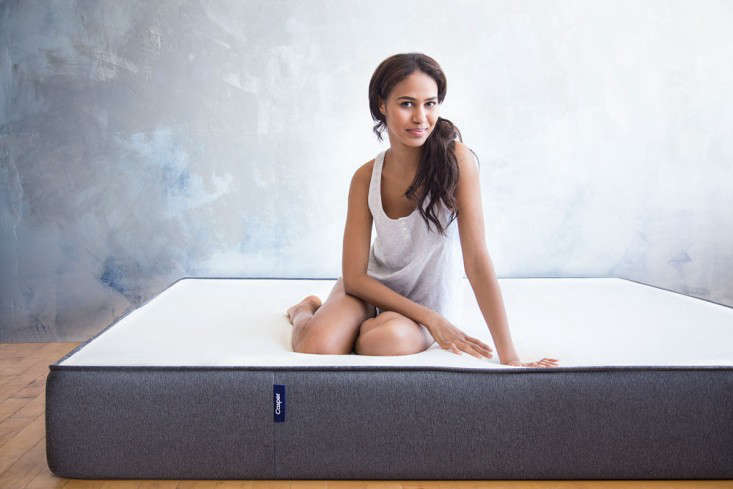

If mattresses had a high school yearbook, Casper would absolutely be voted “Most Likely to Change the Industry While Wearing Minimalist Pajamas.” For years, the brand has been one of the names people mention first when they talk about a bed-in-a-box, and that matters because recognition in the mattress world is not exactly handed out like Halloween candy. The Casper mattress became popular by promising something shoppers desperately wanted: a bed that felt modern, showed up at your door without drama, and did not require a showroom salesman to say the word “lumbar” seventeen times before lunch.
Today, “The Casper Mattress” is really shorthand for an entire sleep philosophy. The company now offers more than one feel, more than one construction, and more than one price point, but the central idea has stayed the same: balanced comfort, easy buying, and thoughtful features aimed at real sleep problems like overheating, motion transfer, and waking up with your spine feeling like it filed a formal complaint overnight. That balance is why Casper still shows up in mattress conversations, even as the online sleep market has become crowded enough to feel like a pillow fort arms race.
What Makes the Casper Mattress Stand Out?
The biggest strength of the Casper mattress is that it usually tries to meet sleepers in the middle. Instead of going full marshmallow or full plywood, Casper tends to build beds that land in the comfortable middle ground: cushioned enough to relieve pressure, but supportive enough to stop you from sinking into a foam crater and questioning your life choices. That signature feel has made the brand especially appealing to back sleepers, combination sleepers, and couples who need a mattress that can do several jobs at once.
One of Casper’s most recognizable design ideas is zoned support. In plain English, that means the mattress is built to feel softer under areas like the shoulders and firmer under heavier zones like the hips and lower back. The goal is better spinal alignment without making the whole bed feel stiff. It is one of those rare mattress features that sounds like marketing jargon until you actually lie down and think, “Oh, wait, this is kind of smart.”
Casper also leans heavily into breathability. Across its lineup, the brand emphasizes airflow, open-cell foams, and cooling-focused materials. In premium models, especially the Snow line, cooling becomes a headline feature rather than a side note. That makes Casper attractive to shoppers who like the contouring feel of foam but are worried about sleeping hot. In other words, it is trying to solve the classic memory-foam dilemma: “I love the pressure relief, but I do not want to wake up like a microwaved burrito.”
How the Casper Mattress Feels
Most Casper mattresses aim for a medium to medium-firm feel, though the exact experience varies by model. The all-foam options generally deliver more contouring and stronger motion isolation, while the hybrid models add bounce, easier movement, and better airflow thanks to coil support. If you have ever rolled across a mattress and felt like you were escaping quicksand, the hybrids will likely feel more natural.
The all-foam Casper experience tends to be best for people who want pressure relief and a quieter, less springy sleep surface. These models often do a solid job of reducing partner disturbance, which is a polite way of saying they help you remain unconscious while the person next to you practices Olympic-level tossing and turning. If motion isolation is high on your wish list, Casper’s foam models deserve attention.
The hybrid versions usually feel more lifted and responsive. They are often the better fit for sleepers who change positions often, prefer a bit of bounce, or want improved edge stability compared with a traditional foam bed. They also tend to appeal to hot sleepers because coils allow more air movement through the core of the mattress.
Who the Casper Mattress Is Best For
Back Sleepers
Back sleepers are often the sweet spot for Casper. The brand’s balanced support profile and zoned construction can help keep the hips from dipping too far while still giving the shoulders and upper back enough cushion. For many shoppers, this translates to a mattress that feels supportive without feeling punishing.
Combination Sleepers
If you rotate through three positions a night like a rotisserie chicken with deadlines, Casper can make a lot of sense. The more responsive models, especially hybrids, are usually easier to move around on than older-school, deeply hugging foam mattresses. That ease of movement matters more than people think. A mattress can be technically comfortable and still be annoying if every turn feels like a minor upper-body workout.
Couples
Casper often works well for couples because the brand tends to prioritize motion control and mainstream firmness. A mattress that absorbs movement well and feels “pretty good” to both people is often more valuable than one that feels “perfect” to one sleeper and terrible to the other. Casper’s middle-lane design works in its favor here.
Hot Sleepers
Hot sleepers should not assume every Casper model performs the same. The brand’s cooling-focused options are where Casper becomes especially interesting. If temperature regulation is your top concern, the more premium cooling models are a better place to start than the entry-level foam options. That is an important distinction because “Casper mattress” is not one single feel anymore; it is a family of beds, and some run cooler than others by design.
Who Might Not Love It
Strict side sleepers, especially those with sharper pressure-point sensitivity around the shoulders and hips, may find some Casper models a little firmer than expected. That does not mean Casper is a bad choice for side sleeping across the board, but it does mean shoppers who want a plush, deep cradle should pay close attention to the specific model rather than the logo on the box.
Edge support can also be a mixed bag. Some Casper mattresses perform better here than others, but shoppers who routinely sit on the side of the bed to get dressed or who sleep right against the perimeter may notice more sink than they would on some firmer competitors. It is not usually a dealbreaker, but it is worth knowing before you buy, especially if you are sharing a queen size and guarding your sleep territory like it is beachfront property.
Then there is price. Casper is not the cheapest brand in the online mattress category, and once you move into the more advanced cooling and support models, the price climbs fast. You are paying for design, branding, features, and a polished shopping experience. Whether that feels worth it depends on how much you value refinement over bargain hunting.
Construction, Materials, and Practical Details
Casper’s mattresses generally use foam, coils, or a combination of both. The brand highlights breathable foams, ergonomic zoning, and cooling layers across different models, while newer premium beds add more specialized temperature-control materials. In practical terms, that means shoppers can choose between a quieter all-foam feel and a more buoyant hybrid feel without leaving the Casper ecosystem.
Buying a Casper mattress is also designed to be refreshingly low-drama. The company offers a 100-night trial, free returns after the initial adjustment period, and a 10-year limited warranty. Delivery is free for mattresses, and because Casper uses the bed-in-a-box format, setup is typically much simpler than hauling a traditional mattress up a staircase while pretending not to hate everyone involved.
Expansion is fairly straightforward too. Most foam and hybrid models can be slept on almost immediately, though they may take up to about two days to fully expand. Snow models may take longer. That does not mean your mattress turns into a pumpkin if you nap on it early; it just means patience helps the materials settle into their final form.
Casper also notes that current core models are fiberglass-free, which is something many shoppers now actively look for. The brand recommends placing its mattresses on a firm, solid surface, with flat wooden slats spaced close enough together to provide proper support. It is not the glamorous part of mattress buying, but a good bed on a bad base is still a bad setup.
Is the Casper Mattress Worth It?
For many shoppers, yes. The Casper mattress is worth considering because it rarely feels random. The company has spent years refining a product style that prioritizes mainstream comfort, easy shopping, and better-than-basic design. The result is a mattress lineup that feels curated rather than chaotic.
If you want the absolute cheapest mattress on the internet, Casper is probably not your final stop. If you want a wildly plush, sink-in cloud that hugs you like an overly emotional aunt, Casper may not always be your perfect match either. But if you want a mattress that feels thoughtfully engineered, easy to buy, and broadly compatible with how people actually sleep, Casper makes a strong case for itself.
That is really the secret sauce here. The Casper mattress is not trying to be weird. It is trying to be reliably good. In the mattress world, that is more impressive than it sounds.
Extended Experience: What Living With a Casper Mattress Actually Feels Like
Here is where the Casper mattress gets more interesting: not in the product page language, but in the day-to-day experience of sleeping on it. Based on the patterns that show up again and again in expert testing and real-world feedback, the first impression is usually that Casper feels balanced. Not dramatically soft. Not aggressively firm. Just balanced. You lie down and think, “Okay, this makes sense.” That may not sound romantic, but when it comes to sleep, sensible is underrated.
The first few nights can be a small adjustment, especially if you are switching from an old innerspring mattress that sagged in the middle like a hammock with regrets. A new Casper often feels more even and more supportive right away. For some people, that translates to relief. For others, especially side sleepers coming from a plush bed, it may feel firmer at first than expected. This adjustment period is normal, and it is one reason the in-home trial matters so much. Mattresses are weird like that: the first nap is a first date, not a full biography.
Within the first week or two, many sleepers start noticing the practical benefits more than the flashy ones. Movement is easier on hybrid models. Motion transfer is often lower than expected on foam models. The bed does not squeak, wobble, or create that old-school spring orchestra every time someone turns over. If you sleep with a partner, that quieter performance can feel surprisingly luxurious. The less glamorous truth about adult life is that uninterrupted sleep can feel more exciting than a weekend getaway.
Temperature is another area where the Casper experience depends on the model you choose. Entry-level and standard models may feel reasonably breathable, but the premium cooling versions are where people tend to notice a bigger difference. Hot sleepers often describe those beds as less stuffy and less heat-trapping over the course of the night. Not “sleeping on an iceberg,” because let us be honest, mattress marketing loves drama, but more like sleeping without the slow roast effect that can happen with dense foam.
Longer term, many users seem to appreciate Casper for how un-fussy it feels. The mattress usually plays nicely with a wide range of sleep positions, sheet types, and bedroom setups. It does not demand a complicated ritual. You unbox it, let it expand, and go live your life. That ease matters. Shopping for a mattress is already an absurdly overcomplicated category, and Casper’s biggest practical win may be that it makes the whole process feel manageable.
There are still trade-offs, of course. Some sleepers want stronger edge support. Some want more plushness. Some want lower prices. And that is fair. Casper is not the universal answer to every body type, every budget, and every sleep preference. But the experience many people report is that it gets a lot of the fundamentals right: comfort, support, motion control, and a buying process that does not feel like negotiating for a used car.
That is why Casper remains relevant. Living with a Casper mattress often feels less like buying a trendy internet product and more like making a solid upgrade to everyday life. It is not magic. It is just a well-executed mattress. And honestly, when the reward is waking up less achy, less sweaty, and less annoyed at your partner’s midnight acrobatics, that is a pretty great kind of boring.