
Finding the perfect small space vacuum sounds simpleuntil you are standing in a 520-square-foot apartment, holding a cereal bowl in one hand, watching crumbs migrate under the sofa like tiny fugitives. Small homes, studios, dorm rooms, condos, RVs, and compact city apartments do not need oversized cleaning machines that require their own parking permit. They need a vacuum that is lightweight, powerful, easy to store, quick to grab, and polite enough not to sound like a leaf blower trapped in a closet.
The best vacuum for small spaces is not always the most expensive one. It is the one that fits your floor type, storage reality, cleaning habits, pet situation, allergy concerns, and tolerance for emptying a dustbin. A great compact vacuum should make cleaning feel like a two-minute reset, not a dramatic weekend event involving extension cords, furniture relocation, and emotional bargaining.
This guide breaks down what makes a small space vacuum truly useful, which features matter, which ones are mostly marketing confetti, and how to choose between cordless stick vacuums, handheld vacuums, compact canisters, robot vacuums, and lightweight uprights.
What Makes a Vacuum “Perfect” for a Small Space?
A small space vacuum has to solve a different problem than a full-size household vacuum. In a large home, you may prioritize maximum capacity, deep carpet cleaning, and long run time. In a studio apartment or small condo, the winning formula is more like this: strong suction, slim storage, quick setup, low noise, easy maintenance, and enough versatility to clean floors, rugs, corners, upholstery, baseboards, and the mysterious dusty strip behind the nightstand.
The perfect small space vacuum should be easy enough to use daily. That sounds obvious, but it matters. If your vacuum is buried behind winter coats, a mop bucket, three tote bags, and your “I’ll organize this later” pile, you will not use it often. The right machine should live comfortably in your real homenot in the fantasy version where every closet looks like a home magazine cover and nobody owns spare batteries, cat toys, or oddly shaped chargers.
Best Types of Vacuums for Small Homes
1. Cordless Stick Vacuums: The Small Space Favorite
For most apartments and small homes, a cordless stick vacuum is the easiest recommendation. It is slim, light, fast, and usually converts into a handheld vacuum for furniture, stairs, shelves, and car interiors. A wall mount or compact charging dock can turn a tiny corner into a cleaning station without stealing precious floor space.
Modern cordless stick vacuums have improved a lot. Many now offer better suction, smarter power adjustment, LED or laser-style dust lights, anti-tangle brush rolls, HEPA or sealed filtration options, and batteries that can handle a typical small apartment in one cleaning session. That makes them ideal for quick messes: coffee grounds near the counter, pet hair on the rug, dust bunnies under the bed, and snack crumbs from someone who swore they “weren’t eating on the couch.”
The main trade-offs are dustbin size and battery life. Compact dustbins fill faster, especially if you have pets. Battery life can also drop sharply when using max power. For a small space, that is usually manageable, but if your apartment has thick carpet or multiple shedding pets, choose a model with stronger suction, a removable battery, or a larger bin.
2. Handheld Vacuums: Tiny but Mighty for Quick Cleanups
A handheld vacuum is not always enough as your only vacuum, but it can be a brilliant second tool. It is perfect for crumbs, window tracks, sofa cushions, pet beds, desk areas, car seats, and those weird little corners where dust gathers like it pays rent.
Handheld vacuums are especially useful in dorm rooms, shared apartments, nurseries, small kitchens, and homes with pets or kids. Look for a model with a motorized brush attachment if you need to clean pet hair from upholstery. For everyday crumb emergencies, a basic handheld with a crevice tool may be enough.
The weakness is floor cleaning. You probably do not want to crawl across your apartment vacuuming the entire floor with a handheld unless you are training for a very strange fitness competition. If your space has hard floors only and you mainly need spot cleaning, a handheld can work. For full-room cleaning, pair it with a stick, canister, or robot vacuum.
3. Compact Canister Vacuums: Great for Hard Floors and Allergies
Compact canister vacuums are underrated in small spaces. They are not as trendy as cordless sticks, but they can offer excellent suction, strong filtration, quieter operation, and better durability. A canister vacuum with a hose and wand can clean under furniture, along baseboards, around chair legs, and up high on shelves or curtains.
Bagged canisters are especially appealing for allergy-sensitive households because dust stays contained when you dispose of the bag. If you hate the dust cloud that sometimes appears when emptying a bagless bin, a bagged compact canister may feel like a civilized little miracle.
The downside is storage. Even compact canisters need a place for the body, hose, wand, and attachments. In a small apartment, that can feel like adopting a robotic turtle with accessories. Still, if you have mostly hard floors, area rugs, or allergy concerns, a compact canister deserves serious consideration.
4. Robot Vacuums: Helpful, but Not Always a Complete Solution
A robot vacuum can be fantastic in a small apartment because it cleans while you do something more enjoyable, such as making coffee or pretending to fold laundry. For hard floors and low-pile rugs, a robot vacuum can reduce daily dust, pet hair, and crumbs. It is especially useful if you like clean floors but do not enjoy the repetitive act of vacuuming.
However, robot vacuums are not magic pancakes. They need clear paths, regular maintenance, and enough floor layout consistency to navigate well. Small apartments can be tricky because there may be chair legs, cords, rugs, pet bowls, shoes, and tight furniture spacing. A robot with good obstacle avoidance and smart mapping is worth considering, but even then, you may still need a handheld or stick vacuum for corners, upholstery, stairs, and above-floor cleaning.
If you are choosing a robot vacuum for a small space, look for a slim profile, reliable navigation, decent edge cleaning, washable filters, and a dock that does not dominate the room. A self-emptying dock is convenient, but it may be too bulky for a tiny studio unless you have a good place to hide it.
5. Lightweight Upright Vacuums: Best for Carpet-Heavy Apartments
If your small space has wall-to-wall carpet or thick rugs, a lightweight upright vacuum can outperform many cordless stick vacuums. Uprights usually offer stronger carpet agitation, larger dust capacity, and no battery anxiety. That matters when carpet holds onto hair, grit, and dust like it is saving them for winter.
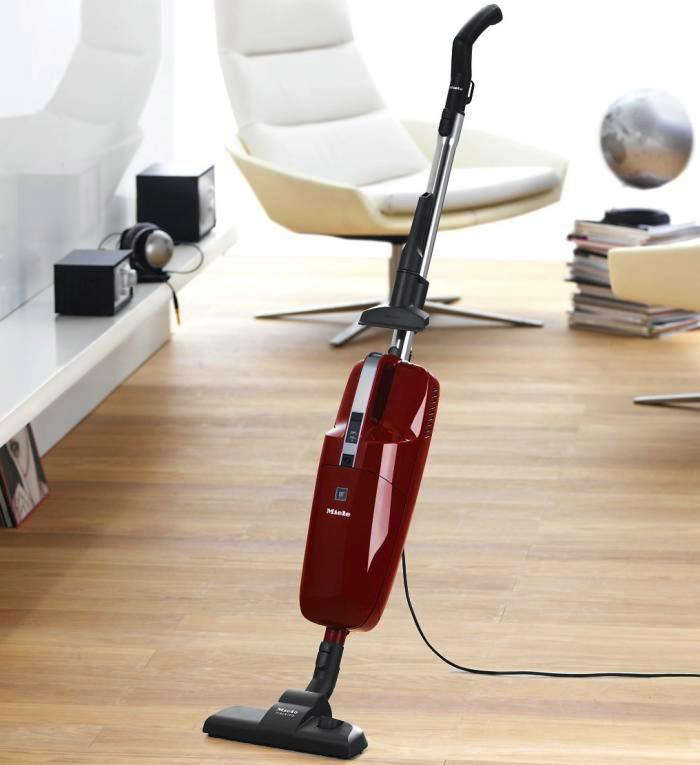
The downside is size. Even “compact” uprights can be awkward in small closets. If you choose one, look for swivel steering, a detachable hose, washable filters, and a brush roll that can be turned off for hard floors. For pet owners, a tangle-resistant brush roll or dedicated pet tool is a major bonus.
Key Features to Look for in the Perfect Small Space Vacuum
Strong Suction Without Excessive Bulk
In small homes, suction quality matters more than raw size. You want a vacuum that can pick up fine dust, crumbs, hair, and grit in one or two passes. Multiple passes are annoying in any home, but in a small apartment they feel especially ridiculous. The floor is right there. It should not require a summit meeting.
For mixed flooring, choose a vacuum with adjustable suction or automatic power adjustment. This helps the vacuum move from bare floors to rugs without either scattering debris or clamping onto carpet like a frightened octopus.
Compact Storage
Storage is the soul of small space cleaning. A great compact vacuum should fit in a closet, behind a door, under a bed, beside a refrigerator, or on a wall-mounted dock. Before buying, check the vacuum’s height, folded dimensions, dock size, and attachment storage. Attachments are useful only if you can find them. Otherwise, they become mysterious plastic fossils in a drawer.
Filtration and Dust Control
For allergy-sensitive homes, filtration should be a priority. HEPA filters are designed to capture very small particles, including dust, pollen, and other airborne irritants. A sealed system is also important because it helps keep dust from leaking back into the room. A vacuum with a good filter but a leaky body is like wearing rain boots with holes in themtechnically themed correctly, but not very helpful.
Bagged vacuums can be cleaner to empty because dust stays contained. Bagless vacuums save you from buying bags, but the bin should be easy to empty without touching debris. If you live in a small apartment and must empty the bin into a kitchen trash can, dust control becomes more than a nice feature. It becomes a peace treaty with your sinuses.
Battery Life That Matches Your Space
For many small apartments, 20 to 40 minutes of practical runtime is enough. The word “practical” is doing important work here. Some cordless vacuums advertise long run times on eco mode, but max mode may last much less time. If you have mostly hard floors, eco or medium mode may be fine. If you have carpet, pet hair, or heavy debris, you may use higher power more often.
A removable battery is useful if you want the option to replace it later. A visible battery indicator is also helpful, because nobody enjoys a vacuum that stops mid-clean with the emotional timing of a cliffhanger.
Noise Level
Small spaces make noise feel bigger. A loud vacuum in a studio apartment can sound like an airport runway in a shoebox. If you have neighbors, roommates, pets, babies, or thin walls, look for reviews that mention noise. Cordless sticks and canisters can be quieter than some uprights, but it varies by model and power setting.
Attachments That Actually Help
Do not be dazzled by a box full of accessories unless you will use them. For small space cleaning, the most useful attachments are a crevice tool, dusting brush, motorized mini brush, upholstery tool, and flexible extension hose. A crevice tool handles baseboards and corners. A motorized mini brush is excellent for pet hair on sofas. A dusting brush can clean shelves, vents, lampshades, and keyboardsgently, please. Your laptop does not want to be vacuumed like a welcome mat.
How to Match a Vacuum to Your Small Space
For Studio Apartments
A cordless stick vacuum is usually the best fit for a studio apartment. It stores vertically, cleans quickly, and converts to handheld mode. Choose a model with a wall dock if you can install one, or a freestanding dock if you rent and want to avoid drilling holes. If you have very limited space, consider a model that folds or has onboard tool storage.
For Dorm Rooms
Dorm rooms need simple, durable, affordable cleaning tools. A compact handheld vacuum or budget cordless stick can handle crumbs, hair, dust, and small rugs. Avoid bulky machines unless your dorm has enough storage. Also consider noise, because vacuuming during someone else’s nap may make you the villain of the hallway.
For Pet Owners
Pet owners should prioritize strong suction, a tangle-resistant brush roll, a motorized upholstery tool, sealed filtration, and an easy-to-empty bin or bag. Pet hair is not just on the floor. It appears on sofas, curtains, beds, sweaters, and occasionally inside your coffee mug through forces science has not fully explained.
If your pet sheds heavily, a cordless stick can work well for daily maintenance, but a compact canister or powerful upright may be better for weekly deep cleaning. Robot vacuums can help keep fur under control, but they should not be your only tool if your pet treats shedding like a competitive sport.
For Allergy-Sensitive Homes
Look for HEPA filtration, sealed construction, and dust disposal that does not release clouds back into the room. Bagged compact canisters are excellent for this, though some premium cordless sticks and uprights also offer strong filtration. Wash or replace filters according to the manufacturer’s schedule. A neglected filter turns your vacuum into a noisy dust maraca.
For Mostly Hard Floors
Hard floors need a vacuum that picks up fine dust without scattering crumbs. A soft roller head is excellent for hardwood, tile, vinyl, and laminate. If the vacuum has a spinning brush roll, make sure it will not scratch delicate flooring. Compact canisters and cordless sticks both work well here.
For Rugs and Carpet
Carpets need brush agitation and strong airflow. If you have thick rugs or wall-to-wall carpet, do not choose a weak stick vacuum just because it looks pretty in product photos. Look for a motorized floor head, adjustable suction, and proven carpet performance. A lightweight upright may be the better choice if your apartment is carpet-heavy.
Common Mistakes When Buying a Small Space Vacuum
Buying the Smallest Vacuum Instead of the Most Useful One
The smallest vacuum is not always the best small space vacuum. A tiny machine with weak suction will simply make you angry in a more compact way. Choose a vacuum that balances storage size with cleaning ability.
Ignoring the Dustbin
A tiny dustbin may be fine for a tidy studio with hard floors. It may be miserable in a pet-friendly apartment with rugs. If you hate emptying bins, consider a larger bin, a bagged canister, or a self-emptying robot if you have room for the dock.
Forgetting About Maintenance
Every vacuum needs maintenance. Filters need washing or replacing. Brush rolls need hair removal. Dustbins need cleaning. Sensors on robot vacuums need wiping. If you ignore maintenance, performance drops, odors appear, and your vacuum starts sounding personally offended.
Overpaying for Features You Will Not Use
Laser dust lights, app controls, auto-empty docks, digital displays, and smart sensors can be useful. They can also be expensive extras. If your home is small and simple, you may not need a spaceship vacuum. You may need a reliable cordless stick with good suction and a crevice tool. There is dignity in practicality.
A Practical Small Space Vacuum Buying Checklist
Before buying, ask yourself these questions:
- Where will I store it?
- Do I have mostly hard floors, carpet, rugs, or a mix?
- Do I need pet hair tools?
- Do I care more about quick daily cleaning or deep weekly cleaning?
- Can I install a wall dock?
- How much noise can my household tolerate?
- Do I need HEPA or sealed filtration?
- Am I willing to maintain filters, brush rolls, and dustbins?
If you answer those honestly, you will avoid most buyer’s remorse. The best vacuum is not the one with the longest feature list. It is the one you will actually use.
The Best Overall Choice for Most Small Spaces
For most people, the perfect small space vacuum is a cordless stick vacuum that converts into a handheld. It offers the strongest combination of convenience, storage efficiency, versatility, and daily usefulness. It can clean floors, rugs, furniture, stairs, shelves, and tight corners without needing much setup. In a small home, that grab-and-go convenience is everything.
However, there are exceptions. Choose a compact canister if you want strong filtration, excellent hard-floor cleaning, and long-term durability. Choose a lightweight upright if you have lots of carpet. Choose a robot vacuum if you want automatic daily maintenance. Choose a handheld vacuum if your messes are mostly crumbs, pet hair on furniture, or car cleanup.
Real-Life Experiences: What It Is Actually Like Living With a Small Space Vacuum
Living with a vacuum in a small space teaches you one thing very quickly: convenience beats ambition. Everyone thinks they will do a full deep clean every Saturday morning while drinking lemon water and listening to a productivity podcast. In reality, the best cleaning habit is often a 90-second pass after dinner because rice hit the floor, the rug looks suspicious, and the entryway has collected enough grit to qualify as a beach.
A cordless stick vacuum shines in that kind of real life. You see a mess, grab the vacuum, clean it, empty the bin, and move on. No cord. No closet excavation. No dramatic sighing. In a small apartment, that immediacy changes everything. The vacuum becomes less like a chore machine and more like a reset button. A few quick passes can make the whole room feel fresher because, in a compact home, every visible surface affects the mood.
Storage is the detail people underestimate. A vacuum that looks sleek online may become annoying if the charger cord sprawls across the floor or the attachments have nowhere to go. In one-bedroom apartments, a wall-mounted stick vacuum near the kitchen or laundry area can be incredibly practical. In rentals where drilling is not ideal, a freestanding dock or closet hook setup works better. The goal is to make the vacuum accessible without turning it into home décor unless, of course, your design style is “modern appliance showroom.”
Pet owners learn another lesson: small space cleaning is less about weekly cleaning and more about staying ahead of the fur. A cat or dog can make a 600-square-foot apartment look fluffy by lunchtime. A compact vacuum with a motorized upholstery tool is a lifesaver for sofas, pet beds, and rugs. The difference between “I vacuumed yesterday” and “Why is there a second pet made of hair under the chair?” can be about 24 hours.
Noise also matters more than expected. In a small space, you are close to the vacuum at all times. So are your neighbors, your pets, and possibly the person on the other side of a thin apartment wall trying to enjoy a peaceful evening. A vacuum with lower power settings can help. You do not always need turbo mode. Sometimes eco mode is enough for dust and crumbs, while max mode can be saved for rugs, tracked-in grit, or the aftermath of opening a bag of chips with too much confidence.
Another experience-based tip: keep the vacuum’s most useful attachment attached or nearby. If the crevice tool is buried in a drawer, you will not use it. If the mini brush is clipped to the dock, you will suddenly become the type of person who vacuums sofa seams. This is how adulthood sneaks up on people.
Finally, do not ignore maintenance. Small vacuums work hard because they have smaller bins, filters, and brush heads. Empty the bin before it is packed full. Clean hair from the brush roll. Wash or replace filters on schedule. A compact vacuum can perform beautifully, but only if air can move through it. Suction is basically airflow with ambition.
The perfect small space vacuum is not about owning the fanciest cleaning gadget. It is about choosing a tool that fits your home so naturally that cleaning becomes less of a production. When the vacuum is light, reachable, powerful, and easy to maintain, you use it more often. Your floors look better. Your rugs feel cleaner. Your sofa stops storing snack evidence. And your small space starts feeling less crowded, less dusty, and a lot more livable.
Conclusion
The perfect small space vacuum is compact without being weak, powerful without being bulky, and convenient enough that you will actually use it. For most small homes, a cordless stick vacuum with handheld conversion is the best all-around choice. It gives you speed, flexibility, and storage-friendly design. But the right answer depends on your floors, pets, allergies, budget, and storage setup.
If your space is mostly hard flooring, consider a cordless stick with a soft roller or a compact canister. If you have carpet, prioritize brush roll performance. If you have pets, look for anti-tangle tools and strong filtration. If you hate daily cleaning, a robot vacuum can helpbut keep a manual vacuum around for corners and furniture.
In a small space, every square foot matters. Your vacuum should earn its place, clean efficiently, and disappear neatly when the job is done. That is the dream: less dust, less clutter, fewer crumbs, and no appliance that needs its own bedroom.