
Solar power used to sound like something reserved for desert labs, space stations, and that one neighbor who composts with military precision. Today, it is one of the most practical energy choices for American homeowners, renters, businesses, schools, farms, and communities. The technology is cleaner, more common, and far less mysterious than it once was. In simple terms, solar panels turn sunlight into electricity. In real life, solar power can lower electric bills, improve energy independence, reduce pollution, and make your roof feel like it finally got a job.
But before anyone starts picturing a house glowing like a sci-fi spaceship, it helps to understand what solar power can and cannot do. Solar is not magic. It does not work the same way in every state, on every roof, or under every utility policy. A sunny Arizona home, a shady New England cottage, and a Florida ranch house with a complicated roofline may all get very different results. The good news is that solar energy is easier to evaluate than ever, especially when you know the right questions to ask.
This guide breaks down the scoop on solar power: how it works, what it costs, when it makes sense, what to watch out for, and how real people can think about solar without getting buried under jargon. Spoiler: you do not need a physics degree, a giant calculator, or a personality built around kilowatt-hours. Though, admittedly, kilowatt-hours do become oddly interesting once they start saving you money.
What Is Solar Power?
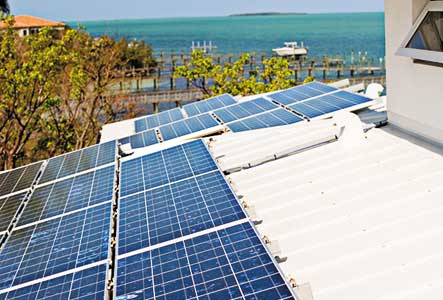
Solar power is energy from sunlight that is converted into usable electricity or heat. For most homes and businesses, the term usually refers to solar photovoltaic systems, often called solar PV. These are the familiar panels installed on rooftops, carports, fields, warehouses, and sometimes over parking lots where cars get shade and the grid gets electricity. Everybody wins, except maybe the pigeons who were hoping for premium rooftop real estate.
A solar PV system captures sunlight and turns it into direct current electricity. Because most homes use alternating current electricity, the system includes an inverter that converts the electricity into a form your lights, refrigerator, computer, air conditioner, and phone charger can use. If your system produces more electricity than your home needs at that moment, the extra power may flow back to the grid, depending on your utility rules and interconnection agreement.
How Solar Panels Work Without Making Your Brain Melt
Solar panels are made of many solar cells. These cells are usually built with semiconductor materials. When sunlight hits the cell, some of the light particles are absorbed, knocking electrons loose and creating an electric current. That current is collected, routed through wiring, and managed by the inverter. From there, the electricity can power your home, charge a battery, or move to the electric grid.
Think of each panel as a tiny, silent worker. It does not ask for coffee, does not call in sick, and does not make awkward small talk in the kitchen. It simply sits outside and converts sunlight into electricity for decades. Solar panels do not need heat to work; they need light. In fact, very hot conditions can reduce panel efficiency slightly, which is why cool, sunny days can be surprisingly productive.
The Main Parts of a Solar Energy System
A typical rooftop solar system includes solar panels, an inverter, mounting hardware, wiring, monitoring equipment, and a connection to your home’s electrical panel. Some systems also include battery storage. The panels collect sunlight, the inverter makes the electricity usable, and the monitoring system shows how much power your system generates. The mounting hardware keeps everything attached when weather gets dramatic, because no one wants their solar investment auditioning as a frisbee.
Why Solar Power Is Growing So Fast
Solar power has grown because the economics, technology, and public demand have all moved in the same direction. Solar equipment has improved, installation companies have become more experienced, and many homeowners are looking for ways to control rising utility bills. At the same time, businesses and utilities are adding large solar farms because solar can be built at scale and paired with battery storage to serve growing electricity demand.
Solar has also become a major part of the U.S. electricity mix. Utility-scale and small-scale solar generation have expanded quickly, and solar photovoltaic systems now appear on homes, schools, farms, warehouses, and public buildings across the country. The technology is no longer a fringe experiment. It is part of mainstream energy planning.
The Benefits of Solar Power
Lower Electric Bills
The most obvious reason people go solar is to reduce electricity bills. When your panels generate power, your home uses less electricity from the utility. Your savings depend on your electricity usage, local rates, system size, roof conditions, and whether your utility compensates you for excess power sent to the grid. Solar works especially well for households with high daytime electricity usage, high utility rates, or strong local solar incentives.
Cleaner Energy
Solar panels do not produce air pollution or greenhouse gas emissions while generating electricity. Manufacturing panels does require materials and energy, but modern solar systems typically operate for decades, producing clean electricity long after the energy used to manufacture them has been repaid. That makes solar a strong choice for people who want to reduce the environmental impact of their home energy use.
More Predictable Energy Costs
Utility rates can rise over time, and homeowners have little control over those increases. Solar can create more predictable long-term energy costs, especially when the system is purchased outright or financed with clear, fixed terms. It will not eliminate every charge on your utility bill, but it can reduce the most expensive part: the amount of electricity you buy from the grid.
Energy Independence and Backup Options
Solar panels alone usually shut down during a power outage for safety reasons unless the system includes special equipment. However, solar paired with battery storage can keep selected appliances running when the grid goes down. A battery may support essentials like a refrigerator, Wi-Fi router, lights, medical devices, or a few outlets. It probably will not run every appliance in the house forever, so expectations matter. Batteries are helpful, but they are not tiny suns hiding in your garage.
How Much Does Solar Power Cost?
Solar costs vary by state, roof type, installer, system size, equipment quality, and local permitting requirements. A national average can provide a starting point, but your actual quote may differ. In 2026, a typical residential solar installation can cost tens of thousands of dollars before incentives, with pricing often discussed on a dollars-per-watt basis. Larger systems may cost more overall but sometimes have a lower cost per watt.
It is important to look beyond the sticker price. A solar quote should explain system size, estimated annual production, equipment brands, warranty terms, financing charges, roof work, permit costs, and expected savings. A lower quote is not always better if it uses weaker equipment, poor design, or unrealistic savings assumptions. On the other hand, the most expensive quote is not automatically the “premium” choice. It may just have a very confident salesperson and a calculator with jazz hands.
Federal, State, and Local Incentives
Solar incentives can change, so homeowners should confirm current rules before signing a contract. The federal Residential Clean Energy Credit previously allowed eligible homeowners to claim a percentage of qualified clean energy expenses, but the IRS now states that the credit is not available for property placed in service after December 31, 2025. State, local, and utility incentives may still exist, and these can make a big difference in payback time.
Incentives may include rebates, property tax exemptions, sales tax exemptions, performance-based payments, or special financing programs. Because programs vary by location, the smartest move is to check your state energy office, utility website, and current tax guidance before counting any incentive as guaranteed.
Buying, Leasing, or Signing a Power Purchase Agreement
There are three common ways to go solar: buying the system, leasing it, or signing a power purchase agreement, also called a PPA. Each option has advantages and trade-offs.
If you buy a solar system with cash or a loan, you usually own the equipment and may receive the strongest long-term financial benefit. You are also responsible for understanding warranties, maintenance, insurance, and financing terms. If you lease a system, a solar company owns the panels and you pay a monthly amount to use the system. With a PPA, you usually agree to buy the electricity the system produces at a set rate.
Leases and PPAs can reduce upfront cost, but they may complicate selling your home because the buyer may need to assume the agreement. Some contracts include escalator clauses that raise payments over time. Before signing anything, read the full contract, ask what happens if you move, and avoid high-pressure sales tactics. A good solar deal can survive a night of sleep. A bad one may try to rush you before dinner.
What Makes a Good Solar Roof?
A strong solar roof usually has good sun exposure, limited shade, solid structural condition, and enough usable space for panels. South-facing roofs often perform well in the United States, but east- and west-facing roofs can also be useful depending on electricity rates and usage patterns. Roof angle, nearby trees, chimneys, dormers, vents, and neighboring buildings can all affect production.
Roof age matters. If your roof needs replacement soon, it may be smarter to handle roofing work before installing solar. Removing and reinstalling panels later can be expensive. A trustworthy installer should evaluate roof condition and explain whether repairs are recommended before installation.
Shade Is the Sneaky Solar Villain
Shade can reduce production, especially when it hits panels during peak sunlight hours. Modern systems can use microinverters or power optimizers to reduce the impact of partial shading, but no technology turns deep shade into bright sunshine. If a quote ignores a giant oak tree sitting between your roof and the sun, treat that as a red flag with leaves.
Solar Batteries: Useful, But Not Always Necessary
Battery storage is becoming more popular as homeowners look for backup power and better control over when they use solar electricity. A battery can store excess solar energy during the day and release it in the evening or during an outage. In areas with time-of-use rates, batteries may help reduce costs by shifting energy use away from expensive peak periods.
However, batteries add significant cost. They make the most sense for homes with frequent outages, high evening electricity rates, limited net metering value, or a strong desire for backup power. If your utility offers generous bill credits for exported solar energy and outages are rare, a battery may be less urgent. The right answer depends on your goals: maximum savings, backup power, energy independence, or a mix of all three.
Net Metering and Bill Credits
Net metering is a billing arrangement where solar owners receive credit for excess electricity sent to the grid. In the early days, the idea was simple: the meter could effectively run backward. Today, policies are often more complicated. Some utilities credit excess solar at the retail rate, while others use a lower avoided-cost rate or a different tariff structure.
This matters because net metering affects savings. A home that gets full retail credit for exported power may benefit from a different system design than a home where export credits are low. Before installing solar, ask your utility how bill credits work, whether system size is limited, how fixed charges apply, and whether rules are changing.
Community Solar: A Bright Option Without Rooftop Panels
Not everyone owns a sunny roof. Renters, condo owners, shaded homes, historic properties, and households with older roofs may not be good candidates for rooftop solar. Community solar can offer another path. In a community solar program, customers subscribe to a share of an off-site solar project and receive bill credits based on their share of the project’s generation.
Community solar can be especially helpful for people who want renewable energy benefits without installing panels on their own property. As with rooftop solar, the details matter. Subscribers should review contract length, cancellation rules, estimated savings, bill credit structure, and whether savings are guaranteed or projected.
Common Solar Myths That Need a Nap
Myth 1: Solar Only Works in Hot Places
Solar panels need sunlight, not extreme heat. States with cold winters can still produce plenty of solar electricity, especially during clear days. Snow can temporarily cover panels, but it often slides off tilted arrays. Many northern states have successful solar markets.
Myth 2: Solar Panels Require Constant Maintenance
Solar panels have no moving parts and usually require little maintenance. Rain helps clean dust and pollen in many areas. In dry, dusty, or wildfire-prone regions, occasional cleaning may help. Monitoring software can alert owners if production drops unexpectedly.
Myth 3: Solar Means Going Off-Grid
Most residential solar systems remain connected to the electric grid. This allows homes to use utility power when solar production is low and send excess energy back when production is high. Going fully off-grid requires more equipment, larger batteries, careful energy planning, and a willingness to become very emotionally invested in cloudy weather.
How to Compare Solar Quotes
A good solar quote should be clear, specific, and realistic. Compare at least three proposals when possible. Look at system size in kilowatts, estimated annual production in kilowatt-hours, total cost, cost per watt, financing terms, warranties, equipment brands, roof layout, and projected savings. Make sure each quote uses similar assumptions about utility rate increases, net metering, and energy usage.
Ask whether the installer uses in-house crews or subcontractors. Ask how long the company has operated in your state. Ask who handles permits, utility interconnection, inspections, and warranty service. Ask what happens if the system produces less electricity than estimated. Good companies answer directly. Weak companies bury the answer under a pile of glossy brochures and suspiciously cheerful stock photos.
Red Flags When Shopping for Solar
Solar can be a smart investment, but the marketplace has its share of aggressive sales tactics. Be careful with claims like “free solar,” “the government will pay for everything,” or “your utility bill will disappear completely.” Most homeowners will still pay some utility charges, and incentives depend on eligibility and current law.
Never sign a contract under pressure. Be cautious if a salesperson asks for cash, refuses to leave paperwork, promises savings without reviewing your utility bills, or says you must act today to qualify for a deal. Solar is a long-term decision. You deserve enough time to read, compare, and ask questions.
Is Solar Power Worth It?
Solar power is worth it when the long-term value outweighs the upfront or monthly cost. The strongest candidates usually have high electricity bills, good sun exposure, a roof in solid condition, favorable utility rules, and plans to stay in the home long enough to benefit from savings. Solar may be less attractive for heavily shaded homes, very low electric bills, short ownership timelines, or unfavorable financing terms.
The best way to evaluate solar is to calculate estimated payback and lifetime savings using your actual utility bills. Tools like solar production calculators can help estimate output based on location and system design. A reputable installer should also provide a detailed production estimate and explain assumptions clearly.
The Future of Solar Power
The future of solar power is not just panels on roofs. It includes community solar projects, solar farms, agrivoltaics that combine farming and solar generation, battery storage, smart inverters, electric vehicle charging, and more flexible grids. As electricity demand grows, solar and storage are likely to play a larger role in how communities produce and manage power.
Solar recycling and end-of-life management are also becoming more important. Most panels can operate for 25 to 30 years or longer, but the industry must plan for responsible recycling, reuse, and disposal. Glass, aluminum, and other materials can potentially be recovered, reducing waste and improving the sustainability of solar technology over time.
Real-World Experiences With Solar Power
One of the most useful ways to understand solar is to imagine the experience of a typical homeowner exploring it for the first time. Let’s call her Lisa. Lisa is not an energy expert. She is a normal person with a normal roof, a normal electric bill, and a slightly abnormal talent for losing the TV remote. Her summer utility bills have been climbing, especially when the air conditioner runs nonstop. She starts researching solar because she wants lower bills, but she also wants to avoid making a decision she will regret every time she looks at the roof.
Lisa begins by gathering twelve months of electric bills. This is not glamorous work, but it is extremely helpful. Solar sizing should be based on real electricity usage, not a salesperson’s enthusiastic guess. She notices that her household uses far more electricity in July and August than in spring. That tells her a solar system should be designed around annual usage, seasonal patterns, and future plans. If she expects to buy an electric vehicle or replace a gas appliance with an electric heat pump, she may want to discuss future energy needs with the installer.
Next, Lisa gets three quotes. The first company promises huge savings but barely looks at her roof. The second provides a detailed layout, equipment list, production estimate, and financing explanation. The third is cheaper but uses assumptions that seem overly optimistic. Lisa learns that the lowest monthly payment is not always the best deal because loan fees and interest can change the true cost. She asks each company how net metering works with her utility, what happens if she sells her house, and who handles warranty claims.
During the roof review, Lisa discovers that one section of her roof gets afternoon shade from a maple tree. This does not automatically ruin the project, but it changes the design. The installer suggests placing more panels on the sunnier roof planes and using equipment that helps manage partial shading. Lisa also learns that her roof may need replacement in seven years. After doing the math, she decides to replace the roof first rather than pay later to remove and reinstall panels. It is not the exciting part of going solar, but it prevents a very expensive future headache.
After installation, Lisa’s experience becomes less dramatic, which is exactly what she wants. The system produces power quietly. Her monitoring app shows strong output on clear days and lower production during storms. Her utility bill does not vanish, but it drops significantly. She still pays fixed charges and buys some electricity from the grid at night. In the first few months, she becomes the kind of person who casually says, “We produced 42 kilowatt-hours today,” at dinner. Her family pretends not to be impressed. Secretly, they are.
Lisa’s story highlights the practical side of solar power. The best results come from patience, comparison shopping, realistic expectations, and a willingness to read the contract. Solar is not a one-size-fits-all purchase. It is a home energy decision that depends on location, utility policy, roof condition, financing, and lifestyle. When those pieces line up, solar can feel less like a futuristic experiment and more like a sensible upgrade that happens to sit on the roof and quietly fight your electric bill.
Conclusion: The Real Scoop on Solar Power
The scoop on solar power is simple: it can be a powerful, practical, and environmentally friendly way to produce electricity, but it works best when homeowners understand the details before signing a contract. Solar panels convert sunlight into electricity, reduce grid electricity purchases, and can deliver long-term savings when the roof, utility rules, pricing, and financing all make sense.
For many Americans, solar is no longer a distant idea. It is a real home improvement option with real benefits and real fine print. The smartest solar shoppers review their energy bills, compare multiple quotes, understand incentives, ask about net metering, check roof condition, and avoid pressure tactics. Do that, and solar power becomes much less intimidating. It becomes what it should be: a cleaner energy choice with a bright future and a pleasantly quiet work ethic.