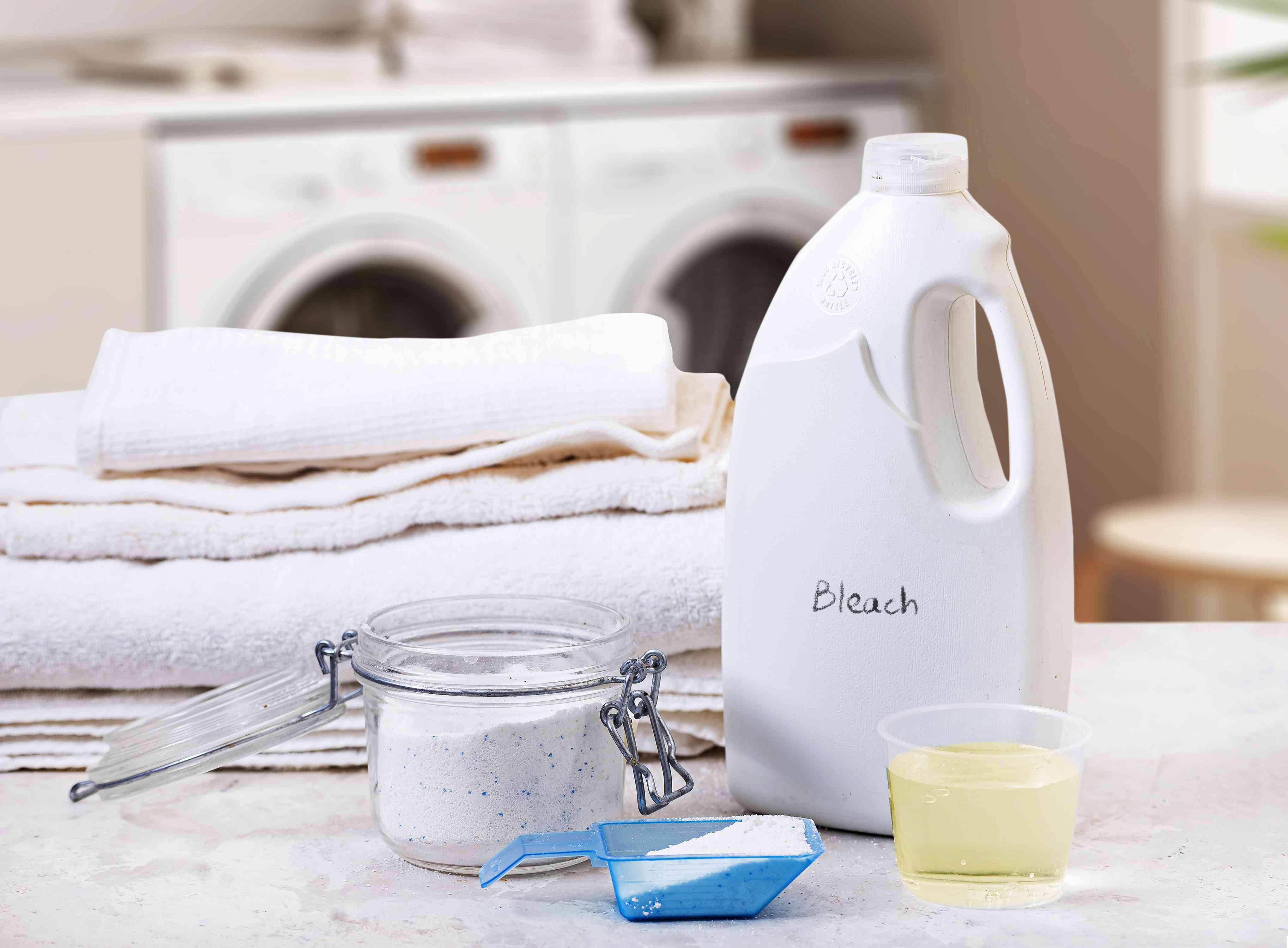

Bleach has a reputation problem. Some people treat it like a miracle worker in a bottle. Others act like it is one accidental splash away from turning the house into a low-budget disaster movie. The truth sits somewhere in the middle. Bleach can be incredibly useful, but only when you choose the right kind for the right job.
That is where most of the confusion begins. “Bleach” sounds like one product, but it is really a category. One type is fantastic for whitening white towels and disinfecting certain hard surfaces. Another is better for lifting stains from colored clothes without turning your favorite shirt into a sad pastel memory. And then there are bleach products that look like they should disinfect everything, but are actually designed more for laundry or controlled household use.
If you have ever stared at a bottle in the cleaning aisle wondering whether you are buying a germ killer, a stain remover, or liquid chaos, you are not alone. This guide breaks down the main types of bleach, where to use each one, where not to use it, and how to avoid the classic mistakes that make laundry rooms feel like chemistry pop quizzes.
What “Bleach” Actually Means
In everyday American English, bleach usually refers to a product that whitens, brightens, removes stains, or helps sanitize and disinfect. But not every bleach works the same way. The two big families are chlorine bleach and non-chlorine bleach, often called color-safe bleach or oxygen bleach.
Think of chlorine bleach as the strong, no-nonsense older sibling. It is more powerful, more dramatic, and more likely to complain if you use it carelessly. Non-chlorine bleach is the gentler sibling who still gets things done, just with fewer broken hearts and fewer ruined T-shirts.
Type 1: Chlorine Bleach
What It Is
Chlorine bleach is the classic household bleach most people picture first. Its active ingredient is usually sodium hypochlorite. This is the bleach you reach for when you want serious whitening, stain removal on bleach-safe whites, or disinfection on appropriate hard, nonporous surfaces when the label says it is suitable for that purpose.
Where to Use Chlorine Bleach
- White cotton towels and washcloths: Great for keeping them bright and cutting through dinginess.
- White bed sheets and pillowcases: Useful when the care label allows chlorine bleach.
- White socks, undershirts, and sturdy basics: Handy for sweat, odor, and stubborn stains.
- Some hard, nonporous household surfaces: Best for disinfecting only when the product label says it can be used that way.
- Laundry disinfection: Helpful for bleach-safe washable whites when you want more than ordinary detergent power.
Where Chlorine Bleach Does Not Belong
- Colored clothes: Unless the label specifically allows it, this is how shirts become “abstract art.”
- Wool, silk, leather, mohair, and spandex: These materials do not usually make peace with chlorine bleach.
- Delicate trims, embroidery, and printed fabrics: Even a mostly white item can be ruined by a colored detail.
- Unknown surfaces: If the manufacturer says no bleach, believe them the first time.
- Unventilated spaces: Bleach fumes are not interior design.
Best Uses for Chlorine Bleach
Chlorine bleach is the best choice when your goal is one of three things: whitening bleach-safe whites, tackling nasty stains on sturdy white fabrics, or disinfecting approved hard surfaces. If you are cleaning a white bath towel that has seen too much self-tanner, coffee, or life in general, chlorine bleach can help. If you are wiping down a hard bathroom surface after illness, a bleach product labeled for disinfecting may be appropriate.
But there is a catch. Not all bleach bottles are meant for disinfecting. Some laundry bleaches and splashless formulas are not appropriate for that job. So if your mission is “kill germs,” do not rely on vibes and branding. Read the label.
What Makes Chlorine Bleach Risky
Chlorine bleach is effective, but it is not subtle. Used too often or too strongly, it can weaken fibers. Poured directly onto fabric, it can leave spots, streaks, or even holes. Used on the wrong material, it can cause fading, yellowing, or structural damage. It is the cleaning equivalent of bringing a leaf blower to organize your desk drawer: powerful, yes, but maybe not the right first move.
Type 2: Oxygen Bleach
What It Is
Oxygen bleach is the gentler member of the bleach family. It is commonly sold as a powder and often contains ingredients such as sodium percarbonate that release hydrogen peroxide in water. In plain English, it is designed to brighten, deodorize, and lift stains without being as harsh as chlorine bleach.
Where to Use Oxygen Bleach
- Colored clothing: Especially useful for everyday loads that need stain help without color damage.
- Washable whites: Excellent for maintaining brightness over time.
- Kids’ clothes: Good for mystery stains that seem to come from ketchup, playground dust, and pure chaos.
- Activewear and casual clothes: Helpful for odor and body soil buildup when the fabric label allows it.
- Soaking dingy laundry: Particularly useful when a stain needs patience more than brute force.
Why People Love It
Oxygen bleach is slower than chlorine bleach, but it is often much safer for fabrics and colors. That makes it a smart choice for households that want an all-around laundry booster. It brightens whites, helps preserve color, and works well for stain removal in routine washing. It is less likely to cause that awful “I ruined it in six minutes” moment.
Its Limits
Oxygen bleach is not usually your go-to product for household disinfection. Many color-safe bleaches do not meet EPA disinfecting requirements. That means it may be excellent for laundry care and stain removal, but it should not automatically be treated like a surface disinfectant just because the bottle uses the word “bleach.”
In other words, oxygen bleach is the nice one. It is not weak, but it has boundaries.
Type 3: Liquid Non-Chlorine or Color-Safe Bleach
What It Is
Liquid color-safe bleach is a subtype of non-chlorine bleach and is often based on hydrogen peroxide. It is made for routine laundry use, especially on washable colored fabrics and mixed loads. If you want stain-fighting help without the drama of chlorine bleach, this is often the product category you want.
Where to Use It
- Everyday colored loads
- Printed shirts and patterned fabrics
- Mixed loads that need extra brightening
- Laundry pretreating and soaking, when label directions allow
Where It Shines
This is the bleach that works well when you want to preserve color while still treating stains, sweat marks, and dullness. It is also a good option for people who want a more forgiving laundry product. It does not carry the same whitening punch as chlorine bleach on true whites, but it is much easier to live with when your wardrobe includes colors, stripes, prints, or anything you actually enjoy wearing in public.
Type 4: Splashless, Scented, and Specialty Bleach Products
Why This Category Matters
Some bleach products are modified for easier pouring, controlled use, or specific household tasks. These may be splashless, scented, thickened, or marketed mainly for laundry. The important thing is this: do not assume every bleach-looking bottle is appropriate for every bleach-related task.
A splashless formula may be convenient for laundry, but that does not mean it is suitable for disinfecting surfaces. A scented bleach may be appealing, but the fragrance is not the headline. The label is. When you are disinfecting, look for directions that clearly state how to use the product, on what surfaces, and for how long the surface must remain wet.
This is the part of bleach shopping where confidence often outruns accuracy. The bottle says “bleach,” your brain says “close enough,” and suddenly your cleaning plan is based on wishful thinking. Do not let marketing outvote instructions.
How to Choose the Right Bleach for the Job
Ask These Three Questions First
1. Am I trying to disinfect or just remove stains?
If you need disinfection, chlorine bleach products labeled for that purpose are usually the right lane. If you just want brighter laundry or stain help, oxygen or color-safe bleach may be better.
2. Is the item white, colored, or delicate?
White, sturdy, bleach-safe fabrics can often handle chlorine bleach. Colored or more delicate items usually do better with oxygen bleach or liquid non-chlorine bleach.
3. What does the care label say?
That tiny tag inside your clothing is not trying to ruin your day. It is trying to save your day. An empty triangle typically means bleach is allowed. A triangle with diagonal lines means non-chlorine bleach only. A crossed-out triangle means do not bleach at all.
Where Each Type Works Best: Quick Examples
| Task | Best Bleach Choice | Why |
|---|---|---|
| Whitening white towels | Chlorine bleach | Strong whitening and deodorizing power for bleach-safe whites |
| Cleaning colored school uniforms | Oxygen or color-safe bleach | Lifts stains without the high risk of color loss |
| Brightening dingy white sheets | Chlorine bleach or oxygen bleach | Use chlorine for stronger whitening, oxygen for gentler maintenance |
| Treating spaghetti sauce on a blue shirt | Color-safe bleach | Safer for color retention |
| Disinfecting approved hard bathroom surfaces | Disinfecting chlorine bleach product | Works when label instructions are followed exactly |
| Regular laundry boosting for mixed loads | Oxygen bleach | Gentler on colors and fibers |
Common Bleach Mistakes That Cause Big Regrets
Using Too Much
More bleach does not mean more clean. It can mean damaged fibers, lingering odor, extra residue, and the quiet destruction of clothes you thought were “still fine.” Measure it. Guessing is how laundry becomes experimental theater.
Pouring It Directly on Fabric
Undiluted chlorine bleach and fabric are not friends. Use the dispenser if your washer has one, or follow product directions for dilution and timing. Direct contact is one of the fastest ways to create bleach spots and fabric weakness.
Assuming All Bleaches Disinfect
They do not. A color-safe bleach that is excellent in the laundry room may not be appropriate for disinfecting kitchen counters, bathroom fixtures, or high-touch surfaces. Always match the product to the purpose.
Mixing Bleach with Other Cleaners
This is the giant red warning sign for a reason. Never mix bleach with ammonia, vinegar, toilet bowl cleaner, rust remover, or random “homemade cleaning hacks” from the internet. Dangerous gases can form. Good cleaning should not come with a villain origin story.
Ignoring Ventilation
Open windows. Run the fan. Wear gloves when needed. Bleach is useful, but nobody needs a side of stinging eyes and dramatic coughing just to clean a shower wall.
Bleach Safety Rules Worth Memorizing
- Read the product label every time, even if you have used bleach for years.
- Check fabric care tags before using any bleach in laundry.
- Never mix bleach with other household cleaners.
- Use the right amount, not the heroic amount.
- Ventilate the room during use.
- Store bleach products in their original containers and out of reach of children and pets.
- If you want disinfection, use a product specifically labeled for that purpose and follow the required contact time.
So, Which Bleach Should You Keep at Home?
For most households, the smartest answer is not one bleach. It is two. Keep a chlorine bleach product for bleach-safe whites and approved disinfecting tasks. Keep an oxygen or color-safe bleach for everyday laundry, especially colors and mixed loads.
That pairing covers the vast majority of real-life messes. White towels looking tired? Chlorine bleach may help. Navy workout shirts smelling like they survived a marathon and a barbecue? Oxygen bleach is probably your better bet. Countertops after a stomach bug in the house? Use a bleach product labeled for disinfecting and follow directions like they were written by someone trying to save your favorite countertop and your lungs at the same time.
The best bleach strategy is not using the strongest product by default. It is using the right product on the right material for the right goal. That is what keeps laundry brighter, surfaces cleaner, and household mistakes from becoming stories your family brings up for the next decade.
Experiences and Practical Lessons From Real Bleach Situations
One of the most common bleach experiences in American homes starts with white towels. They come out of the package looking crisp and spa-like, and then six months later they resemble defeated clouds. Many people reach for chlorine bleach at that point, and when they use it correctly on bleach-safe towels, the difference can be impressive. Towels look brighter, smell fresher, and lose that slightly gray “we have been through some things” appearance. But the experience usually teaches a second lesson too: overdoing chlorine bleach too often can make towels feel rougher over time. The victory is real, but moderation matters.
Then there is the colored-shirt disaster, which deserves its own museum wing. Almost every family has a story about someone tossing a red sock, a striped shirt, or a dark hoodie into a wash routine that involved chlorine bleach. The result is rarely subtle. Sometimes it is a faded patch. Sometimes it is a constellation of pale spots. Sometimes it is a full transformation into something that might work as a costume for a very low-budget band. That experience is why so many people eventually become loyal to oxygen bleach for everyday laundry. It offers stain help without the constant fear of turning clothing into accidental art.
Another common experience happens in households with kids. School uniforms, sports socks, washable backpacks, and mystery stains from lunchboxes tend to push parents toward stronger cleaning products. What many learn after trial and error is that color-safe bleach is often the better long-game tool. It may not deliver instant superhero results, but it can quietly rescue loads that include blues, reds, prints, and stretchy fabrics. It is less dramatic, and that is exactly the point. When your laundry basket already looks like a crime scene from macaroni night, you do not need extra drama from the detergent shelf.
Bathroom cleaning tells a different story. People often associate that sharp bleach smell with “now it is really clean,” and sometimes they are using the right product for disinfecting approved hard surfaces. But the practical lesson many learn is that bleach is not a universal bathroom answer. If a surface is delicate, coated, or not labeled for bleach use, the wrong choice can create discoloration or damage. The best experiences usually happen when people slow down, check the label, and use bleach only where it truly belongs. The worst experiences usually begin with the sentence, “I figured it would probably be fine.”
Laundry machines themselves also teach people things. Many newer washers have bleach dispensers for a reason. Pouring chlorine bleach directly onto clothes is one of those shortcuts that feels efficient right up until it leaves spots or weakens fabric. People who switch to using the dispenser correctly often notice more even results and fewer casualties. It is not glamorous, but it is the sort of small habit that saves perfectly good sheets from an avoidable early retirement.
Perhaps the most useful real-world lesson is this: bleach works best when you stop thinking of it as one magic liquid and start treating it like a toolkit. Chlorine bleach has a job. Oxygen bleach has a job. Color-safe bleach has a job. The smart move is not grabbing the loudest bottle. It is grabbing the one that matches the mess. Once people learn that, cleaning gets easier, laundry gets safer, and fewer shirts have to be quietly reassigned to “wear only at home” status.
Conclusion
The types of bleach may share a name, but they do not share the same purpose. Chlorine bleach is powerful and practical for bleach-safe whites and certain disinfecting tasks. Oxygen bleach and color-safe bleach are gentler choices for stain removal, brightening, and routine care on many washable fabrics. Specialty bleach products can be useful too, but only when you follow the label and match the formula to the job.
If there is one rule worth remembering, it is this: let the label, the fabric tag, and the cleaning goal make the decision. That is how you get cleaner results without ruined clothes, damaged surfaces, or one very unfortunate cloud of fumes. Bleach can absolutely earn its place in a smart cleaning routine. It just needs to know where it is invited.