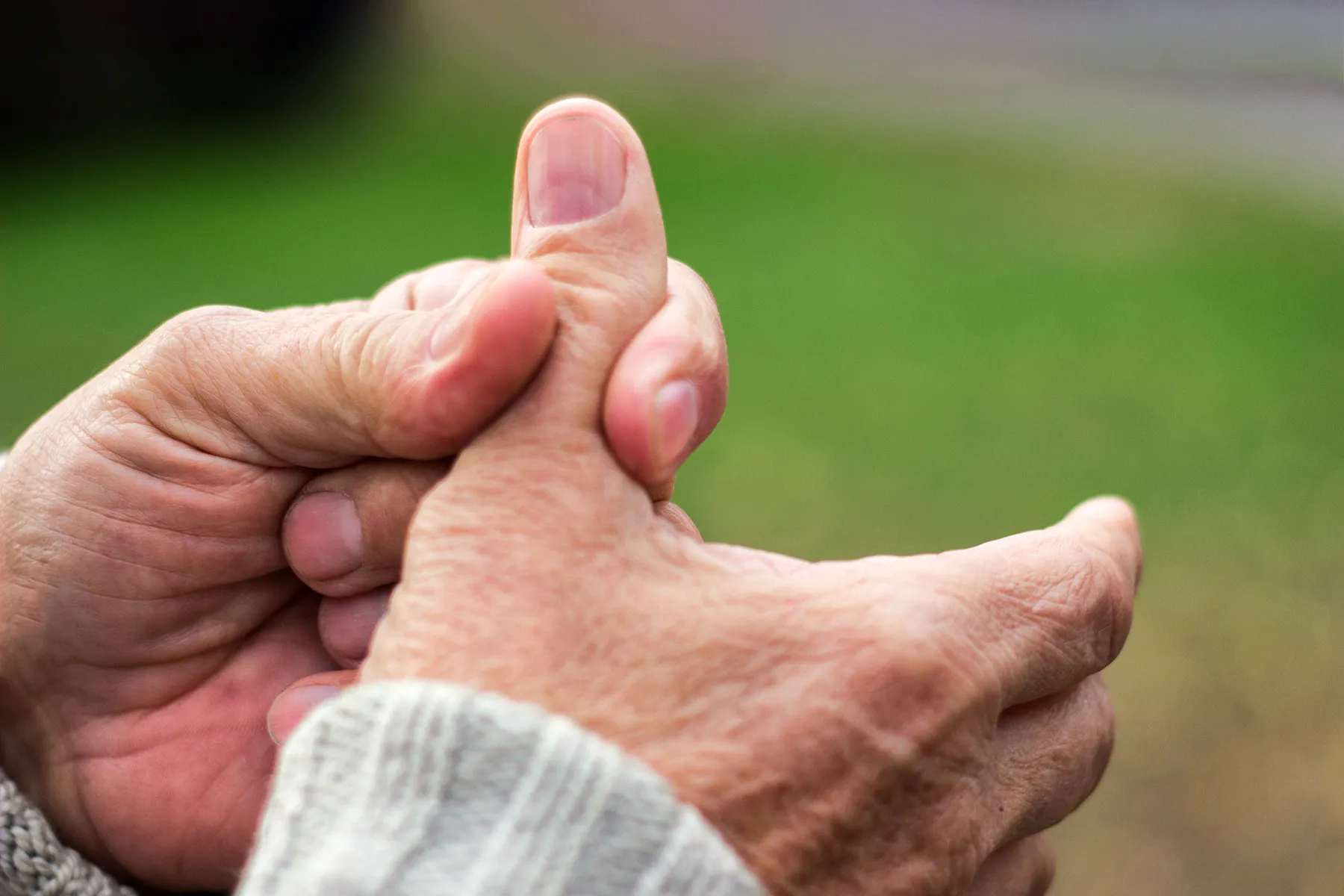

Thumb arthritis sounds small. The thumb, after all, is only one digit. But this little overachiever is the VIP of the hand. It helps you grip a coffee mug, button a shirt, text your group chat, twist a key, open a jar, and pretend you were totally going to meal prep tonight. So when arthritis settles into the base of the thumb, it can turn ordinary life into a string of tiny ambushes.
Also called basal joint arthritis or thumb CMC arthritis, this condition usually develops when the cartilage in the carpometacarpal (CMC) joint wears down. That joint sits at the base of the thumb where the thumb meets the wrist, and it is responsible for the impressive range of motion that makes human thumbs so useful. It is also the reason your thumb can become such a drama queen when the joint gets irritated.
This article breaks down the causes of thumb arthritis, how it affects daily life, what symptoms to watch for, and the most effective treatment options, from braces and hand therapy to injections and surgery.
What Is Thumb Arthritis?
Thumb arthritis is most commonly a form of osteoarthritis affecting the joint at the base of the thumb. In a healthy joint, cartilage acts like a smooth cushion, helping bones glide without friction. In an arthritic thumb, that cushion wears away. The bones begin to rub, the joint may become unstable, and the body sometimes responds by creating bone spurs or a visible bump near the thumb base.
The result is a frustrating mix of pain, weakness, stiffness, swelling, and loss of motion. For some people, symptoms creep in slowly. For others, the first clue is that opening a pickle jar suddenly feels like an Olympic qualifier.
Why the Thumb Gets Into Trouble So Easily
The thumb CMC joint is a marvel of design. It allows pinching, grasping, rotating, and opposing the fingers. That freedom is great for function, but it also means the joint handles a lot of force. Every time you pinch something, pressure travels through the thumb base. Over years, that repeated stress can wear down cartilage, especially if the joint is already loose, misaligned, or recovering from an old injury.
In short, the thumb is useful because it does a lot. It becomes vulnerable for the exact same reason.
What Causes Thumb Arthritis?
1. Age-related wear and tear
The most common cause is osteoarthritis that develops over time. As cartilage wears down with aging, the joint becomes rougher, less stable, and more painful. Thumb arthritis often appears in midlife and becomes more common with age.
2. Previous injury
A prior fracture, sprain, or joint injury can increase the risk of arthritis later on. Even when an injury heals well, the joint may not move or bear load exactly the way it used to.
3. Joint laxity or anatomy
Some people appear to have looser ligaments or anatomy that places more stress on the thumb base. That can make the joint less stable and more likely to wear down over time.
4. Sex and genetics
Thumb arthritis is more common in women, and family history may also play a role. Genetics does not mean destiny, but it can load the dice.
5. Inflammatory arthritis
Although osteoarthritis is the classic culprit, other forms of arthritis can affect the thumb and hand too. Rheumatoid arthritis and psoriatic arthritis, for example, can cause pain, swelling, stiffness, and changes in joint alignment. That is one reason an accurate diagnosis matters.
Common Thumb Arthritis Symptoms
The hallmark symptom is pain at the base of the thumb, especially during pinching, gripping, twisting, or opening. Many people first notice it while turning a doorknob, using a key, lifting a pan, wringing out a cloth, or trying to pry open a stubborn bottle cap that suddenly seems personally offended by their existence.
Other common thumb arthritis symptoms include:
- Pain with gripping or pinching
- Aching after prolonged hand use
- Swelling, tenderness, or stiffness at the thumb base
- Loss of pinch strength or grip strength
- Reduced range of motion
- A larger or bony-looking joint at the base of the thumb
- A grinding or gritty feeling with movement
Some people also describe morning stiffness, while others feel worse later in the day after repeated use. Interestingly, X-rays and pain do not always match perfectly. A person can have pretty impressive wear on imaging and only mild pain, while someone else with less visible damage can be deeply bothered by the condition.
How Thumb Arthritis Affects Daily Life
This is where thumb arthritis stops being a medical label and becomes a daily nuisance. The thumb is essential for pinch and opposition, which means the condition can interfere with dozens of activities that most people never think twice about.
Common trouble spots include:
- Opening jars, bottles, and medicine containers
- Turning keys or round doorknobs
- Buttoning clothes or fastening jewelry
- Writing, typing, or scrolling on a phone
- Using kitchen tools, scissors, or garden equipment
- Lifting a skillet, grocery bag, or child
- Carrying laundry or gripping exercise equipment
Over time, many people start adapting without realizing it. They use the other hand more. They avoid certain hobbies. They buy easier-to-open containers. They ask someone else to do “that one annoying thing with the lid.” This adaptation can be smart, but it can also hide how much the condition is affecting function.
Emotionally, thumb arthritis can be surprisingly discouraging. Hand pain is public in a very private way. It shows up when you cook, work, drive, dress, clean, exercise, and try to enjoy hobbies. When pain follows you into ordinary tasks, it can make you feel older, slower, or more limited than you want to admit.
How Doctors Diagnose Thumb Arthritis
Diagnosis usually starts with your history and a hands-on exam. A clinician will ask what movements trigger pain, whether you have stiffness or swelling, and whether you have injured the thumb in the past.
During the exam, they may move the thumb while stabilizing the joint. If this causes pain, creaking, or a gritty sensation, thumb arthritis becomes more likely. X-rays are often used to confirm the diagnosis and look for joint space narrowing, bone spurs, or changes in alignment.
Doctors also think about other causes of hand pain. For example, arthritis tends to cause joint pain, stiffness, swelling, and sometimes deformity. Carpal tunnel syndrome is different; it is a nerve problem and is more likely to cause numbness, tingling, and weakness in a specific finger pattern. If a joint is red-hot, suddenly very swollen, or accompanied by fever, a clinician may need to rule out infection or crystal-related arthritis rather than simple wear-and-tear osteoarthritis.
Thumb Arthritis Treatment: What Actually Helps?
The good news is that many people improve with nonsurgical thumb arthritis treatment. The goal is not to make the thumb twenty-one again with a gym membership and positive affirmations. The real goals are to reduce pain, improve function, protect the joint, and help you keep doing the things that matter.
Bracing and splinting
A thumb brace or splint is one of the most common first-line treatments. It helps support the joint, reduce painful motion, and give the irritated structures a chance to calm down. Some splints are designed for rest, others for function during activity, and many people use one at night or during flare-ups.
Ice and heat
Cold can help with swelling and sharper pain. Heat can help with stiffness. Many people end up using both at different times, which is less indecisive than it sounds and more practical than medicine can sometimes admit.
Medications
Over-the-counter pain relievers may help, including acetaminophen or nonsteroidal anti-inflammatory drugs (NSAIDs), when appropriate for your health history. Topical NSAIDs can also be useful, especially when only one or two joints are bothering you and you want to avoid more whole-body side effects.
Hand therapy and exercise
Occupational therapy or hand therapy can be a game changer. A therapist can recommend a custom splint, teach joint-protection strategies, and guide exercises to improve mobility and support the thumb without overloading it. The trick is doing the right exercises the right way. Aggressive squeezing and repetitive pinch work during a flare can backfire. Thumb arthritis is not impressed by your hustle.
Joint protection and adaptive tools
This is the unglamorous but highly effective category. Jar openers, key turners, larger grips, built-up handles, zipper pulls, lever-style door handles, and two-handed lifting strategies can reduce stress on the thumb base. These tools are not “giving in.” They are smart engineering for a stubborn joint.
Corticosteroid injections
If splints, medications, and therapy are not enough, a corticosteroid injection into the thumb joint may provide temporary relief. Injections can reduce inflammation and pain, but they are not a permanent cure and usually become less effective when repeated too often. Think of them as a strategic timeout, not a season pass.
When Surgery Becomes an Option
Surgery is usually considered when symptoms remain significant despite good conservative care. The decision depends on pain severity, loss of function, joint damage, and how much the problem is interfering with work, hobbies, sleep, or daily tasks.
Common surgical options for thumb CMC arthritis treatment include:
Arthroplasty or reconstruction
This broad category includes procedures that remove damaged joint surfaces and reconstruct the base of the thumb so pain improves while useful motion is preserved. A common approach involves removing all or part of the trapezium and using tendon tissue or other methods to support the thumb.
Fusion
Fusion joins the bones together so the painful joint no longer moves. It can provide pain relief and a strong pinch, but the trade-off is less motion.
Joint replacement
In selected cases, surgeons may use an implant to replace part or all of the damaged joint. This is less common than some reconstructive procedures but may be appropriate for the right patient.
After surgery, splinting and rehabilitation are part of the process. Recovery takes time, and the thumb does not magically send a thank-you note on day three. But many patients experience meaningful improvement in pain and function after a well-chosen procedure and proper rehab.
Practical Tips for Living With Thumb Arthritis
- Use larger-handled tools when possible
- Reduce repetitive pinching and twisting
- Carry objects with both hands instead of one-hand pinching
- Take breaks during long kitchen, craft, office, or phone sessions
- Use a brace during activities that reliably trigger pain
- Ask for hand therapy early instead of waiting until everything hurts
- See a clinician if symptoms keep building, even if you are “still managing”
When to Seek Medical Care Promptly
Make an appointment if thumb base pain, swelling, or stiffness keeps returning, starts limiting normal tasks, or is getting worse over time. Seek faster medical attention if you have severe swelling, a hot or red joint, fever, sudden intense pain, numbness or tingling that suggests a nerve problem, or a recent injury followed by ongoing dysfunction.
Conclusion
Thumb arthritis is common, but that does not make it trivial. Because the thumb is involved in so many daily movements, even mild arthritis can feel like a major interruption. The condition usually develops from wear-and-tear at the thumb base, though injuries, joint laxity, genetics, and inflammatory arthritis can also play a role. The impact can range from annoying to truly disabling, especially when gripping, pinching, twisting, or writing become painful.
The silver lining is that treatment has range. Many people improve with bracing, topical or oral medication, hand therapy, activity changes, and adaptive tools. Others benefit from targeted injections. And when conservative care is no longer enough, surgery can offer meaningful relief and restored function. The earlier you recognize the signs and protect the joint, the better your odds of keeping that hard-working thumb useful, comfortable, and a little less theatrical.
Real-World Experiences With Thumb Arthritis
One of the most striking things about thumb arthritis is how ordinary the first complaints sound. People rarely march into a clinic announcing, “I believe my carpometacarpal joint is degenerating.” They say, “I can’t open jars anymore,” or “My thumb feels weird when I text,” or “I thought I just slept on it wrong.” The early experience is often confusing because the pain comes and goes. A person can have a decent day on Monday and then feel like their thumb has filed a formal complaint by Wednesday afternoon.
Many people describe a slow change in confidence before they describe a change in pain. A home cook starts avoiding heavy pans. A teacher notices that writing on a whiteboard feels strangely tiring. An office worker finds that long hours on a phone make the thumb base ache. A grandparent realizes that lifting a grandchild under the arms is possible, but awkward and sore afterward. None of these moments seems dramatic on its own. Together, they tell the story of a joint that is losing tolerance for everyday demand.
There is also a practical frustration unique to hand problems: the world is full of twisting, pinching, gripping tasks. Medication caps. Seat belts. Toothpaste lids. Coffee pods. Laundry baskets. Food storage containers designed by people who clearly have never met arthritis. People with thumb arthritis often become accidental experts in leverage. They use the side of the hand instead of the tip of the thumb. They switch to pump bottles, electric can openers, and kitchen gadgets with fat handles. They wedge jars under an arm, use both palms, or wait for a family member with younger joints and a hero complex.
Emotionally, the experience can be bigger than the joint itself. Some people feel embarrassed asking for help with simple tasks. Others get irritated by how unpredictable the pain can be. You can feel strong enough to carry groceries and then lose a battle with a zipper. That mismatch can make the condition feel silly and serious at the same time. People often worry that pain means they are becoming fragile, when in reality they are dealing with a very common mechanical problem in a very busy joint.
The encouraging part of these real-life stories is that improvement usually comes from a collection of smart strategies, not one miracle fix. A brace worn during chores, a better keyboard setup, a therapist who teaches joint protection, a topical anti-inflammatory, a jar opener that looks unimpressive but works like magic, a decision to stop force-pinching everything just to prove a point. For some, an injection creates a window of relief. For others, surgery becomes the turning point that lets them cook, garden, write, or travel with less fear of pain. The common theme is adaptation with intention. Thumb arthritis may be stubborn, but daily life can still get bigger again once the joint is treated with a little less punishment and a lot more strategy.