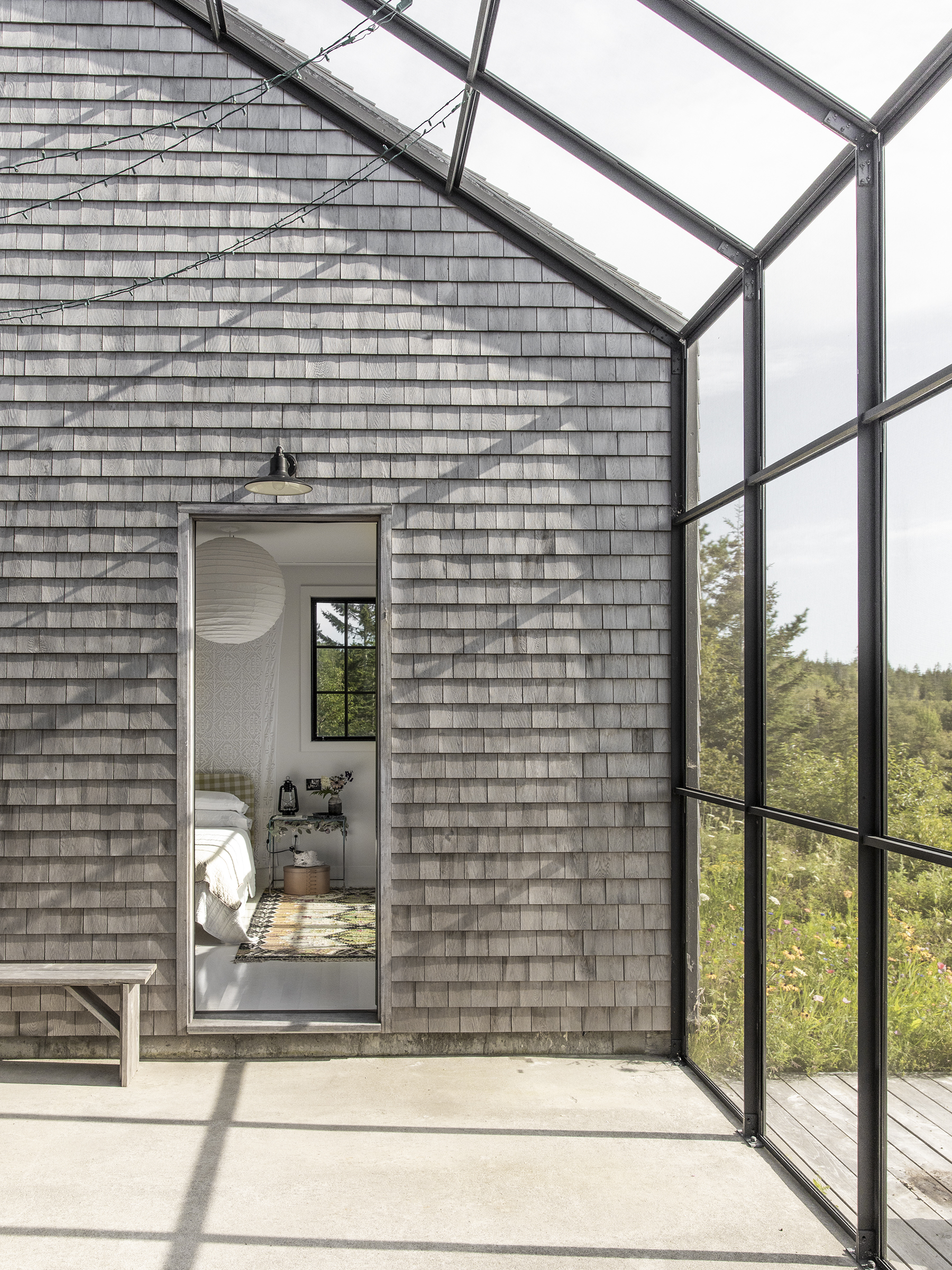
Living with ankylosing spondylitis can sometimes make your own home feel like an obstacle course designed by someone who really hates lower backs. The couch is too soft, the kitchen shelf is too high, the bathroom floor is suspiciously slippery, and your spine has decided that “morning stiffness” should last until lunch. The good news? You do not need to renovate your entire house or move into a luxury spa with orthopedic clouds. Small, thoughtful changes can make your home more comfortable, safer, and easier to move through.
Ankylosing spondylitis, often called AS, is a chronic inflammatory arthritis that mainly affects the spine and sacroiliac joints, though it can also involve the hips, shoulders, ribs, knees, ankles, and other areas. Because AS can cause pain, stiffness, fatigue, posture changes, and reduced mobility, your home setup matters. A supportive mattress, smarter storage, better lighting, easy-grip tools, and a few posture-friendly habits can turn daily life from “why is the floor so far away?” into “okay, I can do this.”
This guide shares practical, realistic tips to make your home more comfortable with ankylosing spondylitiswithout turning your living room into a medical supply catalog. Think of it as interior design with a spine-friendly personality.
Why Home Comfort Matters When You Have Ankylosing Spondylitis
AS is not just “back pain with a fancy name.” It can affect how you sleep, sit, stand, bend, cook, bathe, work, and relax. Many people with AS feel worse after long periods of inactivity, especially in the morning or after sitting too long. Others may struggle with fatigue, tight hips, chest discomfort, or flare-ups that make ordinary tasks feel harder than they should.
That is why your home environment should support three goals: reduce unnecessary strain, encourage gentle movement, and make daily routines easier. You want your home to work with your body, not audition for the role of villain in your health journey.
1. Create a Spine-Friendly Sleep Setup
Sleep can be tricky with ankylosing spondylitis. Pain and stiffness may interrupt rest, while poor sleep can make pain feel worse the next day. Your bed should support your spine in a neutral position and help you wake up less stiff.
Choose a supportive mattress
A mattress that is too soft may let your hips sink and your spine curve awkwardly. A mattress that is too hard may feel like sleeping on a conference table. Many people with AS do best with a firm or medium-firm mattress that supports the body while still offering enough comfort for pressure points. If buying a new mattress is not possible, a supportive mattress topper may help improve comfort.
Use pillows strategically
A giant fluffy pillow may look luxurious, but if it pushes your neck forward, your spine may file a complaint. Try a thinner pillow or a cervical pillow that keeps your neck aligned. If you sleep on your back, placing a small pillow under your knees may reduce tension in the lower back. If you sleep on your side, a pillow between the knees can help keep the hips and spine aligned.
Avoid stomach sleeping when possible
Sleeping on your stomach can twist the neck and arch the lower back. If it is the only position that feels possible, try placing a thin pillow under the pelvis to reduce strain. The goal is not perfection. The goal is fewer mornings where your spine feels like it spent the night folding laundry.
2. Make Your Morning Routine Easier
Morning stiffness is common with ankylosing spondylitis, so design your bedroom and bathroom around a slower, gentler start. Keep essentials within easy reach: medications, water, glasses, heating pad, phone charger, and comfortable shoes. A bedside table should not require a full-body twist just to find lip balm.
Before getting out of bed, try a few gentle movements if your doctor or physical therapist says they are safe for you. Ankle circles, slow knee bends, shoulder rolls, and deep breathing can help wake up your body before your feet hit the floor. Think of it as a software update for your joints, except less annoying than the one on your laptop.
3. Turn the Bathroom Into a Safer Zone
Bathrooms are high-risk areas because of wet surfaces, tight spaces, and awkward bending. A few smart modifications can make bathing and toileting easier, especially during flares.
Add grab bars
Install grab bars near the toilet, shower, and bathtub. Towel racks are not grab bars; they are decorative betrayal devices. A properly installed grab bar gives you stable support when sitting, standing, or stepping in and out of the tub.
Use non-slip mats
Place non-slip mats inside and outside the shower. Choose mats with strong grip and keep them clean so they do not become slippery themselves. Good lighting also matters, especially for nighttime bathroom trips.
Consider a shower chair or handheld showerhead
A shower chair allows you to bathe without standing the whole time. A handheld showerhead makes rinsing easier and reduces twisting. If bending is uncomfortable, use a long-handled sponge for washing legs and feet.
Raise the toilet seat if needed
A raised toilet seat or toilet safety frame can help if sitting down or standing up causes hip, knee, or back discomfort. This is one of those changes that sounds small until you use it and wonder why every toilet was not designed by someone with joints.
4. Rearrange the Kitchen to Reduce Bending and Reaching
The kitchen can be surprisingly demanding for people with AS. Reaching overhead, bending into low cabinets, carrying heavy cookware, and standing on hard floors can all add up. The solution is not to stop cooking. The solution is to make cooking less like a CrossFit event.
Keep daily items at waist-to-shoulder height
Store frequently used plates, pans, spices, mugs, and pantry staples where you can reach them without bending deeply or stretching overhead. Put heavier items on shelves between hip and chest height. Save the top shelf for things you use rarely, like the holiday platter that appears once a year and judges everyone.
Use lightweight tools
Choose lighter pots, electric can openers, jar openers, easy-grip utensils, and silicone handles. If hand pain or stiffness joins the party, larger grips can reduce strain.
Sit when possible
Use a stool or chair for chopping vegetables, mixing ingredients, or washing dishes. Sitting for part of the task can reduce fatigue and help you conserve energy for the important things, like eating the meal instead of recovering from making it.
Break cooking into stages
Prep vegetables in the morning, cook later, and clean up after a rest. Batch cooking can help, but only if it does not wipe you out. The best meal plan is one your body can actually tolerate.
5. Build Movement Into Your Home Layout
Exercise and stretching are important parts of AS management, especially for flexibility, posture, breathing capacity, strength, and overall function. Your home can gently encourage movement without turning into a gym.
Create a small stretching area with a yoga mat, resistance band, foam roller if approved, and enough wall space for posture checks. Keep it visible. If your exercise gear is buried under winter coats and mystery cables, it will not inspire much movement.
Try movement “snacks”
Instead of waiting for one perfect 45-minute exercise window, sprinkle movement throughout the day. Do a few wall posture checks after brushing your teeth. Stretch your chest in a doorway before lunch. Take a short walk around the house after sitting for 30 minutes. These tiny habits can add up.
Make posture reminders obvious
Place a sticky note near your desk that says “chin level, shoulders relaxed.” Set phone reminders to stand and stretch. Put a mirror near your workspace so you can check whether your head is drifting forward like it is trying to read tomorrow’s emails.
6. Upgrade Your Work-From-Home Setup
If you work, study, read, or scroll at home, your setup can either support your spine or slowly turn you into a question mark. Ankylosing spondylitis makes ergonomics especially important.
Raise your screen
Your monitor or laptop screen should be near eye level so you do not hunch forward. Use a laptop stand, monitor riser, or a stack of sturdy books. Yes, that giant cookbook you never use can finally fulfill its destiny.
Support your lower back
Choose a chair that supports your natural spinal curves. If your chair lacks lumbar support, try a small cushion or rolled towel behind your lower back. Keep feet flat on the floor or on a footrest.
Alternate sitting and standing
A standing desk or adjustable workstation may help, but standing all day is not magic. The real goal is changing positions. Sit, stand, stretch, walk, repeat. Your spine likes variety more than it likes heroic suffering.
7. Make Floors and Walkways Safer
During AS flares, stiffness and pain can affect balance and movement. Clear pathways reduce the risk of trips and falls.
- Remove loose throw rugs or secure them with non-slip backing.
- Keep cords away from walking paths.
- Use nightlights in hallways, bedrooms, and bathrooms.
- Choose supportive indoor shoes or slippers with good traction.
- Keep stairs well lit and use handrails.
Minimal clutter is not just an aesthetic trend. It is also a joint-friendly safety strategy. Marie Kondo, but with fewer falls.
8. Use Assistive Devices Without Shame
Assistive devices are not signs of defeat. They are tools. Nobody calls a dishwasher “giving up on plates.” If a tool saves energy, reduces pain, or prevents awkward bending, it has earned its place in your home.
Helpful tools may include:
- A reacher or grabber tool for items on the floor or high shelves
- A long-handled shoehorn
- Elastic shoelaces or slip-on shoes
- Jar openers and easy-grip kitchen tools
- Heating pads or warm packs for stiffness
- Rolling laundry baskets instead of heavy carry baskets
- Voice-controlled lights, reminders, or smart plugs
Ask a physical therapist or occupational therapist for personalized suggestions. They can help you choose tools that match your symptoms, home layout, and daily routine.
9. Create a Comfortable Rest Area
Fatigue can be a major part of ankylosing spondylitis. Build a rest area that supports your body without encouraging hours of stiff, collapsed sitting. A supportive chair is usually better than a deep, low couch that swallows you like a furniture monster.
Look for seating that allows your hips and knees to stay comfortable, your feet to rest flat, and your spine to remain upright. Keep a small table nearby with water, medication, a book, remote controls, and anything else you use often. The fewer times you have to twist, reach, or pop up unnecessarily, the better.
10. Use Heat and Cold Wisely
Many people with AS find warmth helpful for stiffness, especially in the morning or before stretching. Warm showers, heating pads, warm packs, or heated blankets may relax tight muscles. Cold packs may help if a specific area feels inflamed or swollen.
Use temperature therapy safely. Avoid falling asleep on a heating pad, protect your skin with a towel, and follow product instructions. If you have reduced sensation, circulation problems, or another medical condition, ask your clinician what is safe.
11. Support Better Breathing and Rib Mobility
AS can sometimes affect the joints between the ribs and spine, making deep breathing feel tight or uncomfortable. Your home routine can include breathing-friendly habits.
Practice deep breathing exercises recommended by your physical therapist. Keep your posture open when sitting. Avoid spending long periods curled forward over a phone. If you enjoy music, singing, or gentle breathwork, those may help you become more aware of your rib movement. No one said managing AS could not include dramatic shower concerts.
12. Make Laundry Less Brutal
Laundry is basically a full-body workout disguised as adulthood. For AS-friendly laundry, use smaller loads, rolling baskets, front-loading machines on pedestals if possible, and detergent pods or smaller containers that are easier to lift.
Fold clothes at a table instead of bending over a bed. Keep frequently worn clothes in drawers or shelves that do not require deep bending. If hanging clothes causes shoulder or neck strain, use lower closet rods or pull-down closet systems.
13. Design for Flare Days Before They Happen
When a flare hits, decision-making gets harder. Prepare your home in advance. Keep easy meals available, place medications and comfort items in predictable spots, and create a “flare kit” with heat wraps, cold packs, loose clothing, water bottle, snacks, and entertainment.
Also, create a simple communication plan with family or roommates. A phrase like “I am having a stiff day” can signal that you may need help with errands, dishes, driving, or carrying items. Clear communication prevents resentment and reduces the need to explain your spine’s entire biography every time you need support.
14. Keep Stress From Taking Over the House
Stress does not cause ankylosing spondylitis, but it can make pain harder to handle and routines harder to maintain. Create at least one calm corner in your home. It can be a chair by a window, a tidy bedside area, a balcony, or a small reading nook.
Use that space for quiet breathing, journaling, prayer, meditation, music, or simply sitting without multitasking. Your calm corner does not need candles, crystals, or a waterfall wall. It just needs to be a place where your nervous system can stop acting like it got twelve urgent emails.
15. Do Not Ignore Medical Care
Home changes can make life easier, but they do not replace medical treatment. Ankylosing spondylitis often requires a care plan that may include medication, physical therapy, monitoring, and regular check-ins with a rheumatologist. If your pain, stiffness, eye symptoms, bowel symptoms, fatigue, or mobility problems change suddenly, contact a healthcare professional.
The most comfortable home is one that supports your treatment plan. Your couch, mattress, shower chair, and grabber tool are teammatesnot substitutes for medical care.
Real-Life Experiences: What Comfort Looks Like Day to Day
One of the biggest lessons people learn while living with ankylosing spondylitis is that comfort is not one big dramatic makeover. It is usually a collection of small decisions that make the day less exhausting. For example, imagine someone named Laura who used to keep her heavy cast-iron pan in a low cabinet because that was where it “belonged.” Every time she wanted to cook, she had to bend, brace herself, lift, and then recover from the tiny wrestling match. Moving that pan to a waist-high shelf did not cure AS, but it removed one daily irritation. That is the point: reduce the number of battles your body has to fight.
Another person may discover that the living room sofa is the real troublemaker. It looks cozy, but it is so deep and soft that standing up from it requires momentum, prayer, and possibly a small crane. Replacing it may not be realistic, but adding a firm cushion, lumbar pillow, or nearby arm support can help. Sometimes the goal is not buying new furniture; it is making existing furniture less ridiculous.
Kitchen comfort often comes from planning around energy. Someone with AS might chop vegetables while sitting at the table instead of standing at the counter. They might cook double portions on a better day and freeze half for a flare day. They might use pre-cut vegetables without guilt because convenience is not laziness when your joints are negotiating every movement. The same goes for grocery delivery, lightweight cookware, and electric openers. Tools are allowed to make life easier. That is literally why humans invented wheels, spoons, and online bill pay.
Sleep comfort is often personal. Some people feel better with a firmer mattress and a thin pillow. Others need careful pillow placement under the knees or between the legs. The important part is paying attention to how you feel in the morning. If you consistently wake up more twisted than a mystery novel, your sleep setup may need adjustment. Keeping a simple sleep journal for a week can help you notice patterns: which positions reduce stiffness, whether evening stretching helps, or whether late-night screen time leads to more tension.
Work-from-home comfort can be surprisingly emotional. Many people blame themselves for poor posture, but the real culprit is often a bad setup. A laptop on a kitchen table practically invites hunching. Raising the screen, using an external keyboard, supporting the feet, and taking movement breaks can make the workday feel less punishing. A timer that reminds you to stand every 30 minutes may seem annoying at first, but eventually it becomes the friend who says, “Please stop folding yourself like a taco.”
Bathroom adaptations can feel awkward to consider, especially for younger adults who do not see themselves as needing safety equipment. But grab bars, shower chairs, and non-slip mats are not age labels. They are smart design. A wet floor does not care how old you are. If a shower chair lets you bathe without fear or fatigue, it is doing its job beautifully.
The emotional side matters too. A home that supports AS should not feel like a hospital room unless that is genuinely what someone needs. Comfort can still include color, humor, good lighting, soft blankets, plants, art, music, and personality. A reacher tool can live next to a stylish basket. A heating pad can sit on a beautiful chair. A stretching mat can be rolled into a corner that still looks peaceful. Your home can be practical and still feel like you.
Perhaps the most useful experience is learning to adjust before pain becomes overwhelming. Rearranging a shelf, adding a nightlight, setting up a rest area, or asking for help early can prevent a small problem from becoming an all-day setback. Ankylosing spondylitis may be unpredictable, but your home can become more predictable, more forgiving, and more supportive. That kind of comfort is not fancy. It is freedom in small, daily doses.
Conclusion
Making your home more comfortable with ankylosing spondylitis is not about creating a perfect medical showroom. It is about building a space that protects your spine, supports movement, reduces strain, and helps you live with more ease. Start with the areas you use most: bed, bathroom, kitchen, workspace, and favorite chair. Move daily items within reach. Improve lighting. Add grab bars or non-slip mats. Build stretching into your routine. Choose supportive seating and sleep positions. Use assistive tools proudly.
Most importantly, make changes that fit your real life. The best AS-friendly home is not the most expensive one. It is the one that lets you wake up, move, cook, rest, work, and enjoy your day with fewer unnecessary obstacles. Your home should not fight your body. It should have your backpreferably with lumbar support.