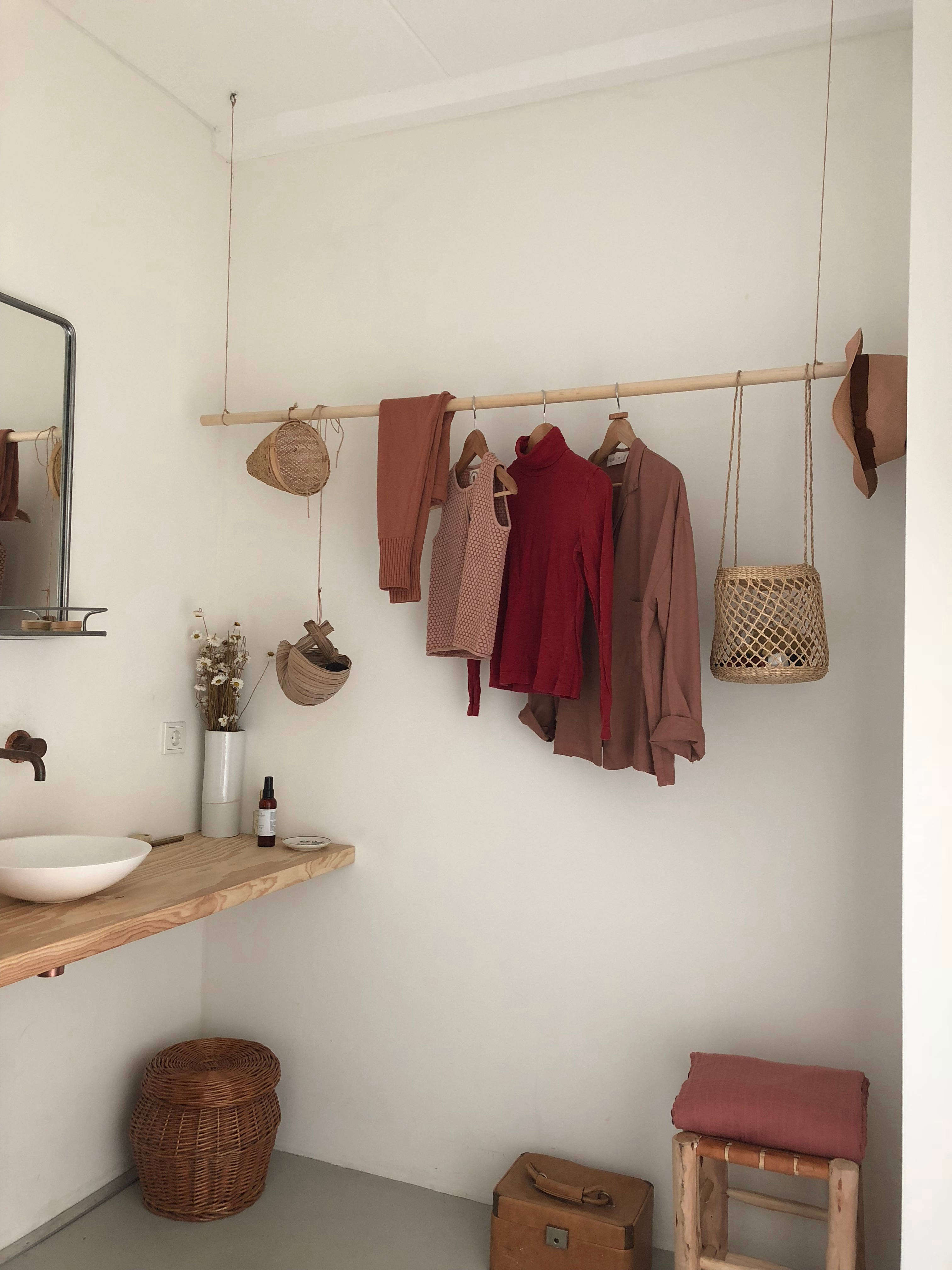

Modern minimalism has grown up. It is no longer a competition to see who can survive with one chair, three identical shirts, and a suspiciously empty refrigerator. Today’s organized minimalist home is warmer, smarter, and far more realistic. It uses clean lines and clear surfaces, but it also makes room for books, family photographs, comfortable blankets, cooking tools, and all the mildly chaotic evidence that actual humans live there.
The original “Trending on The Organized Home: Modern Minimalism” feature, published by Remodelista in 2019, highlighted minimalist inspiration, design-conscious storage products, refrigerator organization, and curated visual ideas. Those themes remain relevant, but the modern version has evolved beyond simply owning fewer things. It now emphasizes intentional possessions, adaptable storage, natural materials, durable furnishings, and routines that prevent clutter from returning five minutes after the room is photographed.
In other words, modern minimalism is not about making a home look empty. It is about making everyday life feel less crowded.
What Modern Minimalism Really Means
Minimalist interior design is often associated with neutral colors, streamlined furniture, open floor plans, and carefully edited decor. Those visual elements still matter, but modern minimalism begins with a more useful question: What does this home need to help the people inside it live well?
A successful minimalist room does not remove personality. It removes distraction. Architectural Digest notes that minimalist rooms can be cozy, personal, and suitable for small homes, especially when designers focus on proportion, strong materials, sculptural furniture, negative space, and a limited number of meaningful statement pieces. Hidden storage also plays an important role in reducing visual clutter without pretending that nobody owns a phone charger.
Less Stuff, More Intention
The goal is not to own the smallest possible number of possessions. The goal is to understand what you own, why you own it, and where it belongs. A large collection of books can work beautifully in a minimalist home when it is deliberately arranged and genuinely used. A drawer full of mysterious charging cables from devices last seen during the Obama administration is a different story.
Many professional organizers now prefer the idea of intentionalism: keeping an amount of belongings that suits your lifestyle rather than following an arbitrary minimalist standard. This approach is especially practical for families, creative households, sentimental collectors, and anyone whose hobbies require more equipment than a yoga mat and a ceramic mug.
Warmth Replaces Sterility
Modern minimalist decor is moving away from cold white rooms filled with hard edges. Warm minimalism layers quiet colors with wood, linen, wool, stone, leather, woven baskets, handmade ceramics, and softly rounded furniture.
Professional organizer Shira Gill’s approach demonstrates how an uncluttered home can still feel layered and lived-in. Her methods include maintaining a cohesive palette, displaying selected art and mementos, using natural fibers, and hiding less attractive necessities behind solid doors or inside simple containers. The result is calm rather than clinicala home, not a very expensive dental office.
The Design Principles Defining the Trend
1. Clear Surfaces With a Purpose
Clear surfaces are one of the quickest ways to make a room feel calmer, but they should not be treated as sacred territory. A kitchen counter may hold the coffee maker used every morning. An entry console may need a tray for keys. A bathroom vanity may contain soap and one attractive container for daily essentials.
The key is to limit exposed items to those that are useful, beautiful, or both. When every flat surface becomes long-term parking for unopened mail, reusable shopping bags, water bottles, and one lonely screwdriver, the room loses its visual structure.
2. Hidden Storage That Is Easy to Use
Modern minimalist storage often disappears into the architecture. Full-height cabinets, closed built-ins, under-bed drawers, storage benches, appliance garages, recessed niches, and wall-mounted cupboards help preserve open space.
However, hidden storage should not become a legal hiding place for chaos. A cabinet packed so tightly that opening it triggers a small avalanche is not organized; it is simply clutter wearing a door.
Effective storage places frequently used objects close to where they are needed. Office supplies belong near the desk. Serving pieces belong near the dining area. Towels belong within easy reach of the shower. Everyday organization becomes much easier when a home’s storage supports natural routines rather than requiring residents to complete a scavenger hunt.
3. Strong Shapes and Fewer Furnishings
When a room contains fewer pieces, each one receives more attention. Modern minimalism therefore favors furnishings with strong proportions, attractive materials, and lasting function.
A sculptural chair, solid wood table, oversized pendant, or large-format artwork can provide more impact than a crowd of undersized accessories. This does not mean everything must be expensive. A well-proportioned vintage table can become the visual anchor of a room, while an inexpensive linen curtain can soften architecture and filter natural light.
4. Natural Light and Visual Breathing Room
Furniture placement is as important as furniture selection. Leaving open pathways, exposing more flooring, and allowing space around important objects make rooms feel larger and easier to navigate.
Natural light strengthens the effect by emphasizing texture and reducing the need for excessive decoration. Sheer window treatments, low-profile furniture, mirrors placed opposite windows, and lightly colored walls can help distribute daylight through compact spaces.
5. Quality Over Quick Consumption
Modern minimalism encourages slower, more deliberate purchasing. Before buying a new organizer, lamp, vase, or storage cabinet, consider whether it solves a real problem and whether the home has a suitable place for it.
This pause protects both the household budget and the available storage. Minimalism becomes difficult when every decluttering session is followed by a celebratory shopping trip for twelve new baskets.
Room-by-Room Modern Minimalist Organization
The Entryway: Control the Landing Zone
The entryway is where outside clutter enters the home. Give each recurring item a destination before it begins migrating across the dining table.
Use a shallow tray for keys, hooks for daily bags, a closed shoe cabinet, and a basket for outgoing returns or donations. Families can assign one hook or cubby to each person. Keep the system simple enough to use while carrying groceries, answering a phone call, and wondering why nobody else has noticed the overflowing recycling bin.
The Living Room: Edit, Do Not Empty
Begin with the room’s primary functions. Is it used for conversation, television, reading, entertaining, children’s play, or all of the above? Arrange the largest furniture around those activities, then remove pieces that block movement or duplicate a function.
Use closed cabinets for electronics, games, toys, and spare cables. Keep a limited number of books or decorative objects visible, leaving space between groups. A single large artwork often creates a cleaner focal point than a dozen unrelated wall accents.
Texture prevents the room from feeling flat. A wool rug, linen pillow, wood side table, and woven throw can add depth without introducing visual noise.
The Kitchen: Make the Counter Earn Its Keep
Kitchen minimalism works best when storage reflects cooking habits. Appliances used daily may remain on the counter; occasional appliances should be stored elsewhere. Group tools by activity, creating zones for coffee, baking, food preparation, lunch packing, or breakfast.
Drawers are often easier to organize than deep cabinets because their contents can be viewed from above. Dividers prevent utensils from forming a metallic nest, while vertical organizers keep pans, trays, and cutting boards accessible.
Inside the refrigerator, group similar foods together and reserve specific zones for leftovers, beverages, produce, and meal-preparation ingredients. Clear containers can improve visibility, but only buy them after measuring the shelves. Otherwise, you may end up with an exquisitely organized collection of containers that do not fit inside your refrigerator.
The Bedroom: Protect the Restful Mood
The bedroom benefits from strict limits on unrelated clutter. Paperwork, exercise equipment, shipping boxes, and abandoned craft projects can make the room feel like a warehouse that happens to contain a bed.
Choose nightstands with drawers, use under-bed storage for genuinely seasonal items, and keep clothing categories within their physical boundaries. When a drawer or closet section is full, review the category before expanding its storage.
A calm palette, soft lighting, minimal electronics, and a small number of personal objects can create a space that feels restful without looking generic.
The Bathroom: Reduce Product Traffic
Bathrooms collect duplicates quickly. Sort products by category, discard expired items, and keep only daily essentials within immediate reach. Backstock can live in one labeled bin rather than occupying every available ledge.
Recessed shelves, drawer dividers, hooks, narrow cabinets, and wall-mounted storage make use of small spaces. The arrangement should make the morning routine easier, not transform skincare into an inventory-management career.
The Home Office: Hide Work When Work Is Over
Small-space offices can occupy window niches, hallway corners, closets, or sections of multipurpose rooms. Wall-mounted lights and floating shelves preserve desk space, while closed cabinets help a work zone disappear at the end of the day. HGTV’s small-office guidance similarly emphasizes unused nooks, vertical storage, compact desks, and furniture that can serve more than one purpose.
Keep active projects visible only while they are active. Archive documents digitally when appropriate, route incoming papers immediately, and schedule a weekly desk reset. Otherwise, “I’ll deal with that later” becomes a surprisingly successful filing system.
A Practical Six-Step Minimalist Reset
Step 1: Define the Room’s Job
Write down what must happen in the space. A living room might need to support reading, conversation, television, and toy storage. This list becomes the standard for deciding what stays.
Step 2: Remove Obvious Excess
Start with trash, broken objects, duplicates, expired products, and items that clearly belong elsewhere. Easy decisions build momentum without forcing you to begin with sentimental photographs from 1997.
Step 3: Group Similar Items
Bring each category together so you can see its true volume. Five pairs of scissors scattered across five rooms may seem reasonable until they are assembled for their annual convention.
Step 4: Choose What Supports the Household
Keep useful items, meaningful objects, and possessions that genuinely improve daily life. Let go of things preserved only by guilt, fantasy, or the fear that you may someday need seventeen mismatched glass jars.
Step 5: Create Zones and Containers
Assign a home to each category. Use existing drawers, boxes, trays, hooks, and baskets before purchasing new products. HGTV also recommends looking for organizing opportunities among household items that can be repurposed rather than automatically buying specialized storage.
Step 6: Establish a Reset Routine
Organization lasts when small routines prevent clutter from accumulating. A five-minute evening reset, weekly paper review, monthly donation run, and seasonal closet edit are more effective than waiting for one dramatic annual purge.
Organized households commonly use defined zones, accessible storage, donation systems, and frequent small decluttering habits to reduce the effort required for major cleanups.
Common Modern Minimalism Mistakes
Buying Storage Before Decluttering
Containers organize what remains; they do not determine what should remain. Purchasing bins first often results in neatly packaged clutter. Edit the category, measure the available space, and then choose containers.
Confusing Minimalism With Monochrome
A minimalist home can include deep green walls, colorful art, vintage rugs, or patterned textiles. Restraint matters more than beige. Use a controlled palette and repeat colors intentionally so the space feels connected.
Creating Systems That Are Too Complicated
If putting something away requires removing three lids, shifting two boxes, and consulting a label maker, the system will fail. Frequently used belongings need the easiest access.
Eliminating Everything Sentimental
Meaningful possessions give a home identity. Curate them rather than erasing them. Create one memory box, frame a small selection of photographs, or display inherited objects where they can be appreciated.
Copying a Lifestyle That Does Not Fit
A household with children, pets, hobbies, home-based work, or frequent guests will need different systems from a single-person apartment. Organizing experts caution that strict minimalism can become stressful when it conflicts with personality, family size, or everyday responsibilities. A home should support its residents, not make them feel as though they are failing an audition for social media.
Why Modern Minimalism Continues to Appeal
The strongest version of modern minimalism combines visual calm with practical efficiency. It can make small rooms feel more generous, reduce time spent looking for objects, simplify cleaning, and encourage more thoughtful purchasing.
It also aligns naturally with sustainable habits. Buying fewer but better products, repairing furnishings, choosing vintage pieces, repurposing containers, and resisting disposable decor can reduce waste while creating a home with more character.
The result is not a perfect house. It is a manageable housea place where useful belongings are accessible, meaningful objects are visible, and the remaining clutter does not appear to be developing its own municipal government.
Real-Life Experience: Living With Modern Minimalism for 30 Days
A realistic modern minimalism experiment should begin without a shopping list. For the first week, the most useful activity is observation. Notice where shoes are dropped, where mail accumulates, which kitchen tools remain on the counter, and which closets are avoided because opening them requires protective equipment.
In one typical household experiment, the entryway may emerge as the first obvious problem. Keys migrate to the kitchen, bags land on chairs, and shoes create an obstacle course near the door. Adding three hooks, a small tray, and a narrow shoe cabinet can solve more problems than an elaborate whole-house makeover. The experience teaches an important lesson: clutter often forms where a needed action has no convenient system.
The second week can focus on visible surfaces. Clearing the dining table, bathroom vanity, kitchen counter, and bedroom dresser creates an immediate sense of space. At first, the rooms may look oddly bare. After a few days, however, selected objects can return: a lamp, a bowl, a framed photograph, a plant, or a stack of books currently being read.
This editing process feels different from aggressive decluttering. Instead of asking, “How much can I remove?” the household asks, “What deserves to occupy this space?” A ceramic bowl made by a friend may earn a permanent position. A decorative sign announcing that the kitchen is where memories are made may quietly begin making memories at a donation center.
During the third week, hidden storage reveals the difference between looking organized and being organized. A clean room may still contain overcrowded drawers and cabinets. Emptying one category at a timefood containers, towels, cleaning products, office suppliesmakes duplicate purchases and forgotten items visible.
The most successful systems are usually the least glamorous. A cardboard box near the door becomes the donation station. A reused gift box divides a bathroom drawer. A tray collects cooking oils beside the stove. Labels appear only where several people need help returning items to the same place.
By the fourth week, purchasing habits begin to change. Bringing a new object home requires answering three questions: Where will it live? What function will it perform? Is there already something that performs that function?
This pause does not eliminate shopping, nor should it. It simply reduces accidental ownership. The household may still buy a beautiful lamp, comfortable chair, or new set of dishes, but the decision becomes deliberate rather than reactive.
The final experience is not the discovery that fewer possessions automatically create happiness. It is the discovery that possessions require space, maintenance, attention, and decisions. Keeping the right amount makes a home easier to operate.
After 30 days, the house will probably not resemble a magazine spread. There may still be laundry on a chair and a drawer containing batteries, tape, and one key nobody recognizes. Yet the home will feel lighter because its systems match the residents’ behavior. That is modern minimalism at its most useful: not perfection, but clarity.
Conclusion: A More Livable Kind of Minimalism
“Trending on The Organized Home: Modern Minimalism” captures an idea that has become more flexible and human over time. The best minimalist homes are not empty, colorless, or obsessively controlled. They are carefully edited, easy to maintain, and designed around real routines.
Begin with one small area. Remove what no longer serves the household, give remaining items logical homes, and leave enough open space for the room to breathe. Add warmth through texture, natural materials, art, and objects with personal meaning. Then establish simple reset habits so the organization survives daily life.
Modern minimalism succeeds when it gives you less to manage and more room to live. That is a far more interesting goal than merely owning an impressively small number of throw pillows.
Research note: This original article synthesizes established and recent guidance from Remodelista, Architectural Digest, Better Homes & Gardens, The Spruce, Real Simple, Apartment Therapy, Martha Stewart, HGTV, Forbes Home, Veranda, The Minimalists, and Becoming Minimalist.