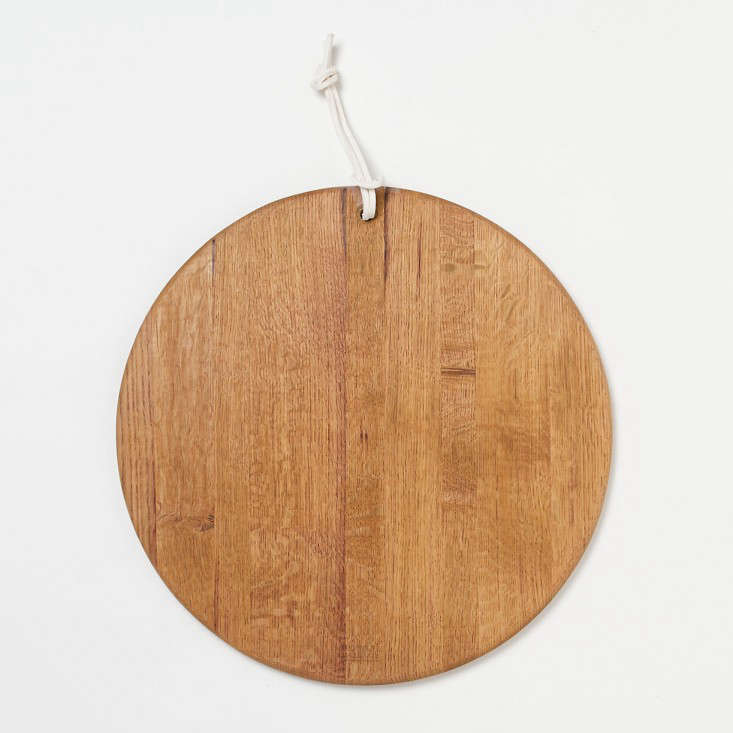

A vintage wine barrel cutting board is not just another flat surface where onions meet their dramatic end. It is a piece of culinary history, a slice of reclaimed oak, and a conversation starter that makes even a humble cheese cube feel like it has been invited to a Napa Valley tasting room. Made from retired wine barrels, often from oak staves or barrel heads, these boards bring warmth, texture, and story into the kitchen.
Unlike a mass-produced plastic board that looks like it was born in a storage bin and dreams only of dishwasher cycles, a wine barrel cutting board carries character. The curve of the stave, the grain of the oak, the faint markings from its previous life, and sometimes even the ghost of red wine staining all help create a product that feels personal. It is practical, decorative, and wonderfully imperfect in the best way.
For home cooks, entertainers, wine lovers, and anyone who believes a kitchen should have a little soul, the vintage wine barrel cutting board offers a rare blend of function and charm. It can chop herbs, serve charcuterie, display fruit, hold bread, or sit proudly on the counter looking like it knows secrets about Cabernet.
What Is a Vintage Wine Barrel Cutting Board?
A vintage wine barrel cutting board is typically crafted from reclaimed oak that once formed part of a wine barrel. The wood may come from the barrel head, which is the round end of the barrel, or from staves, the curved vertical pieces held together by metal hoops. After the barrel has finished aging wine, skilled makers clean, cut, sand, shape, and finish the oak into boards for food preparation or serving.
The word “vintage” can refer to the board’s aged, rustic style, its reclaimed origin, or the fact that the wood came from a barrel used in winemaking. In many cases, the board may not be antique in the museum sense, but it does have a previous life. That previous life is what gives the board its appeal. It once helped mature wine, slowly interacting with the liquid through oxygen, tannins, and aromatic compounds. Now it gets a second career helping you slice sourdough. That is what we call a graceful career pivot.
Why Wine Barrels Make Beautiful Cutting Boards
Oak Has Natural Strength
Wine barrels are commonly made from oak because oak is strong, workable, and suitable for holding liquid when properly cut and coopered. American white oak and French oak are especially prized in winemaking because they influence aroma, flavor, and texture. The same qualities that make oak valuable in a barrel also make it attractive in the kitchen. It is durable enough for regular use, dense enough to handle slicing and serving, and beautiful enough to leave out on display.
Every Board Has a Unique Grain Pattern
No two reclaimed wine barrel boards look exactly alike. Some have dramatic grain lines. Others have darker staining from red wine contact. Barrel-head boards may preserve cooperage marks, winery stamps, or circular shapes. Stave boards may keep a gentle curve that makes them especially appealing as serving boards. These details are not flaws; they are the board’s résumé.
The Wood Carries a Sense of Place
A vintage wine barrel cutting board can feel connected to a vineyard, a cellar, or a particular wine region. Even when you do not know the exact winery, the material still suggests craftsmanship and slow living. It brings the mood of a tasting room into an everyday kitchen. Suddenly, crackers and cheese feel less like a snack and more like an event.
Cutting Board or Charcuterie Board: Can It Be Both?
Yes, but with a little common sense. Many wine barrel boards are best used as serving boards, charcuterie boards, cheese boards, bread boards, or light-prep surfaces. If a board is thick, flat, properly finished, and stable, it may also work well for cutting. However, some barrel stave boards are curved or decorative, which makes them better for serving than heavy chopping.
Think of it this way: if the board sits firmly on the counter and does not wobble like a nervous waiter, it can handle food prep. If it has a pronounced curve, engraved decoration, or delicate finish, save it for presentation. A vintage wine barrel board looks especially good under aged cheddar, grapes, olives, salami, figs, nuts, baguette slices, and a small dish of honey. Add a glass of wine nearby and people may assume you planned the whole evening with sophisticated precision. No need to correct them.
How Wine Barrel Boards Are Made
Step 1: Retiring the Barrel
Wine barrels are not used forever for premium aging. Over time, the oak gives less flavor and becomes what winemakers often call neutral. A neutral barrel may still be useful in winemaking, but eventually many barrels are retired, resold, repurposed, or broken down for materials. Instead of sending that oak to waste, artisans can transform it into home goods, furniture, planters, trays, and cutting boards.
Step 2: Selecting the Best Oak Pieces
Not every part of an old barrel is suitable for a cutting board. Makers usually inspect the wood for cracks, deep damage, rot, heavy staining, or unstable sections. The best boards come from oak pieces with strong grain, structural integrity, and enough thickness to be sanded and shaped safely.
Step 3: Cleaning and Sanding
Reclaimed barrel wood must be thoroughly cleaned and sanded before it becomes kitchen-ready. Sanding smooths rough edges, removes splinters, and reveals the grain. Some makers preserve wine stains or original markings for character, while others sand the surface to a lighter, cleaner finish. The goal is to keep the charm without keeping anything that would make food prep questionable.
Step 4: Finishing With Food-Safe Oil
Most high-quality wooden cutting boards are finished with food-safe mineral oil, board cream, beeswax blends, or other food-safe finishes. This helps condition the wood, reduce moisture absorption, and bring out the natural color. A properly finished wine barrel cutting board should feel smooth, not sticky, greasy, or heavily varnished.
Benefits of a Vintage Wine Barrel Cutting Board
It Is Sustainable and Resourceful
Reclaimed wood gives useful material a second life. Instead of using newly harvested lumber, a vintage wine barrel board repurposes oak that has already served another purpose. This does not make every board automatically eco-perfect, but it is a meaningful example of reuse. For shoppers who care about sustainability, reclaimed wine barrel kitchenware offers a way to buy something beautiful without demanding brand-new raw material.
It Adds Rustic Elegance to the Kitchen
A vintage wine barrel cutting board fits many design styles: farmhouse, Tuscan, rustic, modern organic, wine-country, cottage, and even industrial kitchens. It softens stainless steel, warms up marble, and gives neutral countertops a visual anchor. It can hang on a wall, lean against a backsplash, or sit on an open shelf. In other words, it works even when it is off duty.
It Makes Entertaining Easier
A beautiful board turns simple food into a spread. You do not need a culinary degree, a tweezers-only plating style, or a mysterious foam. Arrange cheese, fruit, crackers, cured meats, roasted nuts, and a small ramekin of mustard or jam. The board does half the decorating for you. Guests see the oak, the grain, and the barrel shape, and suddenly the snack table has personality.
It Makes a Thoughtful Gift
A reclaimed wine barrel cutting board is a strong gift for weddings, anniversaries, housewarmings, birthdays, holidays, host gifts, or wine lovers who already own more corkscrews than any one human needs. Personalized engraving can make it even more memorable. Names, dates, initials, vineyard-inspired motifs, or a short phrase can turn the board into a keepsake.
What to Look for Before Buying One
Check the Thickness
A good cutting board should have enough thickness to remain stable and resist warping. Thin decorative boards may be lovely for serving but less ideal for frequent chopping. If you plan to use the board for serious prep work, choose a heavier, flatter design.
Look for a Food-Safe Finish
Always confirm that the board is finished with food-safe materials. Mineral oil, beeswax, and board conditioners are common. Avoid boards treated with unknown stains, decorative paints, or finishes not intended for food contact. If the board is purely decorative, the seller should say so clearly.
Inspect the Surface
The surface should be smooth and free of splinters, deep cracks, loose glue lines, or rough patches. A little rustic character is part of the appeal, but deep grooves can trap moisture and food particles. Rustic should not mean “possibly haunted by last year’s brie.”
Decide Between Barrel Head and Stave Designs
Barrel-head boards are often flatter and more practical for cutting. Stave boards often have a curved profile, making them excellent for bread, cheese, and charcuterie presentation. Both are attractive, but they serve slightly different purposes. Choose based on how you plan to use the board most often.
How to Care for a Vintage Wine Barrel Cutting Board
Wash by Hand Only
Never put a wooden wine barrel cutting board in the dishwasher. Heat, water pressure, and detergent can dry out the wood, cause cracking, loosen joints, and warp the board. Wash it by hand with warm water, mild dish soap, and a soft sponge. Rinse quickly and dry it right away with a clean towel.
Do Not Soak It
Wood and long baths are not best friends. If you leave a wooden board soaking in the sink, it can absorb water unevenly and warp. Clean it promptly after use, then stand it upright or place it where air can circulate around both sides.
Oil It Regularly
When the board starts to look dry, pale, or rough, apply food-grade mineral oil or a board conditioner. Let the oil soak in, then wipe away the excess. Many home cooks oil their wooden boards about once a month, though frequent use or dry climates may require more care. If the board looks thirsty, feed it. It is oak, not a cactus.
Use Separate Boards for Raw Meat
For best food safety, use separate cutting boards for raw meat, poultry, seafood, and ready-to-eat foods. A vintage wine barrel board is usually better suited to bread, cheese, fruit, vegetables, and serving. If you do use it for raw proteins, clean and sanitize it carefully afterward.
Refresh the Surface When Needed
Light scratches are normal. Deep cracks, loose pieces, or severe warping are signs that a board may need repair or retirement from food use. Some wooden boards can be sanded and reconditioned, but if damage makes the surface hard to clean, repurpose it as decor instead.
Creative Ways to Use a Vintage Wine Barrel Cutting Board
Build a Wine Country Cheese Board
Pair the board’s story with foods that match its mood. Try a sharp cheddar, creamy goat cheese, blue cheese, grapes, dried cherries, roasted almonds, honeycomb, olives, and sliced baguette. Add small labels if you want to feel fancy. Add extra cheese if you want to feel honest.
Serve Fresh Bread
The warm tone of oak is perfect for rustic loaves, focaccia, sourdough, and dinner rolls. A curved stave board can cradle sliced bread beautifully. Place a small bowl of olive oil or compound butter beside it, and suddenly the bread basket has upgraded its LinkedIn profile.
Create a Coffee Table Snack Board
A wine barrel board is not limited to the kitchen. Use it for movie-night snacks, game-day bites, or dessert boards. Chocolate, strawberries, cookies, nuts, and espresso cups look especially good against oak. Just avoid overly wet foods unless you are using small dishes or parchment.
Use It as Countertop Decor
When not in use, lean the board against the backsplash. Pair it with a ceramic bowl, a small plant, a pepper mill, or a bottle of olive oil. It adds texture and a handmade feel without cluttering the space. The best kitchen decor earns its keep, and this board definitely works for rent.
Is a Wine Barrel Cutting Board Safe for Food?
A wine barrel cutting board can be food-safe when it is properly cleaned, sanded, finished, and maintained. The key is to buy from a maker who clearly states that the board is intended for food contact and finished with food-safe materials. Reclaimed does not automatically mean ready for food. The transformation process matters.
For everyday use, keep the board clean, dry, and conditioned. Avoid deep soaking, harsh chemicals, and dishwasher cleaning. If the board develops deep cracks or begins to smell unpleasant even after cleaning, stop using it for food preparation. A board can still live a happy retirement as wall decor, a plant tray, or a prop for photos of wine and cheese that make your friends question their dinner choices.
Vintage Wine Barrel Cutting Board vs. Regular Wooden Cutting Board
A regular wooden cutting board is usually designed first for function. It may be made from maple, walnut, cherry, acacia, or other hardwoods. It is often flat, rectangular, and built for daily chopping. A vintage wine barrel cutting board, on the other hand, balances function with story and style. It may be more decorative, more distinctive, and more emotionally interesting.
If you cook heavily every day, you may want a large butcher block for intense prep and a wine barrel board for serving and lighter cutting. That combination gives you the best of both worlds: one board for practical kitchen labor and one board for making snacks look like they have a publicist.
Best Foods to Serve on a Wine Barrel Cutting Board
Some foods naturally suit the rustic elegance of reclaimed oak. Cheeses are the obvious choice, especially aged cheddar, Gouda, Brie, Manchego, goat cheese, and blue cheese. Fruits such as grapes, figs, apples, pears, strawberries, and dried apricots add color. Crackers, crostini, baguette slices, and breadsticks bring crunch. Cured meats such as salami, prosciutto, and soppressata create a classic charcuterie feel.
You can also use the board for roasted vegetables, small sandwiches, pastries, cookies, sushi rolls, brunch spreads, or holiday appetizers. For saucy, oily, or wet items, use small bowls to protect the wood. The board should enhance the food, not absorb half the menu.
Personal Experiences With a Vintage Wine Barrel Cutting Board
The first time I used a vintage wine barrel cutting board, I treated it like a guest of honor. It had a gentle curve, dark wine staining along one edge, and a grain pattern that looked like it had spent years listening to cellar gossip. I planned to use it for a small cheese plate. Ten minutes later, it had become the centerpiece of the table, and the actual dinner was quietly demoted.
What surprised me most was how much atmosphere one board could create. I placed three cheeses on it: sharp cheddar, soft Brie, and a wedge of blue cheese that had the confidence of a jazz musician. Then I added grapes, almonds, dried cranberries, fig jam, and slices of crusty bread. Nothing was complicated. Nothing required a culinary torch, edible flowers, or the emotional support of a cooking show host. Yet the whole spread looked intentional, warm, and inviting.
Guests noticed the board before they noticed the food. Someone asked if it came from a real wine barrel. Someone else ran a hand over the wood grain and said it felt “old in a good way,” which may be the highest compliment reclaimed wood can receive. The board gave people something to talk about before the first glass was poured. That is one of its underrated strengths: it breaks the ice without trying too hard.
Over time, I learned that this kind of board rewards gentle habits. I stopped leaving it near the sink. I dried it immediately after washing. I gave it a light coat of food-grade mineral oil whenever the surface started looking dull. The oil brought back the richness of the oak and made the wine-dark streaks glow again. It felt less like maintenance and more like keeping a small piece of craftsmanship alive.
I also learned not to use it for everything. For raw chicken, I reach for a separate board that can handle more aggressive sanitation. For chopping piles of onions or breaking down a watermelon, I use a larger workhorse board. The wine barrel board is for the good moments: bread at dinner, fruit at brunch, cheese on Friday night, cookies during the holidays, and appetizers when friends come over “just for a little while” and stay until the playlist gets nostalgic.
The best experience is not just using the board but watching it become part of a routine. It turns ordinary food into something worth gathering around. It encourages slower meals, prettier snacks, and fewer sad handfuls of crackers eaten over the counter. A vintage wine barrel cutting board will not make you a professional chef, but it might make you plate food with a bit more care. It might even convince you that Tuesday night deserves a cheese board. Honestly, Tuesday has been through a lot. It deserves nice things.
Conclusion
A vintage wine barrel cutting board is more than a kitchen accessory. It is reclaimed oak with a past, a practical surface with personality, and a beautiful way to bring wine-country character into daily life. Whether used for light chopping, serving bread, styling charcuterie, or decorating the countertop, it offers a rare mix of usefulness and story.
The best boards are smooth, stable, food-safe, and properly finished. With simple carehand washing, quick drying, regular oiling, and smart food-safety habitsa wine barrel board can remain beautiful for years. It is a thoughtful gift, a charming entertaining tool, and a reminder that good materials deserve second chances.
If your kitchen feels a little too polished, too plain, or too full of objects that have never aged anything more exciting than a banana, a vintage wine barrel cutting board may be exactly the piece it needs. It brings warmth, craftsmanship, sustainability, and just enough drama to make your cheese look important.
SEO Tags