
A wall-mounted drop-leaf dining table is the small-space superhero of the furniture world. It does not wear a cape, mostly because capes get caught in hinges, but it does perform a very useful trick: it gives you a dining surface when you need one and disappears when you do not. For apartments, tiny kitchens, breakfast nooks, studios, laundry rooms, and multipurpose home offices, that kind of flexibility can feel like discovering a secret room inside your square footage.
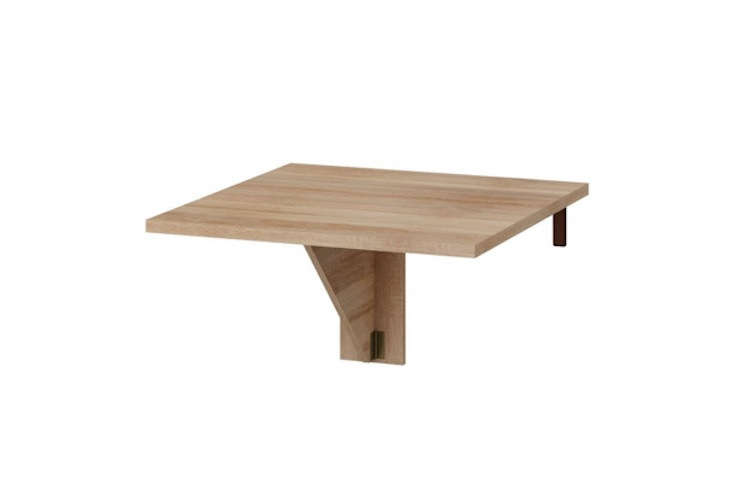
Unlike a traditional dining table that sits in the middle of the room like it pays rent, a wall-mounted drop-leaf table attaches directly to the wall. The tabletop folds up or down, depending on the design, and rests on brackets, hinges, or folding supports when open. When closed, it may look like a slim shelf, a floating cabinet, or simply a neat panel against the wall. In other words, it gives you a place for coffee, dinner, homework, laptop work, meal prep, and emergency pizza negotiations without permanently stealing your walkway.
For many modern homes, the dining area is no longer a formal room with a chandelier and a table big enough to host Thanksgiving for twelve. It is a corner, a wall, a hallway-adjacent kitchen, or that mysterious blank spot between the fridge and the recycling bin. A wall-mounted drop-leaf dining table turns that awkward space into something intentional, practical, and surprisingly stylish.
What Is a Wall-Mounted Drop-Leaf Dining Table?
A wall-mounted drop-leaf dining table is a folding table fixed to a wall rather than supported by four permanent legs. The “drop-leaf” part refers to a hinged tabletop section that can be raised for use and folded away afterward. Some models fold down from a wall cabinet. Others fold up flat against the wall. A few include storage shelves, hooks, magnetic closures, or support legs that swing into place when the tabletop opens.
The basic idea is simple: use vertical wall space to save floor space. When the table is open, it functions like a compact dining table, breakfast bar, desk, craft station, or food-prep surface. When closed, the room instantly feels larger. That is the kind of household magic everyone appreciates, especially if your kitchen is one chair away from becoming an obstacle course.
How It Differs From a Regular Drop-Leaf Table
A regular drop-leaf table usually stands on the floor and has one or two hinged sides that fold down. It still occupies floor space even when the leaves are closed. A wall-mounted drop-leaf table, however, keeps the floor mostly clear when folded. This makes it especially useful in narrow kitchens, studio apartments, RV-inspired spaces, guest rooms, and small dining corners where every inch matters.
Think of it this way: a regular drop-leaf table says, “I can get smaller.” A wall-mounted drop-leaf dining table says, “I can practically leave the room.” That difference is huge when you are trying to move from the sink to the stove without performing a sideways shuffle worthy of a spy movie laser scene.
Why Wall-Mounted Drop-Leaf Dining Tables Are So Popular
The popularity of wall-mounted drop-leaf dining tables comes from one very modern problem: homes need to do more with less space. A kitchen may also be a dining room. A dining room may also be a home office. A home office may also be where the cat holds daily management meetings. Furniture has to adapt.
A folding wall table gives homeowners and renters a practical way to create a dining zone without committing to a full-size table. This is especially valuable in cities where apartments can be compact and open floor plans often blur the line between cooking, eating, working, and relaxing.
It Saves Floor Space
The biggest benefit is obvious: space saving. When folded, many wall-mounted tables sit only a few inches from the wall. That means you can regain walking room, open cabinet doors more easily, or create a cleaner visual layout. In a small kitchen, even six inches can feel like a real estate miracle.
It Creates a Flexible Dining Area
Not everyone needs a dining table open all day. You may eat breakfast at 7 a.m., answer emails at 10 a.m., fold laundry at 2 p.m., and use the same surface for takeout at 7 p.m. A wall-mounted drop-leaf dining table supports that flexible rhythm. It appears for the task and folds away when the task is done.
It Works Beyond the Kitchen
Although the name says “dining table,” this furniture piece is not limited to meals. It can work as a compact writing desk, a kids’ homework station, a coffee bar, a craft table, a plant shelf, a laundry-folding surface, or a mini bar for entertaining. In a guest room, it can become a temporary desk. In a hallway, it can become a landing zone for mail and keys. In a tiny kitchen, it can become the difference between chopping vegetables comfortably and balancing a cutting board over the sink like a contestant on a cooking show nobody asked for.
Best Places to Use a Wall-Mounted Drop-Leaf Dining Table
Small Kitchens
Small kitchens are the natural habitat of wall-mounted drop-leaf tables. Mount one near a window, along an empty wall, or opposite the counter, and you instantly create a breakfast nook. Pair it with folding chairs, stackable stools, or a slim bench that can tuck underneath. The result is a dining area that does not block traffic or make cabinet access feel like a puzzle.
Studio Apartments
In a studio, one room must handle everything: sleeping, eating, working, relaxing, and occasionally pretending the laundry pile is “textile storage.” A wall-mounted folding dining table helps separate functions without adding bulky furniture. When open, it defines a dining or work area. When closed, the space returns to feeling open and uncluttered.
Breakfast Nooks and Empty Corners
Some homes have small corners that are too narrow for a traditional table but too useful to ignore. A wall-mounted drop-leaf dining table can turn these spaces into charming mini dining spots. Add a small pendant light, two compact chairs, and a washable rug, and the corner suddenly looks designed instead of forgotten.
Multipurpose Rooms
If your guest room doubles as an office, craft room, or exercise space, a folding wall table is a smart solution. It gives you a work surface when needed and disappears when guests arrive or when you need room to move. Nobody wants to do yoga around a permanent dining table unless the pose is called “Avoid the Corner.”
Choosing the Right Size
Before buying a wall-mounted drop-leaf dining table, measure your wall, floor clearance, chair space, and walking path. Standard dining table height is typically around 28 to 30 inches from the floor to the tabletop. Counter-height designs are usually closer to 36 inches and pair better with stools. For dining comfort, each seated person generally needs about 24 inches of width and enough depth for a plate, glass, and elbows that behave themselves.
For one person, a compact tabletop around 24 inches wide can work well. For two people, look for something closer to 30 to 36 inches wide if your wall allows it. For three people, a wider or deeper model may work, but comfort depends heavily on the table shape, chair size, and support design. A wall-mounted table that measures around 31 inches by 24 inches, for example, can often serve two people comfortably and may squeeze in a third for casual meals.
Measure the Folded Depth
Do not only measure the open tabletop. Measure how far it projects when folded. Some models fold nearly flat, while others include a storage cabinet or shelf that extends several inches from the wall. That extra depth may be helpful if you want storage, but it matters in a tight hallway or narrow kitchen.
Check Chair Clearance
A wall-mounted dining table saves space, but chairs still need somewhere to go. Folding chairs, stackable stools, and backless stools are often the best companions. If the table is near a doorway, appliance, or cabinet, open everything first and measure the real clearance. The tape measure is less forgiving than your imagination, but it is cheaper than returning furniture.
Materials and Finishes to Consider
Wall-mounted drop-leaf dining tables come in engineered wood, solid wood, metal, bamboo, laminate, melamine, and mixed-material designs. Each material has advantages depending on budget, style, and use.
Engineered Wood and MDF
Engineered wood and MDF are common in affordable folding wall tables. They are usually smooth, lightweight compared with solid hardwood, and available in finishes such as white, black, walnut, oak, and gray. For everyday meals and laptop use, these materials can be practical. Look for a durable surface that wipes clean easily, especially if the table will live in a kitchen.
Solid Wood
Solid wood offers warmth, character, and long-term appeal. It may cost more and weigh more, which makes installation more important. A solid wood wall-mounted drop-leaf table can look beautiful in farmhouse, Scandinavian, mid-century, cottage, or modern organic interiors. If you want the table to feel like real furniture rather than a temporary fix, wood is a strong choice.
Metal Brackets and Hardware
The tabletop gets the attention, but the hardware does the heavy lifting. Sturdy metal brackets, hinges, and support arms are essential. A table may look adorable online, but if the support system feels flimsy, your soup will sense weakness. Always check the weight capacity, mounting instructions, and customer feedback about stability.
Installation: The Part You Should Not Wing
Installing a wall-mounted drop-leaf dining table is not complicated, but it does need to be done carefully. This is not the moment to say, “Drywall seems strong enough.” Drywall is wonderful for separating rooms and holding paint. It is not wonderful as the only support for a table that may hold plates, laptops, elbows, and someone leaning in to make a dramatic dinner point.
For heavier use, mount the table into wall studs whenever possible. Use a stud finder, mark the stud centers, check the height, level the mounting rail or brackets, and drill pilot holes before driving screws. If studs are not available in the ideal position, use heavy-duty anchors rated for the table and intended load, but follow the product manual closely. For masonry, brick, tile, or plaster walls, use hardware designed for that specific wall type.
Basic Tools You May Need
Most installations require a tape measure, pencil, level, stud finder, drill, drill bits, screwdriver, wall anchors, and mounting screws. Some tables include hardware, but included hardware is not always right for every wall. If your wall is older, uneven, tiled, or made of masonry, you may need different fasteners.
Choose the Right Height
Mounting height affects comfort. For a standard dining table feel, place the tabletop around 28 to 30 inches high. For a breakfast bar feel, mount it closer to counter height and pair it with stools. Before drilling, sit in the chair or stool you plan to use and test the height with a temporary board or cardboard mockup. It may look silly, but it is better than eating dinner at a table that feels like a piano bench audition.
Design Ideas for a Stylish Setup
A wall-mounted drop-leaf dining table can be practical and attractive at the same time. The key is to style it like a deliberate feature, not a compromise. Small furniture works best when it looks intentional.
Create a Mini Café Corner
Mount the table under a window or near a bright wall. Add two simple stools, a small framed print, and a wall sconce or pendant light. Use a washable runner or small rug if the area needs definition. Suddenly, your breakfast corner feels like a café, except the coffee refills are free and the barista is you.
Use It as a Floating Shelf When Closed
Some wall-mounted drop-leaf tables leave a narrow shelf exposed when folded. Use that shelf for a small plant, salt and pepper, a candle, or a decorative bowl. Keep it minimal so opening the table does not require clearing a museum exhibit every time you want toast.
Pair It With Smart Seating
Folding chairs can hang on wall hooks. Stools can tuck beneath the table. A narrow bench can slide against the wall. Clear acrylic chairs visually disappear in small rooms, while wood stools add warmth. Choose seating that supports the table’s space-saving mission instead of undoing it.
Pros and Cons of a Wall-Mounted Drop-Leaf Dining Table
Pros
The biggest advantage is flexibility. A wall-mounted drop-leaf dining table gives you a usable surface without permanently occupying the room. It is ideal for small apartments, compact kitchens, rental-friendly layouts when properly installed, and multipurpose homes. It can also be more affordable than built-in cabinetry or custom banquettes.
Another benefit is visual simplicity. When folded, the table can make a room feel cleaner and more open. It also encourages intentional living. You use the surface, clear it, and fold it away. For people who struggle with clutter, this can be surprisingly helpful. The table gently says, “Please do not leave seven mugs here forever.”
Cons
The main drawback is limited seating. Most wall-mounted drop-leaf tables work best for one or two people, with some larger models handling three. They are not ideal for large dinner parties unless your hosting style is “everyone rotate through in shifts.”
Installation is another consideration. Because the table attaches to the wall, renters may need permission before mounting. The wall must be strong enough, and the hardware must be appropriate. Also, some designs have support brackets or legs that may reduce knee space. Always check photos, measurements, and reviews before buying.
Buying Tips Before You Click “Add to Cart”
First, decide how you will use the table most often. Daily dining requires a sturdier and more comfortable setup than occasional laptop use. If you plan to eat meals there every day, prioritize stability, easy cleaning, and legroom. If the table will mostly serve as a coffee perch or work surface, a smaller model may be enough.
Second, check the open dimensions, folded dimensions, weight capacity, and mounting requirements. Product photos can be charming little liars when scale is unclear. Read the measurements carefully and compare them with your actual wall. Painter’s tape is helpful: outline the table on the wall and floor before buying. This simple trick shows whether the open table will block drawers, appliances, doors, or traffic.
Third, match the finish to your home. White finishes feel light and modern. Wood tones add warmth. Black can look sleek and contemporary. A wall-mounted drop-leaf dining table is compact, but it still becomes part of the room’s design, so choose one that complements your cabinets, flooring, and chairs.
Care and Maintenance
Maintenance is usually simple. Wipe the tabletop with a damp cloth and mild cleaner. Dry it afterward to prevent moisture damage, especially on wood or engineered wood surfaces. Avoid harsh cleaners unless the manufacturer says they are safe. Check hinges, screws, and brackets occasionally to make sure everything remains tight.
Do not overload the table. Weight capacity is not a personal challenge. If the manufacturer says the table supports a specific amount, respect that limit. Avoid standing on it, sitting on it, or using it as a stage for your pet’s theatrical career. A wall-mounted table is strong when properly installed, but it is still a table, not a drawbridge.
Real-Life Experience: Living With a Wall-Mounted Drop-Leaf Dining Table
The first thing you notice after installing a wall-mounted drop-leaf dining table is how quickly the room changes. Open, it feels like a real dining area. Closed, it feels like the room just exhaled. That daily transformation is the main reason people love these tables. You are not simply buying furniture; you are buying the ability to decide what the room needs to be at different times of day.
In a small kitchen, the table often becomes the most-used surface in the home. Morning coffee lands there. A laptop appears after breakfast. Groceries pause there while the fridge is reorganized. At night, it becomes a dinner spot for one or two people. The table may be small, but it creates a routine. Open the table, sit down, eat like a civilized person, and stop balancing a bowl over the sink like a raccoon with a mortgage.
One practical lesson is that the best setup depends heavily on seating. A wall-mounted drop-leaf table paired with bulky chairs can feel awkward. Folding chairs or slim stools make the whole system work better. If the chairs can hang nearby or slide fully out of the way, the room stays flexible. If they sit in the middle of the floor all day, the space-saving table is doing all the work while the chairs freeload.
Another experience worth noting is that the tabletop becomes easier to keep clean because folding it away requires clearing it. This is a sneaky advantage. Traditional tables often collect mail, keys, chargers, receipts, and mystery objects that nobody admits owning. A fold-down table politely prevents that pile from becoming permanent. You cannot close the table until you clear it, which turns tidying into a built-in habit.
Installation quality also affects everyday confidence. When the table is mounted into studs, level, and supported by strong brackets, it feels reliable. You can set down plates, type on a laptop, or lean lightly while chatting without worrying. When installation is rushed or hardware is weak, the table may wobble, sag, or make every bowl of soup feel like a suspense film. Taking extra time during installation pays off every single day.
For renters, the experience is slightly different. A wall-mounted table can still be a fantastic solution, but it is important to think ahead. Ask permission if required, choose a location carefully, and understand that patching holes may be part of move-out. Some renters decide the convenience is absolutely worth it. Others choose a freestanding drop-leaf table instead. The right answer depends on the lease, the wall, and how badly you want your floor space back.
Style also matters more than expected. Because the table folds against the wall, it becomes part of the wall design. A plain white table can blend in beautifully with white walls. A wood table can warm up a kitchen that feels too sterile. A black or walnut finish can make the setup feel intentional and modern. Add a small piece of art above it, a nearby hook for chairs, or a slim shelf for dishes, and the whole area begins to look custom.
The biggest surprise is how emotionally satisfying it feels to reclaim space. Small homes can make people feel as if they are constantly negotiating with their belongings. A wall-mounted drop-leaf dining table changes that relationship. It says the room can be useful without being crowded. It gives you a place to sit, eat, work, and breathe. And when you are done, it folds away quietly, like a well-trained butler made of hinges.
Conclusion
A wall-mounted drop-leaf dining table is one of the smartest furniture choices for small-space living. It combines dining function, work-surface convenience, and floor-saving design in one compact package. Whether you live in a studio apartment, a narrow kitchen, a tiny home, or a multipurpose space, this table can help you make better use of every inch.
The best model for your home depends on size, mounting style, material, seating needs, and installation requirements. Measure carefully, choose sturdy hardware, mount into studs whenever possible, and pair the table with compact seating. When planned well, a wall-mounted drop-leaf dining table does not feel like a compromise. It feels like your home finally learned a new trick.