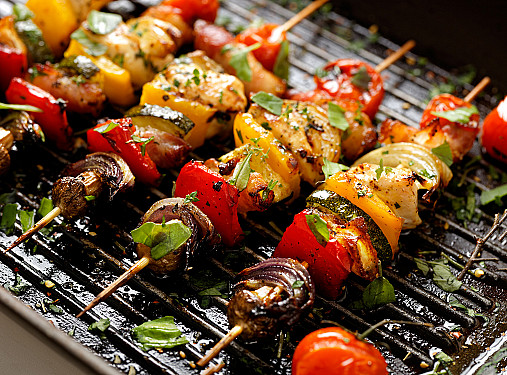

Plant-based eating sounds like something that requires a linen apron, a farmer’s market tote, and the emotional strength to say goodbye to bacon forever. Good news: it does not. A plant-based diet simply means building most of your meals around foods that come from plantsvegetables, fruits, whole grains, beans, lentils, peas, nuts, seeds, and plant oilswhile reducing, limiting, or sometimes eliminating animal products depending on your personal style.
The best part? You do not have to become a full-time vegan, tattoo a carrot on your forearm, or start calling cauliflower “steak” with a straight face. A plant-based diet is flexible. Some people eat completely vegan. Some eat vegetarian. Others follow a Mediterranean-style or flexitarian pattern where plants take the lead and meat becomes more of a side character. Think of it as shifting the spotlight: broccoli gets top billing, chicken gets a supporting role, and ultra-processed snack foods are politely escorted out of the dressing room.
What Is a Plant-Based Diet?
A plant-based diet is an eating pattern that focuses primarily on plant foods. That includes colorful vegetables, fresh or frozen fruit, beans, lentils, chickpeas, tofu, tempeh, oats, brown rice, quinoa, whole-grain bread, nuts, seeds, and healthy plant-based fats such as olive oil or avocado. The word “primarily” matters because plant-based does not always mean plant-only.
Harvard Health describes plant-forward eating as choosing proportionately more foods from plant sources. In plain English: fill more of your plate with plants more often. A black bean bowl with roasted peppers, brown rice, salsa, avocado, and a sprinkle of cheese can be plant-based. So can lentil soup, peanut butter oatmeal, vegetable stir-fry with tofu, or whole-grain pasta with tomato sauce and mushrooms.
Plant-Based vs. Vegan vs. Vegetarian
These terms often get tossed around like salad ingredients, so let’s sort them out.
Vegan means avoiding all animal products, including meat, poultry, seafood, dairy, eggs, and often honey. Vegetarian usually means avoiding meat, poultry, and seafood, while sometimes including eggs and dairy. Plant-based is broader. It may be vegan, vegetarian, pescatarian, Mediterranean, or flexitarian. The main idea is that plant foods are the foundation.
This flexibility is one reason the plant-based diet has become so popular. It is not a single rulebook. It is more like a smart kitchen strategy: eat more foods that are naturally rich in fiber, vitamins, minerals, antioxidants, and phytonutrients, while eating fewer foods high in saturated fat, added sugar, and excess sodium.
Why Should You Try a Plant-Based Diet?
The biggest reason to try a plant-based diet is simple: it can help support long-term health without requiring complicated math, strange powders, or meals that taste like damp cardboard. When done well, plant-based eating is colorful, satisfying, affordable, and surprisingly easy to fit into normal life.
1. It Supports Heart Health
Heart health is one of the strongest reasons people move toward plant-based eating. Diets rich in vegetables, fruits, whole grains, beans, nuts, and seeds tend to provide more fiber and less saturated fat than typical meat-heavy eating patterns. Fiber can help support healthy cholesterol levels, while replacing processed meats and high-fat animal foods with plant proteins may benefit blood pressure, cholesterol, and overall cardiovascular health.
The American Heart Association encourages plant-forward eating patterns because eating fewer animal products and more plant foods is linked with lower risk factors for heart disease, high cholesterol, high blood pressure, obesity, stroke, and type 2 diabetes. Translation: your arteries are not asking for a standing ovation, but they may appreciate the upgrade.
2. It Can Help With Weight Management
A plant-based diet is not automatically a weight-loss diet. After all, French fries and soda are technically plant-derived, but nobody is calling that a wellness retreat. The quality of the plant foods matters. Whole plant foodslike beans, vegetables, fruits, and whole grainsare often high in fiber and water, which can help you feel full with fewer calories.
For example, a bowl of lentil chili with tomatoes, peppers, onions, and brown rice is hearty and filling. Compare that with a fast-food meal that disappears in five minutes and somehow leaves you hungry again before the next episode starts. Plant-based meals often provide more volume, texture, and slow-digesting carbohydrates, making them useful for people who want steady energy and better appetite control.
3. It May Lower Risk of Type 2 Diabetes
Plant-based eating patterns can also support blood sugar health, especially when they emphasize whole grains, legumes, non-starchy vegetables, nuts, seeds, and minimally processed foods. Beans and lentils are especially helpful because they contain fiber, protein, and complex carbohydrates that digest more slowly than refined grains or sugary snacks.
The American Diabetes Association includes plant-based sources of protein such as beans, hummus, lentils, and other legumes as useful options in healthy meal planning. The key is balance: pair high-fiber carbohydrates with protein and healthy fat, choose less processed foods, and avoid turning “plant-based” into “cookie-based with oat milk.”
4. It Feeds Your Gut Microbiome
Your gut microbiome is the community of bacteria and other microbes living in your digestive tract. Imagine a tiny city inside you, except instead of traffic lights and coffee shops, it runs on fiber. Plant foods provide different types of fiber and resistant starch that beneficial gut bacteria can use.
A diverse plant-based diet can help increase the variety of fibers and phytonutrients you consume. Beans, onions, oats, berries, apples, asparagus, leafy greens, and whole grains all bring different nutrients to the table. The gut generally likes variety. Eating the same beige meal every day is not exactly a festival for your microbes.
What Foods Do You Eat on a Plant-Based Diet?
A healthy plant-based diet is not just “remove meat and hope for the best.” It is about building meals with enough protein, fiber, healthy fats, and micronutrients to keep you satisfied and nourished.
Core Plant-Based Foods
- Vegetables: leafy greens, carrots, broccoli, cauliflower, peppers, tomatoes, mushrooms, squash, sweet potatoes, and onions.
- Fruits: berries, apples, oranges, bananas, mangoes, grapes, peaches, pears, and melons.
- Whole grains: oats, brown rice, quinoa, barley, farro, whole-wheat pasta, corn, and whole-grain bread.
- Legumes: lentils, black beans, kidney beans, chickpeas, split peas, edamame, and soybeans.
- Nuts and seeds: almonds, walnuts, peanuts, cashews, chia seeds, flaxseeds, hemp seeds, pumpkin seeds, and sunflower seeds.
- Plant proteins: tofu, tempeh, soy milk, seitan, bean burgers, and lentil-based dishes.
- Healthy fats: olive oil, avocado, tahini, nut butters, and seeds.
Foods to Limit
Plant-based does not mean every plant-derived product deserves a halo. Try to limit refined grains, sugary drinks, candy, heavily processed snack foods, and meat substitutes high in sodium or saturated fat. A frozen vegan pizza may be convenient, and yes, it may rescue a Tuesday night, but it should not become the entire personality of your diet.
Can You Get Enough Protein on a Plant-Based Diet?
Yes, you can get enough protein on a plant-based diet, but you need to be intentional. Protein is found in beans, lentils, peas, tofu, tempeh, edamame, soy milk, nuts, seeds, whole grains, and some vegetables. The USDA’s MyPlate guidance includes beans, peas, lentils, nuts, seeds, and soy products as protein foods, which is a helpful reminder that protein does not only come from a grill.
A simple plant-based protein plate might include quinoa, roasted vegetables, chickpeas, tahini sauce, and pumpkin seeds. Another easy option is tofu stir-fry with brown rice and broccoli. For breakfast, oatmeal with peanut butter, chia seeds, and soy milk can provide protein along with fiber and healthy fat.
Do You Need to Combine Proteins at Every Meal?
You may have heard that plant proteins must be combined perfectly at each meal to make a “complete protein.” That idea is outdated. Your body can use amino acids from different foods eaten throughout the day. Eating a variety of plant proteins is the practical goal. Beans and rice, hummus and whole-grain pita, tofu and noodles, peanut butter and whole-grain toastthese classic pairings work because they are simple, affordable, and tasty.
Nutrients to Watch on a Plant-Based Diet
A plant-based diet can be nutritionally complete, but like any eating pattern, it needs planning. A diet made of kale, good intentions, and three lonely almonds will not cut it.
Vitamin B12
Vitamin B12 is especially important for people who eat little or no animal products. It supports nerve function and healthy blood cells. Because B12 is naturally found mainly in animal foods, people following a vegan diet usually need fortified foods or a supplement. Fortified plant milks, fortified breakfast cereals, and nutritional yeast can help, but labels matter because not all products contain B12.
Iron
Plant foods such as lentils, beans, tofu, spinach, pumpkin seeds, and fortified cereals contain non-heme iron. Your body absorbs this form less efficiently than iron from meat, but pairing it with vitamin C can help. Try lentil soup with tomatoes, spinach salad with citrus, or black beans with bell peppers.
Calcium and Vitamin D
If you avoid dairy, calcium deserves attention. Calcium-set tofu, fortified soy milk, fortified almond milk, kale, bok choy, and some beans can contribute. Vitamin D can be harder to get from food alone, so fortified foods, sunlight exposure, and supplements may be part of the conversation with a healthcare professional.
Omega-3 Fatty Acids
Plant-based omega-3 sources include flaxseeds, chia seeds, walnuts, hemp seeds, canola oil, and soy foods. These provide ALA, a plant form of omega-3 fat. People who avoid fish may also consider algae-based DHA or EPA supplements after checking with a clinician, especially during pregnancy, breastfeeding, or when managing a medical condition.
How to Start a Plant-Based Diet Without Panicking
The easiest way to begin is not to overhaul your entire kitchen overnight. That approach usually ends with a fridge full of mysterious greens and one person whispering, “What even is kohlrabi?” Start small.
Step 1: Add Before You Subtract
Instead of focusing on what you are removing, add more plant foods to meals you already enjoy. Put berries and walnuts on oatmeal. Add spinach and mushrooms to pasta. Toss chickpeas into salads. Add beans to tacos. This approach feels less like punishment and more like upgrading your plate.
Step 2: Try One Plant-Based Meal Per Day
Breakfast is often the easiest place to start. Oatmeal with fruit, peanut butter toast, tofu scramble, chia pudding, or a smoothie with soy milk can all be plant-forward. Once breakfast feels normal, try plant-based lunches or dinners a few times per week.
Step 3: Use Familiar Flavors
You do not have to abandon your favorite cuisines. Make bean burritos, vegetable curry, lentil Bolognese, chickpea salad sandwiches, peanut noodles, veggie chili, or mushroom tacos. Flavor comes from herbs, spices, sauces, acidity, texture, and cooking techniquenot just meat.
Step 4: Keep Convenience Foods Smart
Convenience matters because real life includes homework, work, traffic, laundry, and that mysterious moment when everyone in the house becomes hungry at once. Keep canned beans, frozen vegetables, microwave brown rice, whole-grain pasta, marinara sauce, hummus, nut butter, and frozen fruit on hand. A plant-based diet is much easier when your pantry is working with you, not against you.
Plant-Based Meal Ideas for Real Life
Here are practical meals that do not require a culinary degree or a dramatic soundtrack.
Breakfast Ideas
- Oatmeal with banana, cinnamon, walnuts, and chia seeds.
- Whole-grain toast with avocado, tomato, and hemp seeds.
- Smoothie with berries, spinach, soy milk, and peanut butter.
- Tofu scramble with peppers, onions, turmeric, and whole-grain toast.
Lunch Ideas
- Chickpea salad wrap with lettuce, cucumber, and mustard dressing.
- Lentil soup with whole-grain bread and a side salad.
- Brown rice bowl with black beans, salsa, corn, avocado, and roasted vegetables.
- Hummus plate with pita, carrots, cucumbers, olives, and fruit.
Dinner Ideas
- Vegetable stir-fry with tofu and brown rice.
- Whole-wheat pasta with tomato sauce, mushrooms, spinach, and white beans.
- Sweet potato stuffed with black beans, salsa, and guacamole.
- Bean chili with peppers, onions, tomatoes, and corn.
Common Mistakes to Avoid
Mistake 1: Eating Too Little
Plant foods can be lower in calories than animal-based foods, especially if you suddenly switch to mostly vegetables. If you feel tired or hungry, you may need more calories from beans, grains, nuts, seeds, avocados, tofu, or starchy vegetables.
Mistake 2: Forgetting Protein
A salad with lettuce, cucumber, and hope is not a complete lunch. Add beans, lentils, tofu, tempeh, edamame, nuts, seeds, or whole grains to make meals more satisfying.
Mistake 3: Relying on Ultra-Processed Plant Foods
Plant-based burgers, nuggets, cheeses, and desserts can be useful sometimes, but they are not automatically health foods. Read labels and aim for whole or minimally processed foods most of the time.
Mistake 4: Ignoring B12
If you eat vegan or nearly vegan, vitamin B12 is not optional. Use reliable fortified foods or talk with a healthcare professional about supplementation. Your nerves are not interested in guesswork.
Personal Experience: What Trying a Plant-Based Diet Can Feel Like
The first week of plant-based eating often feels like moving into a new neighborhood. Everything is familiar, but the streets connect differently. Breakfast may be easy: oatmeal, fruit, toast, peanut butter, smoothies. Then lunch arrives, and suddenly you are staring into the refrigerator like it owes you money. This is normal. Most people are not struggling because plant-based eating is impossible; they are struggling because their old meal habits were built around meat as the automatic center.
A helpful experience is to choose three “anchor meals” before starting. For example, a bean burrito bowl, lentil pasta, and tofu stir-fry. Once those meals become familiar, the diet feels less like a challenge and more like a rotation. You learn that canned chickpeas are basically edible insurance. You discover that roasted sweet potatoes can rescue nearly any bowl. You realize that tahini sauce makes vegetables behave like they got dressed up for dinner.
Another common surprise is how satisfying beans and lentils can be. Many beginners worry they will feel hungry all day, but a well-built plant-based meal can be extremely filling. Lentil chili with brown rice, avocado, and a crunchy cabbage topping can keep you full for hours. The trick is not to eat only vegetables. Vegetables are wonderful, but they need teammates: protein, fat, and whole-food carbohydrates.
Social situations may be the trickiest part. At restaurants, it helps to scan menus for flexible dishes: tacos, pasta, grain bowls, salads with beans, vegetable sushi, Thai curry, Mediterranean plates, or veggie pizza. You do not need to announce your diet like a royal decree. You can simply order what works. At family meals, bringing one plant-based dish to share can prevent the classic “So what do you eat, air?” conversation.
Cravings may also show up, especially if you try to change too much too fast. Instead of fighting them dramatically, build better versions of familiar meals. Want something creamy? Try hummus, avocado sauce, cashew cream, or blended white beans. Want something savory and hearty? Use mushrooms, lentils, soy sauce, smoked paprika, miso, or roasted onions. Flavor is your best friend. A bland plant-based diet is not a moral achievement; it is just dinner that gave up.
After a few weeks, many people notice practical benefits: more confidence cooking, more variety on the plate, better grocery planning, and less dependence on expensive takeout. Some feel lighter after meals because they are eating more fiber-rich foods and fewer greasy options. Others simply enjoy the creativity. The most sustainable version is the one you can repeat without feeling punished. Plant-based eating should feel like adding color, flavor, and possibilitynot like joining a secret society where joy goes to compost.
Final Thoughts: Is a Plant-Based Diet Worth Trying?
A plant-based diet is worth trying because it is flexible, health-supportive, and practical. You can start with one meal, one swap, or one meatless day per week. You can go fully vegan, mostly vegetarian, Mediterranean, flexitarian, or simply “more beans, fewer burgers.” The goal is not perfection. The goal is progress you can enjoy.
When built around whole and minimally processed foods, plant-based eating can support heart health, healthy weight management, blood sugar balance, gut health, and overall wellness. It also encourages you to eat more foods that most people need anyway: vegetables, fruits, legumes, whole grains, nuts, and seeds. In other words, your doctor, your grocery budget, and your future self may all quietly approve.
Start where you are. Add lentils to soup. Make tacos with black beans. Try tofu in a stir-fry. Put walnuts on oatmeal. Choose one meal this week and make it plant-forward. No dramatic farewell to your old diet required. Just a fork, a little curiosity, and maybe a backup can of chickpeas.
SEO Tags