
Some skin problems announce themselves like a marching band. Toasted skin syndrome is sneakier. It tends to creep in quietly, often after weeks or months of cozy routines: a heating pad on your back every night, a laptop resting on your thighs, a heated blanket wrapped around your legs, or a car seat warmer working overtime in January. One day you look down and notice a strange netlike patch of red-brown skin that seems to have appeared out of nowhere. Surprise: your favorite source of warmth may have been slow-roasting your skin.
Toasted skin syndrome is the everyday name for erythema ab igne, a skin condition caused by repeated exposure to low levels of heat or infrared radiation. The heat is not intense enough to create a classic burn, but it is warm enough to damage the skin gradually over time. That slow, repeated exposure changes tiny blood vessels and pigment in the skin, creating a mottled or fishnet-like rash. In many cases, it improves once the heat source is removed. But if exposure continues, the discoloration can linger for months, sometimes even longer.
This is one of those conditions that sounds dramatic but often starts off looking harmless. The good news is that toasted skin syndrome is usually preventable and often reversible when caught early. The less-fun news is that your heating habits may need an intervention. Your skin did not sign up to be a panini press.
What exactly is toasted skin syndrome?
Toasted skin syndrome is a heat-related skin reaction triggered by repeated, direct contact with warmth that stays below the level that would cause a thermal burn. Doctors call it erythema ab igne, a Latin phrase that roughly means “redness from fire.” Historically, people developed it from sitting too close to stoves, fireplaces, or open fires. Today, modern life has updated the cast of characters. Common culprits include:
- Heating pads
- Heated blankets
- Hot water bottles
- Space heaters
- Laptops placed directly on bare skin
- Heated car seats
- Portable warming devices used for chronic pain
The condition often shows up in the exact spot where the heat source rests. That location clue matters. If the rash is on your thighs, think laptop or heated blanket. If it is on your lower back or abdomen, think heating pad or hot water bottle. If it is on the backs of your legs, a heated seat may be the sneaky villain.
What does toasted skin syndrome look like?
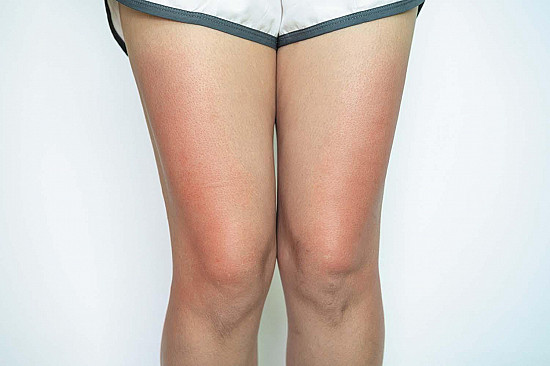
The classic look is a reticulated pattern, meaning the rash appears netlike, lacy, or mottled. Early on, the skin may look pink or red and fade a little when pressure is applied. Over time, it can become darker, browner, or grayish and may stop fading when pressed. Some people also notice mild itching, burning, or stinging, although many cases are surprisingly painless.
Common signs and symptoms
- A fishnet, lace-like, or patchy pattern on the skin
- Red, brown, or gray discoloration
- Mild itchiness or burning
- Skin that looks darker in one repeated contact area
- Occasional thinning, roughness, or scaling in chronic cases
Because the heat damage happens slowly, many people do not connect the rash to the source right away. They may assume it is dry skin, a circulation problem, bruising, or some mysterious rash that arrived to ruin their week. The pattern and the location usually provide the biggest clues.
Why does it happen?
Your skin is pretty resilient, but it is not thrilled about being gently baked night after night. Repeated low-grade heat can injure superficial blood vessels and alter pigment-producing cells in the skin. Over time, this leads to visible discoloration and the distinctive netlike appearance.
The temperature involved is typically below the threshold for a true burn, which is why people often keep using the heat source without realizing there is a problem. It feels warm and soothing, not dangerous. That false sense of safety is part of what makes toasted skin syndrome so common among people using heat to manage chronic pain, stay warm in cold weather, or work for long stretches with devices on their bodies.
Who is more likely to get it?
Anyone can develop toasted skin syndrome, but a few situations make it more likely:
- Using heating pads or hot water bottles for back, neck, abdominal, or joint pain
- Resting a laptop directly on the thighs or abdomen
- Using heated blankets nightly through cold weather
- Relying on seat warmers during long commutes
- Having chronic pain conditions that encourage frequent heat use
- Having reduced sensation from neuropathy or other conditions, which may make excess heat harder to detect
Is toasted skin syndrome dangerous?
Usually, no. In its early stages, toasted skin syndrome is generally considered a benign skin condition. Remove the heat source, and the rash often fades gradually. That said, “usually harmless” is not the same as “always ignore it.” Chronic exposure can lead to longer-lasting hyperpigmentation, skin thinning, and textural changes. Rarely, long-standing cases have been associated with precancerous or cancerous skin changes.
That does not mean every heating-pad rash is heading toward disaster. It means persistent or unusual skin changes deserve attention, especially if the area becomes thickened, scaly, blistered, sore, ulcerated, or fails to improve after the heat source is removed. In other words, if your skin keeps looking toasted long after the toaster is unplugged, get it checked.
How is it diagnosed?
Most of the time, diagnosis is clinical. A doctor or dermatologist looks at the rash, asks where it is located, and then asks the key question: “Have you been using any kind of heat here?” Once the history and the skin pattern line up, the diagnosis is often straightforward.
Testing usually is not necessary for classic cases. But if the rash looks unusual, does not improve, or shows worrisome features such as thickening or sores, a skin biopsy may be recommended. This helps rule out other conditions and check for abnormal cell changes.
Conditions that can look similar
Because toasted skin syndrome can create a netlike pattern, it may be confused with other skin or circulation issues, including:
- Livedo reticularis
- Vasculitis
- Contact dermatitis
- Post-inflammatory hyperpigmentation
- Other pigment disorders or rashes
This is one reason the heat history matters so much. A rash on the exact outline of a heating pad is a pretty loud clue.
How do you treat toasted skin syndrome?
The first and most important treatment is gloriously simple: stop exposing the skin to the heat source. No cream can outperform “quit cooking the same patch of skin every evening.” Once the heat is removed, early cases often improve on their own over weeks to months. In some cases, the discoloration can take much longer to fade, especially if the condition has been present for a while.
What helps
- Stop direct heat exposure to the affected area
- Use a barrier, such as clothing or a lap desk, if heat cannot be fully avoided
- Lower the temperature setting on heated devices
- Limit the amount of time the heat source touches the skin
- See a clinician if the skin remains dark, rough, thickened, or irritated
For persistent discoloration, a dermatologist may suggest treatments such as topical retinoids, lightening agents, or certain laser treatments. These are not first-line for everyone, but they may help selected patients with lingering pigmentation or textural changes.
When should you see a doctor?
You do not need to panic over every odd patch of skin, but you should make an appointment if any of the following apply:
- The rash does not improve after you stop the heat exposure
- The area becomes painful, blistered, scaly, or ulcerated
- The skin feels thickened or rough
- You are not sure the rash is actually heat-related
- You rely on heat regularly for pain control and need safer alternatives
It is also worth talking to a doctor if you keep using heat because of chronic pain, abdominal discomfort, menstrual pain, or feeling cold all the time. Sometimes toasted skin syndrome is a clue that an underlying problem needs better treatment, not just a hotter heating pad.
How to prevent toasted skin syndrome
Prevention is refreshingly boring, which is usually a sign that it works. The goal is to keep heat helpful without letting it become a low-key skin saboteur.
Smart prevention tips
- Do not place laptops directly on bare skin
- Avoid falling asleep on heating pads or hot water bottles
- Use heated blankets on the lowest effective setting
- Take breaks from seat warmers and other warming devices
- Put a layer of clothing or fabric between your skin and the heat source
- Follow product safety instructions and time limits
- Check your skin regularly if you use heat for chronic pain relief
If you have reduced sensation in your legs, back, or other areas, be extra cautious. You may not notice that the device is warmer than it should be, which increases the risk of both toasted skin syndrome and more serious heat injury.
Can toasted skin syndrome go away completely?
Often, yes, especially when it is caught early and the heat source is removed promptly. Mild redness may fade within weeks, while darker pigmentation can take months or even longer to improve. Some people are left with residual discoloration, particularly after prolonged exposure. The longer the skin is subjected to repeated heat, the more likely it is that the color change will stick around.
That is why early recognition matters. The sooner you connect the dots between your rash and your favorite warming gadget, the better the odds that your skin will bounce back.
Real-life experiences with toasted skin syndrome
The experience of toasted skin syndrome is often less dramatic than a burn and more confusing than a typical rash. Many people describe finding it by accident. A woman using a heating pad for chronic low back pain may notice a lacy brown patch after a shower and assume she has somehow bruised herself. A college student working for hours with a laptop balanced on bare thighs may spot a weird web-patterned stain and blame bad lighting, poor circulation, or a detergent problem before realizing the computer is the culprit. A commuter with a beloved seat warmer may not make the connection until one leg looks slightly more “patterned” than the other.
One of the most common experiences is simple disbelief. Because the heat never felt intense enough to burn, people are genuinely surprised that it could leave a mark. The warming device often feels comforting, useful, and harmless. In fact, many people start using it for a perfectly reasonable purpose: easing cramps, soothing arthritis, helping muscle tension, or staying warm in an overenthusiastic office air-conditioning system. The problem is not one single hot moment. It is the steady, repeated contact, day after day, that creates trouble.
Another common thread is that toasted skin syndrome tends to appear in the middle of a larger story. Someone may be using a hot water bottle every evening because of persistent abdominal pain. Another person may sleep with a heated blanket wrapped around the same part of the legs because they are always cold. In these situations, the skin change becomes a clue. It does not just tell you that the heat source is too close for too long. It can also hint that the reason you need the heat so often deserves a closer look.
There are also emotional experiences tied to the condition. Some people feel embarrassed because the discoloration looks unusual and they worry others will think it is contagious, a hygiene issue, or a sign of something serious. Others feel annoyed that the one thing that helped their pain now comes with a side effect. And some people are frustrated when the mark lingers for months after they stop the heat. The area may be completely harmless, but it can still feel like an unwelcome souvenir from a heating pad romance that lasted too long.
In younger people, laptop-related cases can be especially eye-opening. A teenager or remote worker may use a laptop on the lap for hours, every day, without realizing that the warmth from the battery or vent is creating a patterned rash. Because the mark often develops gradually and may be asymmetrical, it can be mistaken for everything from a circulation issue to a random patch of pigmentation. Once the laptop is moved to a desk or a lap tray, the mystery usually becomes much less mysterious.
People with chronic pain often describe the hardest part as giving up the heat source. For them, the device is not just a comfort item. It is part of a routine that helps them function. That is why the most useful takeaway is not simply “stop using heat.” It is “find a safer way to use it, and talk to a clinician if pain keeps driving the habit.” Sometimes shorter sessions, lower settings, fabric barriers, or a different pain strategy can help protect the skin without sacrificing relief.
What these experiences share is a pattern: the skin is usually trying to send a very practical message. It is not being dramatic. It is saying, in the most netlike way possible, “Please stop warming this exact spot like it is leftovers.” Once people recognize that message, most can make small changes that prevent the condition from getting worse. And that is the encouraging part. Toasted skin syndrome may look odd, but in many cases it is fixable, preventable, and an excellent reminder that cozy should never come at the cost of crispy.
Final thoughts
Toasted skin syndrome is a classic example of a modern problem hiding inside a comfort habit. It is usually caused by repeated low-level heat from devices that feel safe enough to use every day, including heating pads, laptops, heated blankets, and seat warmers. The result is a distinctive netlike rash that may start red and become brown or gray over time. Most cases improve once the heat source is removed, but stubborn or unusual changes should be evaluated by a clinician.
If there is a silver lining, it is this: toasted skin syndrome is often your skin giving you an early warning before deeper trouble develops. Listen to it. Move the laptop. Lower the blanket setting. Break up with the heating pad for a while. Your skin prefers a warm life, not a toasted one.