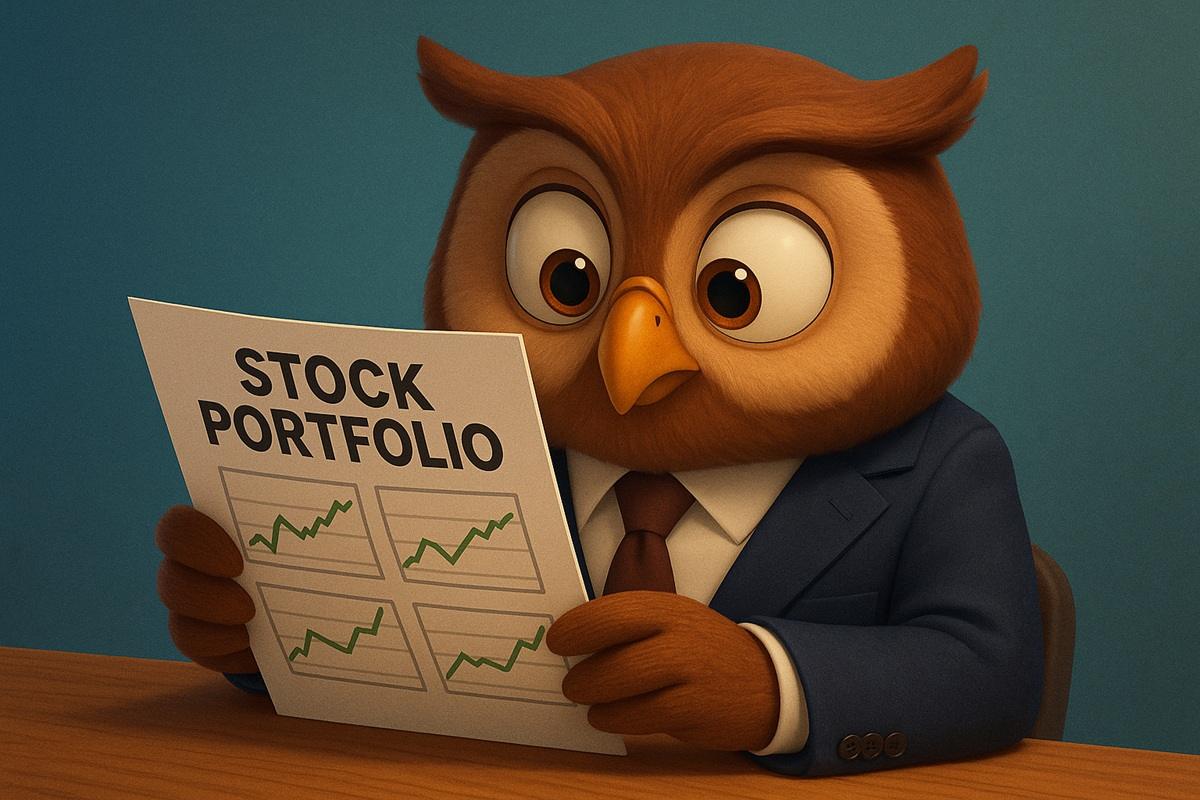

There comes a point in almost every bull market when investors begin squinting at their screens like they’re reading a restaurant bill with suspicious fees. Stocks are up. Headlines are glowing. Your cousin who used to ask what an ETF was is suddenly “rotating into themes.” And you start thinking, Wait a minute… is this market overvalued?
That question is not silly. It is, in fact, one of the most normal investor thoughts on Earth. The trick is not avoiding the question. The trick is avoiding a dramatic, Oscar-worthy overreaction to it.
If you think the market is overvalued, the answer usually is not to sell everything, move to cash, and wait for the heavens to open with a perfect buying opportunity. That plan sounds smart in theory and tends to age badly in real life. Markets can stay expensive longer than investors expect, and recoveries have a habit of showing up while people are still “waiting for a better entry.” In other words, being early can feel suspiciously like being wrong.
So what should you do if you think the market is overvalued? You get practical. You reduce emotional decision-making. You tighten risk where it makes sense. You make your portfolio more intentional. And you remember that a market that looks pricey is not the same thing as a market that must crash on your schedule.
This guide walks through the smartest moves to consider when stocks look expensive, valuations feel stretched, and your brain starts whispering, “Maybe I should just hide in cash and learn pottery.”
First, Define What “Overvalued” Means to You
Before making portfolio changes, separate a real investing concern from a vague feeling of financial indigestion. When people say the market is overvalued, they usually mean one of three things:
- Stock prices seem high relative to company earnings or fundamentals.
- A small group of popular stocks appears to be carrying too much of the market.
- Investor enthusiasm looks a little too confident, a little too loud, and maybe a little too online.
Those concerns can be reasonable. But reasonable concern still needs a reasonable response. A stretched market does not automatically mean you should abandon long-term investing, stop buying, or convert your retirement plan into a glorified savings account.
The Better Question to Ask
Instead of asking, “Is the market overvalued?” ask this: “If markets underperform for a while from here, is my portfolio built to handle it?”
That question is much more useful, because it leads to action you can control: asset allocation, diversification, rebalancing, cash needs, taxes, and position sizing. The market may or may not cooperate. Your process can.
1. Don’t Confuse Caution With Panic
When investors get nervous, they often go full medieval and pull up the portfolio drawbridge. Sell stocks. Hoard cash. Refuse to re-enter until valuations look “normal” again. The problem is that “normal” is one of the most flexible words in finance. It stretches, shrinks, disappears, and reappears wearing a different suit.
Going all-in on cash can protect you from a drop, sure. It can also protect you from gains, compounding, dividends, and any chance of being right over the long run. That is a steep price to pay for emotional comfort.
If you are worried about an overvalued market, try reducing risk selectively rather than detonating your strategy. A thoughtful adjustment beats a financial panic attack every time.
What Selective Caution Looks Like
- Trim oversized positions instead of selling everything.
- Rebuild your target asset allocation if stocks have grown too dominant.
- Increase defensive exposure gradually rather than making one giant move.
- Keep enough liquidity for near-term needs so you are not forced to sell during a downturn.
2. Check Your Time Horizon Before You Touch Your Portfolio
Your time horizon matters more than your market mood. If you need this money within the next year or two, a stretched market is a bigger deal. If this money is for retirement 20 years from now, today’s valuation anxiety may matter far less than your discipline over the next two decades.
In other words, the same market can be “too risky” for short-term money and perfectly acceptable for long-term money. That is not inconsistency. That is context.
If You Need the Money Soon
If you are planning to use part of your portfolio for a home purchase, tuition, medical costs, or another short-term expense, now may be a good time to reduce equity exposure for that portion. Not because you have predicted doom, but because short-term money should not be forced to ride the roller coaster with your long-term growth capital.
If Your Horizon Is Long
If your goal is many years away, the wiser move is often to stay invested while managing risk around the edges. Long-term investors usually do better by staying consistent than by trying to guess the precise moment when expensive becomes unbearable and then magically turns into a bargain.
3. Rebalance Instead of Rage-Quitting
Rebalancing is one of the least glamorous and most useful things an investor can do. It does not come with thrilling headlines. Nobody throws a parade because you reduced an overweight stock allocation back to target. But rebalancing is where grown-up investing happens.
When markets run up, your stock allocation can quietly become larger than you intended. That means more risk than you signed up for. Rebalancing lets you sell a bit of what has outperformed and reallocate into areas that have lagged or simply into the mix you originally chose.
This is especially helpful if you think the market is overvalued, because it turns anxiety into structure. Instead of saying, “I feel weird about prices,” you are saying, “My allocation drifted from 70/30 to 82/18, so I’m bringing it back.” Much cleaner. Much less dramatic. Much fewer regrettable speeches to your brokerage app.
A Simple Rebalancing Checklist
- Review your target stock, bond, and cash mix.
- See where recent gains have created concentration.
- Trim only enough to get back in line with your plan.
- Consider taxes and account type before selling.
- Set a rule for future rebalancing, such as annually or when allocations drift beyond a set band.
4. Diversify Like Your Future Self Is Keeping Score
One reason markets can feel overvalued is that leadership often becomes narrow. A handful of giant winners soak up attention, performance, and investor affection. That is great until it is not.
If you think the market is overvalued, one of the best responses is to ask whether your portfolio is too concentrated in the hottest corner of it. Sometimes the risk is not “the market.” Sometimes the risk is that your portfolio has become a fan club.
Diversification does not guarantee profits, and it does not make losses vanish. But it can reduce the damage that comes from being heavily dependent on one sector, one style, one region, or one story stock that everybody swears is changing civilization before lunch.
Where Diversification Can Help
- Across U.S. and international equities
- Across large-cap, mid-cap, and small-cap stocks
- Across growth and value styles
- Across stocks, bonds, and cash reserves
- Across sectors instead of clustering in whatever is hottest
Diversification is not exciting. That is exactly why it works. Broccoli is not exciting either, but it rarely ruins your life.
5. Keep Investing, but Consider a Smarter Pace
Investors who think the market is overvalued often face a frustrating question: Should I stop buying? Usually, no. Stopping entirely can turn caution into paralysis.
If you are investing through a retirement plan or regular monthly contribution schedule, consistency is still your friend. Automatic investing removes some of the emotional guesswork and keeps you participating over time. If you are nervous about investing a large lump sum all at once, you might spread that money into the market over a defined period rather than making one giant leap.
The key is to have a plan. Drip-feeding money with intention is different from endlessly waiting for “the big correction” that may arrive late, shallow, or not in the shape you expected.
How to Be Cautious Without Freezing
- Continue automatic contributions.
- Use a phased entry plan for large new cash balances.
- Avoid changing your strategy every time a valuation chart goes viral.
- Focus on your savings rate and portfolio quality, not just the headline level of the index.
6. Build a Watchlist Instead of a Bunker
If the market feels expensive, channel that energy into preparation. Create a watchlist of investments you would love to own at better prices. This turns fear into readiness.
Think of it as financial meal prep. You are not trying to predict exactly when discounts will arrive. You are deciding in advance what quality looks like, what valuation range would interest you, and how much you would commit if markets pull back.
That way, if volatility shows up, you do not have to improvise. You already have shopping notes instead of a panic diary.
What Belongs on the Watchlist
- Broad-market funds you would add to on weakness
- High-quality businesses with durable earnings
- Dividend growers or cash-generating companies you understand
- Undervalued or less-loved areas you have researched
- Target entry ranges and maximum position sizes
7. Add Defense Without Becoming Allergic to Growth
There is nothing wrong with becoming a little more defensive when valuations look stretched. The mistake is becoming so defensive that your portfolio forgets it was supposed to grow.
You might increase your cash reserve, improve bond quality, shorten duration for some fixed-income exposure, or make sure your emergency fund is truly separate from your investment account. Those are sane, boring, beautiful moves.
What you want to avoid is turning a long-term portfolio into a bunker that cannot participate in future growth. Protection matters. So does remaining invested enough to benefit when fear fades and markets recover.
Reasonable Defensive Upgrades
- Hold adequate emergency savings outside your investment portfolio.
- Use high-quality bonds for stability, if they fit your plan.
- Reduce speculative holdings that no longer match your risk tolerance.
- Favor balance and resilience over all-or-nothing calls.
8. Mind the Tax Bill Before You Congratulate Yourself
Selling appreciated investments may feel prudent, but in taxable accounts it can create capital gains you were not planning for. This is where many investors discover that “smart move” and “tax-efficient move” are not always the same thing.
Before trimming positions, ask:
- Am I selling in a retirement account or taxable account?
- What gains will I realize?
- Can I rebalance with new contributions instead of sales?
- Would a partial trim achieve the same goal with less tax impact?
If you think the market is overvalued, the solution still needs to work after taxes. Uncle Sam is not especially moved by your valuation concerns.
9. Separate “The Market” From “My Portfolio”
This one matters more than people realize. The broad market can look expensive while parts of it still look reasonable. Some sectors may be frothy. Others may be neglected. Some individual holdings may be overextended. Others may still be solid fits for long-term ownership.
So before declaring everything overvalued, zoom in. What do you actually own? A total-market fund behaves differently from a portfolio stuffed with the same handful of mega-cap names. An income-focused allocation is not the same as a hyper-growth trading basket. A diversified retirement portfolio is not a meme-stock scrapbook.
Your response should reflect your holdings, not just the headline mood.
Questions to Ask About Your Own Portfolio
- Am I concentrated in one theme, sector, or stock?
- Have my winners become too large?
- Do I still understand why I own each position?
- Would I buy this portfolio again today in its current proportions?
10. Write Down the Plan Before Emotion Gets a Vote
Here is a surprisingly powerful move: write a one-page investing policy for yourself. Not a grand manifesto. Just a set of rules for what you will do when the market feels overvalued, when it falls, and when your emotions start behaving like uninvited houseguests.
For example:
- I will rebalance if stocks exceed my target allocation by more than 5%.
- I will keep six months of expenses in cash, separate from investments.
- I will continue monthly contributions regardless of headlines.
- I will only trim a position if it becomes too large or no longer fits my thesis.
- I will not move my entire portfolio to cash based on valuation fears alone.
Rules like these can save you from making giant decisions in small moments of panic.
Common Mistakes When the Market Looks Expensive
- Selling everything at once: dramatic, memorable, and often regrettable.
- Confusing valuation with timing: expensive assets can stay expensive for a while.
- Chasing “safe” assets blindly: safety without growth can create a different kind of risk.
- Ignoring concentration: many portfolio problems come from what has become too big.
- Making no plan at all: vague fear is not a strategy.
Experience and Lessons From Real Investor Behavior
If you talk to people who have invested through multiple cycles, you hear the same confession again and again: the hardest part was not analyzing the market. It was managing themselves.
Many investors remember periods when stocks felt ridiculously expensive, only to watch the market keep climbing. They sold too early, sat in cash too long, and re-entered after prices had already recovered. Others did the opposite: they ignored growing concentration, told themselves their biggest winners were “different,” and found out the hard way that gravity still works on popular stocks.
A common experience goes like this. An investor builds a solid portfolio, then a roaring market makes one slice of it look brilliant. That slice grows from a healthy allocation into something bulky and bossy. Instead of trimming, the investor says, “I’ll let it run.” Why? Because trimming a winner feels like admitting the party might end. Then the market stumbles, and suddenly the portfolio is far more volatile than expected. The investor was not wrong about the market feeling expensive. They were just late in acting on the part they could control.
Another familiar story involves the investor who becomes convinced a crash is around the corner. Maybe valuations are stretched. Maybe headlines feel euphoric. Maybe every conversation sounds like financial karaoke. So they move heavily into cash, proud of their caution. For a few weeks, maybe months, they feel brilliant. Then the market keeps rising. Now the problem is not just valuation. It is ego. Re-entering becomes emotionally harder because buying back in feels like admitting they jumped too soon. So they wait for a pullback that never quite matches the one in their imagination.
There are also investors who navigated expensive markets well, and their stories tend to be less dramatic and far more boring. They rebalanced. They kept contributing. They reduced risk gradually where needed. They held enough cash for short-term needs. They diversified beyond the market’s most crowded winners. They made a written plan and stuck to it when the headlines got loud. In other words, they behaved like adults at a buffet: they took a balanced plate instead of climbing directly into the dessert station.
The strongest lesson from these experiences is simple: being right about valuations is not enough. You also need a workable response. The investor who says, “This market looks expensive, so I’m reviewing my allocation,” usually fares better than the one who says, “This market looks expensive, so I’m liquidating my future.”
Expensive markets test patience, not just analysis. They tempt you to get heroic, hyperactive, or oddly philosophical. But long-term success usually comes from modest, repeatable decisions: rebalance when needed, diversify broadly, keep costs low, mind taxes, and stay aligned with your goals. It is not flashy. It does not impress people at parties. It does, however, give your future self a much better chance of saying, “Well, that was annoyingly sensible.”
Final Thoughts
If you think the market is overvalued, take that feeling seriously enough to review your plan, but not so seriously that you abandon it. Valuation concerns are a reason to tighten process, not torch discipline.
The smartest response is usually a mix of rebalancing, diversification, position review, cash planning, and emotional restraint. That may sound less thrilling than calling the top. Good. Thrill is expensive.
You do not need to predict the exact next move of the market. You need a portfolio that can survive being early, being late, and being human. That is what good investing looks like when prices seem rich and nerves start getting louder than logic.
This article is for informational purposes only and is not personal investment, tax, or legal advice.