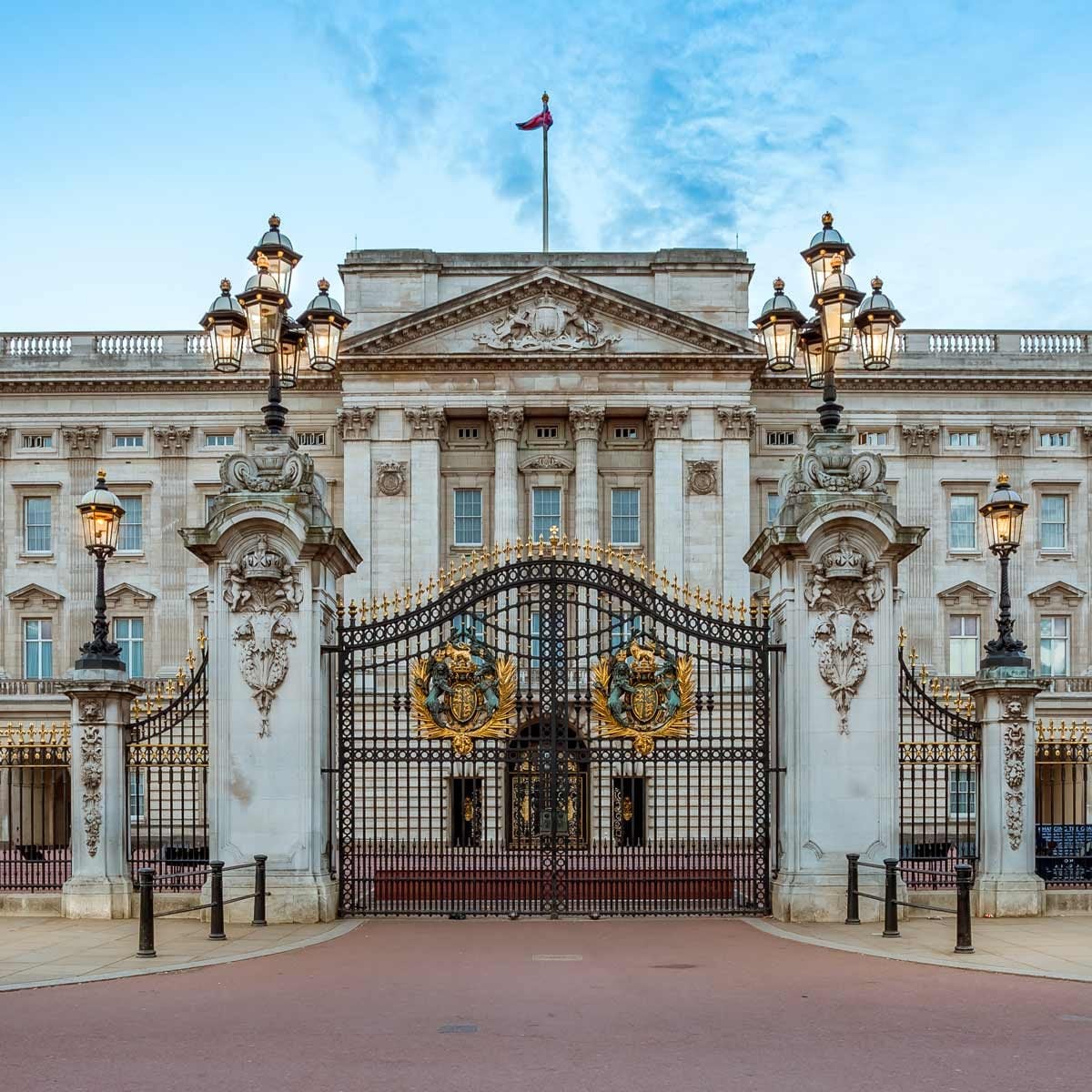

Castles and palaces both have grand halls, royal residents, priceless artwork, and enough rooms to make a robot vacuum file for early retirement. That is probably why the two words are often used as though they mean the same thing.
Historically, however, they describe buildings created for different priorities. A castle was designed first and foremost as a fortified residence: a home that could withstand an attack. A palace was designed primarily as an impressive residence and center of government, ceremony, or court life. One was prepared for arrows at the gate; the other was prepared for ambassadors in the ballroom.
The distinction sounds simple until buildings such as Windsor Castle, the Château de Chambord, and Japan’s Nijo Castle enter the conversation. These properties combine military features, luxurious living quarters, and centuries of renovations. To understand the difference between a castle and a palace, it helps to look beyond the name on the souvenir mug and examine the building’s purpose, architecture, history, and daily use.
Castle vs. Palace: The Quick Answer
A castle is traditionally a fortified residence occupied by a monarch, noble, military order, or local ruler. Its design emphasizes security, territorial control, and protection. A palace is a large, prestigious residence associated with a sovereign or other high-ranking dignitary, usually emphasizing comfort, administration, ceremony, and public displays of authority.
In other words, the key difference is not simply size, age, or ownership. It is the building’s original job. Merriam-Webster defines a palace in part as the official residence of a chief of state, while architectural references describe a castle as a residence intended to be fortified and to communicate power.
| Feature | Castle | Palace |
|---|---|---|
| Primary purpose | Defense, residence, and territorial control | Residence, government, ceremony, and display |
| Typical defenses | Thick walls, towers, battlements, gates, and moats | Usually limited or mainly decorative defenses |
| Common location | Hilltops, frontiers, crossings, ports, and strategic routes | Capitals, cities, royal estates, and landscaped grounds |
| Interior priorities | Security, storage, communal living, and administration | Comfort, reception rooms, art, privacy, and pageantry |
| Historical image | Fortified power | Ceremonial splendor |
What Makes a Building a Castle?
Defense Is Built Into the Architecture
A genuine medieval castle was more than a large house with pointy towers. It functioned as defensive architecture. Its walls, entrances, towers, and position were arranged to delay attackers, protect occupants, and provide defenders with tactical advantages.
Typical castle features included curtain walls surrounding a courtyard, gatehouses, keeps, battlements, wall walks, arrow slits, and protected entrances. Some had moats or drawbridges, although popular culture has been a little too generous with both. Not every castle had a moat filled with water, and historical records contain disappointingly few dragons.
Early Norman castles frequently used a motte-and-bailey plan. A wooden or stone tower stood on a raised mound called a motte, while a protected courtyard called the bailey contained workshops, stables, kitchens, and other essential buildings. As military engineering developed, many wooden defenses were replaced with stone walls and towers.
A Castle Was Also a Home and Headquarters
Calling a castle a fortress does not tell the whole story. A fort was usually constructed primarily for soldiers and military operations. A castle generally combined fortification with private residence, administration, justice, hospitality, and economic management.
The great hall might host meals, legal hearings, celebrations, political negotiations, and displays of loyalty. Storerooms held food and supplies. Chapels served religious needs. Workshops supported the household, while offices and chambers allowed the lord’s representatives to manage surrounding estates.
A castle therefore projected two messages at once: “I live here” and “please reconsider your invasion.” Architectural historians describe castles as dwellings, governmental headquarters, and fortresses that also asserted the resident’s authority over the surrounding landscape.
Location Was Part of the Defense
Castles were often placed where geography could do some of the defensive work. Hilltops offered broad views and made uphill attacks exhausting. River crossings, mountain passes, coastlines, ports, and major roads allowed rulers to monitor movement and control trade.
This strategic placement explains why many castles seem to rise directly from cliffs or dominate entire valleys. The dramatic view was useful, but it was not selected merely to improve the noble family’s vacation photos. The surrounding terrain could slow enemies, protect transportation routes, and make political control visible for miles.
What Makes a Building a Palace?
A Palace Prioritizes Government, Ceremony, and Comfort
A palace is generally an official or prestigious residence built for a monarch, head of state, religious dignitary, or similarly powerful figure. Unlike a castle, it does not need to function primarily as a military stronghold.
Palace architecture often includes state apartments, throne rooms, reception halls, galleries, private living quarters, offices, chapels, kitchens, courtyards, and formal gardens. The layout supports court rituals and government business as much as domestic life. Visitors are guided through increasingly important spaces, with architecture signaling rank at every doorway.
In a palace, power is expressed through scale, decoration, and choreography. Marble staircases, painted ceilings, mirrors, fountains, sculpture, and long ceremonial approaches communicate wealth and legitimacy without requiring anyone to pour boiling oil from the roof.
A Palace Can Be a Political Stage
The Palace of Versailles is one of the clearest examples. It evolved from a hunting lodge into a vast royal residence and governmental center under Louis XIV. Its state rooms, gardens, ceremonial routes, and famous Hall of Mirrors were intended to magnify the monarchy and organize court life around the king. Versailles was not designed as a medieval defensive castle, even though its scale could probably intimidate an invading army through property-maintenance costs alone.
Palaces can also house political institutions rather than serving exclusively as homes. The Palace of Westminster is associated with the British Parliament, while presidential palaces in many countries combine ceremonial rooms with government offices. The word “palace” can therefore describe both residential grandeur and institutional authority.
Not Every Palace Is European
Palaces appear in many architectural traditions. Beijing’s Forbidden City is a monumental palace complex organized around courtyards, gates, official halls, residential zones, and ritual hierarchy. Bangkok’s Grand Palace combined royal family spaces with religious and governmental functions. Korea’s Changdeokgung Palace was integrated into an extensive garden and landscape rather than following the appearance of a European château.
Hawaii’s ‘Iolani Palace provides an important American example. Begun in 1879, it served as a royal residence and was designed in a distinctive style combining Italian Renaissance influences with Hawaiian architectural elements. It demonstrates that palace architecture is defined by status and function, not by a single decorative formula.
Six Key Differences Between a Castle and a Palace
1. Military Purpose
The strongest distinction is defensive intent. A castle was expected to resist attack or provide a protected refuge. A palace was primarily expected to accommodate a ruler, household, government, and ceremonial court.
2. Exterior Features
Castles frequently have thick walls, defensive towers, narrow openings, battlements, fortified gates, and elevated positions. Palaces typically offer larger windows, symmetrical facades, decorative entrances, open courtyards, balconies, and easy access to gardens.
That said, appearances can mislead. Romantic architecture later borrowed turrets and battlements for mansions that were never intended to survive a siege. A modern home does not become a working castle simply because someone added a tower and named it “Dragonstone Acres.”
3. Interior Layout
A castle interior had to fit within defensive walls. Rooms could be dark, irregular, drafty, and difficult to reach. Narrow staircases and limited entrances increased security but made carrying furniture upstairs a problem future generations were left to enjoy.
Palace interiors generally allowed more space for processions, receptions, art collections, private apartments, and specialized rooms. Comfort, etiquette, and visual impact played a larger role in the plan.
4. Relationship With the Landscape
A castle often dominates its setting for strategic reasons. A palace frequently organizes its environment for aesthetic and ceremonial effect. Formal gardens, terraces, fountains, avenues, and controlled views extend the palace’s architecture into the landscape.
5. Daily Population
Both building types could support large households. A castle, however, might include soldiers, armorers, guards, stable workers, and other personnel associated with defense. A palace household placed greater emphasis on courtiers, diplomats, artists, administrators, ceremonial officers, and domestic staff.
6. Symbolic Message
A castle says that its owner controls and can defend the surrounding territory. A palace says that its occupant possesses the status, resources, and authority to maintain an elaborate court. Both are statements of power; they simply use different architectural accents.
Why the Names Can Be Confusing
Buildings Change Over Time
Many castles were remodeled after their military importance declined. Owners enlarged windows, redesigned chambers, added galleries, improved heating, and installed fashionable interiors. The exterior might remain visibly fortified while the interior became increasingly palace-like.
Windsor Castle is a classic example. It began as a Norman defensive complex and retained major castle features, yet centuries of royal occupation transformed it into an elaborate residence used for state occasions. It is accurately called a castle because of its origin and fortifications, but parts of it function much like a palace.
Some Complexes Contain Both
Nijo Castle in Kyoto illustrates the overlap especially well. The larger complex includes walls, moats, gates, and defensive enclosures, while the Ninomaru Palace served as a residence and audience space. In this case, the palace is one important element within the castle grounds.
Translation Does Not Always Cooperate
The French word château can refer to a fortified castle, a grand country residence, or a wine-producing estate. English speakers may translate it as “castle,” but that translation can create the false impression that every château was built for combat.
The Château de Chambord, for example, borrows the monumental keep, corner towers, walls, and moat imagery of a medieval fortress while incorporating Renaissance planning and residential splendor. Its military appearance is important, but much of that appearance is symbolic rather than a response to an urgent siege schedule.
Traditional Names Often Survive Architectural Changes
Once a famous property acquires a name, history rarely calls a committee meeting to update the sign. Castle Howard in England is actually an unfortified country house. Blenheim Palace was built for the Duke of Marlborough rather than for a reigning monarch. The names reflect tradition, prestige, and historical circumstances more than a universal classification system.
Castle vs. Fort, Manor, Mansion, and Château
Several neighboring terms create additional confusion:
- Fort: A military installation designed primarily for defense and soldiers, not necessarily as a noble family’s private residence.
- Manor house: The principal residence on a landed estate, usually associated with local agricultural administration but not necessarily fortified.
- Mansion: A very large and impressive private home. Size and luxury matter more than military or governmental function.
- Château: A French term that can describe a castle, palace-like residence, country house, or wine estate, depending on context.
- Citadel: A heavily fortified stronghold protecting a city or strategically important location.
The practical test is to ask why the property was built. If defending a resident and controlling territory were central priorities, “castle” is likely appropriate. If royal residence, administration, hospitality, and ceremony dominated the design, “palace” is usually the better word.
Can a Castle Also Be a Palace?
Functionally, yes. A fortified royal residence can perform the work of both. Windsor Castle has defensive origins and castle architecture, yet it also contains state apartments and ceremonial spaces associated with palace life.
Similarly, a palace can be enclosed by walls, gates, or even a moat without automatically becoming a castle. The Forbidden City is heavily bounded and controlled, but its principal identity is that of an imperial palace complex. Defensive elements alone do not settle the classification; original purpose and historical context matter.
It is therefore better to think of “castle” and “palace” as overlapping historical categories rather than rigid boxes. Architecture evolves. Governments change. Rulers renovate. Eventually, the building may have a medieval gatehouse, a Baroque ballroom, Victorian plumbing, and a gift shop selling rubber ducks in crowns.
Experience-Based Conclusion: What the Difference Feels Like in Person
The contrast between a castle and a palace becomes much clearer when visitors pay attention to how each building controls movement. Approaching a castle, the route often feels deliberately inconvenient. The path climbs, bends, narrows, crosses a ditch, or passes through several gates. These obstacles were not designed to annoy modern tour groups, although they perform that service admirably. They forced attackers to slow down and exposed them to defenders positioned above.
Once inside, a castle can feel compressed and vertical. Stairways spiral through thick masonry. Windows may be narrow. Doorways appear in unexpected places, and the ground plan can feel like a puzzle created by someone who distrusted straight lines. Even in restored royal chambers, the walls remind visitors that security shaped the building. Standing on a wall walk or inside a gatehouse makes the castle’s military purpose easier to understand than any definition in a guidebook.
The palace experience is usually different from the first approach. Instead of hiding or obstructing the entrance, palace architecture often announces it. A broad avenue, symmetrical courtyard, monumental staircase, or richly decorated gateway tells visitors where to look and how to enter. Movement becomes ceremonial rather than defensive.
Inside a palace, rooms often unfold in a planned sequence. An entrance hall leads to reception rooms, galleries, audience chambers, and increasingly exclusive apartments. The route reflects social rank. An ordinary petitioner might enter one section, an ambassador another, and a favored courtier several rooms farther. Architecture quietly explains who mattered and who was expected to wait.
Visitors can also compare the views. From a castle tower, the landscape is something to observe and control. Roads, rivers, valleys, and settlements appear as strategic information. From a palace window or terrace, the landscape is more likely to be composed as scenery. Gardens align with doors, fountains anchor sightlines, and avenues stretch toward the horizon. Nature has been instructed to stand up straight and look presentable.
Windsor offers both experiences at once. Its walls, towers, elevation, and fortified plan create the physical impression of a castle. Its state rooms, art, royal ceremonies, and continuing residential role reveal palace-like functions. Versailles emphasizes the opposite side of the spectrum: vast galleries, formal gardens, ceremonial rooms, and carefully staged magnificence. ‘Iolani Palace offers another revealing experience because its royal identity is expressed through technology, decorative art, political history, and Hawaiian cultural context rather than medieval fortification.
For travelers, the most useful habit is to look beyond labels. Ask where guards would have stood. Search for the original entrance rather than the modern ticket office. Notice whether windows face outward for surveillance or toward gardens for pleasure. Consider whether the largest room was created for communal defense, legal administration, banquets, diplomatic receptions, or royal spectacle.
Ultimately, a castle makes visitors think about danger, control, and survival, even when its chambers are luxurious. A palace makes them think about hierarchy, ceremony, and display, even when walls and gates surround it. Both buildings demonstrate how architecture turns political power into stone. The castle does it with a clenched fist; the palace does it with an open hand covered in very expensive rings.