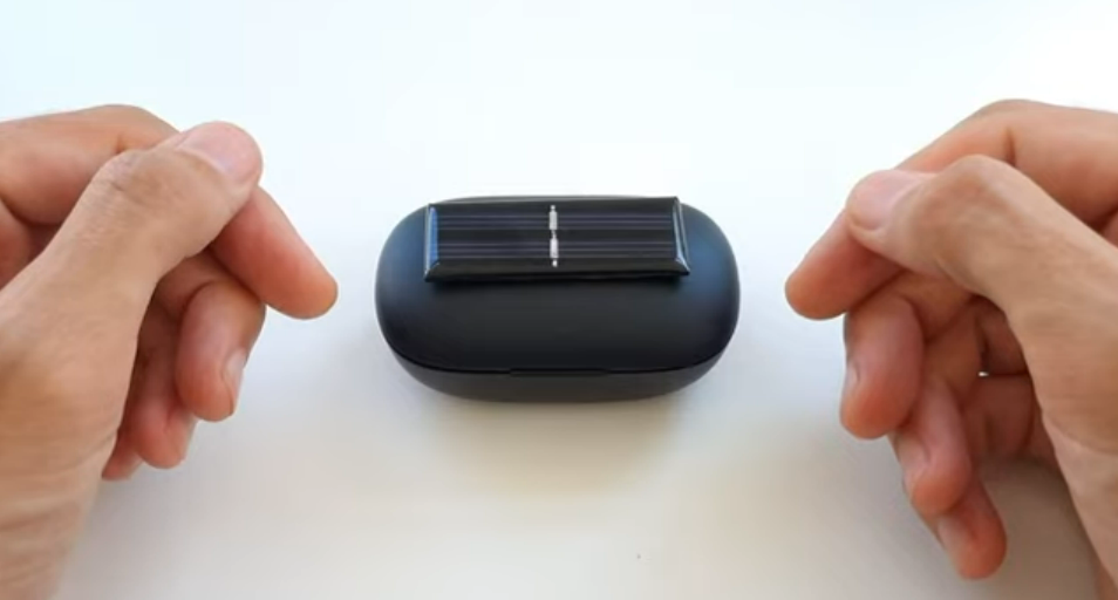

Imagine a world where your wireless earbuds charge themselves while you are busy doing more important things, like pretending not to hear your email notifications. It sounds like a tiny miracle: earbuds that live in your pocket, sip power from light, top up inside a case, and somehow avoid the dreaded “battery low” voice right before your favorite chorus.
The truth is both exciting and slightly less magical. Most wireless earbuds do not literally create energy from thin air. What they do is use clever charging cases, wireless charging pads, reverse wireless charging from phones, low-power Bluetooth technology, and in a few special models, light-harvesting materials that can help the case recharge itself. In other words, the dream is real, but it comes with fine print.
Today’s self-charging wireless earbuds are really part of a bigger movement: making portable audio easier, cleaner, and less dependent on cables. The best designs reduce “charging anxiety,” stretch battery life, and make earbuds feel less like another device you have to babysit.
What Does “Wireless Earbuds Charge Themselves” Actually Mean?
The phrase can mean several different things, depending on the product and the marketing department’s caffeine level. In the most common sense, earbuds “charge themselves” when you place them back into their case. The case contains its own rechargeable battery, so the earbuds refill automatically while resting inside.
That is the basic system used by popular true wireless earbuds. The earbuds are tiny, so their batteries are tiny too. The case acts like a miniature power bank. You use the earbuds for music, podcasts, calls, workouts, or pretending to be unavailable. Then you return them to the case, and small metal contacts or charging pins transfer power back into the earbuds.
A more advanced version uses a case that can charge wirelessly on a Qi-compatible charging pad. You do not plug the case in; you simply place it on a charging mat. Some cases also work with magnetic charging systems or phone-based reverse wireless charging, where a compatible smartphone shares battery power with the earbud case.
The rarest and most interesting version is the solar-assisted or light-powered charging case. Instead of relying only on wall power, the case has a light-harvesting material that converts indoor or outdoor light into electrical energy. The earbuds still charge from the case, but the case can slowly refill itself when exposed to light. That is where the phrase “self-charging earbuds” becomes more than just marketing glitter.
The Charging Case: The Tiny Battery Butler
The charging case is the unsung hero of wireless earbuds. It protects the earbuds, stores extra battery power, pairs them with your phone, shows battery status, and sometimes supports wireless charging. It is basically a butler in a plastic shell, minus the accent and dramatic candlelight.
Most earbud cases contain a lithium-ion or lithium-polymer battery. When the case is charged, it can recharge the earbuds multiple times. This is why earbuds may offer only five to eight hours of playback per charge, while the total listening time with the case can reach 20, 30, 40, or even more hours.
This setup solves a major design challenge. Earbuds must be small and light enough to sit comfortably in your ears. A larger battery would make them bulky, heavy, and possibly ridiculous. The case allows manufacturers to keep the earbuds compact while giving users a practical all-day battery system.
Why Earbuds Need the Case So Much
True wireless earbuds are doing a lot at once. They stream audio over Bluetooth, power tiny speakers, run microphones, handle touch controls, manage noise cancellation, and sometimes support transparency mode, spatial audio, voice assistants, and multipoint pairing. That is a lot of work for something smaller than a grape.
Active noise cancellation is especially power-hungry because microphones constantly listen to outside noise while onboard processors create anti-noise signals. Spatial audio and head tracking can also reduce battery life. So, while the earbuds are becoming smarter, the case remains essential for keeping them alive throughout the day.
Wireless Charging: Cable-Free, Not Effort-Free
Wireless charging is one of the most convenient upgrades in modern earbuds. Instead of hunting for a USB-C cable under your desk, you place the case on a charging pad. The pad uses electromagnetic induction to transfer energy to a receiver coil inside the case.
The main standard behind this experience is Qi, developed by the Wireless Power Consortium. Qi charging is widely used in phones, earbuds, smartwatches, and charging accessories. Its big advantage is interoperability: a Qi-compatible case can usually charge on many Qi-compatible pads, although charging speed and alignment still matter.
Wireless charging is not the same as self-charging. The power still comes from somewhere, usually a wall outlet connected to the charging pad. But from a user-experience perspective, it feels automatic. Drop the case in the same spot every night, and the earbuds are ready in the morning. It is not magic, but it is the kind of laziness technology was born to support.
Reverse Wireless Charging: Your Phone Becomes the Outlet
Some smartphones can share power wirelessly with accessories. Samsung’s Wireless PowerShare is a familiar example: place compatible earbuds on the back of a supported Galaxy phone, and the phone can charge them. This is useful when you are traveling, commuting, or trapped in an airport with one outlet and thirty-seven people circling it like sharks.
Reverse wireless charging is slower than plugging in, and it drains your phone battery. Still, it can save the day when your earbuds are empty and your phone has enough charge to spare. It turns your phone into an emergency charging mat, which is exactly the kind of small convenience that feels futuristic at 11:42 p.m. in a hotel room.
Solar-Powered Earbud Cases: The Closest Thing to Self-Charging
Solar-assisted charging cases are where the idea of earbuds charging themselves becomes genuinely interesting. Urbanista’s Phoenix earbuds, for example, use a charging case integrated with Powerfoyle solar cell material. The concept is simple: when the case is exposed to light, it gathers energy and slowly tops up its internal battery.
This does not mean you can toss the case into a drawer for three weeks and expect eternal music. Light-powered charging depends on exposure, brightness, angle, and usage. Direct sunlight works better than dim indoor light. A case left on a sunny windowsill will harvest more energy than one buried at the bottom of a backpack next to old receipts and emotional support gum.
Still, the idea is powerful. A solar-assisted case can extend the time between plug-in charges, especially for light or moderate listeners. It also opens the door to more sustainable portable audio, where accessories rely less on constant wall charging and more on ambient energy.
Why Solar Earbuds Are Not Everywhere Yet
If light-powered earbuds are so cool, why are they not already the default? The answer is physics, cost, design, and consumer expectations. Earbud cases are small, so the available surface area for solar material is limited. More surface area means more potential energy collection, but also a larger case. And people love tiny cases because pockets are not expanding at the same pace as technology.
Solar materials also add manufacturing complexity. They must be durable, attractive, efficient under varied lighting, and integrated without making the product feel fragile. For mass-market earbuds, brands must balance price, sound quality, noise cancellation, comfort, battery life, and charging innovation. Solar charging is impressive, but many shoppers still choose earbuds based on fit and sound first.
Bluetooth LE Audio and Better Battery Efficiency
Self-charging is only one side of the story. The other side is using less power in the first place. Bluetooth LE Audio is designed around Bluetooth Low Energy and introduces the LC3 codec, which can improve efficiency while supporting modern audio features. Better efficiency means earbuds can potentially last longer without needing larger batteries.
This matters because the future of wireless earbuds may not depend only on bigger cases or faster chargers. It may depend on smarter chips, better codecs, more efficient noise cancellation, improved battery chemistry, and software that reduces wasted power. A device that uses less energy does not need to charge as often. Very glamorous? No. Very useful? Absolutely.
Real-World Examples of Smarter Charging
Apple’s AirPods charging cases show how mainstream convenience has evolved. AirPods charge inside the case, and certain cases support MagSafe or wireless charging. Five minutes in the case can provide around an hour of listening on some models, which is perfect for people who remember their earbuds are dead exactly when they are already late.
Samsung’s Galaxy Buds line has leaned into ecosystem convenience. Galaxy Buds cases can work with USB-C charging and, on supported models, wireless charging. Combined with Wireless PowerShare on compatible phones, the experience becomes flexible: charge from a cable, pad, or phone.
Google’s Pixel Buds also use the familiar case-based charging model, with support varying by model. Status lights help show whether the case is charging, full, low, or unable to power the earbuds. That tiny light can be surprisingly emotional. White light? Peace. Orange light? Mild panic.
Premium earbuds from brands like Sony, Bose, and others increasingly focus on total battery life, fast charging, and case convenience. Even when a case is not solar-powered, small improvements like faster top-ups, better sleep modes, and smarter power management can make earbuds feel more dependable.
The Benefits of Earbuds That Practically Charge Themselves
Less Battery Anxiety
The biggest benefit is obvious: fewer dead-earbud moments. A good charging case means your earbuds are not constantly begging for power. Add wireless charging or reverse charging, and you have more ways to rescue them.
Cleaner Everyday Routines
Wireless charging pads reduce cable clutter. A case that lives on a desk pad or bedside charger becomes part of your routine. Put the earbuds away, and charging happens quietly in the background.
Better Travel Convenience
For travelers, a case with strong battery life is gold. Solar-assisted charging can help if you spend time near daylight. Reverse wireless charging can help when you forgot the cable. Fast charging can help when boarding starts in ten minutes and your playlist is emotionally necessary.
Potential Sustainability Gains
Light-powered cases and more efficient Bluetooth technology can reduce charging frequency, but sustainability depends on more than battery life. Repairability, battery replacement, recycling programs, materials, and product lifespan matter too. A self-charging case is helpful, but a product that lasts longer and can be responsibly recycled is even better.
The Limitations Nobody Puts in Giant Letters on the Box
Self-charging earbuds still have limits. Solar-assisted cases need light. Wireless charging needs alignment. Reverse charging drains your phone. Fast charging creates heat. Lithium-ion batteries degrade over time. And no charging technology can fix earbuds that do not fit your ears, sound bad, or fall out every time you chew.
Battery claims also depend heavily on usage. Noise cancellation, volume level, phone calls, temperature, codec choice, and multipoint connection can all affect playback time. A manufacturer’s “up to 30 hours” usually means under specific conditions, not while blasting bass-heavy music with ANC on during a windy commute.
Heat is another concern. Wireless charging can be convenient, but it may generate more heat than wired charging, depending on the charger and alignment. Since heat can accelerate battery wear, it is smart to use reputable chargers, avoid charging in direct extreme heat, and keep the case clean.
How to Choose Earbuds With the Best Charging Experience
Start with total battery life, but do not stop there. Look at how long the earbuds last per charge, how many extra charges the case provides, and whether the case supports USB-C, Qi wireless charging, MagSafe-style alignment, or reverse wireless charging compatibility.
Next, consider fast charging. A useful fast-charge feature can turn five or ten minutes in the case into meaningful listening time. This matters more than it sounds because most battery emergencies happen when you have very little time.
If you are interested in solar-assisted earbuds, check how the case charges under indoor and outdoor light, how large the case is, and whether the sound quality and comfort match your needs. Do not buy solar charging as a party trick if the earbuds themselves are uncomfortable. Your ears have voting rights.
Finally, think about longevity. Earbuds with better battery management, durable build quality, water resistance, and responsible recycling options may be better long-term purchases than cheaper models with flashy claims.
Best Practices to Keep Wireless Earbuds Charged Longer
Put the earbuds back in the case when not in use. This sounds obvious, yet many earbuds die on desks, in pockets, or between couch cushions because they were not seated properly in the case. Make sure the charging contacts are clean and the earbuds click into place.
Keep the case charged before it reaches zero. Lithium-ion batteries generally prefer moderate charging habits. You do not need to panic if the case hits zero occasionally, but letting it sit fully drained for long periods is not ideal.
Avoid extreme heat. Do not leave the case baking on a car dashboard. If you use a wireless charger, place the case carefully so it aligns well and does not overheat. Use reliable chargers from trusted brands, especially for overnight charging.
For solar-assisted cases, treat light like a bonus fuel source. Leave the case near a bright window or on a desk with good light when practical. Do not expect miracles from a dark drawer. Even futuristic earbuds are not vampires; they need light to do light-powered things.
Are Self-Charging Earbuds Worth It?
They can be worth it if you value convenience and battery flexibility. If you constantly forget cables, travel often, work at a desk with a charging pad, or enjoy early-adopter technology, wireless and solar-assisted charging features can make earbuds easier to live with.
However, sound quality, comfort, microphone performance, noise cancellation, and reliability still matter more. A self-charging case is wonderful, but it should support a good listening experience rather than distract from an average one.
The best version of this technology is not “never charge again.” It is “charge less often, with fewer headaches.” That may not sound like science fiction, but in everyday life, fewer headaches are basically luxury.
The Future: Earbuds That Sip Power From the World Around Them
The next generation of wireless earbuds will likely combine several improvements at once. Cases may become better at harvesting light. Qi and Qi2 charging may improve alignment and speed. Bluetooth LE Audio may help reduce energy use. Battery chemistry may become safer and longer-lasting. Software may become smarter about sleep modes, automatic shutoff, and power balancing.
We may also see more multifunctional cases: cases that work as power banks, cases with screens, cases that locate lost earbuds, cases that monitor battery health, and cases that charge from more sources. The earbud case is no longer just a plastic box. It is becoming the control center for portable audio.
Still, the most exciting future may be quieter: earbuds that simply work when you need them. No drama. No cable hunt. No robotic “battery low” interrupting your workout like a tiny disappointed coach.
Personal Experience: Living With Earbuds That Almost Take Care of Themselves
Using wireless earbuds with a smart charging case changes your habits in small but noticeable ways. At first, the case feels like just another thing to carry. Then, after a few days, it becomes the earbuds’ home. You stop thinking of the earbuds as separate devices and start thinking of the case as part of the system. That is when the convenience clicks.
The biggest difference appears during busy mornings. With older wired earbuds, the problem was tangles. With early wireless earbuds, the problem was dead batteries. With modern charging cases, the routine becomes simple: open case, insert earbuds, leave. When the case has been sitting on a wireless pad overnight, there is no cable check, no battery panic, and no awkward moment where one earbud works and the other has apparently retired.
Fast charging is another feature that sounds minor until it saves you. A short top-up while brushing your teeth or packing a bag can be enough for a commute. It feels oddly satisfying, like giving your earbuds an espresso shot. They may not become smarter, but they do wake up quickly.
Reverse wireless charging is less of a daily feature and more of an emergency tool. It is not something most people will use every day because it borrows power from the phone. But when you are away from home and the earbuds are empty, placing the case on the back of a compatible phone feels wonderfully clever. It is the tech equivalent of finding a spare twenty-dollar bill in an old jacket.
Solar-assisted charging has a different personality. It rewards awareness. You start noticing light in the room. A sunny windowsill becomes useful. A bright desk becomes a charging station. The case does not instantly leap from empty to full, but it quietly gathers energy while you work, read, or ignore laundry. That slow, passive charging can reduce how often you reach for a cable.
The catch is that self-charging features are only as good as the rest of the earbuds. If the fit is poor, the sound is thin, or the microphones make you sound like you are calling from inside a cereal box, no amount of charging magic will fix the experience. Comfort still wins. Sound still wins. Battery convenience is the cherry on top, not the whole dessert.
In daily use, the best charging experience is invisible. You do not think about it. You put the earbuds away, and they are ready later. That is the real promise behind wireless earbuds that charge themselves: not unlimited power, but fewer interruptions. Less cable clutter. Fewer dead batteries. More music when you want it. And maybe, just maybe, one less tiny device yelling at you before breakfast.
Conclusion
Wireless earbuds that charge themselves are not science fiction anymore, but they are not all the same. Most rely on battery cases that automatically recharge the earbuds. Many support Qi wireless charging. Some can be revived by reverse wireless charging from a phone. A small but fascinating group uses light-powered cases that harvest energy from indoor or outdoor light.
The smartest approach is to see self-charging as a convenience spectrum. At one end is the basic charging case. In the middle are wireless pads and fast charging. At the cutting edge are solar-assisted cases and more efficient wireless audio technologies. Together, these features are making earbuds easier to use and harder to accidentally kill.
For shoppers, the goal is not to chase the loudest claim. Choose earbuds that sound good, fit well, handle calls clearly, and offer a charging system that matches your life. If the case can top itself up from light or charge without a cable, excellent. If it also survives your commute, your gym bag, and your habit of misplacing everything, even better.