
Deck railing is one of those home features that quietly does a lot of work. It keeps people safe, frames the view, defines the style of your outdoor space, and occasionally saves your uncle from leaning too far back during a barbecue story that has clearly grown 40% since last summer. In other words, railing is not just a border around your deck. It is part safety feature, part design statement, and part outdoor-room personality test.
The best deck railing design ideas balance three things: safety, style, and maintenance. A railing can be sleek and modern, warm and traditional, rustic and cozy, or bold enough to make the neighbors casually ask, “So, who designed your deck?” Whether you are building a new deck, replacing old rails, or trying to make a tired backyard look less like it gave up in 2009, the right railing can completely change the space.
Before choosing a design, remember that deck railing is usually governed by local building codes. Many U.S. residential decks more than 30 inches above grade need a guardrail, and common code guidance often requires a minimum guard height of 36 inches with openings small enough to prevent a 4-inch sphere from passing through. Always verify requirements with your local building department or a qualified contractor before buying materials. Design is fun. Failed inspections are not.
1. Classic Wood Deck Railing for Timeless Charm
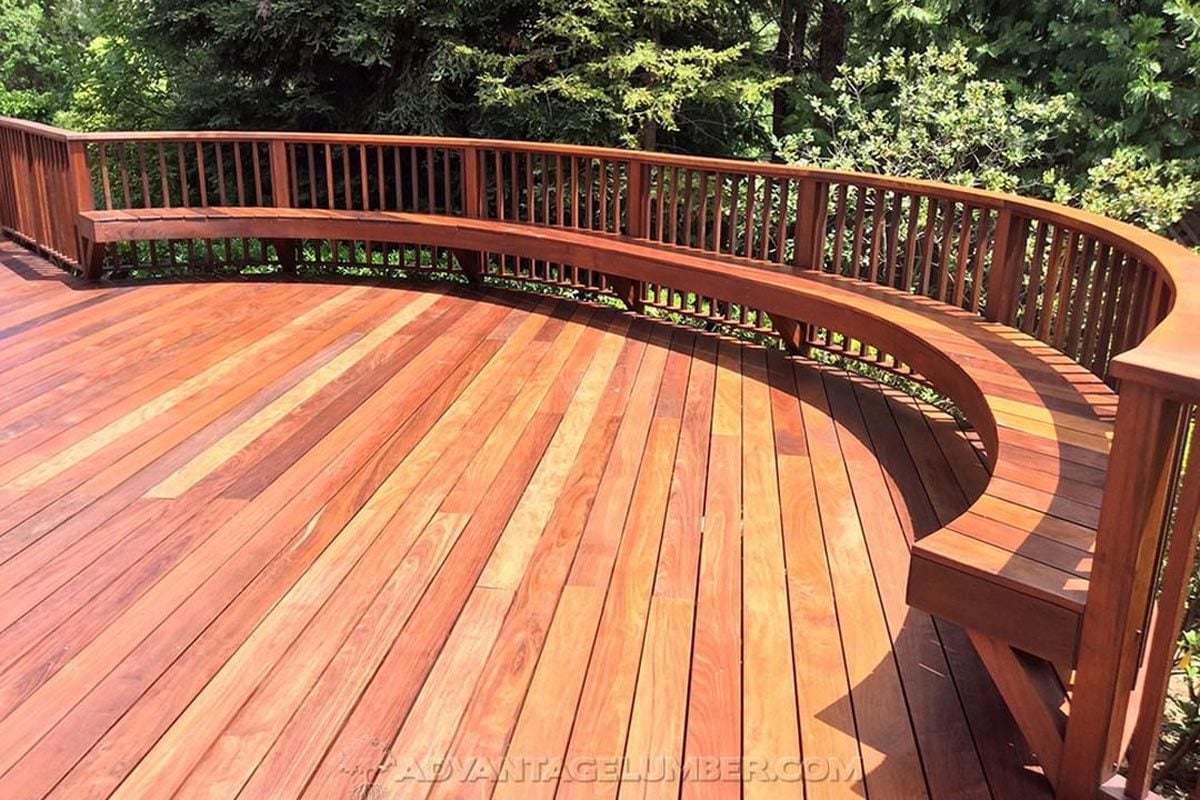
Wood railing remains one of the most popular deck railing ideas because it feels natural, familiar, and easy to match with almost any home style. Pressure-treated lumber is budget-friendly, while cedar, redwood, and tropical hardwoods offer richer color and texture. A simple wood top rail with vertical balusters works beautifully with farmhouse, craftsman, cottage, and traditional homes.
The beauty of wood is flexibility. You can stain it warm brown for a cabin-like feel, paint it crisp white for a porch-inspired look, or go dark charcoal for a more modern edge. Wood also allows custom details such as decorative post caps, beveled rails, or wider drink rails. Yes, a drink rail is exactly what it sounds like: a top rail wide enough to hold a glass, a plate, or your phone while you pretend not to check work emails outside.
Best for:
Homeowners who love natural materials, traditional curb appeal, and easy customization.
Design tip:
Use horizontal or square-profile wood rails for a cleaner, more updated look. If your deck already has heavy wood posts, consider slimmer balusters to keep the railing from feeling bulky.
2. Black Aluminum Railing for a Clean Modern Look
Black aluminum deck railing has become a favorite for modern and transitional homes. It is slim, strong, and visually quiet, which means it does not fight with the view. From a distance, black aluminum balusters can almost disappear, especially when placed against trees, landscaping, or a darker backyard background.
Aluminum is also popular because it is low maintenance. Unlike wood, it does not need regular staining or painting. Powder-coated finishes help resist weathering, and many systems are sold in kits, making them attractive for both contractors and experienced DIY homeowners. The style works especially well with composite decking, stone patios, modern siding, and homes with black-framed windows.
Best for:
Modern homes, low-maintenance decks, and homeowners who want a crisp railing that does not steal attention from the scenery.
Design tip:
Pair black aluminum railing with warm wood-tone decking for contrast. The result feels polished without looking cold.
3. Cable Deck Railing for Open Views
Cable railing is one of the best deck railing designs for homes with a view. Instead of vertical balusters, stainless steel cables run horizontally between posts. This creates an open, airy look that works well for lake houses, mountain decks, coastal homes, city rooftops, and backyards where the landscaping deserves its moment in the spotlight.
Cable railing can be paired with metal, wood, or composite posts. Metal posts create the most contemporary look, while wood posts soften the design and make it feel more organic. Cable systems do require careful tensioning and proper spacing, so installation accuracy matters. If cables are loose or improperly spaced, the railing may not perform correctly or pass inspection.
Best for:
Decks with scenic views, modern architecture, and homeowners who prefer a lighter visual barrier.
Design tip:
Use cable railing on the side of the deck facing the best view, and consider a different railing style on less visible sides to control cost.
4. Glass Panel Railing for a Luxury Finish
Glass deck railing offers the most uninterrupted view of any railing style. It works beautifully around pools, waterfront decks, high-end patios, and elevated outdoor living spaces. Glass panels can be framed with aluminum posts or installed in more minimal systems for a sleek, resort-like effect.
The biggest advantage is visibility. Unlike balusters or cables, glass creates a clear barrier without slicing the view into sections. It can also block wind, which is useful on exposed decks. The trade-off is maintenance. Glass shows fingerprints, water spots, pollen, and the mysterious outdoor dust that appears five minutes after cleaning. If you choose glass, accept that a squeegee may become part of your personality.
Best for:
Homes with premium views, pool decks, modern outdoor lounges, and spaces where wind protection is helpful.
Design tip:
Choose framed glass for a more structured look or frameless-style panels for a high-end modern feel. Always use code-approved safety glass designed for railing systems.
5. Composite Railing for Low-Maintenance Style
Composite railing is a smart option if you want the look of painted wood without the same level of upkeep. Made from a blend of synthetic and wood-based materials, composite railing resists many common wood problems such as splintering, warping, and frequent refinishing. It is often designed to coordinate with composite deck boards, which makes it easier to create a polished, matching outdoor space.
Composite railing comes in classic colors such as white, black, gray, and brown. It can look traditional with square balusters or more modern when paired with aluminum balusters, cable infill, or glass panels. This flexibility makes composite a strong choice for homeowners who want a neat, finished appearance without spending every spring sanding and staining like they accidentally joined a deck maintenance club.
Best for:
Busy homeowners, composite decks, and anyone who wants a clean look with less seasonal maintenance.
Design tip:
For a refined style, use composite posts and rails with black aluminum balusters. The contrast makes the railing feel custom without becoming too flashy.
6. Mixed-Material Railing for Custom Character
Some of the most interesting deck railing design ideas combine materials. Wood with metal balusters. Composite rails with cable infill. Aluminum posts with a wood drink rail. Glass panels with metal framing. Mixed-material railing works because it lets you balance warmth, durability, cost, and style.
For example, a deck with cedar posts and black metal balusters feels warm but updated. A composite railing with a wood-look top cap adds a practical surface and a softer visual touch. A black aluminum frame with glass panels looks modern and clean, while still feeling strong and architectural.
The key is restraint. Mixing two materials usually looks intentional. Mixing five materials can make your deck look like it lost a fight at the home improvement store. Choose one main material, one accent material, and one finish color that connects with your home’s exterior.
Best for:
Homeowners who want a custom look without fully custom construction.
Design tip:
Match at least one railing element to something already on the house, such as window trim, door hardware, roof color, or exterior lighting.
7. Horizontal Railing for a Contemporary Profile
Horizontal deck railing creates a long, streamlined look that can make a deck feel wider and more modern. It can be built with wood rails, metal rods, cable, or composite components. This style is especially effective on ranch homes, contemporary houses, and decks that need a simple architectural upgrade.
Horizontal lines naturally guide the eye outward, which helps connect the deck to the yard or view beyond it. However, horizontal designs must be planned carefully. Local codes may have rules related to openings, spacing, and climbability, especially when children are present. A professional railing system is often easier to approve than a homemade design that “looked good on the internet.” Famous last words, right after “I don’t need to measure twice.”
Best for:
Modern decks, ranch-style homes, and spaces where you want a wider, cleaner visual line.
Design tip:
Use slim horizontal metal rods or cable for the most open look. Use thicker wood rails for a bolder, rustic-modern style.
8. Chippendale Railing for Decorative Detail
Chippendale railing is a classic decorative pattern made with geometric shapes, often forming X-patterns, diamonds, or repeating angular designs. It adds instant personality and works especially well with traditional, colonial, coastal, and Southern-style homes.
This style is more visually detailed than standard balusters, so it is best used where the railing can be appreciated up close. It can make a front porch feel historic, a back deck feel charming, or a simple outdoor space feel more designed. White Chippendale railing is especially popular for a crisp, classic look, while natural wood gives the pattern a warmer handcrafted feel.
Best for:
Traditional homes, decorative porches, coastal cottages, and homeowners who want railing with personality.
Design tip:
Keep surrounding details simple. If the railing pattern is busy, let it be the star instead of adding ornate furniture, patterned rugs, and twelve kinds of outdoor pillows.
9. Privacy Railing for Cozy Outdoor Living
Not every deck is blessed with a sweeping mountain view. Some decks face a neighbor’s kitchen window, a busy street, or the side of a garage that has seen better decades. In those cases, privacy railing can make the space feel more comfortable and usable.
Privacy railing can be created with taller panels, partial screens, slatted wood, composite boards, lattice, frosted glass, or metal panels. The goal is not always to build a full wall. Sometimes a partial privacy screen on one side of the deck is enough to block the awkward sightline while keeping the rest of the space open.
This idea works especially well for hot tub decks, dining areas, outdoor kitchens, and small urban yards. It can also help define zones, such as separating a grilling area from a lounge area.
Best for:
Urban decks, side-yard decks, hot tub areas, and outdoor dining spaces.
Design tip:
Use horizontal slats with small gaps to create privacy without making the deck feel boxed in. Add climbing plants or planters for a softer look.
10. Drink Rail Design for Entertaining
A drink rail, sometimes called a cocktail rail, is a wider top rail that can hold cups, plates, small planters, or decorative lighting. It is one of the most practical deck railing ideas because it turns the railing into usable surface space. On a small deck, that extra ledge can be surprisingly helpful.
Drink rails can be made from matching deck boards, composite boards, or wood caps installed over a compatible railing system. They work well with wood, composite, aluminum, and cable designs. If you host often, a drink rail can reduce the need for extra side tables and make the deck feel more relaxed.
Just be realistic about use. A drink rail is great for a lemonade, a coffee mug, or a plate of snacks. It is not a substitute for a stable dining table, and it should never compromise the structural performance of the guardrail. In deck design, “cute but wobbly” is not a compliment.
Best for:
Entertaining decks, small outdoor spaces, grill areas, and casual seating zones.
Design tip:
Match the drink rail to your decking boards for a built-in look, or choose a contrasting cap to create a bold border around the deck.
How to Choose the Best Deck Railing Design
With so many deck railing options available, choosing the right one can feel like ordering coffee in a city where “medium” is apparently a philosophical concept. Start with your priorities.
If your deck has a view, consider cable or glass railing. If you want low maintenance, look at aluminum or composite. If you love a classic look and do not mind seasonal upkeep, wood railing is still a beautiful choice. If privacy matters most, use screens, slats, or frosted panels. If entertaining is your main goal, a drink rail may be your new best friend.
Also consider the architecture of your home. A sleek cable railing may look perfect on a modern house but slightly confused on a formal colonial unless it is blended carefully with wood or traditional posts. A white Chippendale railing might look charming on a coastal cottage but overly decorative on a minimalist home. The best railing looks like it belongsnot like it was selected during a late-night scrolling session with too much confidence and not enough measuring tape.
Maintenance Tips for Deck Railings
Every railing material needs some level of care. Wood requires the most attention, including cleaning, sealing, staining, or painting depending on the finish. Composite and aluminum generally need simple washing with mild soap and water. Cable railing may need occasional tension checks and cleaning, especially in coastal environments. Glass railing needs regular cleaning to stay clear and attractive.
Once or twice a year, inspect posts, fasteners, brackets, and connections. Look for movement, rust, rot, cracked components, loose balusters, or gaps that have changed over time. Railings are designed to be leaned on, bumped into, and trusted. If something moves when it should not, fix it before it becomes a bigger problem.
Real-World Experience: What Homeowners Learn After Living With Deck Railings
After talking through deck railing choices with homeowners, contractors, and enthusiastic DIY planners, one thing becomes clear: the best railing on paper is not always the best railing in real life. A design has to survive weather, furniture, kids, pets, guests, pollen, leaves, and that one person who treats every railing like a stretching bar.
One common lesson is that views matter more than people expect. Homeowners often start by choosing a railing that matches the deck boards, then realize later that bulky rails block the very backyard, lake, garden, or sunset they built the deck to enjoy. For elevated decks, black aluminum, cable, or glass can make a dramatic difference because they reduce visual interruption. Even changing from thick wood balusters to slim metal balusters can make a deck feel more open.
Another real-world lesson is that maintenance tolerance should be brutally honest. Wood railing is beautiful, but it asks for attention. If you enjoy weekend projects, staining and sealing may feel satisfying. If your idea of outdoor maintenance is moving the chair into the shade, composite or aluminum will probably make you happier. A railing should match your lifestyle, not your fantasy version of yourself who owns six specialty brushes and always knows where the drop cloth is.
Color is another detail homeowners sometimes underestimate. White railing looks bright and classic, but it can show dirt, mildew, and scuffs. Black railing looks modern and visually disappears in many settings, but it can get hot in strong sun. Brown and bronze finishes can soften the look and pair nicely with wood tones, brick, and stone. The best move is to view physical samples outdoors at different times of day. A color that looks perfect under store lighting may look completely different in full afternoon sun.
People also learn that railing should be planned with furniture. A deck may look spacious when empty, then suddenly feel tight once a dining table, grill, lounge chairs, and planters arrive. Drink rails can help small decks by adding usable surface area, but wide railing caps can also slightly reduce perceived space. Privacy screens can make a deck feel cozy, but too many solid panels may block airflow and make the area feel boxed in. Good railing design supports how the deck will actually be used.
Budget is another reality check. Cable and glass railing can be stunning, but they often cost more than standard wood, vinyl, or aluminum picket systems. A smart compromise is to use premium railing only where it matters most. For example, install cable or glass on the side facing the view and use simpler aluminum or composite railing along the house side. This keeps the design intentional while protecting the budget from running into the bushes screaming.
Finally, installation quality matters as much as style. A beautiful railing that shakes, rattles, stains the decking, or fails inspection is not a win. Whether using a manufactured railing kit or a custom-built system, posts must be properly connected, spacing must be correct, and materials must be compatible with outdoor exposure. When in doubt, hire a qualified deck contractor or ask your local building department before construction begins. The best deck railing design is one that looks great, feels solid, passes inspection, and lets you relax outside without mentally calculating bolt strength during dinner.
Conclusion
Deck railing is more than a finishing touch. It shapes the entire personality of your outdoor space. Classic wood brings warmth, aluminum keeps things sleek, cable opens the view, glass adds luxury, composite reduces maintenance, and decorative patterns create charm. The right choice depends on your home’s architecture, your budget, your view, your privacy needs, and how much maintenance you are willing to do when the weather is beautiful and your couch is calling.
If you want a safe, stylish, and long-lasting deck, start with local building code, then choose a railing design that supports the way you actually live. A great deck railing should make your outdoor space look better, work harder, and feel more invitingwithout requiring a maintenance schedule that belongs on a spreadsheet.
Note: Before installing or replacing deck railing, confirm all height, spacing, load, stair, glass, cable, and guardrail requirements with your local building department or a qualified professional.