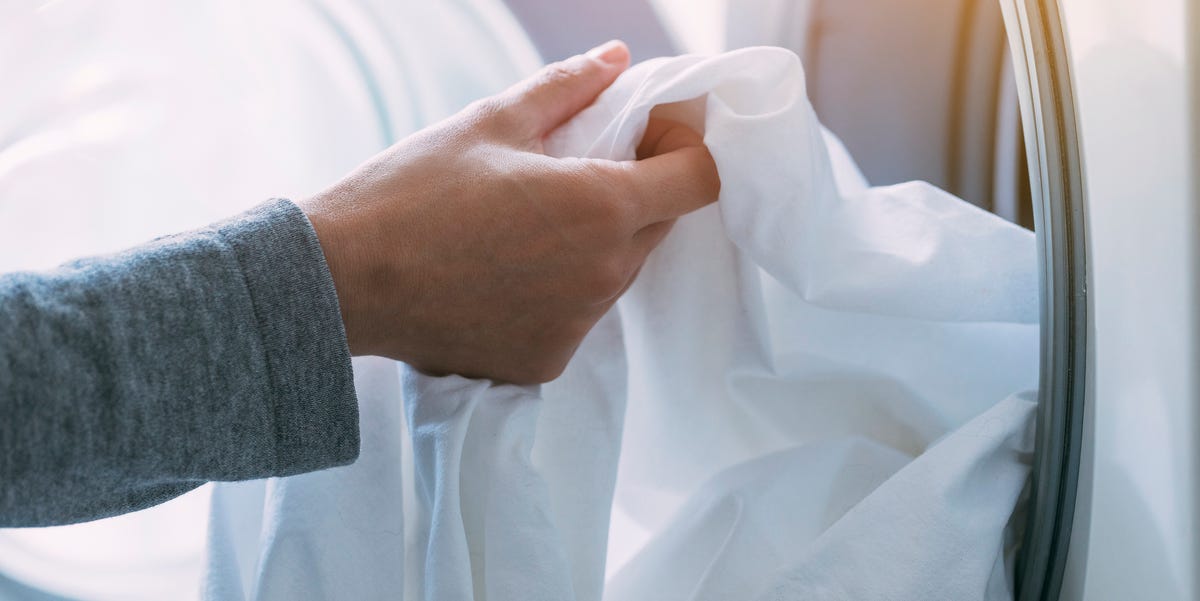

Your washing machine is not just a heroic sock spinner with a mysterious talent for making one sock disappear. Used correctly, it can also freshen up several household items that collect sweat, soap scum, crumbs, pet hair, playground dirt, and the occasional “what is that smell?” moment. The trick is knowing what belongs in the drum, what needs a gentle cycle, and what should never get invited to the laundry party.
This guide breaks down 7 items you didn’t know you could clean in your washing machine, with practical steps, safety notes, and real-life examples. Before anything goes in, check the care label, remove loose parts, use mild detergent, and choose a gentle or delicate cycle when in doubt. Your washer is powerful, but it is not a garbage disposal wearing a cardigan.
Before You Start: The Golden Rules of Washing Non-Clothing Items
Cleaning household items in the washer works best when you treat the machine like a tool, not a dare. First, inspect the item. If it has leather, suede, electronics, loose glue, cracked rubber backing, or memory foam, it may need hand cleaning instead. Second, balance the load. Shoes, bath mats, and pillows can thump around like a tiny laundry-room marching band, so add towels to cushion and balance the drum. Third, air dry whenever heat could melt glue, warp plastic, shrink fabric, or damage rubber.
For most of these machine washable household items, cold or warm water, mild detergent, and a slow spin speed are your safest friends. Bleach, high heat, and heavy-duty cycles may sound tough, but they can shorten the life of fabrics and coatings. The goal is clean, not “survived a hurricane.”
1. Shower Curtain Liners
Shower curtain liners live a glamorous life: daily steam, soap scum, hard-water spots, and the occasional mildew ambush. Many fabric, plastic, and vinyl liners can be washed in the washing machine, which is excellent news if your liner has started looking like it has been through a swamp documentary.
How to wash a shower curtain liner
Remove the liner from the hooks and shake off loose water. Place it in the washer with one or two bath towels. The towels help scrub away residue while keeping the liner from sticking to itself. Use a small amount of laundry detergent, select a gentle cycle, and wash with cool or warm water. Avoid very hot water, especially for plastic or vinyl liners.
When the cycle ends, hang the liner back on the rod to air dry. Do not toss plastic or vinyl liners into a hot dryer unless the care label clearly allows it. Heat can warp them faster than a cheap lawn chair in July.
2. Reusable Grocery Bags
Reusable grocery bags are eco-friendly, sturdy, and suspiciously good at collecting mystery crumbs. They carry produce, raw meat packages, canned goods, gym clothes, beach towels, and sometimes a forgotten banana that becomes a science project. Cleaning reusable grocery bags is not just about appearance; it helps reduce odor and cross-contamination.
How to wash reusable bags
Cotton and many cloth grocery bags can usually go into the washer with detergent. Turn them inside out, remove cardboard inserts, and wash them according to their material. Cotton bags can often handle warm water, while woven or nonwoven polypropylene bags usually prefer a gentle cycle with cold water. Line drying is often best, especially for synthetic bags.
Insulated grocery bags are different. Because they often contain thermal lining, foam, or seams that trap water, they are usually better cleaned by hand with warm, soapy water and then air dried completely. Never store reusable bags while damp unless you enjoy creating a luxury resort for mildew.
3. Canvas Shoes and Sneakers
Yes, many canvas shoes and fabric sneakers can be cleaned in the washing machine. No, this does not mean your leather boots, suede loafers, or expensive designer sneakers should take a spin with the towels. Fabric sneakers are usually the best candidates, especially if they are muddy, dusty, or carrying the scent of a long summer walk.
How to wash sneakers safely
Start by removing laces and insoles. Brush off dried mud and wipe away heavy dirt so your washer does not become a mud smoothie machine. Place the shoes in a mesh laundry bag or an old pillowcase. Add towels to reduce banging and help balance the load. Use a small amount of mild detergent, cold water, and a delicate or hand-wash cycle.
Air drying is the safest choice. Stuff the shoes with clean paper towels or white cloths to help them keep their shape, then let them dry away from direct heat. Avoid the high-heat dryer setting, which can weaken adhesives and shrink materials. Your sneakers should come out cleaner, fresher, and less likely to clear a room when you untie them.
4. Oven Mitts and Potholders
Oven mitts and potholders are the unsung heroes of the kitchen. They face hot pans, bubbling casseroles, cookie sheets, grease splatters, tomato sauce, and the occasional “I swear this pan was not that hot” moment. Fabric oven mitts and potholders can often be machine washed, and they should be cleaned more often than many people think.
How to wash oven mitts and potholders
Check the label first. If the mitts are cotton or fabric with heat-resistant padding, pretreat stains with a small amount of detergent. Wash them with towels or kitchen linens using warm water if the care label allows it. A gentle cycle works well for most fabric mitts, especially those with decorative stitching or silicone grip patches.
Silicone oven mitts may be hand washed or placed in the dishwasher, depending on the product instructions. For fabric mitts with silicone accents, air drying helps protect the grip surface and padding. Replace any mitt that has thinning fabric, holes, burned spots, or padding that has shifted. A clean oven mitt is nice; a safe oven mitt is non-negotiable.
5. Pillows
Pillowcases get washed regularly, but the pillows themselves often sit there quietly collecting sweat, skin oils, dust, and drool like tiny upholstered confession booths. Many down and polyester fiberfill pillows are machine washable, making this one of the most useful washing machine cleaning hacks for better sleep hygiene.
How to wash pillows without ruining them
Always read the care label. Down and fiberfill pillows can often be washed two at a time to keep the washer balanced. Use a gentle cycle, warm water if recommended, and a small amount of detergent. Too much detergent can leave residue inside the filling, so resist the urge to pour like you are making soup.
Dry pillows thoroughly on low heat if the label allows, and use dryer balls or clean tennis balls to help fluff them. Stop the dryer occasionally to break up clumps by hand. The key word is thoroughly. A damp pillow may look innocent, but trapped moisture can lead to mildew. Solid memory foam and latex pillows should not go into the washer because agitation can break down the foam. Spot clean those instead and wash removable covers separately.
6. Plush Toys
Stuffed animals are adorable, loyal, and often dragged through car seats, floors, beds, daycare cubbies, and snack zones. Many machine-washable plush toys can be cleaned in the washer, which is wonderful news for parents, pet owners, and anyone with a beloved teddy bear who has seen things.
How to wash stuffed animals
First, check for batteries, sound boxes, glued-on decorations, delicate stitching, or old fabric. If the toy is fragile, antique, electronic, or filled with materials that should not get wet, spot cleaning is safer. For sturdy plush toys, place each one inside a mesh laundry bag or pillowcase. Wash on a gentle cycle with cold water and mild detergent.
Air dry the toy by laying it flat or hanging it in a well-ventilated area. Avoid high heat, which may melt glue, damage plastic eyes, or turn fluffy fur into a sad little carpet sample. Once dry, fluff the toy gently with your hands. Bonus points if you give the teddy bear a motivational speech after its spa day.
7. Bath Mats and Small Washable Rugs
Bath mats work hard. They catch water, soap, lint, hair, and the drama of every rushed Monday morning. Many cotton, microfiber, and small washable rugs can go in the washing machine, but this category requires extra caution. Bath mats become heavy when wet, and heavy, unbalanced loads can strain a washer.
How to wash bath mats and small rugs
Shake the mat outside first to remove hair, dust, and debris. Check the backing. If the rubber backing is cracked, peeling, or crumbling, do not put it in the washer; loose rubber can break apart and create problems inside the machine. If the label says machine washable, wash the mat alone or with towels to balance the load. Use cold or warm water, mild detergent, and a gentle cycle.
For rubber-backed mats, air dry whenever possible. Heat can cause rubber to crack or peel. For cotton bath mats without backing, tumble drying on low may be fine if the label allows it. Make sure the mat is completely dry before placing it back on the floor. A damp bath mat is basically a welcome mat for odors.
What Not to Put in the Washing Machine
Knowing what not to wash is just as important as knowing what can be washed. Avoid placing leather, suede, delicate vintage items, solid memory foam, electronics, large heavy rugs, items with loose rubber backing, or anything soaked with gasoline, paint thinner, cooking oil, or other flammable substances in your washing machine. When in doubt, choose hand washing, spot cleaning, or professional cleaning.
Also, do not overload the washer. A stuffed drum does not clean better; it simply sulks, shakes, and produces disappointing results. Non-clothing items need space to move so water and detergent can reach all surfaces.
Best Washing Machine Settings for Household Items
For most surprising items you can wash in a washing machine, the gentle cycle is the safest starting point. Cold water protects colors and reduces shrinking. Warm water may help with greasy kitchen linens or heavily used bath items, but always follow the care label. Use a small amount of detergent because bulky items can trap suds. Extra rinse cycles are helpful for pillows, plush toys, and bath mats because they remove detergent residue that can irritate skin or stiffen fibers.
Mesh laundry bags are worth keeping in the laundry room. They protect sneakers, stuffed animals, reusable bags, and small fabric items from unnecessary friction. Towels are also useful because they cushion hard or bulky items and help balance the washer during spinning.
Real-Life Experience: What I Learned After Treating the Washer Like a Cleaning Sidekick
The first time I washed a shower curtain liner, I expected disaster. I pictured a twisted plastic rope, a flooded laundry room, and the washer making noises like a helicopter with trust issues. Instead, the liner came out brighter, less slimy, and dramatically less embarrassing. The towels I added helped wipe away soap scum, and hanging the liner back up to dry was easier than wrestling it across a drying rack. That one wash changed how I looked at the bathroom. Suddenly, the liner was not a disposable item; it was something I could maintain.
Reusable grocery bags were the next surprise. They seemed harmless until I turned one inside out and found crumbs, onion skin, and something that may once have been cilantro. Washing cotton totes made them smell clean again, but I learned quickly that insulated bags need a different approach. One insulated bag held water in its seams like a tiny swimming pool. After that, I switched to wiping insulated bags by hand and leaving them open overnight. The lesson was simple: washable does not always mean “toss it in with everything and hope for the best.”
Sneakers taught me the importance of preparation. A pair of canvas shoes went into the washer after a muddy walk, but I forgot to brush off the soles first. The shoes came out cleaner, yes, but the washer drum had a gritty ring that made me feel like I had laundered a sandbox. Now I knock off dirt outside, remove laces and insoles, use a mesh bag, and add two old towels. The shoes wash better, the machine stays cleaner, and the laundry room no longer sounds like a bowling alley.
Pillows were the biggest comfort upgrade. Washing two fiberfill pillows at once kept the washer balanced, and drying them with dryer balls helped restore their shape. The important part was patience. Pillows take longer to dry than they appear to, and “mostly dry” is not good enough. I now check the center carefully before putting them back on the bed. Clean pillows make the room feel fresher, and they remove that stale bedroom smell that no candle can fully hide.
Plush toys required the gentlest touch. A mesh bag saved a stuffed rabbit from losing its bow, and air drying kept its fur soft. I also learned not to wash sentimental or fragile toys automatically. Some toys are better spot cleaned, especially older ones with delicate seams. The washer is helpful, but it is not a time machine for vintage teddy bears.
Bath mats were the item that made me respect washer balance. A waterlogged mat can become surprisingly heavy. Washing one small mat with towels worked well, but a thick rubber-backed mat with cracked backing was a hard no. Once rubber starts peeling, machine washing can make the problem worse. Now I inspect mats before washing, use a gentle cycle, and air dry them fully. The bathroom smells better, the floor feels cleaner, and the washer does not file a noise complaint.
The biggest lesson from all seven items is this: your washing machine can clean much more than clothes, but it rewards common sense. Check labels, use gentle settings, protect items in mesh bags, balance the drum, and air dry when heat could cause damage. Do that, and your washer becomes one of the most useful cleaning tools in the housestill terrible at returning missing socks, but excellent at rescuing household items from grime.
Conclusion
The washing machine is one of the most underappreciated cleaning tools in the home. With the right settings, it can freshen shower curtain liners, reusable grocery bags, canvas shoes, oven mitts, pillows, plush toys, and bath mats. The secret is not brute force; it is smart laundry care. Use gentle cycles, mild detergent, mesh bags, towels for balance, and plenty of air drying.
Cleaning these unexpected items saves money, reduces waste, improves hygiene, and makes your home feel fresher without adding complicated chores. Just remember: care labels are the boss, heat is not always your friend, and anything with electronics, leather, suede, solid memory foam, crumbling rubber, or flammable residue should stay out of the washer.
Note: Always check the item’s care label and your washing machine manual before washing household items. When unsure, choose hand washing, spot cleaning, or professional cleaning.