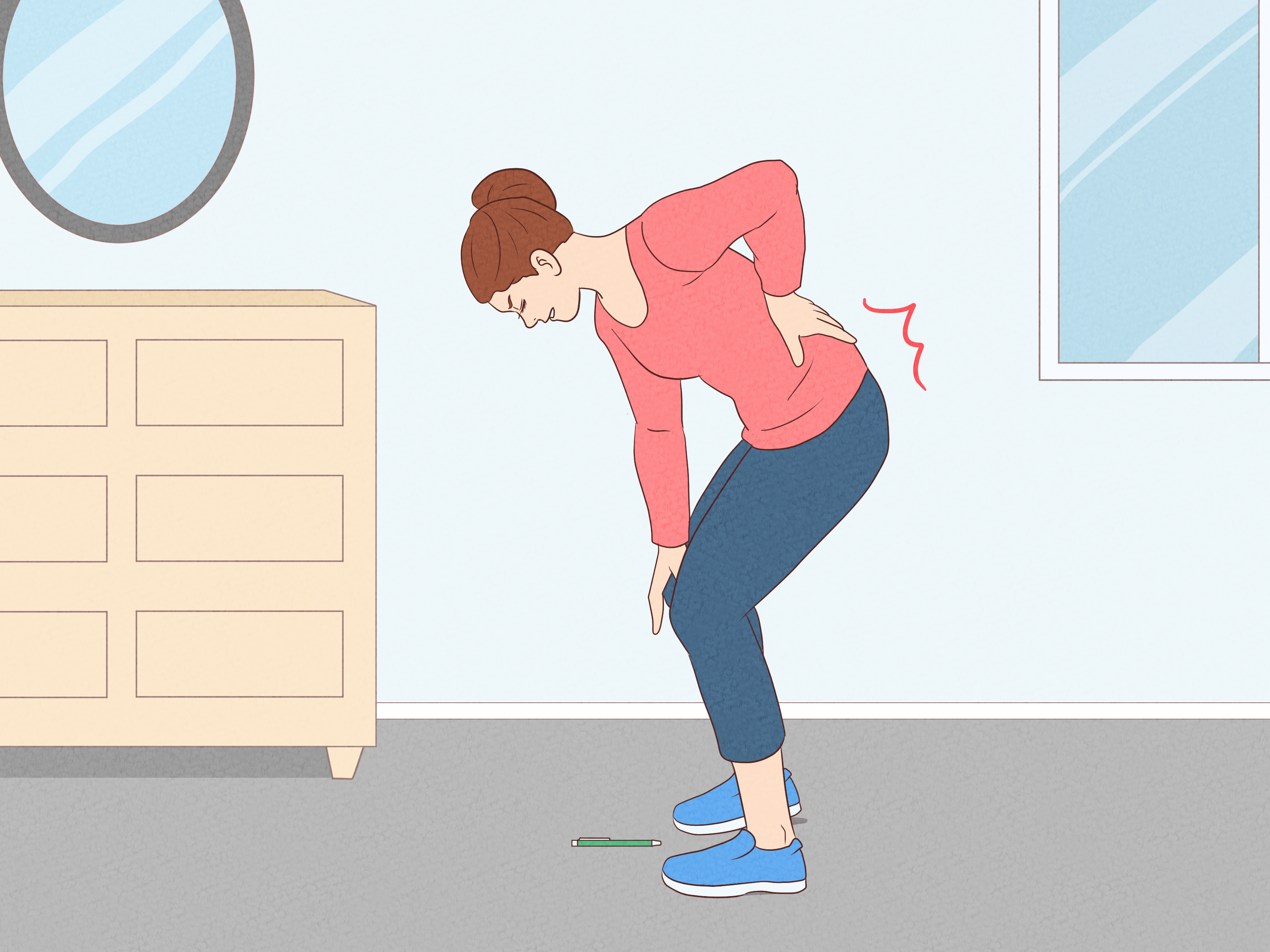

If your lower back has been acting like it pays rent and therefore gets to make all the rules, you are not alone. Lower back pain is incredibly common, and one of the smartest long-term ways to manage it is often not more stretching, more bed rest, or more dramatic groaning when you stand up from the couch. It is better deep core training.
And no, “deep core” does not mean chasing a superhero six-pack. It means training the muscles that help stabilize your spine and pelvis, including your deep abdominals, back stabilizers, diaphragm, and the muscles around your hips. In plain English: your back does not just want stronger abs. It wants reliable backup.
The exercises below focus on core stability, controlled movement, posture, and gentle strength. They are especially useful for people with general lower back pain, deconditioning, desk-job stiffness, or that classic feeling of “my back gets cranky every time life gets busy.” The goal is not to win an ab contest. The goal is to help your spine feel safer, steadier, and less dramatic.
Why Deep Core Exercises Can Help Lower Back Pain
Your lower back does not work alone. It depends on a team. When the deep core muscles are weak, poorly coordinated, or asleep at the wheel, the lower back often has to absorb more strain during everyday movements like standing, lifting, twisting, walking, or even rolling over in bed. That can make pain worse or keep it hanging around like an unwanted houseguest.
Deep core exercises help by improving spinal stability rather than forcing the back through lots of motion. That matters because many people with back pain do better when they learn how to keep the trunk steady while the arms and legs move around it. Think of your torso as the handle of a suitcase: if the handle is wobbly, everything feels harder. When it is stable, movement becomes smoother, safer, and less irritating.
Another bonus: good core work also trains better breathing, better posture, and better glute engagement. Translation: less “all stress goes to my lower back” and more “my body remembered how teamwork works.”
Before You Start: A Few Smart Rules
Start gently. Lower back pain usually responds better to calm consistency than to random acts of fitness. A little bit done well, three or four times a week, beats one heroic workout followed by two days of walking like a haunted folding chair.
Use a pain scale that makes sense. Mild muscle effort is fine. Sharp pain, worsening leg symptoms, numbness, or pain that keeps ramping up is not your body “pushing through.” It is your body filing a complaint. Stop, reset, and regress the movement.
Move slowly and breathe normally. If you hold your breath, twist through the motion, or arch your back to finish a rep, the exercise is probably too advanced right now. That is not failure. That is feedback.
If you have loss of bowel or bladder control, numbness in the groin area, or symptoms that are rapidly worsening, skip the DIY experiment and get medical care right away.
The 15 Best Deep Core Exercises for Lower Back Pain
1. Diaphragmatic Breathing with a 360-Degree Brace
How to do it: Lie on your back with knees bent. Put one hand on your ribs and one on your lower belly. Inhale through your nose and let your ribs and abdomen gently expand. Exhale slowly and lightly tighten your lower abs as if zipping up snug jeans. Why it helps: This teaches breathing and bracing to work together, which can improve core stability without over-tensing the low back. Start with: 5 slow breaths for 2 rounds.
2. Pelvic Tilt
How to do it: Lie on your back with knees bent and feet flat. Gently flatten your lower back toward the floor by tilting your pelvis, then return to neutral. Keep the movement small and controlled. Why it helps: Pelvic tilts wake up the lower abdominals and help you learn where neutral spine actually is, which is surprisingly useful if your back currently treats every movement like a trust fall. Start with: 8 to 10 slow reps.
3. Abdominal Bracing
How to do it: Stay on your back with knees bent. Tighten your abdominal wall as if preparing for a light poke to the stomach, but do not suck in hard or hold your breath. Keep your ribs relaxed and your back comfortable. Why it helps: This builds the base skill behind almost every other deep core exercise on this list. If your brace is sloppy, everything above it gets wobblier. Start with: 5 holds of 10 to 15 seconds.
4. 90-90 Iso Hold
How to do it: Lift your knees so hips and knees are both bent to about 90 degrees. Press your hands into your thighs while your thighs press back into your hands. Keep your back gently flat against the floor. Why it helps: This is an excellent low-motion exercise for teaching deep core tension without irritating the spine. It looks easy, which is adorable, because done well it is not. Start with: 5 to 15 second holds for 3 to 5 rounds.
5. Single-Leg Abdominal Press
How to do it: Lie on your back, lift one leg into tabletop, and place the same-side hand on that knee. Press the hand and knee gently into each other while keeping the trunk still. Why it helps: This teaches anti-movement control and deep abdominal activation with very little spinal stress. It is especially good for people who are not ready for bigger exercises but still want serious core work. Start with: 3 deep breaths per side for 2 rounds.
6. Cross-Body Abdominal Press
How to do it: Lift one knee, then press the opposite hand into that knee. Resist the twist and keep your trunk centered. Why it helps: This adds a gentle anti-rotation demand, which is great because everyday life rarely happens in a perfectly straight line. Reaching, carrying, and turning all ask your core to resist rotation. Start with: 3 deep breaths per side for 2 rounds.
7. Dead Bug
How to do it: Lie on your back with arms up and knees in tabletop. Brace your core and slowly extend one leg and the opposite arm away from your body, then return and switch sides. Keep your lower back from arching off the floor. Why it helps: Dead bugs train anti-extension and anti-rotation control, which is a fancy way of saying they teach your core to stay stable while your limbs move. Start with: 6 to 8 reps per side.
8. Alternating Leg Lowers or Toe Taps
How to do it: From tabletop, slowly lower one foot to tap the floor and bring it back up, alternating sides. If that is easy and your back stays down, progress to longer leg-lowering variations. Why it helps: This strengthens the lower abs and improves pelvic control. Form tip: Only lower the leg as far as you can without your back lifting. If the back pops up, the lever is too long right now. Start with: 6 to 10 reps per side.
9. Glute Bridge
How to do it: Lie on your back with knees bent and feet flat. Tighten your abs and squeeze your glutes to lift your hips until your body forms a line from shoulders to knees. Do not overarch at the top. Why it helps: Bridges strengthen the glutes, hamstrings, and posterior chain while reinforcing trunk stability. Stronger glutes often mean the lower back stops volunteering for jobs that were never supposed to be its responsibility. Start with: 8 to 12 reps.
10. Marching Bridge
How to do it: Hold the top of a bridge, then slowly lift one foot a few inches without letting your pelvis drop or twist. Alternate sides. Why it helps: This is a wonderful progression once basic bridges feel steady. It challenges anti-rotation control and makes each side of the core work harder. Warning: If your hips wag side to side like a shopping cart with one bad wheel, go back to the standard bridge first. Start with: 5 to 8 marches per side.
11. Bird Dog
How to do it: Start on hands and knees. Brace your core, then extend one arm forward and the opposite leg backward without shifting your trunk. Keep the back flat and the movement smooth. Why it helps: Bird dog is one of the best lower back pain exercises because it trains spinal stability during limb movement and also recruits the glutes and back extensors. Start with: 5 to 8 controlled reps per side, holding each rep for a few seconds.
12. McGill Curl-Up
How to do it: Lie on your back with one knee bent and one leg straight. Keep a natural curve in your lower back. Lift your head and shoulders just slightly off the floor without rounding hard through the spine. Why it helps: The McGill curl-up builds anterior core endurance with lower spinal load than many traditional crunches. It is less “ab burner from 2004” and more “smart stability work for a grumpy back.” Start with: 5 short holds per side.
13. Forearm Plank
How to do it: On forearms and toes, create a straight line from head to heels. Squeeze glutes, brace abs, and do not let your hips sag. Bend the knees for a modified version if needed. Why it helps: Planks build whole-core endurance, which matters because your back usually needs lasting support, not just one dramatic second of strength. Start with: 10 to 20 seconds. A clean short plank beats a sloppy long one every time.
14. Modified Side Plank
How to do it: Lie on your side with your elbow under your shoulder and knees bent. Lift your hips off the floor while keeping your body in a straight line from shoulders to knees. Why it helps: Side planks target the obliques and quadratus lumborum, which are important for side-to-side trunk stability. If your back gets annoyed during standing, carrying, or walking, this one often deserves a starring role. Start with: 10 to 15 seconds per side.
15. Standing Anti-Rotation Press
How to do it: Using a resistance band or cable anchored at chest height, stand sideways to the anchor, hold the handle at your chest, and press it straight out without letting your torso twist. Then bring it back in slowly. Why it helps: This teaches the core to resist rotational forces, which is very practical for real life. Carrying groceries, pulling doors, and lifting a toddler are all anti-rotation auditions. Start with: 8 to 10 reps per side.
How to Put These Exercises Into a Simple Routine
If you are just getting started, do not try all 15 in one session unless you enjoy arguing with your abs the next day. Pick one breathing drill, one floor-based activation move, one anti-movement exercise, and one hip or glute exercise. For example: diaphragmatic breathing, 90-90 iso hold, dead bug, and glute bridge. That is already a respectable routine.
After a week or two, add bird dog, modified side plank, or a short forearm plank. Once your control improves, bring in marching bridges and anti-rotation presses. The smartest progression is not “what looks hardest on social media.” It is “what I can do with clean form and zero back sass.”
A good beginner schedule is 10 to 15 minutes, three to four days per week. Walking on off days is also a great idea. Your lower back usually likes frequent, calm movement more than long periods of total stillness followed by a surprise workout.
Common Mistakes That Make Lower Back Pain Exercises Less Helpful
The biggest mistake is rushing. Deep core work is supposed to look boring. That is part of its charm. If you are flinging your limbs around during dead bugs or collapsing through bird dog because you want more reps, you are not really training stability anymore. You are just auditioning for avoidable irritation.
Another common problem is confusing bracing with breath-holding. Your core should feel firm, but you should still be able to breathe. Finally, do not skip the glute work. A lot of people say they want “ab exercises for back pain,” but what they really need is better trunk control plus stronger hips.
Real-Life Experiences: What Starting a Deep Core Routine Often Feels Like
One of the most reassuring things people discover when they begin deep core exercises for lower back pain is that progress usually does not start with some huge cinematic moment. There is no background music. Nobody bursts into applause because you held a modified side plank for 12 seconds. The first signs are smaller and much more useful.
For many people, week one feels humbling. The breathing drill seems almost too simple, then suddenly you realize you have been chest breathing for years like a stressed squirrel. The 90-90 hold looks innocent until your abdomen starts shaking. Bird dog is often the great truth-teller: people expect it to feel easy, but the second one arm and the opposite leg leave the floor, the body starts negotiating. That wobble is not failure. It is information.
By the second or third week, people often notice that everyday movements feel a little less loaded. Getting out of bed is smoother. Standing at the kitchen counter feels less tiring. Rolling over, tying shoes, unloading the dishwasher, or lifting a bag from the car no longer triggers the same instant back grumble. Not gone, maybe, but quieter. That matters.
Another very common experience is discovering that the pain was never just about the back. Some people feel their glutes working for the first time in forever during bridges and suddenly understand that their lower back has been doing all the overtime. Others realize that posture changes during the workday make a difference, especially when they pair better sitting habits with core work and short walks.
There is also usually a mental shift. People who have been afraid to move often start trusting movement again. That is huge. Lower back pain can make normal activity feel risky, so rebuilding confidence is part of recovery. Controlled exercises like dead bugs, curl-ups, and anti-rotation presses help because they create a sense of, “Oh, I can move without making things worse.” That feeling is powerful.
Of course, not every week is magical. Some days the back still feels stiff. Some sessions feel awkward. Some people progress quickly, while others need longer with the beginner versions. That is normal too. Deep core training is rarely about dramatic intensity. It is about repetition, patience, and better quality of movement over time.
The people who tend to do best are usually not the ones who attack the routine the hardest. They are the ones who stay consistent, keep the exercises pain-aware, and let control come before complexity. In other words, they stop trying to bully their backs into behaving and start teaching their bodies how to support the spine better. It is less flashy, sure. But it works a whole lot better.
Conclusion
The best deep core exercises for lower back pain are the ones that teach your spine to feel supported, your hips to contribute, and your body to move without unnecessary strain. That is why the winners are usually not extreme moves. They are controlled, repeatable, and surprisingly effective basics like breathing drills, abdominal bracing, dead bugs, bridges, bird dogs, planks, and anti-rotation work.
If your lower back pain is mild to moderate and not tied to red-flag symptoms, building a simple deep core routine can be one of the smartest things you do for long-term relief. Start small. Stay consistent. Respect pain signals. And remember: your spine does not need punishment. It needs support.
SEO Tags