
Light colored leather is gorgeous in the same way a white shirt at a spaghetti dinner is gorgeous: elegant, brave, and always one tiny accident away from drama. Whether you own a cream leather sofa, a beige handbag, ivory car seats, white sneakers, or a pale leather jacket, you already know the truth. Light leather shows everything. Dust, denim transfer, makeup, snack crumbs, mystery smudges, and that suspicious gray mark that “was definitely not there yesterday” all seem to audition for attention.
The good news is that cleaning light colored leather does not require panic, wizardry, or a cabinet full of aggressive chemicals. In fact, the safest approach is usually calm, gentle, and boringin the best possible way. Leather is durable, but it is also a natural material with a finish that can be stripped, stained, dried out, or darkened if treated too harshly. The goal is not to scrub it into submission. The goal is to lift dirt, treat stains carefully, restore moisture, and protect the surface so it keeps looking fresh.
This guide covers three practical ways to clean light colored leather: routine cleaning, stain-specific treatment, and conditioning plus protection. Each method works best when used at the right time. A dusty cream sofa needs a different approach than a tan leather bag with denim dye transfer. A fresh oil stain is not the same as a dry ink mark. And a white leather chair that looks dull may need conditioning more than another round of soap.
Before You Clean: Know What Kind of Leather You Have
Before you touch your leather with anything damp, check the care label or manufacturer’s instructions. Finished leather, which is common on furniture, handbags, and car seats, usually has a protective coating and can handle gentle cleaning better than unfinished leather. Aniline, nubuck, and suede are more delicate and often need professional care or products designed specifically for those finishes.
Here is a simple test: place one tiny drop of distilled water on a hidden area and wait a minute. If the water beads up, the leather likely has a protective finish. If it soaks in quickly and darkens the leather, it is more absorbent and should be cleaned with extra caution. For expensive, vintage, designer, or sentimental pieces, professional leather cleaning is the safer choice. Your grandmother’s ivory leather chair deserves better than becoming a science experiment.
Basic Supplies You May Need
- Soft white microfiber cloths
- Distilled water
- Vacuum with a soft brush attachment
- Mild natural soap or pH-balanced leather cleaner
- Leather conditioner suitable for light colored leather
- Cornstarch or baking soda for oil-based stains
- Cotton swabs for small marks
- A soft, dry towel for buffing
Always use white cloths when cleaning light leather. Colored cloths can transfer dye, which is exactly the kind of plot twist nobody asked for. Also, avoid bleach, ammonia, harsh detergents, sanitizing wipes, scouring pads, and too much water. These can damage the leather finish, dry the material, or leave permanent discoloration.
Way 1: Routine Cleaning With a Damp Cloth and Mild Cleaner
The first and safest way to clean light colored leather is routine maintenance. This method is best for everyday dust, surface dirt, light smudges, and the general dullness that appears after regular use. Think of it as a spa day for leather, not a power wash.
Step 1: Remove Loose Dust and Debris
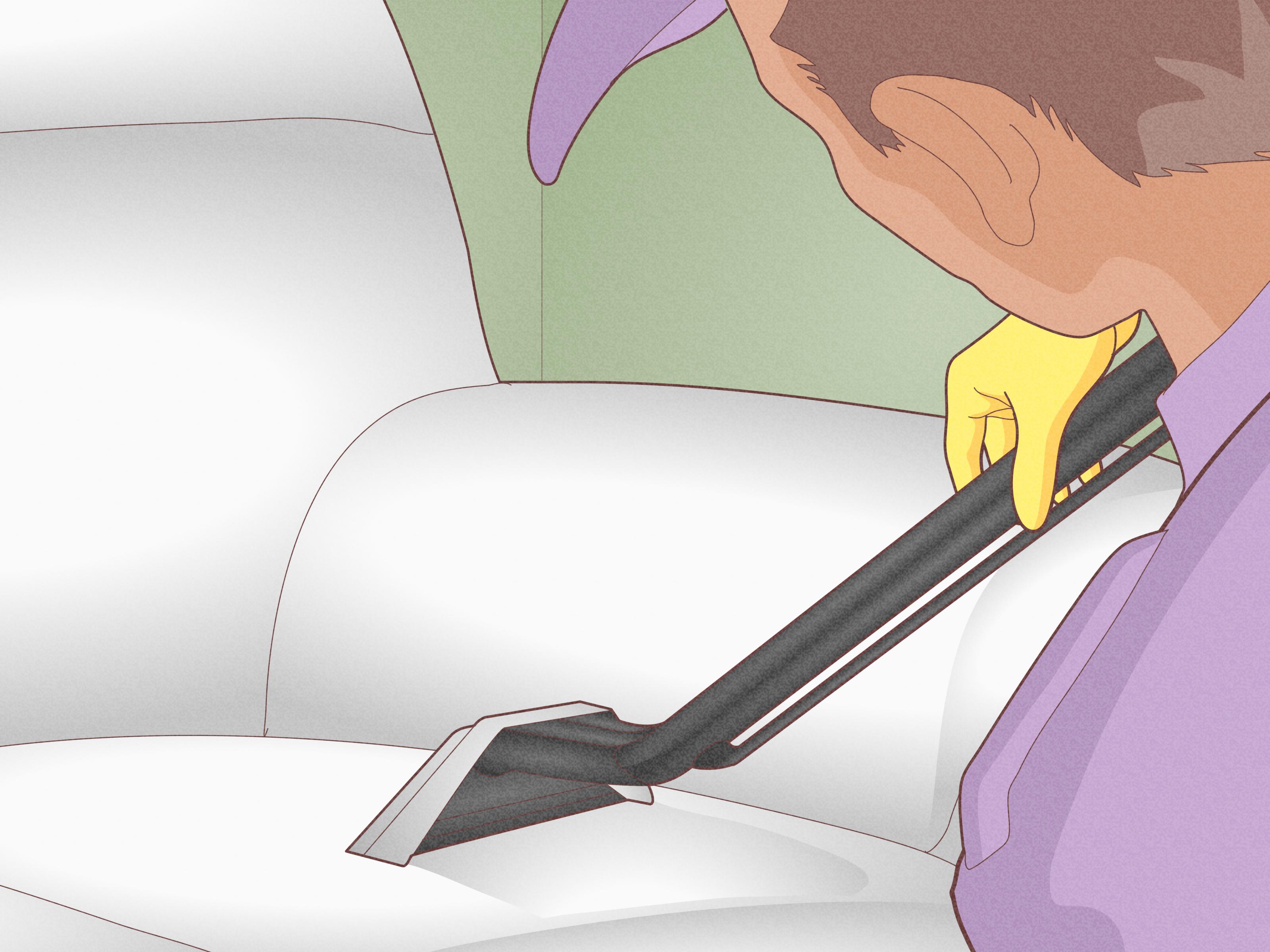
Start by wiping the leather with a dry microfiber cloth. If you are cleaning a couch, chair, or car seat, use a vacuum with a soft brush attachment to remove crumbs and dust from seams, cushions, and crevices. This step matters because dry dirt can scratch the leather when rubbed with a damp cloth. Tiny grit particles are basically sandpaper in disguise.
Step 2: Prepare a Gentle Cleaning Solution
For most finished light colored leather, use distilled water with a tiny amount of mild natural soap, such as Castile soap, or use a cleaner made specifically for leather. The cloth should be damp, not wet. If you can wring water out of it like a beach towel, it is too wet.
A safe homemade option for routine cleaning is a few drops of mild soap mixed into a bowl of distilled water. Distilled water is preferred because it does not contain minerals that may leave marks. Dip a white microfiber cloth into the solution, wring it thoroughly, and test it on a hidden area first. Wait until the spot dries before cleaning the visible surface.
Step 3: Wipe Gently in Small Sections
Work one small section at a time. Use light circular motions or wipe with the grain of the leather. Do not scrub. Light leather can look tough, but scrubbing can wear down the finish and create uneven patches. Pay extra attention to high-contact areas such as armrests, handles, headrests, and seat edges. These spots collect body oils and dirt faster than the rest of the piece.
Step 4: Remove Soap Residue and Dry Immediately
After cleaning each section, wipe it again with a separate cloth dampened only with distilled water. This helps remove soap residue. Then dry the leather with a clean towel. Do not let water sit on the surface, and never use a hair dryer or place leather in direct sunlight to speed drying. Heat can dry out leather and make it crack.
This method works especially well for cream leather sofas, light beige dining chairs, pale leather car interiors, and white leather accessories that need refreshing rather than heavy stain removal. Done regularly, it prevents grime from building up and makes deeper cleaning less necessary.
Way 2: Treat Stains by Type, Not by Panic
Light colored leather is unforgiving because stains are easy to see. The trick is to identify the type of stain before treating it. Using the wrong method can spread the stain or damage the finish. In other words, do not throw every cleaning product at the problem like you are assembling a superhero team. Choose carefully.
For Fresh Spills
If you spill coffee, juice, water, or another liquid on light leather, blot immediately with a clean, dry white cloth. Press gently to absorb the liquid. Do not rub, because rubbing can push the spill deeper or spread it across the surface. Once the area is mostly dry, clean it with the gentle method described above and buff with a dry cloth.
For Oil or Grease Stains
Oil stains can come from food, lotion, hair products, or even hands. On light leather, they may look like darker translucent patches. First, blot the area with a dry cloth. Then sprinkle cornstarch or baking soda over the stain and let it sit for several hours or overnight. The powder can help absorb oil from the surface. Afterward, gently brush or wipe it away with a dry cloth.
If the stain remains, avoid aggressive scrubbing. Repeating the powder method may help with fresh oil, but older grease stains may need a leather professional. This is especially true for unfinished or highly absorbent leather.
For Denim Dye Transfer
Denim transfer is one of the most common problems with white and cream leather. Dark jeans can leave blue or gray marks on sofas, handbags, car seats, and chairs. Treat it as soon as possible. Start with a leather cleaner made for finished leather and a white microfiber cloth. Work gently in small areas, using light pressure. If the dye has been sitting for weeks, it may be harder to remove completely.
Avoid using bleach or harsh stain removers on denim transfer. They may lighten the leather unevenly or damage the protective coating. For expensive pieces, call a leather-care specialist before the stain becomes a permanent roommate.
For Ink Marks
Ink is tricky. A tiny pen dot on finished leather may sometimes be reduced with a cotton swab and a leather-safe cleaner. Work only on the mark itself and test first in a hidden area. Avoid flooding the stain, because liquid can spread the ink.
Some people use rubbing alcohol for ink on leather, but it can remove finish, discolor light leather, and dry the surface. If you try any solvent, do so only after testing, and use the smallest possible amount. For large ink marks, designer bags, luxury furniture, or pale car seats, professional cleaning is the smarter move.
For Makeup, Sunscreen, and Body Oils
Makeup and sunscreen stains can be stubborn because they often contain oils, pigments, and film-forming ingredients. First, remove loose residue with a dry cloth. Then use a pH-balanced leather cleaner or a very mild soap solution. Clean the full panel or section rather than only the spot when possible. This helps avoid a bright “clean circle” surrounded by dull leather.
After cleaning, dry the area completely and apply a suitable conditioner if the leather feels dry. Light leather often shows oily buildup around handles, armrests, and headrests, so regular wiping prevents these stains from becoming set-in.
Way 3: Condition, Protect, and Prevent Future Stains
Cleaning removes dirt, but conditioning helps leather stay flexible and attractive. Light colored leather can dry out over time, especially if it is exposed to sunlight, heat, air conditioning, or frequent cleaning. Conditioner helps restore moisture and can make the leather look smoother and less tired.
Choose the Right Leather Conditioner
Use a conditioner labeled safe for your type of leather and appropriate for light colors. Some oils and conditioners can darken pale leather, so testing is essential. Apply a small amount to a hidden area and wait to see whether the color changes. If the test spot darkens, choose another product.
Apply Conditioner Sparingly
More conditioner is not better. Too much can leave the leather greasy, attract dirt, or create uneven shine. Apply a small amount with a white cloth, spread it thinly, and let it absorb according to the product directions. Then buff with a clean dry cloth.
For furniture and car seats, conditioning every few months may be enough, depending on use and climate. A leather handbag used daily may need more frequent attention than a guest-room chair that only sees action during holidays and awkward family conversations.
Protect Light Leather From Everyday Damage
Prevention is the least glamorous cleaning method, but it works. Keep light leather away from direct sunlight when possible, because UV exposure can cause fading and discoloration. Avoid placing newspapers, dark fabric, or freshly dyed denim on pale leather. Use throws or covers in high-use areas, especially if kids, pets, or snacks are involved.
For car seats, wipe them weekly with a dry or slightly damp microfiber cloth to remove dust and body oils. For handbags, store them in breathable dust bags and keep them away from dark fabrics. For shoes, clean them after wearing instead of waiting until dirt becomes part of their personality.
Common Mistakes to Avoid When Cleaning Light Colored Leather
Using Too Much Water
Leather is not tile. Soaking it can cause water stains, stiffness, or damage to the finish. Always use a damp cloth, not a wet one, and dry the surface immediately.
Scrubbing Like You Are Cleaning a Grill
Aggressive scrubbing can remove color, damage grain, and create shiny worn patches. Gentle pressure is almost always safer.
Skipping the Spot Test
The spot test is not optional. Light leather can react dramatically to cleaners, conditioners, and even water. Test in a hidden area and wait until it dries before moving forward.
Using Random Household Products
Bleach, ammonia, nail polish remover, disinfecting sprays, abrasive powders, and magic erasers may seem tempting, but they can ruin leather finishes. When in doubt, use a leather-specific product or call a professional.
Practical Cleaning Schedule for Light Colored Leather
For most homes, a simple schedule keeps light leather looking clean without overworking it. Dust or wipe weekly with a dry microfiber cloth. Do a gentle damp-cloth cleaning monthly or whenever the leather starts to look dull. Treat spills immediately. Condition every three to six months, depending on how often the item is used and how dry the environment is.
High-traffic pieces need more attention. A white leather sofa in a family room may need weekly inspection, especially around armrests and seat cushions. A cream leather handbag used daily should be wiped more often than one used only for special occasions. Light leather car seats may need frequent cleaning during summer, when sunscreen, sweat, and body oils are more likely to transfer.
Real-Life Experiences: What Actually Works With Light Colored Leather
After cleaning several types of light colored leathersofas, dining chairs, handbags, sneakers, and car seatsthe biggest lesson is this: speed matters, but gentleness matters more. A fresh stain is easier to handle than an old one, but rushing in with the wrong product can make a small problem much worse. The first move should almost always be blotting, dusting, or testing. It feels slow, but it saves the leather.
One cream leather sofa taught this lesson very clearly. The problem area was the armrest, where the leather had developed a grayish film from hands, sleeves, and daily use. At first glance, it looked like a deep stain. But after vacuuming the seams and wiping the armrest with a barely damp white microfiber cloth and mild soap solution, most of the discoloration lifted. The key was cleaning the entire armrest panel rather than only the darkest patch. That prevented one bright clean spot from standing out like a spotlight.
A white leather handbag was a different story. It had denim transfer along the back where it rubbed against dark jeans. Regular soap and water helped only a little. A leather cleaner made for finished leather worked better, but the stain did not disappear in one dramatic movie-scene moment. It faded gradually after careful cleaning sessions. The experience proved that denim transfer should be treated early. Once dye settles into the finish, patience is required, and even then, perfection is not guaranteed.
Light leather sneakers are another excellent example because they collect street dirt quickly. The best routine was simple: wipe them after each wear, especially around the toe and sole edge. Waiting two weeks turned easy dust into stubborn grime. A damp cloth and mild cleaner worked well on smooth leather, while stitching and textured areas needed extra care. The shoes looked much better when cleaned regularly instead of rescued occasionally.
Car seats bring their own challenges. Beige leather seats can pick up sunscreen, sweat, and clothing dye, especially in warm weather. A weekly dry wipe helped more than expected. For deeper cleaning, using too much water caused streaking, while a lightly damp cloth gave a more even finish. Conditioning afterward made the seats feel smoother, but applying too much conditioner left a slippery surface. A thin layer, followed by buffing, was the sweet spot.
The biggest practical takeaway is that light colored leather rewards consistency. You do not need to deep-clean it constantly. You need to notice small marks early, use mild products, avoid soaking the surface, and protect the leather from repeat offenders like dark denim, direct sun, greasy hands, and mystery snacks. Light leather may be high-maintenance compared with darker shades, but it is not impossible. Treat it gently, clean it regularly, and it will keep its bright, polished look without requiring a full-blown cleaning emergency every weekend.
Conclusion
Cleaning light colored leather is all about restraint. Start with routine cleaning using a dry cloth, distilled water, and a mild leather-safe cleaner. Treat stains based on what caused them instead of attacking every mark the same way. Then condition and protect the leather so it stays soft, flexible, and better prepared for daily life.
The best method is not the harshest one. It is the one that preserves the finish while removing dirt. Light leather will always show more than dark leather, but with regular care, fast spill response, and smart prevention, it can stay crisp, elegant, and surprisingly practical. Yes, even in a home where snacks exist.