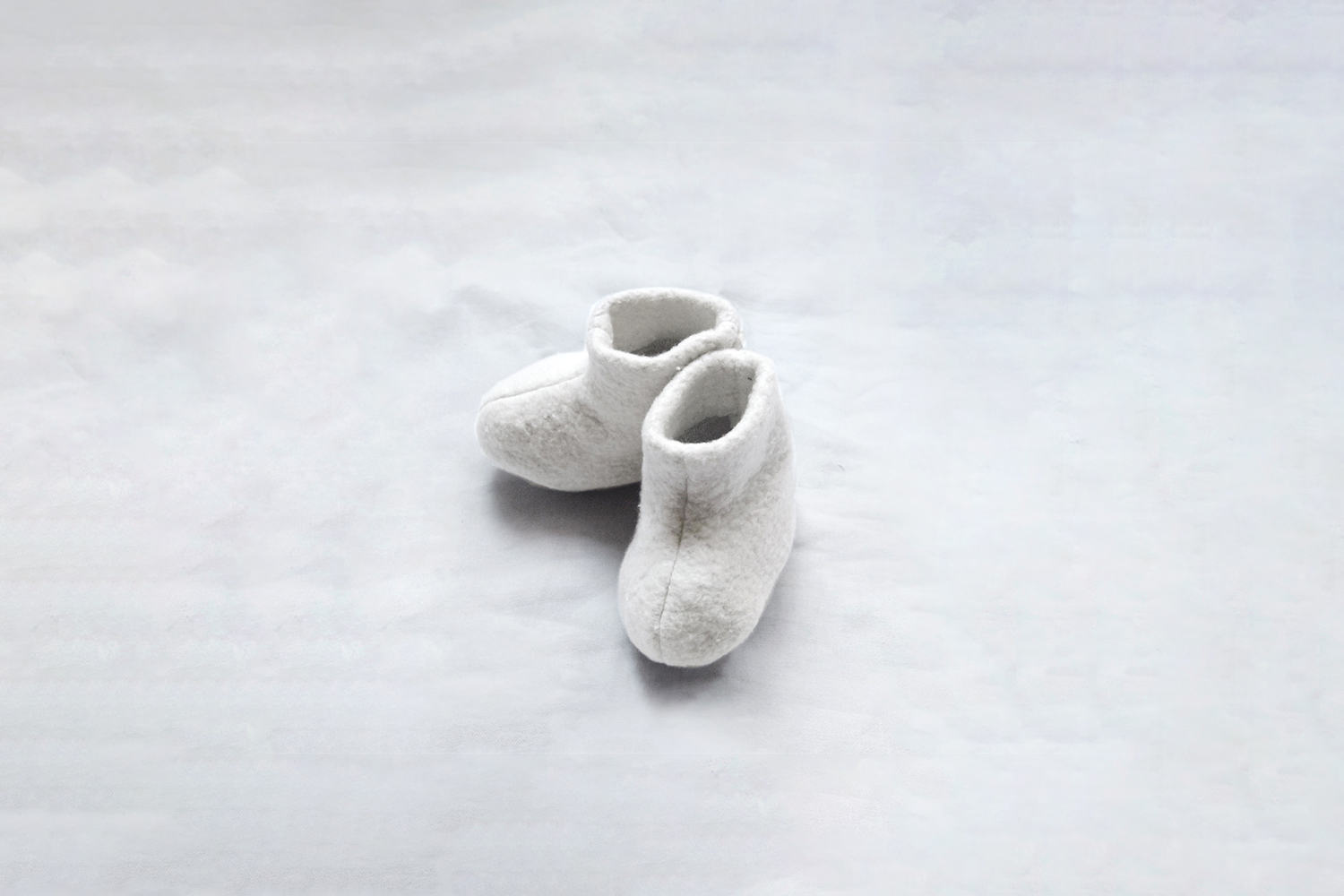

Newborn cotton booties may be tiny enough to disappear into a laundry basket like magic, but they play a surprisingly big role in a baby’s first wardrobe. They keep little toes warm, protect delicate skin, complete those “welcome home” outfits, and, if you choose wisely, stay on longer than twelve heroic seconds. For parents, grandparents, baby-shower shoppers, and anyone who has ever searched the sofa for one missing sock, cotton booties are more than cute accessories. They are practical newborn essentials.
The best newborn cotton booties are soft, breathable, easy to put on, secure without squeezing, and free from unnecessary hard pieces that could irritate or pose safety concerns. They should be cozy enough for naps, flexible enough for wiggly feet, and washable enough to survive spit-up, milk dribbles, diaper-bag chaos, and the mysterious sticky substance that appears on babies even when they only drink milk.
This guide explains what makes cotton booties a smart choice, how to pick the right pair, what safety details matter, and how to care for them so they stay soft. Whether you are building a newborn layette, shopping for a thoughtful baby gift, or trying to solve the Case of the Constantly Missing Sock, here is everything you need to know.
Why Newborn Cotton Booties Matter
Newborns are still learning how to regulate body temperature. Their hands and feet may feel cooler than the rest of their body, especially during the first weeks, because circulation is still developing. Cotton booties offer a gentle layer of warmth without the bulk of structured baby shoes. They are especially useful indoors, during stroller walks, after bath time, or while traveling between air-conditioned rooms and cooler outdoor weather.
Unlike stiff infant shoes, booties are designed for comfort rather than walking support. Newborns do not need firm soles, arch support, or miniature sneakers that look ready for a board meeting. What they need is soft coverage that allows natural foot movement. Cotton booties do exactly that. They wrap the foot without restricting the toes, which is ideal for babies who spend their days kicking, stretching, sleeping, and occasionally conducting emotional negotiations at 3 a.m.
Why Cotton Is a Favorite for Newborn Booties
Softness for Delicate Skin
Newborn skin is delicate, and rough seams, scratchy fibers, or tight elastic can cause discomfort. Cotton is popular because it feels soft against the skin and is generally well tolerated by babies. For families dealing with sensitivity, dryness, or eczema-prone skin, cotton is often recommended because it is breathable and less likely to feel scratchy than wool or heavily synthetic fabrics.
Breathability Without the Drama
Cotton allows air to move through the fabric, which helps reduce the sweaty-foot problem. Yes, even newborns can have tiny warm feet. Breathability matters because overheating is something parents should avoid, especially during sleep. Cotton booties can provide warmth while still feeling lighter than heavy fleece or thick synthetic slippers.
Easy Washing
Newborn items must be easy to clean because babies do not respect laundry schedules. Cotton and cotton-blend booties are often machine washable, making them practical for everyday use. Look for care labels that allow gentle washing and low-heat drying. If the booties require hand-washing with moonlight and classical music, they may not be the best choice for a sleep-deprived household.
Cotton Booties vs. Baby Socks: What Is the Difference?
Baby socks are usually thinner and shaped like adult socks, while booties often have a softer shoe-like design, a cuff, tie, snap, or adjustable closure. Socks are great basics, but booties can offer better coverage around the ankle and may stay on more securely. Many parents use both: socks for warm days and booties when they want a little extra coziness or a more polished outfit.
Some cotton booties look like tiny knitted shoes. Others resemble soft slippers. Some are simple white basics, while others come with quilted textures, crochet designs, ribbed cuffs, or neutral colors that match everything in the diaper bag. The best style depends on the baby’s needs, the season, and whether the household values fashion, function, or simply “whatever stays on until lunch.”
How to Choose the Best Newborn Cotton Booties
1. Check the Fabric Content
Look for booties made from 100% cotton, organic cotton, or a cotton-rich blend. A small amount of spandex or elastane can help the booties stretch and stay in place. Nylon may add durability. The key is balance: cotton should provide softness and breathability, while a little stretch helps prevent the booties from sliding off every time the baby kicks.
2. Choose Gentle Closures
Stay-on design is one of the biggest selling points. Adjustable ankle cuffs, soft elastic, hook-and-loop closures, and gentle snap cinches can help keep booties secure. However, closures should be smooth, low-profile, and firmly attached. Avoid anything that feels sharp, bulky, or overly tight. Newborn booties should hug the foot, not audition as tiny compression socks.
3. Avoid Loose Decorative Pieces
Buttons, beads, dangling charms, zipper pulls, pom-poms, and poorly attached bows may look adorable, but they deserve a careful inspection. Products for babies should not have small parts that can detach. When shopping, tug gently on decorative elements and check stitching quality. For newborns, simpler is often safer.
4. Look for Smooth Seams
Seams should be soft and flat, especially around the toes and ankles. Raised or scratchy seams can rub against delicate skin. If the booties have tags inside, consider whether they can be removed safely without damaging the fabric. Babies are tiny, but their ability to object to uncomfortable clothing is impressively loud.
5. Pick the Right Size
Newborn booties are usually labeled newborn, 0–3 months, or 0–6 months. Sizing varies by brand, so check foot length if available. A good pair should leave room for toe movement but not be so loose that it slips off. If the heel constantly migrates to the ankle, the booties are too big. If the cuff leaves deep marks, they are too tight.
Best Features to Look For
The most useful newborn cotton booties have a few things in common. First, they are easy to put on. Newborn feet are soft and wiggly, and no parent wants to wrestle with complicated footwear during a diaper change. Second, they stay on without squeezing. Third, they wash well and keep their shape. Fourth, they match multiple outfits because babies change clothes more often than celebrities at awards shows.
Neutral colors such as white, cream, gray, oatmeal, beige, and soft pastels are popular because they coordinate with onesies, sleepers, gowns, rompers, and going-home outfits. Multipacks are practical for daily use, while organic cotton or crochet booties make lovely keepsake gifts. For winter babies, look for thicker cotton knit or cotton-blend terry. For warmer weather, lightweight cotton is usually enough.
Safety Tips for Newborn Booties
Do Not Overbundle
Booties are helpful, but they are only one part of dressing a baby comfortably. A common guideline is to dress a baby in about one more layer than an adult would wear in the same environment. Watch the baby’s chest or back of the neck rather than relying only on hands and feet. If the baby feels hot, sweaty, flushed, or damp, remove a layer.
Be Careful During Sleep
For sleep, comfort and safety matter more than cuteness. Soft booties can be part of a sleep outfit if they fit securely and do not have loose pieces, but parents should avoid overheating. A fitted sleeper or sleep sack often provides enough warmth. Loose blankets should not be used in the crib. Booties should never replace safe sleep practices.
Skip Hard Soles for Newborns
Newborns are not walking, so hard soles are unnecessary. Soft soles allow natural movement and are more comfortable for resting, stretching, and kicking. Save structured shoes for later stages when a pediatrician or child development expert says they are appropriate. Until then, newborn feet are perfectly happy in soft cotton coverage.
How Many Pairs of Newborn Cotton Booties Do You Need?
For most families, three to six pairs are enough. If you do laundry often, three pairs may work. If laundry has become a mysterious mountain in the corner of the room, six or more pairs can make life easier. Multipacks are useful for everyday wear, while one or two special pairs can be saved for photos, hospital homecoming, holidays, or visits with relatives who say things like, “Look at those toes!” approximately every four minutes.
Parents should also consider season and climate. A baby born in Minnesota in January may use warm booties daily. A baby born in Florida in July may need lighter cotton socks or booties mostly for air-conditioned spaces. The best newborn wardrobe is not the biggest one. It is the one that fits the baby’s real environment.
How to Wash Newborn Cotton Booties
Wash baby booties before the first use. This helps remove dust, packaging residue, and any finishing substances from manufacturing or shipping. Use a gentle, fragrance-free, dye-free detergent, especially if the baby has sensitive skin. Avoid heavy fabric softeners, strongly scented products, and dryer sheets if irritation is a concern.
To prevent booties from vanishing in the washing machine, place them in a small mesh laundry bag. This single habit can save your sanity. Without it, newborn booties may travel to the same secret place as missing pacifiers and adult socks. Wash with similar colors, use cool or warm water according to the label, and dry on low heat or air-dry when possible.
Organic Cotton Booties: Are They Worth It?
Organic cotton newborn booties can be a great choice for parents who prioritize lower-impact materials and a soft feel. Certifications such as GOTS and OEKO-TEX Standard 100 can help shoppers understand textile claims. GOTS focuses on organic textile processing, while OEKO-TEX Standard 100 indicates that a textile has been tested for harmful substances. These labels are useful because “natural” and “eco-friendly” can be vague unless backed by recognized standards.
That said, not every family needs to buy only organic booties. A well-made cotton-rich pair that is soft, secure, washable, and free from irritating details can be perfectly practical. The best choice is the one that fits the baby, the climate, the budget, and the laundry reality of the household.
Newborn Cotton Booties as Baby Gifts
Newborn cotton booties make excellent baby-shower gifts because they are small, affordable, useful, and easy to pair with other items. Add them to a basket with cotton onesies, a swaddle, burp cloths, and fragrance-free laundry detergent. Choose gender-neutral colors if the parents prefer surprises or minimalist style. For a keepsake touch, select crochet cotton booties or a soft organic pair in a classic shade.
If giving booties as a gift, include a gift receipt and avoid overly decorative designs unless you know the parents’ preferences. New parents usually appreciate items that are cute, but they deeply love items that are cute and usable. Bonus points if the booties can go in the washing machine. Extra bonus points if they stay on.
Common Mistakes to Avoid
One common mistake is buying booties that are too large. Babies grow quickly, but oversized booties slide off and become diaper-bag confetti. Another mistake is choosing style over comfort. Stiff, scratchy, or heavily decorated booties may look charming in photos but are not ideal for everyday use. A third mistake is using booties as a substitute for checking the baby’s overall temperature. Warm feet do not always mean the baby is perfectly dressed, and cool feet do not always mean the baby is cold.
Parents should also avoid relying on a single pair. Newborn items get dirty quickly, and booties are no exception. Milk, drool, diaper leaks, and floor adventures all happen. Keep extras nearby and rotate them often.
Real-Life Experience: What Parents Learn About Newborn Cotton Booties
Here is the truth that product descriptions rarely admit: newborn cotton booties live dramatic lives. One minute they are neatly folded in a nursery drawer, looking like tiny clouds. The next minute one is under the couch, one is in the car seat, and one somehow appears inside a burp cloth. Parents quickly learn that the best booties are not just the softest ones. They are the ones that survive real newborn life.
In the first few weeks, booties are especially helpful during quiet moments at home. After a diaper change, a cotton onesie and soft booties can keep a newborn comfortable without adding bulky layers. During contact naps, parents often notice that babies stay cozy with light layers rather than heavy clothing. Cotton booties are useful because they add warmth to the feet while keeping the outfit breathable and flexible.
Many parents also discover that booties are easier than socks when leaving the house. Socks can slip off during the transfer from crib to car seat, while booties with a gentle cuff or adjustable closure tend to hold better. This matters when you are already carrying a diaper bag, a bottle, a blanket, your phone, your keys, and the emotional weight of remembering whether you packed wipes.
Another experience parents talk about is sizing. A “newborn” label does not guarantee a perfect fit for every newborn. Some babies have long feet, some have tiny curled toes, and some seem personally committed to kicking off anything placed near their ankles. Trying two styles can help: a lightweight cotton sock-style bootie for warm indoor days and a slightly thicker cotton knit bootie for cooler outings.
Laundry is another lesson. The mesh laundry bag is not optional; it is a parenting survival tool. Newborn booties are small enough to hide inside sleeves, cling to towels, or vanish into the washing machine seal. Keeping pairs together before washing saves time and prevents the familiar “why do we own seven left booties?” crisis.
Parents also learn to inspect booties regularly. A loose thread, stretched cuff, or weakened snap can happen after repeated washing. It takes only a few seconds to check the seams and closures before putting booties on the baby. If anything looks loose or uncomfortable, retire that pair from everyday use.
Finally, cotton booties often become sentimental. The pair worn home from the hospital, the pair in the first family photo, or the pair that matched a holiday outfit can turn into a tiny keepsake. Babies outgrow them quickly, but that is part of their charm. One day those booties fit little feet; a few months later, they fit in the palm of your hand and somehow make everyone emotional. Not bad for something that once got lost behind the changing table.
Conclusion
Newborn cotton booties are small, but they solve real problems. They keep tiny feet warm, protect delicate skin, complete outfits, and offer a soft alternative to stiff baby shoes. The best pairs are breathable, washable, secure, and simple. Choose cotton-rich materials, gentle closures, smooth seams, and sizes that allow comfortable movement. Avoid loose decorations, watch for overheating, and wash with baby-friendly detergent.
Whether you are preparing for your own baby or shopping for a newborn gift, cotton booties are a sweet and practical choice. They may not stop every sock from disappearing, but they can make the newborn stage a little cozier, a little cuter, and a lot more comfortable for those impossibly tiny toes.