
High knees look simple. You stand in one place, lift your knees, pump your arms, and suddenly your heart rate acts like it just received shocking news. This classic bodyweight cardio exercise is popular for warm-ups, HIIT workouts, running drills, sports conditioning, and at-home fitness routines because it needs no equipment, very little space, and exactly zero fancy gym machines with confusing buttons.
But simple does not mean sloppy. To get the full benefit from high knees, you need good posture, an engaged core, quick but controlled footwork, and a smart intensity level. Done well, high knees can warm up your hips, quads, calves, glutes, hamstrings, and core while improving coordination and cardiovascular endurance. Done poorly, they can turn into frantic stomping, leaning backward, or a dramatic performance called “My Knees Are Somewhere Near My Waist, Please Send Help.”
This guide breaks down 3 ways to do high knees: the basic standing version, the marching beginner-friendly version, and the high-intensity running version. You will also learn common mistakes, form tips, sample routines, modifications, and practical experience-based advice for making high knees feel less like punishment and more like a useful fitness tool.
What Are High Knees?
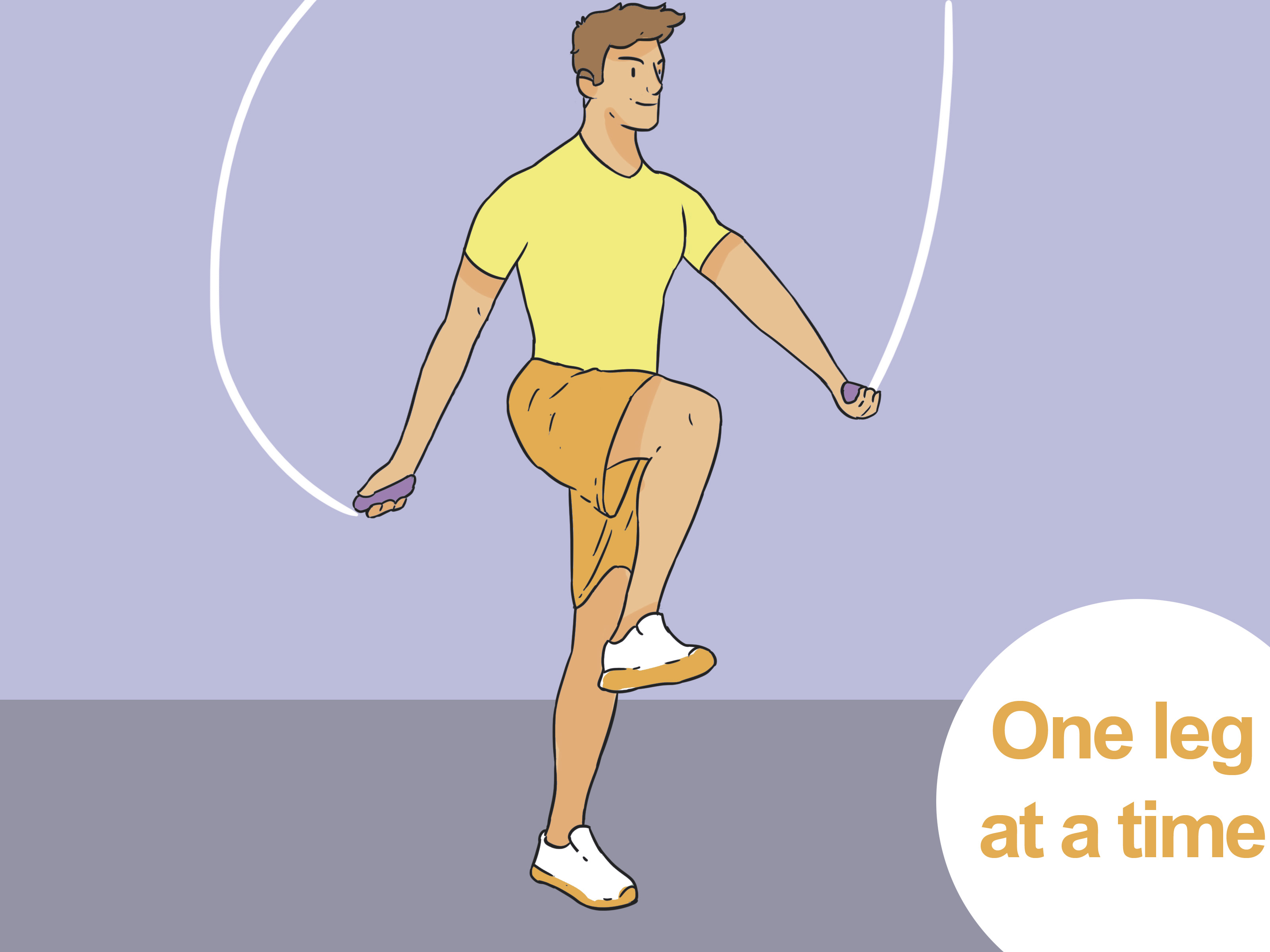
High knees are a dynamic bodyweight exercise where you repeatedly lift one knee at a time toward hip or waist height while moving your opposite arm in a running motion. Think of jogging in place with better posture, more intention, and fewer excuses.
They are often used as a dynamic warm-up exercise before running, strength training, athletic practice, or cardio workouts. Because the movement raises your heart rate and moves your hips, knees, and ankles through an active range of motion, high knees can prepare the body for faster and more intense exercise.
Benefits of High Knees
They Raise Your Heart Rate Quickly
High knees are a cardiovascular exercise, especially when performed at a brisk pace. Within seconds, your breathing picks up, your heart rate climbs, and your body realizes this is not casual standing anymore. This makes high knees useful for HIIT circuits, cardio finishers, and quick workout breaks.
They Warm Up the Lower Body
The movement activates the hip flexors, quadriceps, hamstrings, calves, glutes, and core. That makes high knees helpful before running, sprinting, jumping, cycling, dancing, or lower-body strength training.
They Improve Coordination
High knees require opposite-arm, opposite-leg movement, just like running. This helps train rhythm, balance, and athletic coordination. Your brain and body have to work together, which is good news unless your left arm and right knee are currently not speaking.
They Need No Equipment
You can do high knees in a gym, living room, hotel room, hallway, park, or beside your desk. Just make sure the floor is not slippery and your upstairs neighbor is either very patient or not home.
Before You Start: Proper High Knees Form
Good form is the difference between an effective high knees workout and a chaotic knee-flapping festival. Before trying the three variations, use these basic form rules:
- Stand tall: Keep your chest lifted and spine neutral.
- Brace your core: Imagine lightly tightening your abs before someone pokes your stomach.
- Lift knees toward hip height: Your thighs should move toward parallel with the floor if your mobility allows.
- Pump your arms: Bend elbows around 90 degrees and move arms naturally, like running.
- Land lightly: Stay on the balls of your feet and avoid heavy stomping.
- Keep breathing: Holding your breath will not make you more athletic. It will just make your face interesting colors.
Way 1: Basic Standing High Knees
The basic standing version is the standard high knees exercise most people know. It is perfect for warm-ups, beginner cardio, home workouts, and learning proper technique before increasing speed.
How to Do Basic High Knees
- Stand with your feet hip-width apart and arms at your sides.
- Lift your chest, relax your shoulders, and engage your core.
- Drive your right knee up toward hip height while swinging your left arm forward.
- Lower your right foot lightly to the floor.
- Immediately lift your left knee while swinging your right arm forward.
- Continue alternating sides in a controlled rhythm.
How Long to Do Them
Start with 20 to 30 seconds at a moderate pace. Rest for 20 to 30 seconds, then repeat for 2 to 4 rounds. As your fitness improves, increase the time to 45 or 60 seconds.
Best For
- General warm-ups
- At-home cardio workouts
- Beginner-friendly conditioning
- Preparing for running or bodyweight circuits
Form Tips
Focus on lifting your knees with control rather than bouncing wildly. Your torso should remain upright, not leaning backward as if your knees are personally attacking you. Keep your foot strike light and quick. If your feet are slapping the floor loudly, slow down and regain control.
Way 2: Marching High Knees for Beginners
Marching high knees are the lower-impact version. They are excellent for beginners, older adults, people returning to exercise, or anyone who wants the benefits of high knees without turning the living room into a mini trampoline park.
How to Do Marching High Knees
- Stand tall with your feet hip-width apart.
- Brace your core and keep your shoulders relaxed.
- Lift your right knee toward your waist as high as comfortable.
- Pause briefly at the top, then lower your foot with control.
- Lift your left knee and repeat.
- Continue alternating legs at a steady marching pace.
How Long to Do Them
Try 30 to 60 seconds per set. Rest as needed and repeat for 2 to 3 rounds. You can also use marching high knees as part of a 5-minute dynamic warm-up.
Best For
- Beginners learning high knees
- Low-impact cardio
- Balance and coordination practice
- Warm-ups before walking or light strength training
Make It Easier
If balance is a challenge, stand near a wall, countertop, or sturdy chair. You can lightly touch the support while lifting each knee. Keep the movement smooth and controlled. The goal is not to win a marching band audition; it is to build confidence and control.
Make It Harder
Slow the movement down and hold each knee up for one or two seconds. This increases core engagement and balance demand. You can also raise your arms overhead or add a gentle twist toward the lifted knee.
Way 3: Running High Knees for Cardio and HIIT
Running high knees are the spicy version. This variation is faster, more intense, and best for people who already have good basic form. It is commonly used in high-intensity interval training, sprint preparation, boot camp workouts, and athletic conditioning.
How to Do Running High Knees
- Stand tall with your feet hip-width apart.
- Engage your core and bend your elbows to about 90 degrees.
- Quickly drive your right knee up toward hip height.
- Land lightly on the ball of your right foot while lifting your left knee.
- Pump your arms quickly in opposition to your legs.
- Continue alternating as fast as you can while maintaining good posture.
How Long to Do Them
For HIIT, try 15 to 30 seconds of running high knees followed by 30 to 60 seconds of rest. Repeat for 4 to 8 rounds depending on your fitness level.
Best For
- HIIT workouts
- Cardio intervals
- Sprint warm-ups
- Sports conditioning
- Calorie-burning bodyweight circuits
Important Safety Tip
Speed should never defeat form. If your posture collapses, your knees stop rising, or your feet start landing like dropped furniture, reduce the pace. High knees should feel athletic, not accidental.
Common High Knees Mistakes
Leaning Back
Many people lean backward to lift the knees higher. This reduces core control and can make the movement less efficient. Stay tall and slightly forward through the ankles, as if preparing to run.
Not Using the Arms
Your arms are not decorative accessories. Pump them naturally to support rhythm and balance. Strong arm action also makes the exercise feel more coordinated.
Stomping the Feet
Loud landings usually mean too much impact. Land softly on the balls of your feet. Quiet feet are often a sign of better control.
Letting the Core Go Loose
A relaxed core can lead to wobbling, arching, or twisting. Keep your abs lightly engaged so your hips and spine stay stable.
Going Too Fast Too Soon
High knees are more effective when you build speed gradually. Learn the marching version, master the basic version, then move into the running version.
High Knees Workout Examples
Beginner Warm-Up Routine
- Marching high knees: 45 seconds
- Arm circles: 30 seconds
- Bodyweight squats: 10 reps
- Walking lunges: 10 reps per side
- Basic high knees: 20 seconds
Quick Cardio Circuit
- High knees: 30 seconds
- Jumping jacks: 30 seconds
- Mountain climbers: 30 seconds
- Rest: 60 seconds
- Repeat 3 to 5 rounds
Runner’s Dynamic Warm-Up
- Brisk walk or light jog: 3 minutes
- Leg swings: 10 per side
- Walking lunges: 10 per side
- High knees: 20 yards or 30 seconds
- Butt kicks: 20 yards or 30 seconds
- Easy run build-up: 1 to 2 minutes
Muscles Worked During High Knees
High knees primarily target the lower body and core, but the movement is more full-body than it appears. The hip flexors help lift the knees, the quadriceps assist with leg drive, the calves support quick foot contact, and the glutes and hamstrings help stabilize the hips. Your abdominal muscles work to keep your trunk steady, while your shoulders and arms contribute to rhythm and running mechanics.
In other words, high knees are not just “knees being high.” They are a coordinated cardio movement that asks several muscle groups to clock in at the same time.
Who Should Be Careful With High Knees?
High knees are generally accessible, but they may not be ideal for everyone at full speed. If you have knee pain, hip pain, ankle issues, balance concerns, or are returning from injury, start with marching high knees or choose another low-impact warm-up. Anyone with a medical condition or injury should follow professional guidance before adding high-intensity movements.
You can also reduce impact by slowing the pace, lowering knee height, using a supportive surface, or holding a stable object for balance.
How to Add High Knees to Your Fitness Routine
Use high knees where they make sense. As a warm-up, keep them controlled and moderate. As a cardio interval, make them faster and more intense. As a running drill, focus on posture, arm drive, and quick foot turnover.
A practical weekly approach might look like this:
- Before strength training: 2 rounds of 30 seconds basic high knees.
- Before running: 20 to 30 seconds as part of a dynamic warm-up.
- During HIIT: 20 seconds hard, 40 seconds rest, repeated 6 times.
- For active breaks: 1 minute marching high knees between long sitting periods.
of Real-World Experience: What High Knees Actually Feel Like
The first time many people try high knees, they think, “This looks easy.” Then, 18 seconds later, they begin negotiating with their lungs. That is the funny thing about this exercise: it does not require equipment, complicated technique, or a personal trainer shouting motivational poetry. Yet it can humble almost anyone when performed with intensity.
One of the best ways to use high knees is as a quick body check. If you start a workout feeling sleepy, stiff, or mentally still attached to your couch, 30 seconds of high knees will tell you exactly where your body is. Some days, your knees rise smoothly, your arms pump naturally, and you feel like an athlete in a sports commercial. Other days, your timing is off, your feet feel heavy, and your coordination resembles a baby deer discovering taxes. Both experiences are useful.
For beginners, marching high knees often feel more productive than rushing into the running version. The slower pace gives you time to notice whether your core is engaged, whether one hip feels tighter than the other, and whether your balance needs work. A good beginner session might be three rounds of 45 seconds of marching high knees with 30 seconds of rest. It will not look dramatic, but it builds the foundation for better movement.
For people who sit a lot, high knees can feel surprisingly refreshing. After hours at a desk, the hip flexors can feel stiff and the body can feel half-asleep. A short set of marching or basic high knees gets the hips moving, warms the legs, and wakes up posture. It is like sending your lower body a calendar reminder that it still exists.
In HIIT workouts, high knees are best used in short bursts. A 20-second round done with strong form can be more effective than a sloppy 90-second round where the knees barely lift and the arms are flailing like inflatable tube men outside a car dealership. Quality matters. Keep the chest tall, drive the knees, and stay light on the feet.
Runners often benefit from high knees because the movement reinforces knee drive, arm swing, and quick contact with the ground. However, the goal is not just to lift the knees as high as possible. The goal is to move with rhythm and control. Think quick, tall, and elastic.
The biggest lesson from practicing high knees is that intensity is adjustable. You can make them gentle enough for a warm-up or challenging enough to finish a workout with fireworks. Start where your body is today, not where your ego thinks it should be. Your ego does not have to climb stairs tomorrow. Your legs do.
Conclusion
High knees are one of the most useful bodyweight exercises because they are simple, versatile, and effective. You can perform them as a beginner-friendly march, a controlled standing drill, or a fast cardio interval. Each version helps improve coordination, warm up the lower body, activate the core, and raise the heart rate.
The key is to match the variation to your fitness level and goal. Use marching high knees when you want low impact, basic high knees when you want a balanced warm-up, and running high knees when you want high-intensity cardio. Keep your posture tall, your core engaged, your feet light, and your arms moving naturally.
Whether you are warming up for a run, squeezing in a home workout, or trying to convince your body that yes, movement is happening today, high knees are a reliable choice. They may be old-school, but they still work. And unlike most gym equipment, they never need charging, updating, or a mysterious Allen wrench.