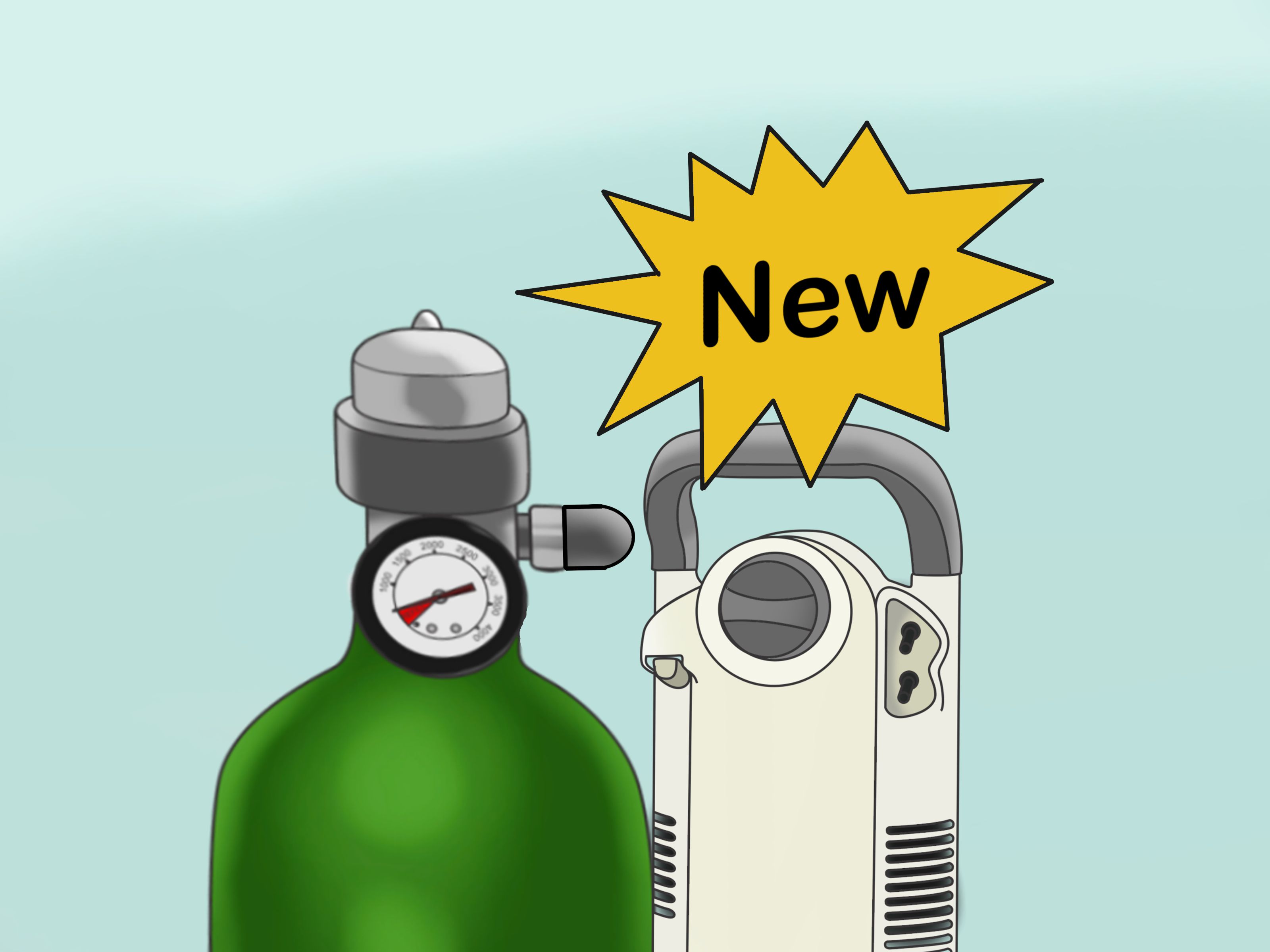

Filling an oxygen tank sounds simple, right? Empty tank, add oxygen, breathe easier. Unfortunately, oxygen is not lemonade, and an oxygen cylinder is not a backyard cooler. Medical oxygen is a regulated therapy, compressed oxygen is stored under high pressure, and liquid oxygen is cold enough to make your freezer look like a tropical resort. So yes, there are safe ways to fill or replace oxygen tanksbut they must be done with the right equipment, the right prescription, and the right safety habits.
This guide explains the three practical ways people commonly keep portable oxygen tanks ready: using a home-fill oxygen system, refilling a portable liquid oxygen unit from a stationary reservoir, and arranging professional refill or cylinder exchange through an oxygen supplier. It is written for patients, caregivers, and families who want to understand the process without turning their living room into a tiny, wheezing science experiment.
Important safety note: This article is for general education only. Always follow your doctor’s oxygen prescription, your supplier’s instructions, and the user manual for your specific equipment. Never attempt to fill a medical oxygen cylinder with a shop compressor, welding oxygen, scuba equipment, homemade adapters, or mystery hardware from the garage drawer of doom.
Why Oxygen Tanks Need Special Handling
Oxygen therapy helps people who cannot get enough oxygen from room air because of conditions such as COPD, pulmonary fibrosis, heart failure, severe asthma, or other lung and heart problems. A healthcare provider prescribes the flow rate, when to use oxygen, and what type of system is appropriate. The tank itself is only one piece of the setup. Regulators, conserving devices, tubing, cannulas, gauges, carts, refill systems, and backup supplies all matter.
Oxygen does not burn by itself, but it makes fire burn hotter, faster, and more aggressively. That is why oxygen safety rules can sound dramatic. No smoking. No open flames. Keep equipment away from stoves, candles, space heaters, oily products, aerosols, and sparking devices. Secure cylinders upright. Check gauges. Plan ahead before a tank runs empty. In oxygen safety, “I’ll deal with it later” is not a strategy; it is the opening scene of a bad day.
Before choosing any oxygen tank refill method, confirm three things: your prescription allows the oxygen source you plan to use, your equipment is compatible, and you have been trained by a qualified oxygen supplier or respiratory professional. Compatibility is especially important because not every portable cylinder can connect to every filling system.
Method 1: Fill a Portable Oxygen Cylinder with a Home-Fill Oxygen System
A home-fill oxygen system is designed to let approved patients fill small portable oxygen cylinders at home. These systems usually work with a stationary oxygen concentrator and a separate compressor or filling unit. The concentrator pulls in room air, separates oxygen from other gases, and sends oxygen to the filling compressor. The compressor then fills a compatible portable cylinder for use outside the home.
How a Home-Fill System Works
A typical home-fill setup includes a stationary oxygen concentrator, a home-fill compressor, special oxygen tubing, and compatible refillable cylinders. The patient may breathe oxygen from the concentrator while the refill system fills the portable cylinder, depending on the model and prescription. Filling can take several hours, especially for larger portable cylinders. This is not a “top it off while tying your shoes” situation. It is more like charging an electric car, except the car is a small metal bottle that helps you go grocery shopping.
The exact process varies by manufacturer, but the general routine usually includes checking that the system is on a stable surface, confirming that the cylinder is approved for the unit, attaching the cylinder correctly, turning on the concentrator and compressor according to instructions, and waiting until the system indicates that the cylinder is full. Some systems use indicator lights such as “filling” and “full.” The user then shuts the equipment off, disconnects the cylinder, checks the contents gauge, and stores or transports the cylinder safely.
When This Method Makes Sense
A home-fill oxygen system may be useful for people who need portable oxygen for errands, appointments, social visits, or short trips away from home. It can reduce dependence on frequent cylinder deliveries and may give families more control over their supply schedule. For people who like independence, it feels a little like having a tiny oxygen gas station in the houseminus the questionable hot dogs under a heat lamp.
However, home-fill systems are not right for everyone. They require compatible cylinders, enough space, electrical power, regular maintenance, and the ability to follow the steps safely. Patients with higher oxygen-flow needs may also need a different setup because small portable cylinders can empty quickly at higher flow settings. Your oxygen provider should help calculate how long a full cylinder will last based on your prescribed flow rate and whether you use continuous flow or pulse-dose delivery.
Safety Tips for Home-Fill Oxygen Systems
Keep the concentrator and filling unit in a well-ventilated area. Do not cover vents, crowd the machine against curtains, or plug it into an overloaded power strip. Use only the cylinders, regulators, and connectors approved for your specific system. If the cylinder does not attach easily, do not force it. Oxygen equipment should never require a wrestling match.
Never use oil, grease, petroleum jelly, or oily lotions near oxygen fittings. Oxygen and oil are a famously terrible combination. Also, do not try to refill cylinders that are damaged, expired, leaking, or not designed for your home-fill unit. If the system alarms, overheats, smells unusual, or behaves like it has developed a personality, stop using it and call your supplier.
Method 2: Refill a Portable Liquid Oxygen Unit from a Stationary Reservoir
Liquid oxygen systems are another way to keep portable oxygen available. In this setup, a large stationary reservoir stores oxygen in liquid form at extremely cold temperatures. A smaller portable liquid oxygen unit can be refilled from the reservoir and carried outside the home. Liquid oxygen is popular for some users because it can provide longer portable duration in a smaller, lighter unit compared with some compressed gas cylinders.
How Liquid Oxygen Filling Works
With liquid oxygen, the stationary reservoir is usually delivered and refilled by the oxygen supplier. The patient or caregiver may then fill the portable unit from that reservoir. The basic process often includes keeping both units upright, wiping the filling connectors clean and dry, aligning the portable unit with the reservoir connection, locking it into place, opening the fill valve or lever according to the manufacturer’s instructions, and waiting until the portable unit is filled.
During filling, you may hear gas venting. Frost or vapor may appear around the connection because liquid oxygen is extremely cold. That does not mean your oxygen unit has suddenly become a haunted teapot. It does mean you must avoid touching frosted parts with bare skin. Cold burns from liquid oxygen equipment can be serious.
When This Method Makes Sense
Liquid oxygen may work well for people who need longer periods away from home, continuous-flow oxygen, or a lighter portable option. It may also be helpful when a portable oxygen concentrator cannot meet a person’s prescribed oxygen needs. Some people like liquid oxygen because the portable units can be easier to carry than certain compressed cylinders.
The trade-off is that liquid oxygen slowly evaporates, even when it is not being used. That means supply planning matters. If a portable unit is filled and then forgotten in a corner, some oxygen may be lost over time. Liquid oxygen also requires careful handling, supplier support, and clear training. The equipment must remain upright, and portable units should be filled only according to the manual.
Safety Tips for Liquid Oxygen
Always keep liquid oxygen equipment upright. Do not lay the reservoir or portable unit on its side. Keep the filling connectors clean and dry before connecting the portable unit. Moisture can freeze and interfere with the connection. Wear appropriate protection if your supplier recommends it, and keep your hands away from frosted metal parts.
Store liquid oxygen away from enclosed spaces, heat sources, and flames. Do not smoke near it. Do not keep it in a closet, trunk, or cramped area with poor ventilation. Oxygen-rich environments make ordinary materials easier to ignite, and liquid oxygen adds the extra concern of extreme cold. In other words: respect the tank, and the tank will be much less dramatic.
Method 3: Use Professional Oxygen Refill or Cylinder Exchange Services
The most common and safest option for many patients is professional refill or cylinder exchange through a medical oxygen supplier. Instead of filling the cylinder yourself, you receive full cylinders and return empty or low cylinders according to your delivery schedule. In many home oxygen programs, the supplier provides the cylinders, contents, regulators, tubing, and safety education.
How Supplier Refill or Exchange Works
With professional exchange, your oxygen company delivers full tanks and takes away empties. Some suppliers schedule regular deliveries, while others ask patients to call when the gauge reaches a certain level. The supplier is responsible for proper filling, inspection, labeling, maintenance, and transport of medical oxygen cylinders. This is especially important because compressed oxygen cylinders must be filled under controlled conditions by trained professionals using approved equipment.
Patients and caregivers still have important responsibilities. You need to monitor the pressure gauge or contents indicator, know how long each tank lasts at the prescribed setting, and keep enough backup oxygen available. Running out of oxygen is not like running out of chips during a movie. It can become a medical emergency.
When This Method Makes Sense
Professional cylinder exchange is often best for people who do not want to manage refill equipment, do not have compatible home-fill systems, need larger compressed cylinders, or prefer supplier-managed service. It is also the correct route for cylinders that require professional inspection or requalification. If a tank is damaged, leaking, dropped hard, missing labels, or past its service date, do not use it. Call the supplier.
Professional refill service is also the safest choice for anyone unsure about equipment compatibility. Oxygen cylinders use specific valve connections and fittings for a reason. Improvised adapters can create leaks, contamination, pressure hazards, and fire risks. The universal rule is simple: if it was not supplied or approved by your oxygen provider, do not connect it.
Safety Tips for Delivered Oxygen Tanks
Store cylinders upright in a rack, stand, or cart so they cannot tip over. Keep full and empty tanks separated if your supplier asks you to. Do not store cylinders near heat, open flame, oily materials, gasoline, paint thinner, or other combustibles. When moving a cylinder, use an appropriate cart rather than dragging or rolling it. A falling cylinder can damage the valve, and a damaged high-pressure cylinder can become extremely dangerous.
Before using a tank, check the gauge and confirm you have enough oxygen for your outing. Bring more oxygen than you think you need, especially for medical appointments, traffic delays, or family gatherings where “we’ll leave in ten minutes” means “someone is still looking for their shoes.”
What Not to Do When Filling an Oxygen Tank
Do not fill a medical oxygen tank with industrial oxygen unless your supplier and healthcare provider specifically provide the correct medical-grade system. Do not use welding oxygen, aquarium equipment, tire inflators, shop compressors, scuba compressors, or online adapters. Do not transfer oxygen from one cylinder to another unless you are a trained professional using approved transfilling equipment in an appropriate setting.
Do not modify regulators, valves, gauges, conserving devices, or tubing. Do not lubricate oxygen fittings. Do not tape cracked parts and hope for the best. Oxygen equipment is one of those areas where “good enough” is not good enough. If something looks wrong, smells wrong, sounds wrong, or feels wrong, stop and call the supplier.
How to Know When Your Oxygen Tank Needs Refilling
Most compressed oxygen cylinders have a pressure gauge or contents indicator. Your supplier should teach you how to read it and when to request replacement tanks. Portable cylinders may also have estimated duration charts. These charts help estimate how long a tank will last at different flow settings, but they are not magic. Real-world use, conserving-device settings, leaks, and higher flow rates can affect duration.
A smart habit is to check the gauge before leaving home, before entering a medical appointment, before a long car ride, and before going to sleep if you rely on cylinder oxygen overnight. Keep a written oxygen plan near the equipment. Include supplier phone numbers, backup oxygen instructions, emergency contacts, and what to do during a power outage.
Choosing the Best Oxygen Refill Method
The best method depends on your prescription, lifestyle, mobility needs, insurance coverage, home setup, and comfort level with equipment. A home-fill system may be ideal for someone who wants independence and uses compatible portable cylinders. Liquid oxygen may be a strong option for someone who needs longer portable use or continuous flow. Supplier exchange may be simplest and safest for people who prefer professional handling.
Ask your oxygen provider these questions before deciding:
- Which refill or delivery method matches my prescription?
- How long will each portable tank last at my flow setting?
- Do I need continuous flow or pulse-dose oxygen?
- What backup oxygen should I keep at home?
- What should I do during a power outage?
- Who do I call if a tank leaks, falls, or will not connect?
- What maintenance does my equipment require?
Oxygen Tank Safety Checklist
Whether you fill a tank at home or receive filled cylinders from a supplier, the safety habits are similar. Keep oxygen away from smoking, flames, sparks, and heat. Secure tanks upright. Keep equipment clean and dry. Avoid oil and grease. Use only approved parts. Check gauges regularly. Store backup oxygen where it is easy to reach. Teach family members the basics so they can help without guessing.
Also, be honest with your oxygen supplier about your daily routine. If you cook often, travel frequently, live in a building with power outages, or need oxygen during sleep, those details matter. The best oxygen setup is not just medically correct; it fits real life. Real life includes stairs, dogs, grandkids, grocery bags, and doorways that seem personally offended by oxygen tubing.
Practical Experiences: What Filling an Oxygen Tank Is Really Like
For many first-time oxygen users, the hardest part is not the oxygen itself. It is the routine. A new oxygen tank can feel intimidating, especially when the supplier drops off equipment that looks like it belongs in a small clinic. The first few days usually involve checking gauges too often, worrying about tubing, and asking, “Is that sound normal?” about every harmless hiss. That is completely understandable. Oxygen equipment is medical, mechanical, and personal all at once.
One common experience with home-fill systems is learning patience. People often expect the refill process to be fast, then discover that portable cylinders may take hours to fill. The best approach is to build a rhythm: fill cylinders after returning home, check them before bed, and keep one ready for the next day. Treat it like charging a phone. You do not wait until the phone is at 1% before a road trip, and you should not wait until the oxygen gauge is flirting with empty before a doctor’s appointment.
Caregivers often say that labeling helps. A simple “full,” “in use,” and “empty” system can prevent confusion, especially when several cylinders are stored in the same area. Some families keep a small notebook near the oxygen station to record when tanks were filled or delivered. It may sound old-fashioned, but paper does not need Wi-Fi, and it never says, “Update required.”
With liquid oxygen, the biggest adjustment is respecting the cold. People quickly learn not to rush the filling connection and not to touch frosty parts. The filling process can make vapor, which may look alarming at first. After training, many users become comfortable with it, but the rule remains the same: follow the manual every time. Familiarity is useful; overconfidence is not.
Supplier exchange is often the least technically demanding option, but it still requires planning. Delivery schedules can be affected by holidays, weather, or local service routes. Experienced users usually call before they are down to their last tank. They also keep emergency numbers visible and make sure backup cylinders are accessible, not buried behind winter decorations, old paint cans, and the mysterious box labeled “misc.”
Travel adds another layer. Before leaving home, experienced oxygen users check the tank gauge, confirm the flow setting, bring extra tubing or cannulas if recommended, and calculate oxygen duration with a buffer. A two-hour trip can become four hours with traffic, waiting rooms, or lunch stops. Oxygen planning is not pessimism; it is freedom with math.
The most valuable lesson is that oxygen equipment becomes less scary with training and repetition. At first, every valve and gauge feels important because it is. Over time, safe habits become automatic: check the tank, secure it upright, keep it away from heat, avoid smoking, and call the supplier when something is off. Oxygen therapy may add equipment to daily life, but with the right refill method and a steady routine, it can also add confidence, mobility, and breathing roomliterally.
Conclusion
There are three safe, practical ways to fill or replace an oxygen tank: use an approved home-fill oxygen system, refill a portable liquid oxygen unit from a stationary reservoir, or rely on professional oxygen refill and cylinder exchange services. Each method has advantages, limits, and safety rules. The right choice depends on your prescription, equipment, mobility needs, and supplier support.
The golden rule is simple: oxygen equipment should be handled only as instructed by your healthcare provider, oxygen supplier, and device manual. Never improvise. Never use unapproved oxygen sources. Never ignore fire safety. A well-managed oxygen system should make life easier, not turn your home into a high-pressure guessing game.