
A suspended driver’s license can make an ordinary Tuesday feel like a transportation-themed escape room. You still need to get to work, buy groceries, attend appointments, pick up children, and occasionally leave the house for reasons more exciting than purchasing toothpaste. The car may be sitting ten feet away, but legally, it might as well be on the moon.
The most important rule is also the simplest: do not drive until you have confirmed that your driving privileges have been restored or that you have received written authorization for limited driving. Driving on a suspended license can lead to additional penalties, a longer suspension, fines, vehicle-related consequences, or even jail, depending on the state and circumstances.
Fortunately, losing driving privileges does not mean losing all mobility. With careful planning, you can combine public transportation, rides arranged through other people or services, and walking or cycling to keep your life moving. Here are three legal and practical ways to get around while your license is suspended.
Before Choosing Transportation, Understand Your Suspension
A license suspension is temporary, but the rules governing it are highly specific. The suspension notice should explain why your driving privilege was suspended, when the suspension begins, how long it lasts, and what must happen before reinstatement. Do not assume the suspension automatically disappears when the listed period ends. You may still need to pay reinstatement fees, provide proof of insurance, complete a course, satisfy a court requirement, or submit additional paperwork.
Check your status directly with your state motor vehicle agency. A payment receipt, an expired court date, or a hopeful feeling in your heart is not the same as an active license.
Could You Qualify for Limited Driving Privileges?
Some states offer restricted, hardship, conditional, occupational, or limited driving privileges. These programs may allow qualifying drivers to travel for specific purposes, such as employment, school, medical care, treatment programs, childcare, or essential household needs.
The terminology and eligibility rules vary significantly. California permits certain eligible drivers to apply for restricted driving privileges under defined conditions. Texas has occupational driver licenses for some people whose regular licenses are suspended. Florida provides hardship procedures in certain cases, while New York offers conditional or restricted-use licenses to qualifying drivers. Illinois uses restricted driving permits, and Ohio courts may grant limited driving privileges.
Approval is never automatic. Some offenses are excluded, waiting periods may apply, and ignition-interlock devices, insurance filings, hearings, courses, or court orders may be required. A restricted license also does not mean “drive normally but look nervous.” You must follow every approved route, purpose, time period, and condition.
Legal research support:
1. Build a Public Transportation Routine
Public transportation is often the most economical way to manage regular trips during a license suspension. Depending on where you live, your options may include city buses, subways, commuter rail, light rail, regional buses, ferries, and demand-responsive transit.
The Federal Transit Administration describes public transit as a source of affordable mobility that also supports access to communities, employment, and services. That does not mean every bus will arrive precisely when you would like it to. Public transportation occasionally treats the concept of “8:03 a.m.” as more of a creative suggestion. Still, it can provide a reliable foundation when you learn the system.
Public-transit research support:
Start With the Trips You Cannot Miss
List your essential weekly destinations before buying a transit pass or memorizing random route numbers. Prioritize:
- Work shifts and required meetings
- Medical, legal, or treatment appointments
- School and childcare responsibilities
- Grocery stores and pharmacies
- Court, probation, or motor vehicle agency visits
Enter each destination into your local transit agency’s trip planner. Compare weekday, weekend, morning, and evening service. A route that looks perfect at noon may stop running before your 10:00 p.m. shift ends.
Test the Route Before the Important Day
When possible, make a trial trip before your first workday or appointment. Confirm the correct stop, walking distance, transfer point, fare method, and actual travel time. Add a cushion for delays. Arriving twenty minutes early is less stressful than sprinting through a parking lot while calling your manager and blaming “the transportation ecosystem.”
Download the official transit app, save screenshots of schedules, and identify an alternate route. Mobile service can disappear at the exact moment you need platform information, apparently as part of an ancient agreement between smartphones and train stations.
Reduce the Cost of Frequent Transit
Compare single-ride fares with daily, weekly, or monthly passes. Ask whether your employer offers pretax commuter benefits, subsidized transit passes, or a shuttle. Colleges, hospitals, government agencies, and large employers sometimes operate transportation services that are not heavily advertised.
Also check for reduced fares based on age, disability, income, veteran status, or participation in qualifying assistance programs. Eligibility and discounts vary by transit agency.
Consider Intercity Buses and Trains
A suspended license can complicate trips beyond your local bus network, but intercity transportation may fill the gap. Amtrak serves hundreds of destinations through more than 30 routes, while intercity bus companies connect many cities and regional stops. A train or coach may be slower than driving directly, but it allows you to travel without risking another violation.
Before booking, examine how you will reach the departure station and travel from the arrival station to your final destination. A $35 ticket is less impressive when the station is followed by a $60 taxi ride into the countryside.
Intercity research support:
Look Into Paratransit and Community Transportation
People whose disabilities prevent them from independently using fixed-route transportation may qualify for ADA complementary paratransit. Eligibility is based on functional ability to use the regular system, not merely on having a medical diagnosis. Applications, assessments, advance reservations, and defined service areas may apply.
Older adults and people with disabilities may also find transportation through senior centers, human-service agencies, volunteer-driver programs, Medicaid transportation where eligible, or local mobility-management organizations. These services can be especially valuable in suburban or rural communities where fixed-route transit is limited.
Accessibility research support:
2. Arrange Rides Through People and Transportation Services
Public transit is useful, but it does not reach every workplace, medical office, warehouse, school, or suburban shopping center. The second approach is to create a dependable network of rides using family, friends, coworkers, carpools, vanpools, taxis, rideshare services, and community drivers.
Create a Specific Carpool Plan
People are more likely to help when the request is predictable. “Could you drive me everywhere until further notice?” sounds like a new unpaid occupation. “Could I ride with you to work on Tuesdays and Thursdays for the next six weeks?” is easier to evaluate.
Offer something in return. You might contribute toward gas, pay for parking, buy coffee, handle a shared work task, or provide another practical favor. Agree on the pickup time, meeting location, return trip, and backup plan. Try to be ready early. A driver helping you should not have to watch you search the house for your left shoe.
Ask About Employer Carpools and Vanpools
Some employers maintain internal ride boards, employee shuttles, regional carpools, or vanpool programs. A vanpool generally involves a group of commuters sharing a larger vehicle on a repeated route. Regional commuter programs may help match riders, subsidize costs, or provide emergency rides home under certain conditions.
Contact human resources, facilities management, or your local transportation-management association. This approach is especially helpful for employees working at airports, industrial parks, hospitals, distribution centers, or office campuses located far from regular transit.
Carpool and vanpool research support:
Use Taxis and Rideshare Strategically
Taxis and app-based rides can provide door-to-door transportation, making them useful for early shifts, late-night returns, medical appointments, bad-weather days, and destinations that require several transit transfers. The major weakness is cost.
Instead of using a private ride for the entire journey, combine it with a cheaper mode. Take a bus toward your destination, then request a ride for the final two miles. Share a ride with a coworker. Schedule several errands in one area rather than making separate round trips.
Always confirm the vehicle, license plate, and driver information before entering a rideshare vehicle. Wait in a safe location, share trip details when appropriate, and avoid revealing unnecessary personal information.
On-demand transportation research support:
Make a Weekly Transportation Budget
Transportation costs become dangerous when they arrive as dozens of small charges. A $14 ride seems manageable. Two $14 rides per workday equal $140 over a five-day week before tips, surge pricing, errands, or weekend travel.
Calculate the full weekly cost of each option:
- Transit fares or passes
- Rideshare and taxi charges
- Gas contributions for carpools
- Bicycle maintenance or rental fees
- Delivery charges that replace physical trips
Set aside a small emergency transportation fund. It can cover a missed bus, an unexpectedly canceled ride, severe weather, or a family emergency without tempting you to drive illegally.
Reduce the Number of Trips You Need
The cheapest ride is often the ride you eliminate. Ask whether work meetings can be virtual, prescriptions can be delivered, groceries can be ordered with other household supplies, or appointments can be grouped on the same day.
Trip reduction should not turn your home into a lonely fortress made of delivery boxes. The goal is efficiency, not isolation. Continue planning social activities, exercise, and community involvement so the suspension does not quietly shrink your entire life.
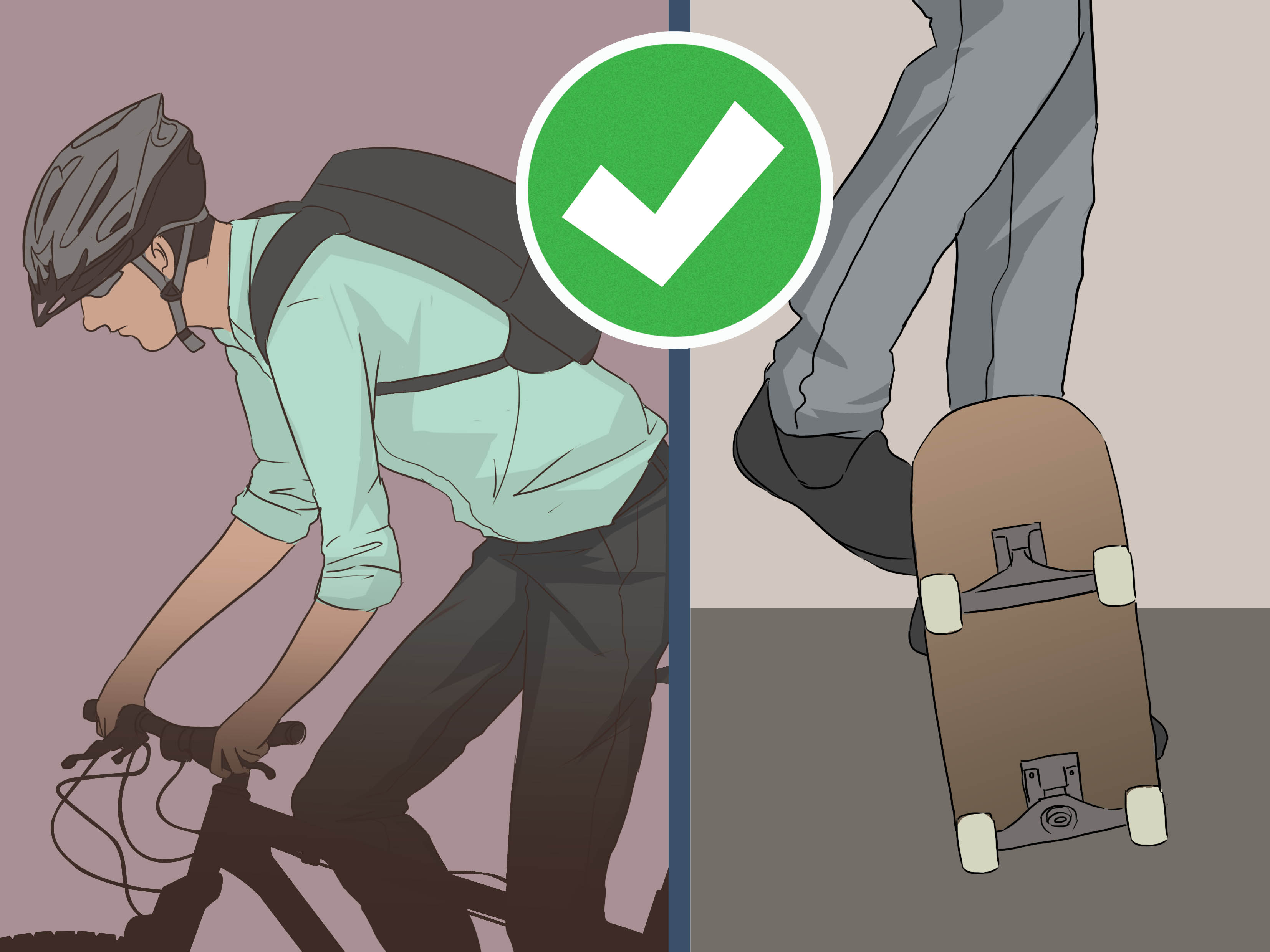
3. Walk, Bike, or Use Micromobility for Short Trips
For nearby destinations, walking and bicycling can provide flexibility without fares, reservations, or favors. Electric bicycles and shared scooters may also be available, although local laws, age limits, helmet requirements, equipment classifications, and operating rules differ.
A trip that feels too short to justify a taxi may be ideal for walking or cycling. The practical range depends on your health, weather, terrain, road design, available sidewalks, bicycle infrastructure, and comfort level.
Map the Safest Route, Not Merely the Shortest
Navigation apps often favor speed, but the shortest route may include fast traffic, missing sidewalks, poor lighting, dangerous intersections, or roads that are unpleasant even from inside a vehicle. Look for residential streets, marked crossings, protected bicycle lanes, shared-use paths, and routes with lower traffic speeds.
For walking, use sidewalks when available. Where there is no sidewalk, federal safety guidance generally recommends walking facing traffic and staying as far from moving vehicles as practical. At night or in poor visibility, use reflective materials or a light.
Pedestrian-safety research support:
Prepare the Bicycle Before Depending on It
A bicycle becomes less charming when the brakes squeal, the tire is flat, and you are already late for work. Check tire pressure, brakes, chain condition, lights, reflectors, and wheel security. Wear a properly fitted helmet and clothing that will not become caught in moving parts.
Ride predictably, obey applicable traffic controls, scan for turning vehicles, and remain alert near driveways and parked cars. Local bicycle laws vary, so review state and municipal rules before riding on roads or sidewalks.
Bicycle-safety research support:
Use Active Transportation as Part of a Mixed Trip
You do not need to bicycle twelve miles in business clothes to prove your commitment. Ride one mile to a train station, walk from the bus stop to work, or use a shared bicycle for the final segment of a trip.
Keep a compact kit with water, weather protection, a phone charger, basic repair supplies, and a secure lock. Store work shoes or spare clothing at your workplace if possible. A little preparation prevents a light rain from becoming an unauthorized reenactment of a survival documentary.
Know When Not to Walk or Ride
Choose another option during severe weather, extreme heat, icy conditions, poor visibility, unsafe traffic, or when your health makes the trip risky. Do not operate a bicycle or scooter while impaired. A suspended driver’s license is already enough administrative excitement for one season of life.
How to Combine All Three Transportation Methods
Most people will not solve a license suspension with one perfect transportation method. A mixed system is usually more reliable.
For example, you might use a monthly bus pass for work, carpool with a coworker on late-shift days, walk to nearby stores, and reserve rideshare trips for medical appointments. For an intercity visit, you might take local transit to a train station and arrange for a family member to meet you at the other end.
Create a simple weekly schedule with a primary plan and a backup:
- Monday: Bus to work; coworker ride home if overtime is required
- Tuesday: Bicycle to work; rideshare backup for rain
- Wednesday: Carpool both ways
- Thursday: Remote work and grocery delivery
- Friday: Bus to work; walk home from the final stop
Save confirmation emails, transit schedules, carpool contact information, and any restricted-license documentation in one place. Recheck the reinstatement requirements regularly so you do not complete the suspension period and then lose another month because one form was missing.
Experiences and Lessons From Life Without a Valid License
The following composite experiences represent common situations rather than specific individuals. They illustrate how transportation planning often changes during a suspension and what people can learn from the process.
The Commuter Who Initially Relied on Rideshare
Imagine a warehouse employee named Marcus whose license is suspended for several months. His first solution is straightforward: request a rideshare vehicle every morning and evening. The system works beautifully for four days. There are no transfers, no schedule to study, and no uncomfortable conversation with coworkers.
Then he reviews his bank account.
His round-trip transportation costs are approaching $35 per day. With five workdays per week, he is spending roughly $175 weekly just to reach his job. Surge pricing could push the total higher. Marcus realizes that convenience has quietly hired itself as his largest non-rent expense.
He studies the regional bus map and discovers a route that stops about one mile from the warehouse. The trip takes longer, but a monthly pass costs far less than repeated private rides. He begins taking the bus in the morning and shares an evening ride with a coworker whose shift ends at the same time. He contributes toward gas each week.
The experience teaches him that rideshare is most effective as a backup or final-mile option, not necessarily as the foundation of a daily commute. It also teaches him to calculate monthly costs before a temporary convenience becomes a permanent budget leak.
The Parent Who Needed a Transportation Network
Consider Danielle, a parent balancing work, school pickup, grocery shopping, and recurring medical appointments. Her biggest difficulty is not traveling to one destination. It is coordinating several destinations with strict times.
At first, Danielle asks relatives for rides whenever a need arises. Every request feels urgent, and every week becomes a fresh puzzle. Family members want to help, but no one knows when they will be needed. Frustration builds on both sides.
Danielle replaces emergency requests with a written schedule. Her sister handles school pickup on Mondays and Wednesdays. Another parent from the school shares Thursday transportation. Danielle takes the bus to work and schedules medical appointments on Tuesday afternoons, when a community transportation program is available. She orders bulky groceries twice per month and walks to a neighborhood store for small items.
The arrangement is not glamorous, but it is predictable. The lesson is that a transportation network works better when responsibilities are clear. Helpers can plan their lives, and the person without a license does not have to begin every conversation with, “I hate to ask, but…”
The Suburban Worker Who Used a Bicycle and Transit
Now picture Evan, who lives six miles from an office park. The local bus does not stop near his home, and the nearest useful route begins two miles away. Paying for daily rides would be expensive, while walking the entire distance would take too long.
Evan buys a reliable used bicycle, adds lights and a rack, and practices the route on a weekend. Instead of choosing the shortest road, he uses quieter residential streets to reach the bus stop. He locks the bicycle there, rides the bus for the longest portion, and walks the final quarter-mile to work.
The first week reveals several problems. He underestimates the morning temperature, forgets rain protection, and learns that carrying a laptop in a loose shoulder bag turns every bump into an athletic event. He responds by storing spare clothes at work, using a secure backpack, checking the forecast, and keeping rideshare money available for severe weather.
After several weeks, the routine becomes ordinary. The suspension remains inconvenient, but it no longer controls every decision. Evan also discovers that transportation planning is less about heroic effort than repeatable systems. A route that works five days a week is more valuable than an ambitious plan that collapses after Tuesday.
The Common Lesson: Temporary Does Not Mean Unplanned
People often treat a license suspension as an interruption they can improvise around. That approach may work for a day or two. Over several weeks or months, however, missed rides, unexpected expenses, weather, changing work shifts, and family obligations create pressure.
The most successful response is to treat transportation like a temporary operating system. Identify essential trips, assign a primary method, create backups, budget the full cost, and track every reinstatement requirement. Ask for help clearly rather than apologetically, and avoid driving simply because another option feels inconvenient.
A suspended license can disrupt your routine, but it does not have to end your employment, relationships, appointments, or independence. Public transit, shared rides, and active transportation may require extra time and patience, yet they can carry you through the suspension legallyand without turning one problem into three more.
Conclusion
When your license is suspended, the safest strategy is not to gamble on a “quick trip.” Confirm the exact terms of the suspension, investigate whether you qualify for restricted driving privileges, and build a transportation plan that does not depend on illegal driving.
Use public transportation for predictable recurring trips, arrange carpools or paid rides where transit falls short, and walk or bicycle when routes and conditions are safe. Combining the three methods usually produces the best balance of affordability, flexibility, and reliability.
The inconvenience is temporary. Additional legal trouble does not have to be.